Home
 ArticlesArticles
The vital role of fertility preservation and egg donation in helping women overcome reproductive challenges, allowing them to control their family planning. It highlights how these advancements in reproductive medicine enable women to preserve their fertility and access healthier eggs for future pregnancies.



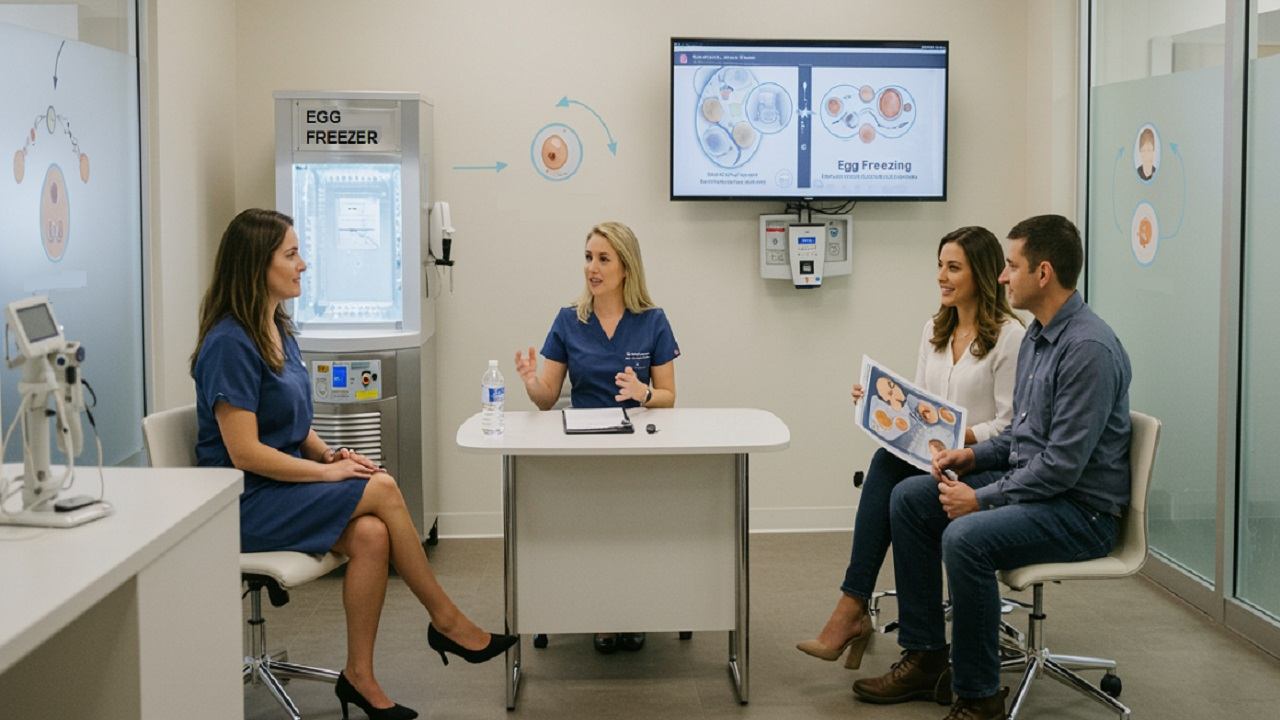
As reproductive medicine advances, egg donation and fertility preservation have become two key strategies for women hoping to maintain or create their families. Both approaches liberate women from previously unfathomable limitations on their fertility, enabling them to pursue parenthood according to their schedule, irrespective of their age or medical condition. The aid of egg donors combined with the option of fertility preservation truly becomes a life-changer for many, allowing those who face obstacles to overcome them and set out on the journey to have children.

Egg donation is a form of fertility treatment whereby a woman (the donor) distributes her ova (eggs) to another woman (the recipient) who is unable to conceive using her ova. Women who face different challenges, such as being advanced in age, having diminished ovarian reserve, or having genetic disorders or unsuccessful fertility treatment, often consider this option.
Egg donors are usually women aged 21-34 who go through a rigorous screening process and who are healthy both physically and emotionally. In this case, it usually entails
After an egg donor is identified, she is subjected to ovarian stimulation, which causes her to grow lots of eggs in one cycle. The donor’s eggs are collected using a minimally invasive procedure, and then those eggs are fertilized in the lab with sperm from the recipient’s partner or a sperm donor. The embryos that emerge are then cultured for a few days, and one or more are chosen for transfer into the recipient’s uterus.
Egg donation is a process that can help women who would not normally be able to get pregnant experience pregnancy and childbirth. The woman who receives the implant will gestate the pregnancy, while the child’s genetic material is that of the egg donor.
Fertility preservation is when eggs, embryos, or sperm are frozen to use at a later date, allowing women to defer pregnancy and retain their potential to conceive in the future. This has become a critical option for women who wish to prioritize their careers, studies, or personal lives before having children, as well as for those who may require medical treatments that can negatively affect fertility, such as chemotherapy or radiation.
Fertility preservation is egg freezing (oocyte cryopreservation) or embryo freezing. Here’s how each option works:
Egg freezing involves retrieving and freezing a woman’s eggs to use in the future. This approach is best for the women who are not ready for a baby but still want to save their fertility for their future.
During the process:
Embryo freezing is similar to egg freezing, but the eggs are fertilized before the freezing process. Couples who undergo IVF often opt for this method to preserve their embryos from subsequent cycles. Fertility specialists will freeze embryos that have produced viable test results, as this technique generally has a higher success rate than traditional egg freezing due to the fact that embryos have already undergone fertilization and development, which increases their chances of survival during the freezing and thawing process.
Key benefits for women interested in controlling their reproductive health through fertility preservation include:
 1. Delaying Parenthood
 The most common reason women choose to preserve their fertility is to postpone having children until they are ready, whether for personal, career, or relationship reasons. Egg freezing allows women to store their fertility while being younger so that healthy eggs are available when they are ready to use.
Women undergoing certain medical treatments (such as chemotherapy or radiation) for cancer often opt to preserve their fertility. These treatments can harm a woman’s eggs and lower her fertility. Freezing eggs or embryos before treatment gives these women the potential to become pregnant after their treatment is finished.
As women get older, both the quantity and quality of their eggs go down, and it becomes increasingly difficult to get pregnant. Egg freezing offers women a chance to preserve younger, healthier eggs before their fertility begins. This provides individuals with the opportunity to have a child later in life by using eggs that are at their optimal quality.
Women undergoing IVF who cannot conceive naturally often benefit from the use of frozen eggs or embryos. Success rates with donor egg IVF are dramatically higher in women over 40 and women with a diagnosis of infertility due to low ovarian reserve. Egg donation helps women experience pregnancy using a healthy, viable egg, which is more likely to be successful than using their eggs later in life.
Egg donation is essential for many fertility treatments, especially as women with aging eggs, medical conditions, or genetic issues attempt to conceive. The existence of egg donors has expanded reproductive options for numerous women as well as couples.
Egg donors are usually fertilized via IVF and implanted in the recipient’s uterus. The procedure enables women who would otherwise be unable to bear a child to undergo a pregnancy. Gone are the days of struggling with these issues when you have the assistance of fertility clinics, egg donor selection, IVF, and implantation have all become highly sophisticated processes, and success rates have steadily improved.
Egg donation and fertility preservation are examples of what modern medicine can do when working for women in controlling reproductive health. Such options, whether through freezing eggs to be used later or via donor eggs to help a woman build her family, provide avenues for reproductive possibilities that may once have seemed unreachable.
For many, the long and often complicated road to parenthood is an emotional and physical challenge. Fertility preservation puts the power in the hands of women, enabling them to choose when and in what way they want to create a family. The alternative ways of building a family would have been underwhelming or made it impossible for them to become parents altogether.
One of the most significant transformations in the field of reproductive medicine is egg donation and fertility preservation. These advancements allowed women to read on and preserve their fertility, get healthier eggs, and delay or quicken the way they may go to motherhood when they wanted. Thanks to the availability of egg donors and other reproductive memorialization technologies, women are overcoming barriers to fertility and taking control of their reproductive futures, creating families in new ways.


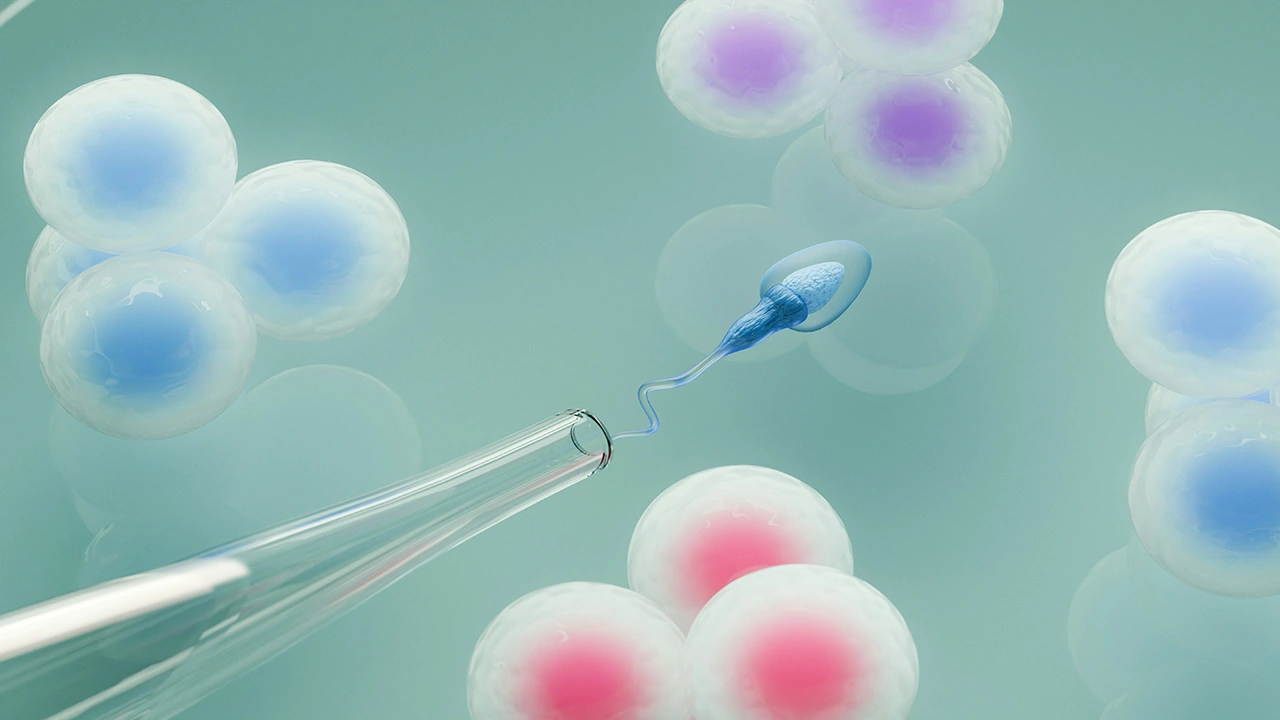
For men with extremely low sperm counts or with sperm retrieved surgically, every single sperm is precious. This article explains how single sperm freezing preserves individual sperm for ICSI, which men may benefit, how it differs from conventional sperm freezing and what the current evidence shows about its outcomes.
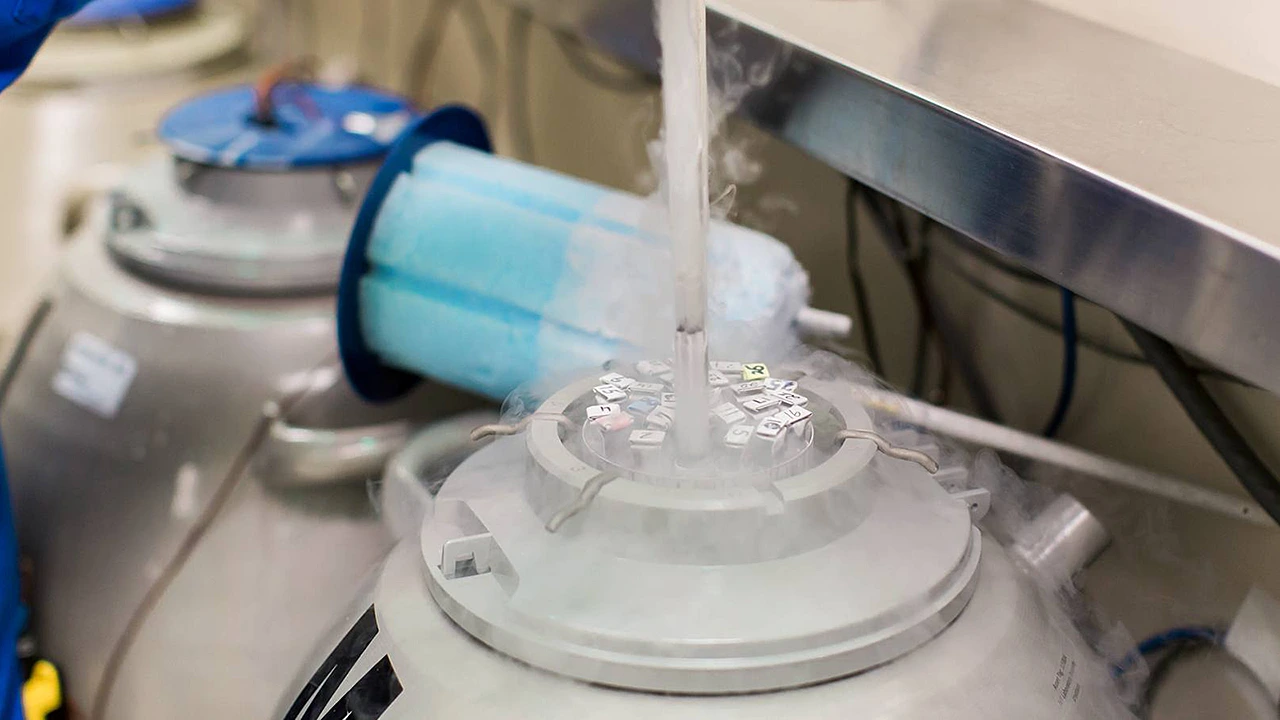
Egg freezing in UK is becoming an increasingly established fertility preservation option. This report examines the rise in egg-freezing activity, UK data, age-related factors, storage and utilisation, and why frozen eggs do not guarantee a future pregnancy. It explores what current evidence means for women considering fertility preservation and reproductive choices.
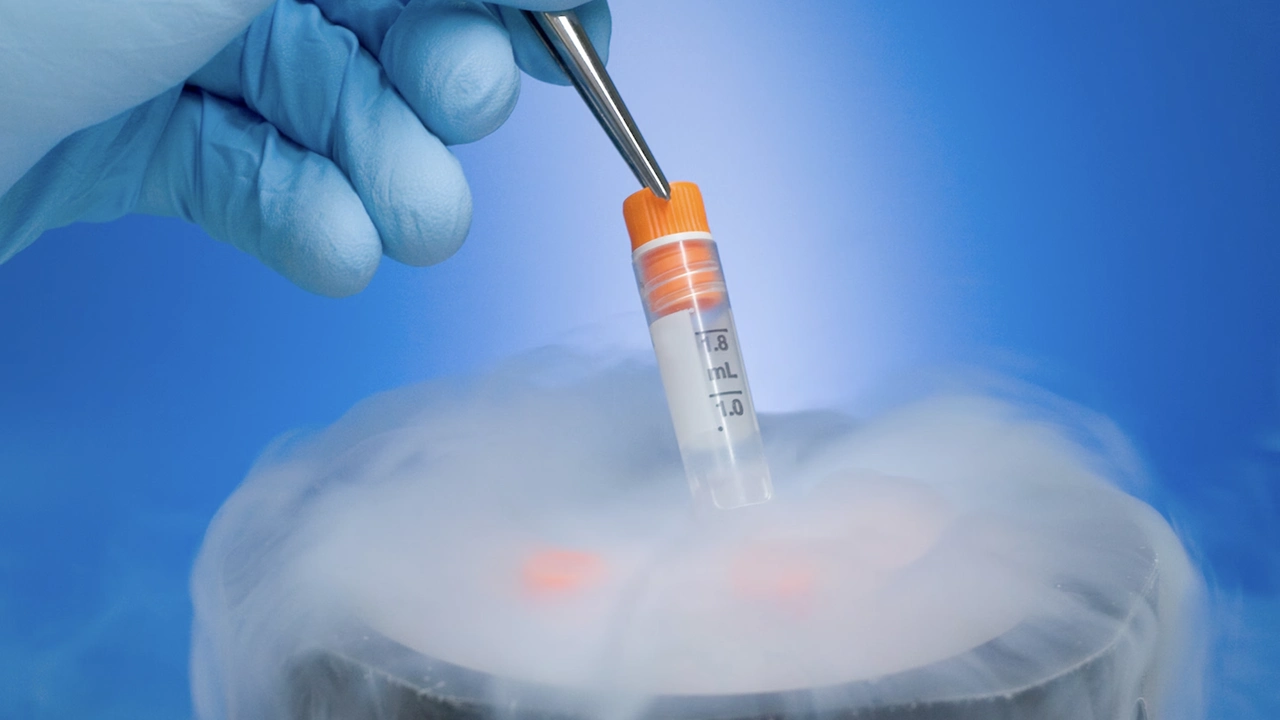
Frozen Egg Thawing survival rates average 80–90% with modern vitrification. Age at freezing is the biggest success factor, younger eggs fertilize better and develop stronger embryos. Banking 10–20 mature eggs improves live birth odds. ICSI remains the gold standard, with blastocyst transfer offering the highest implantation rates.
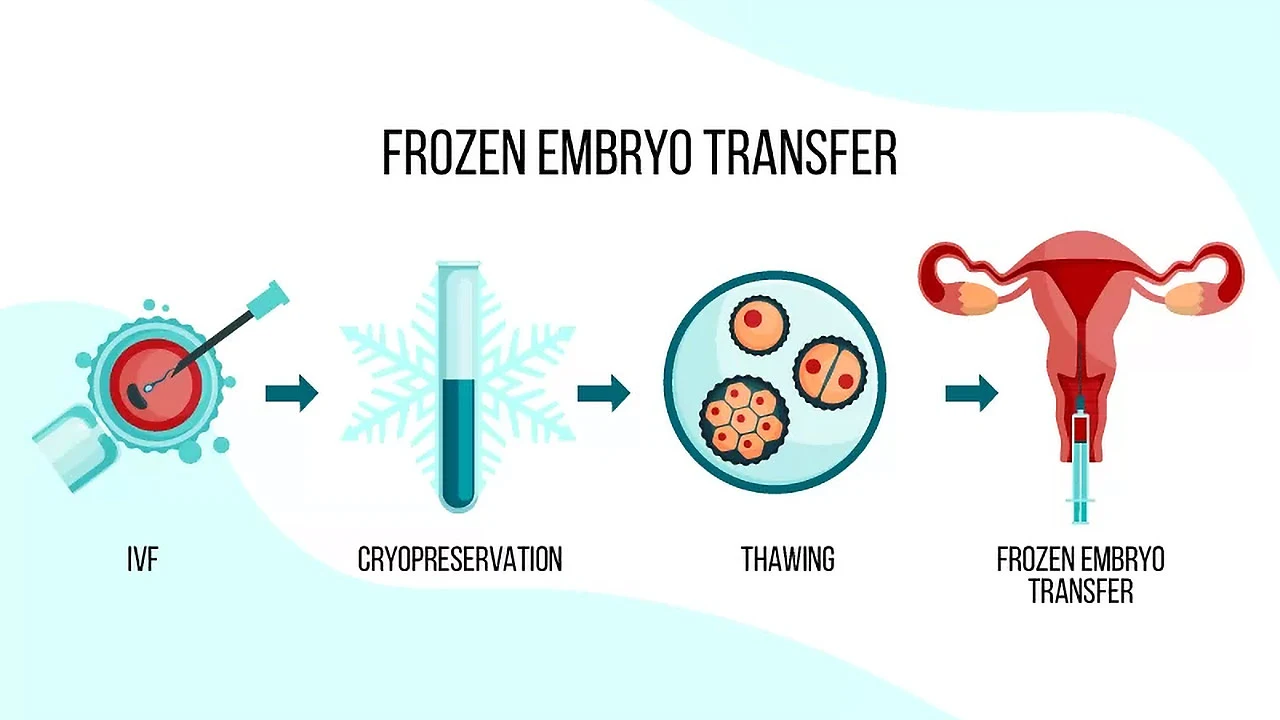
Frozen embryo transfer (FET) is a fertility procedure where previously created and frozen embryos are thawed and placed into the uterus. This comprehensive guide explains the FET process, success rates, benefits, and why it's become a preferred option for many people navigating infertility treatment and building their families.
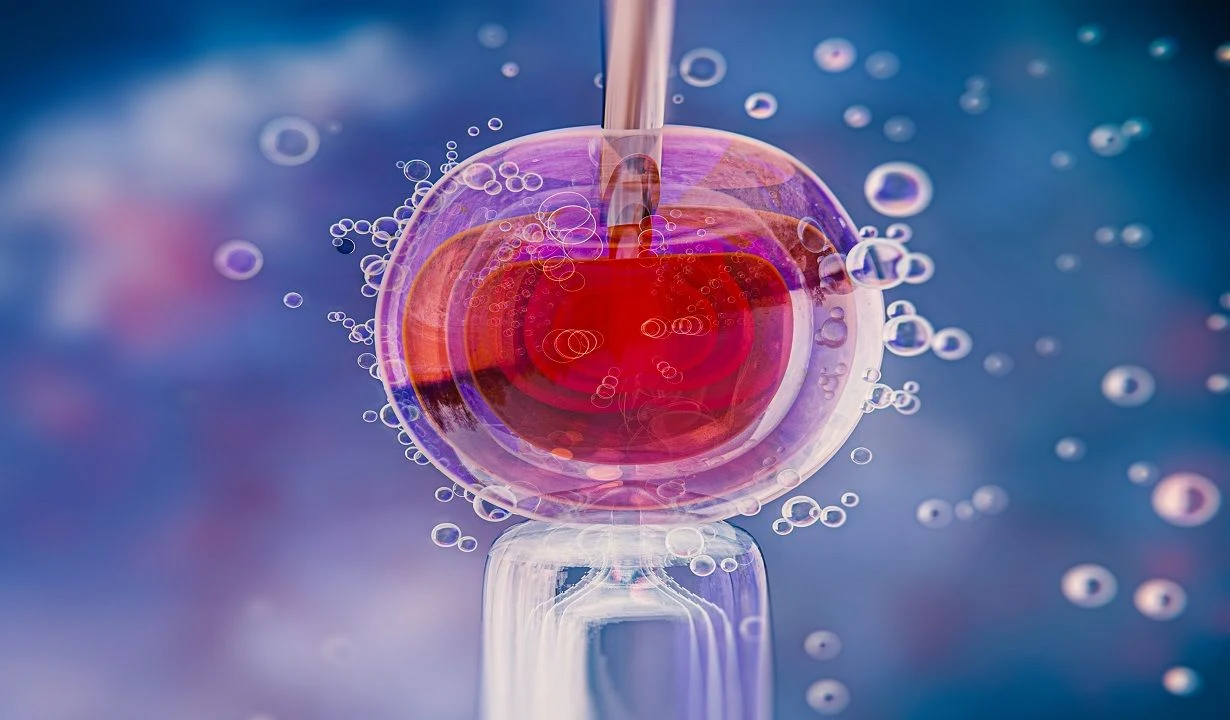
Egg freezing does not reduce natural fertility or ovarian reserve. This comprehensive guide examines how oocyte cryopreservation works, success rates by age, potential risks including OHSS, costs, and psychological benefits. Facts about preserving reproductive options while maintaining natural conception ability for career-focused and medically indicated fertility preservation.

The best age to freeze sperm and eggs depends on biology, fertility health, and personal choice. Experts recommend egg freezing before 35 and sperm freezing before 40 for stronger outcomes. Advances in technology and lifestyle factors also shape fertility preservation decisions.