Home
 ArticlesArticles
Counselling and therapy during Assisted Reproductive Technology (ART) play a vital role in supporting individuals and couples emotionally through fertility treatments. From managing stress and anxiety to promoting resilience and offering grief counselling, counselling and therapy during Assisted Reproductive Technology (ART) ensure emotional well-being and help navigate the challenges of assisted reproduction.



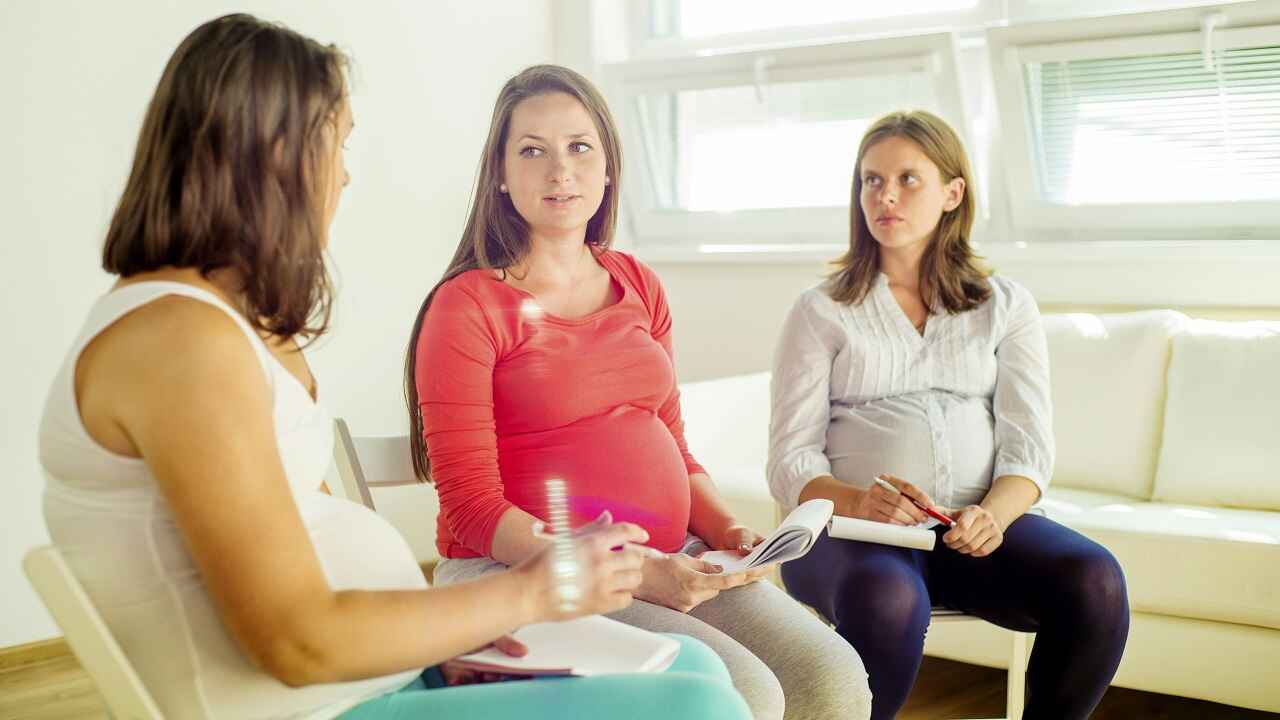
While ART is frequently considered a type of medical technology involving procedures like IUI (intrauterine insemination) or IVF (In-vitro fertilization), it is crucial to also understand the profound emotional and psychological processes that accompany these treatments. Counselling and therapy during ART are important for many people, as they struggle with the emotional fallout of the procedures. In this article, we look at how counseling and therapy during ART can help support people through the peaks and troughs of fertility treatments.

The road to parenthood via ART is often very emotional a rollercoaster of hope, anxiety, frustration, and sometimes even grief. For most, it’s a long series of medical tests, procedures, and waiting, with no guaranteed outcome. These emotional highs and lows can put tremendous stress on individuals and on couples.
Due to the heavy emotional burden ART can present, it is crucial to implement support systems, where counselling and therapy play an integral role in emotional care.
Counselling and therapy during ART offer a safe and supportive environment when individuals and couples navigate the emotional journey of ART. Here is why therapy can be a key component in the fertility treatment path:
Managing Stress and Anxiety
Fertility treatments can be a huge source of stress and anxiety. The demand for life-saving treatment, the anxiety of failing, and the uncertainty of therapy outputs can contribute to escalated emotional situations. Heart to Heart therapeutic intervention: Cognitive behavioural therapy (CBT) teaches people to manage negative ways of thinking and cope with stress. CBT effectively aids patients in reframing their fears and anxieties, which equips them to tackle the emotional challenges that lie ahead with enhanced resilience.
Along with cognitive behavioural therapy, mindfulness-based therapy and relaxation techniques can also be added to the counselling sessions to equip the individual with tools that will help them remain rooted in the present moment, alleviate stress, and aid the management of anxiety levels during the treatments.
Providing Emotional Support
Going through ART can often be a lonely experience, even for people in a relationship. Counselling allows patients to talk and share what they are going through their emotions, fears, and frustrations. A therapist trained in ART can walk an individual or couple through the emotional complexities behind the procedure and how to deal with feelings of uncertainty, disappointment, or sadness.
For couples, therapy allows a safe zone to discuss their needs, fears, and expectations openly. It can accelerate the bonding process in relationships, foster empathy, and validate the alignment and emotional investment of both partners in the journey. Couples counselling is especially effective in handling the emotional tensions that fertility treatments sometimes create between partners.
Grief and Loss Counselling
For many people, ART is an experience of loss, whether the loss of a pregnancy, of a failed cycle, or of never conceiving after several attempts. Grief can be especially prevalent in ART when results are not what one expected.
Counselling and therapy during ART also allow people to grieve in healthy ways, helping them realize that they will be okay and encouraging them to confront their emotions. They guide clients through bereavement counselling following a miscarriage or failed IVF cycle, where they work to find meaning in the loss and heal from it, therapists say. They will encourage their clients to express their grief rather than bottling it up, as it leads to better emotional health and closure.
Promoting Self-Compassion
Choosing ART is a complex emotional process, and for many, feelings related to inadequacy, guilt, or shame can result, especially if faced with setbacks or unsuccessful outcomes. Self-compassion-focused therapy is great for helping people develop a healthy relationship with themselves. Therapy enables gentleness toward the self, allowing patients to learn how to treat themselves with more compassion than blame and eliminate shame.
Self-compassion is also a factor that improves an individual’s ability to experience and manage stress and uncertainty with less self-judgment about the situation they find themselves in. In this way, appropriate therapy focusing on the process of building self-worth independently of ART results can nourish individuals towards a balanced and resilient perspective.
Counselling and therapy also play an important role in the lives of partners, donors, surrogates, and those undergoing ART.
For Couples: Navigating the Journey Together
For couples, ART can be particularly challenging; each partner may have different emotional reactions and coping strategies. One partner may feel hope and optimism while the other experiences frustration and sadness. Therapy can aid both partners in gaining a better understanding of each other’s viewpoints, developing empathy, and improving communication.
Couples therapy also gives partners a safe space to discuss their goals and desires for the future and make sure that their vision for starting a family is in sync. In this case, therapy can be an excellent tool for reinforcing the couple and supporting one another through the process.
For Donors and Surrogates: Emotional Support and Boundaries
Fertility treatments that utilize donors (egg, sperm, or embryo donors) or surrogates demand attention to emotional boundaries, ethical considerations, and individual motives. Therapy allows them to process their feelings and deal with all the emotions that ART brings.
Surrogates, for instance, may require therapy to work through their thoughts and feelings about the pregnancy, their relationship with the intended parents, and the eventual transfer of the child. Egg or sperm donors can also benefit from counselling to make sure they're emotionally supported and clear about their boundaries and intentions.
Counselling can assist in having these open conversations regarding the potential emotional implications of donation and surrogacy well before the process, better preparing individuals for the emotional journey ahead.
Meaning, though for many ART is often an emotionally trying time, the implications of counselling also help build hope and resilience. Therapy cultivates hope by promoting positive coping mechanisms, self-care, and emotional healing. Many therapists work with clients to develop resilience-building techniques that promote control, patience, and inner strength.
Through counselling, one can learn to concentrate on those parts of ART that are controllable, including lifestyle choices, stress management, and positive self-statements. Building resilience enables individuals to navigate the challenges of ART step by step, laying the groundwork for future success.
Counselling can also help people keep a long-term view on their journey through fertility. Even in cases where ART cycles fail, therapy helps people remain focused on the bigger picture of their plan, such as building a family through adoption or considering other possibilities.
Therapists can help individuals identify any sense of meaning or purpose they may create out of ART, no matter the outcome. By generating a realization that ART is merely one avenue for building a family, therapy can also support individuals and couples in retaining hope for the future, regardless of the road they ultimately pursue.
Counselling and therapy during ART are indispensable parts of assisted reproductive technology emotional care. Whether coping with stress and anxiety or processing grief and loss, therapy is there to support individuals and couples in staying emotionally healthy through the frequently unpredictable and gruelling journey of fertility treatments.
Therapy provides individuals with a space to carefully unpack emotions and feelings, choosing to share not only the disappointing & painful moments but also the journey as a whole, with the intention of allowing the individual to better cope with the highly complicated emotional nuances of ART, thereby helping to preserve mental health in an effort to enhance the overall experience of the process. Whether it’s teaching couples how to communicate better with each other, guiding individuals through the grieving process, or simply providing hope for what lies ahead, counselling is also key to making sure that ART is not just about science but also about emotional well-being.


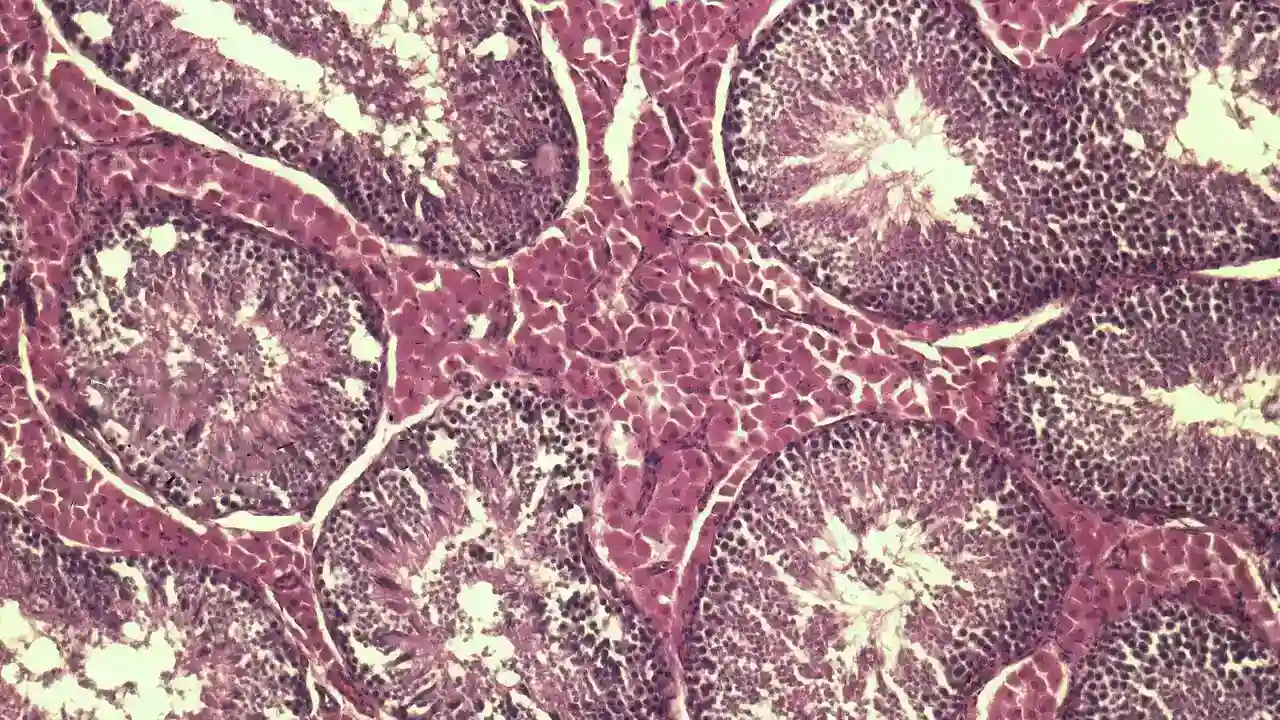
Boys treated for cancer before puberty cannot bank sperm, but freezing testicular tissue containing spermatogonial stem cells may one day restore their fertility. This article explains how the first transplants in adult survivors work, what the early research shows, the risks involved and why families should know about this option.
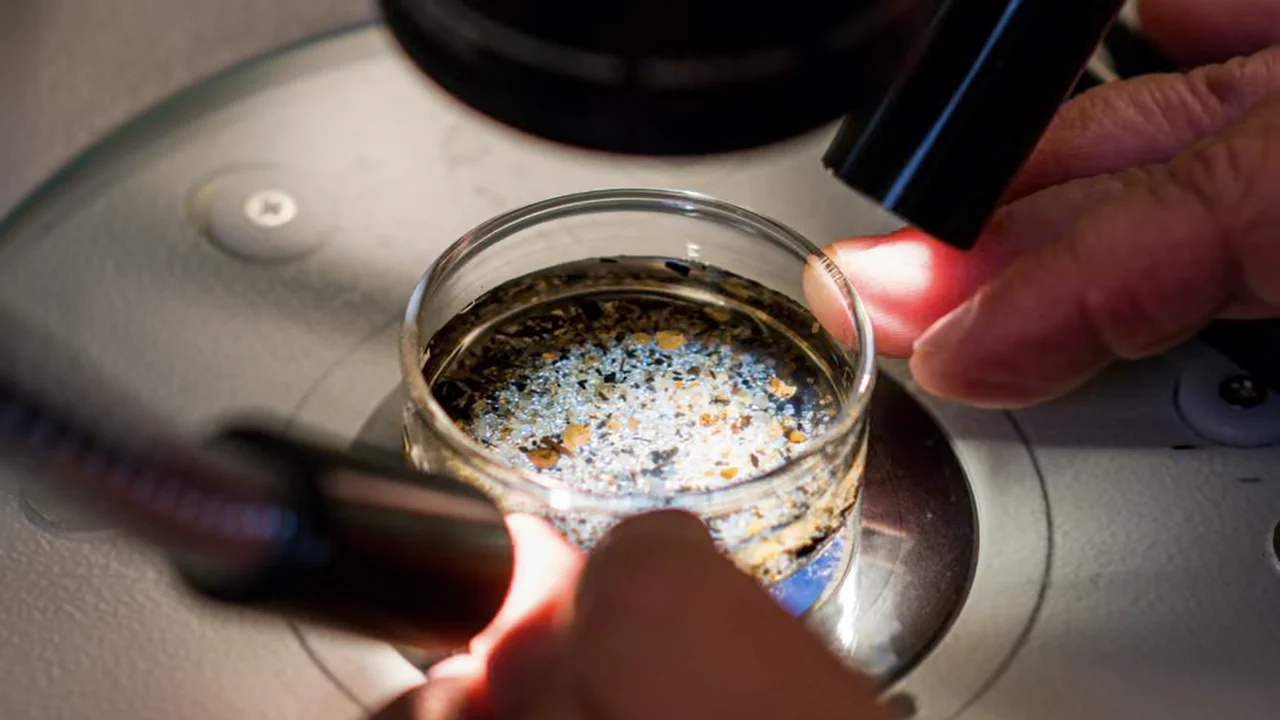
Microplastics have now been found in human follicular fluid and seminal fluid. This article explores the fast-growing body of research on microplastics and fertility, what scientists know and do not yet know about their effects on eggs and sperm, and practical, evidence-based ways that couples can reduce their everyday exposure.

Fertility conversations often focus on women, yet new research on sperm epigenetics shows a father's environment matters too. This article explains how air pollution may alter chemical marks on sperm DNA, why those changes could matter for fertility and pregnancy, and the practical steps men can reasonably consider before conception.
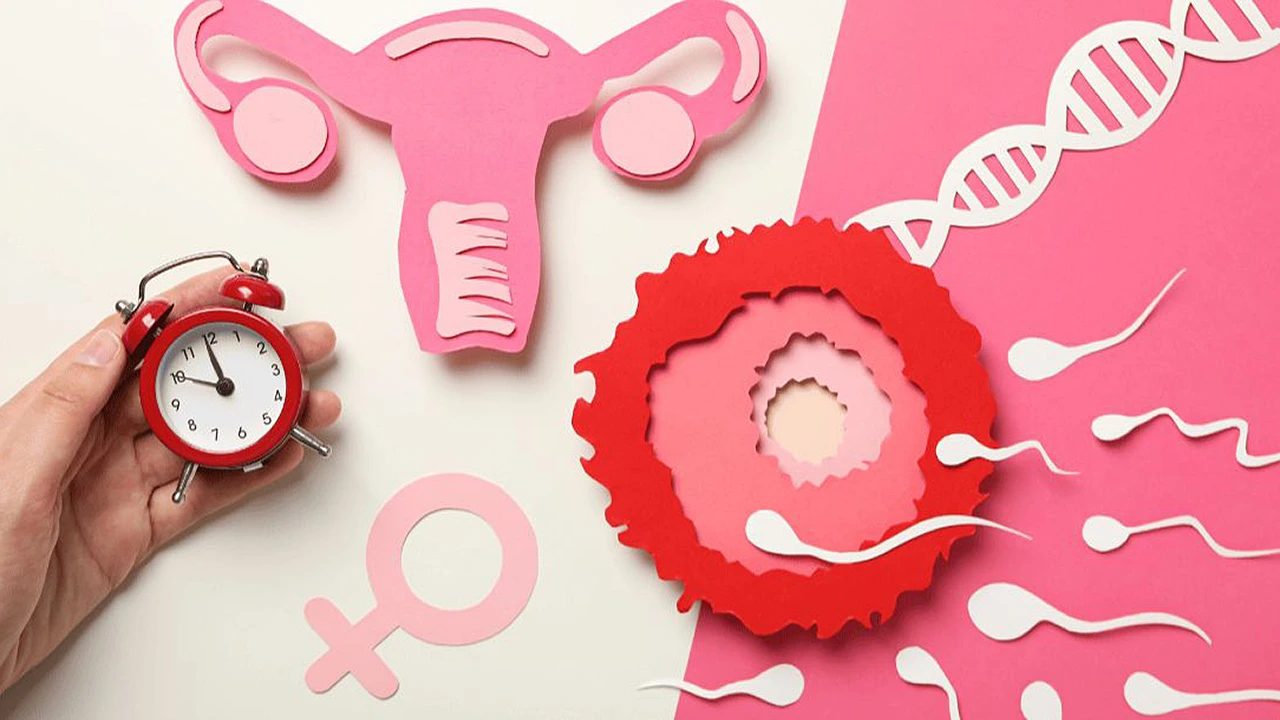
Donor eggs have long been seen as a way to reset the reproductive clock, but new research suggests uterine ageing also plays a role. This article explains what the latest evidence shows, how the ageing uterus may affect implantation and pregnancy, and how women in their late forties can prepare.
In vitro gametogenesis, the science of creating eggs and sperm from ordinary body cells, has moved from mouse studies towards human research. This article explains how the approaches work, what recent milestones really show, the obstacles that remain and why clinical use is still likely to be several years away.
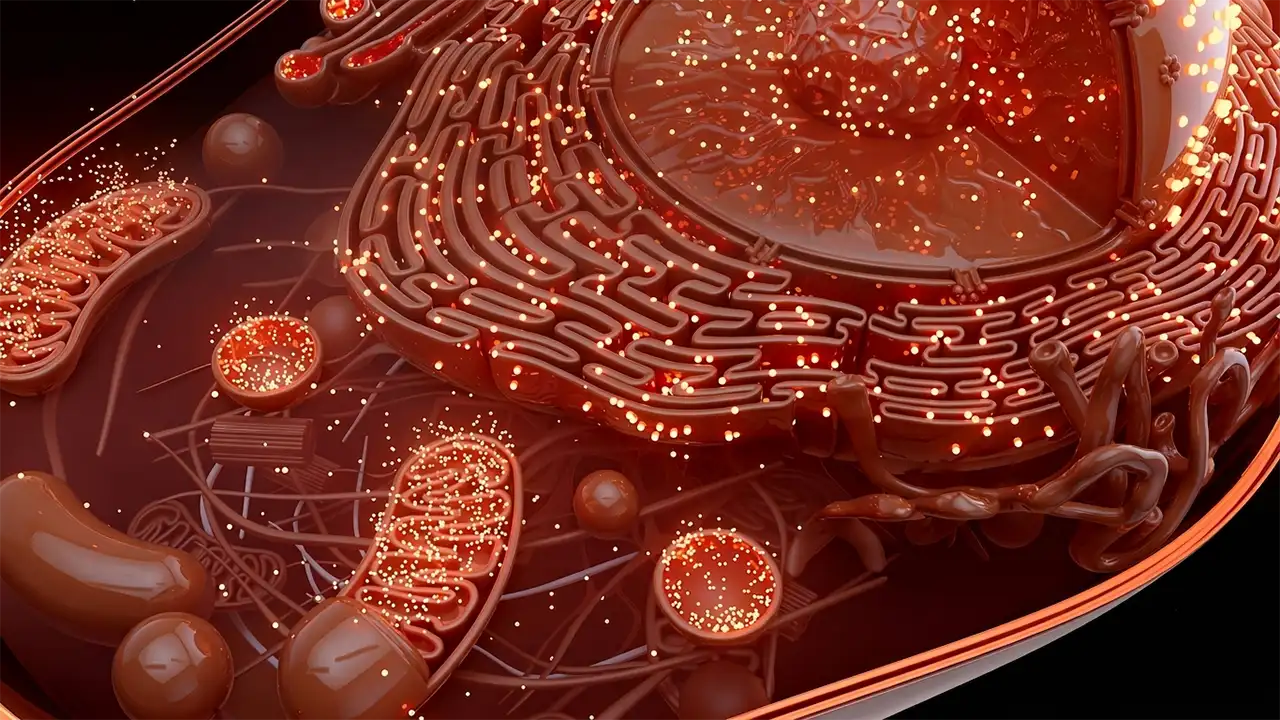
Mitochondrial donation, often called three-parent IVF, has now produced the first detailed clinical results, with healthy children born to mothers at high risk of passing on mitochondrial disease. This article explains how the technique works, who it is for, what the evidence shows and which scientific questions remain open
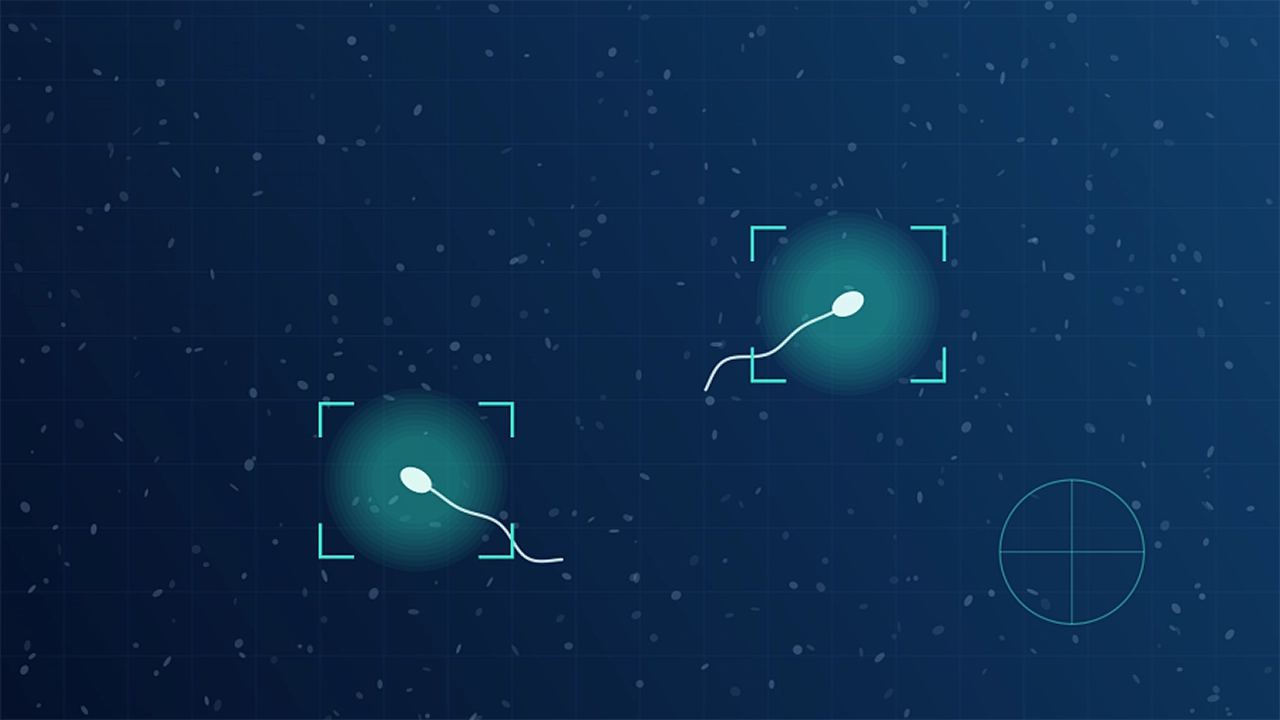
A new AI sperm recovery technique is changing the outlook for men with azoospermia. This article explains how the STAR method scans semen samples for rare hidden sperm, what its first reported pregnancy means, who may benefit, and the key questions couples should raise with their own fertility specialist.