Home
 ArticlesArticles
The significance of Preimplantation Genetic Testing in Assisted Reproductive Technology (ART), highlighting its role in selecting embryos free from genetic disorders. It details the methods of Preimplantation Genetic Testing, including PGD and PGS, and their impact on improving pregnancy success rates and reducing risks for couples.



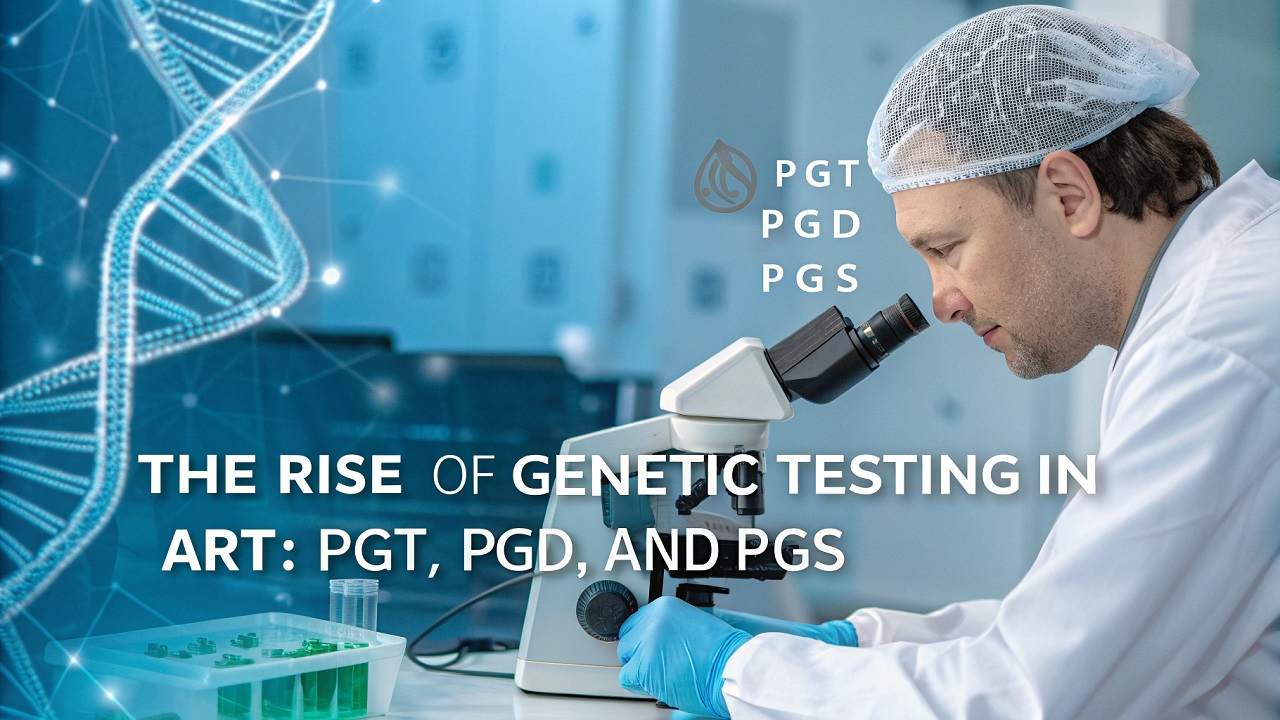
The advancements in Assisted Reproductive Technology (ART) over the past few decades have culturally changed the way people procreate. The introduction of genetic testing, which enables screening of potential embryos before implantation, is one of the most groundbreaking advancements in ART. Such an approach has offered individuals and couples the opportunity to choose embryos that are free from specific genetic disorders, thus increasing the odds of a successful pregnancy and lowering the likelihood of inheritable genetic conditions.
Preimplantation Genetic Testing, or PGT (which is further broken into Preimplantation Genetic Diagnosis/PGD and Preimplantation Genetic Screening/PGS), is a substantial advancement in the field of reproductive medicine. The Past, Present, and Future of Genetic Testing in ART, The Roles of PGD, PGS, and the PGT family.
Prior to the emergence of genetic testing in ART, few options existed for individuals/couples seeking to prevent the transmission of genetic disease in infertility. Conventional techniques such as in vitro fertilization (IVF) allowed for fertilization of eggs and culturing of embryos outside the body, but there was no opportunity to test these embryos for genetic disorders before implantation.
The practice of genetic testing of embryos (also known as preimplantation genetic testing, or PGT) in ART started gaining ground toward the end of the 20th century, having become more realistic with the introduction of new techniques, which made it possible to analyze an embryo’s genetic material. One of these tools was the ability to screen embryos for genetic maladies, a development that revolutionized reproductive medicine with improved rates of success and healthier pregnancies.
PGT (preimplantation genetic testing) is a genetic test at the embryo level before being implanted in the uterus. This testing may be part of an IVF cycle (the fertilization of eggs outside the body), where embryos are cultured for days before testing is performed.
There are three main categories of PGT:
These techniques require removing one or more cells from an embryo and evaluating its genes. Implant only embryos without genetic defects or abnormalities.

Preimplantation Genetic Diagnosis (PGD) is one of the first types of genetic testing of embryos. Originally developed in the late 1980s, PGT became widely used in the early 1990s for testing embryos for known genetic diseases (especially those with autosomal dominant and autosomal recessive inheritance). PGD was first used to assist families with a risk of passing on genetic conditions such as cystic fibrosis, sickle cell anemia, and hemophilia.
PGD operates through harvesting a small number of cells from an embryo (typically between 3 and 5 days old) and screening them for genetic mutations. Parents who carry genetic conditions can use this technology to ensure they don't pass it on to their children. PGD can also screen for sex-linked diseases (like Duchenne muscular dystrophy) by selecting embryos of the desired sex.
PGD is a multi-step process, which includes the following:
As it designates that the resulting embryo does not carry, or is not expected to carry, serious genetic disorders, PGD has revolutionised the field of ART, providing hope to many families to have a healthy child. But it is often reserved for people with a family history of genetic disorders; it is not commonly used for routine genetic screening.
Preimplantation Genetic Screening (PGS) or PGT-A (Preimplantation Genetic Testing for Aneuploidy) is a genetic testing method that is used to identify chromosomal abnormalities within an embryo, such as those caused by an abnormal number of chromosomes known as aneuploidy. Aneuploidy is one of the most common causes of miscarriages and recurrent embryonic implantation failure in vitro, as well as genetic conditions such as Down syndrome, Turner syndrome, and Klinefelter syndrome.
PGS is distinct from PGD, which detects known specific genetic mutations, because it assesses the cumulative chromosomal adequacy of the embryo. It includes chromosomes in embryos screened for abnormalities, so the one with the right number of chromosomes could be chosen for transfer. This is most useful for women of advanced maternal age, 60 and older (60, 61, 62), who have an increased risk of chromosomal abnormalities in their eggs.
PGS can identify:
Similar to PGD, the PGS process has the same protocol; however, rather than detecting specific genetic disorders, it is used to measure overall chromosomal integrity. PGS is becoming more commonplace as part of IVF treatments, especially for women over 35, who are at greater risk for chromosomal abnormalities.
The risk/benefit ratio of the biopsy procedure is another debated topic, with the invasive nature of the procedure and the possible harmful effects on the embryo being questioned. Although advances in genetic testing technology have simplified the process, there are concerns about the reliability of the tests due to the potential for false positives or negatives.
Currently, regarding the same topic, access to genetic testing such as PGD, PGS, and other forms of PGT—has expanded opportunities for patients undergoing assisted reproductive technology (ART). Many fertility clinics now offer genetic screening as standard for those pursuing IVF, particularly for cystic fibrosis and other conditions, or for patients with a high risk of genetic conditions or who have had IVF failures or miscarriages in the past. However, genetic testing is still prohibitively expensive for some patients and remains an option available primarily to those able to afford it.
Due to the recent developments in the genetic screen technologies used within ART and the potential use of NGS in ART, the future seems promising. With advances in next-generation sequencing and gene-editing technologies, the capacity to screen embryos for an expanding range of genetic disorders is, of course, expected to grow. Better methods of genetic counselling and risk assessment will also enable patients to make informed decisions about whether and how to use genetic testing.
Furthermore, it is likely that discussions about the ethical aspects of genetic testing in assisted reproductive technology (ART) will expand, and access to these tests will increase in the coming years. With more precision in genetic testing and accuracy, ART could play a role in prophylaxis for certain genetic diseases and achieving healthier pregnancies.
Genetic testing has revolutionised assisted reproductive technology over the years. The introduction of PGT (Preimplantation Genetic Testing), along with its subdivisions PGD (Preimplantation Genetic Diagnosis) and PGS (Preimplantation Genetic Screening), has made a significant impact on infertility treatment, providing relief and hope to couples and individuals suffering from genetic disorders or recurrent miscarriage. Although they have undeniably increased the likelihood of success in pregnancy technologies, they also bring with them myriad ethical and societal issues that will need to be confronted as the field continues to progress.


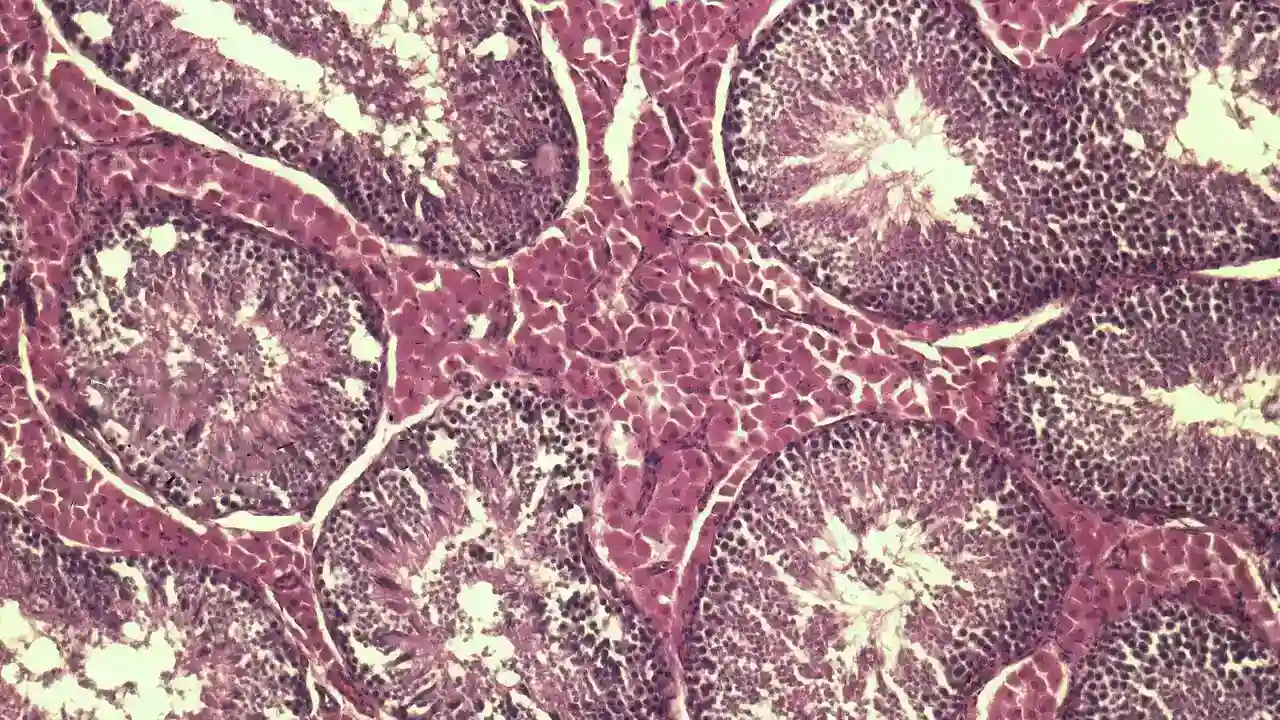
Boys treated for cancer before puberty cannot bank sperm, but freezing testicular tissue containing spermatogonial stem cells may one day restore their fertility. This article explains how the first transplants in adult survivors work, what the early research shows, the risks involved and why families should know about this option.
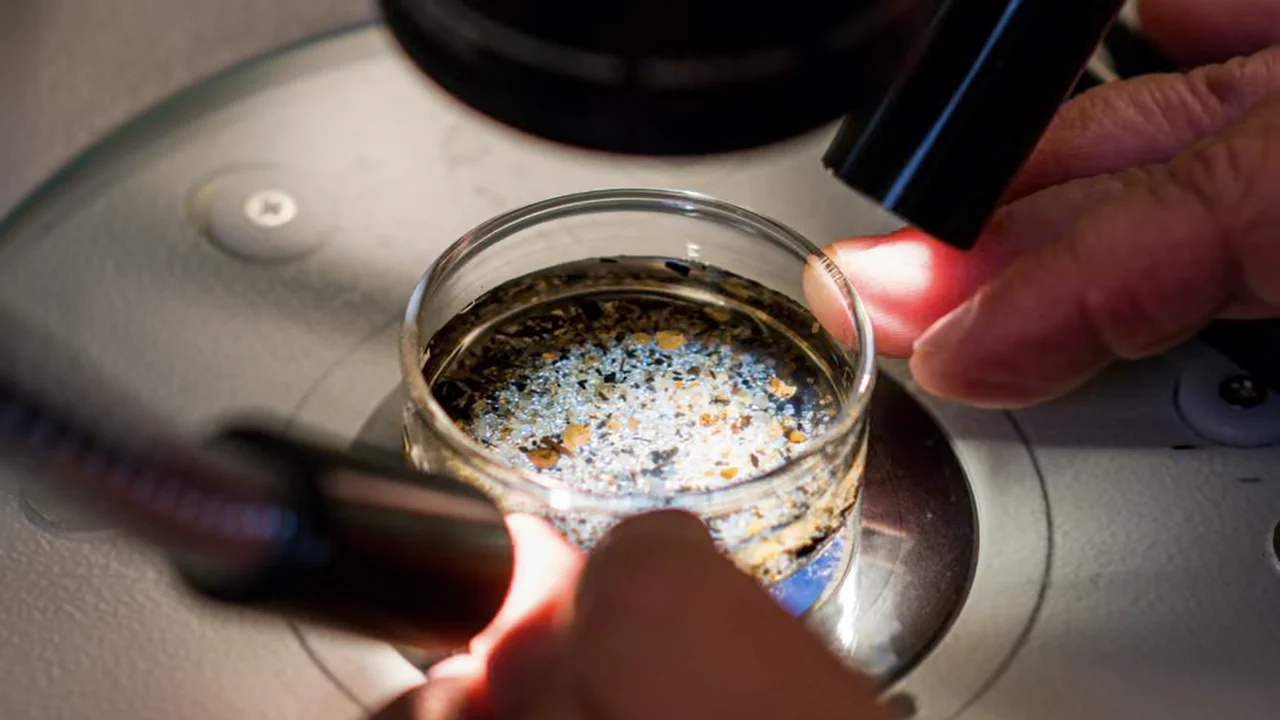
Microplastics have now been found in human follicular fluid and seminal fluid. This article explores the fast-growing body of research on microplastics and fertility, what scientists know and do not yet know about their effects on eggs and sperm, and practical, evidence-based ways that couples can reduce their everyday exposure.

Fertility conversations often focus on women, yet new research on sperm epigenetics shows a father's environment matters too. This article explains how air pollution may alter chemical marks on sperm DNA, why those changes could matter for fertility and pregnancy, and the practical steps men can reasonably consider before conception.
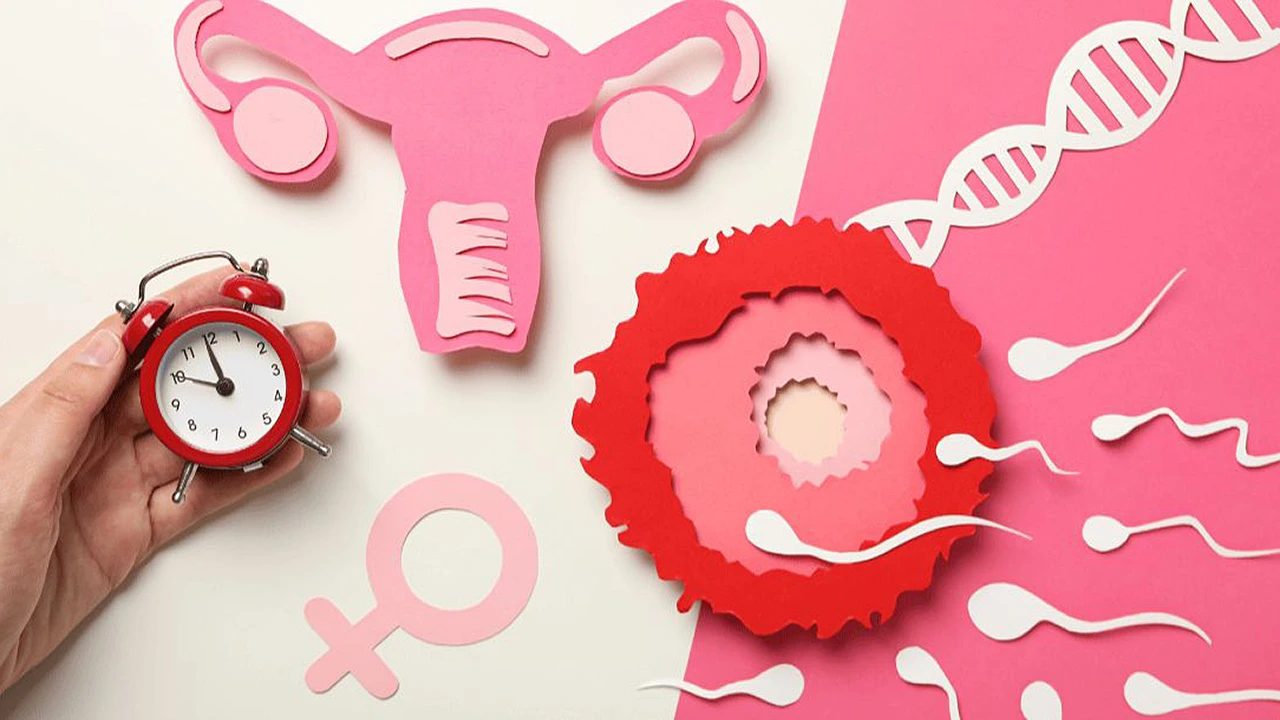
Donor eggs have long been seen as a way to reset the reproductive clock, but new research suggests uterine ageing also plays a role. This article explains what the latest evidence shows, how the ageing uterus may affect implantation and pregnancy, and how women in their late forties can prepare.
In vitro gametogenesis, the science of creating eggs and sperm from ordinary body cells, has moved from mouse studies towards human research. This article explains how the approaches work, what recent milestones really show, the obstacles that remain and why clinical use is still likely to be several years away.
Mitochondrial donation, often called three-parent IVF, has now produced the first detailed clinical results, with healthy children born to mothers at high risk of passing on mitochondrial disease. This article explains how the technique works, who it is for, what the evidence shows and which scientific questions remain open
A new AI sperm recovery technique is changing the outlook for men with azoospermia. This article explains how the STAR method scans semen samples for rare hidden sperm, what its first reported pregnancy means, who may benefit, and the key questions couples should raise with their own fertility specialist.