Home
 ArticlesArticles
The process of using donor eggs and sperm in In Vitro Fertilization (IVF), highlighting essential steps from donor selection to embryo transfer. It emphasizes how using donor eggs and sperm can help individuals and couples achieve their dream of parenthood despite fertility challenges.



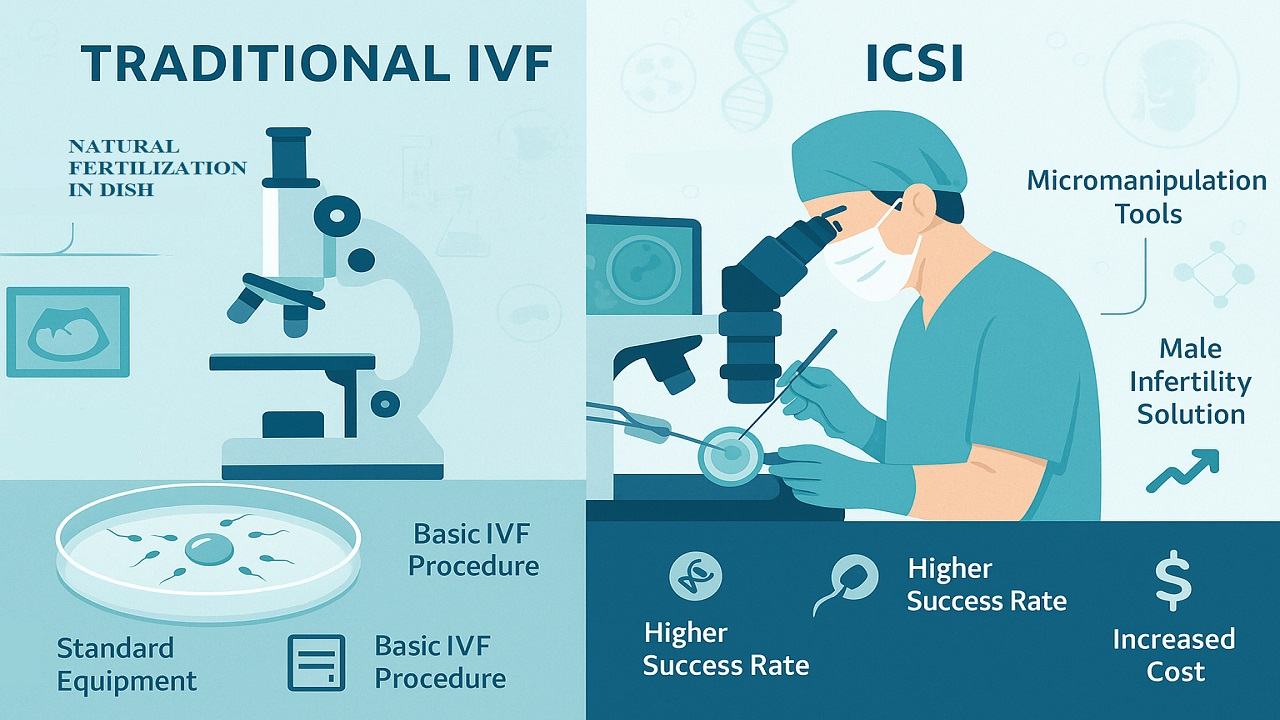
In vitro fertilization (IVF) has emerged as a common remedy for those experiencing fertility issues. Using donor eggs and sperm in IVF for some is a necessary step in the IVF process to achieve successful pregnancy. If an individual or couple has non-viable eggs or sperm, they may still have a biological connection to their child, thanks to the use of donor egg and sperm IVF. This requires overseeing a complex ballet of medical and biological technology, all while keeping a keen eye on the pregnancy as it develops to maximise the odds of a healthy outcome. Here’s a deeper dive into how the process works when donor eggs and sperm are used in IVF.
The journey of IVF with donor eggs and sperm starts with a comprehensive consultation with a fertility specialist. In this appointment, the doctor reviews the medical history of both partners (if applicable), including fertility concerns, any previous treatments undertaken, and the reason donor eggs or sperm are required. Then, numerous medical tests occur blood work, ultrasounds, blood hormone levels for the recipient, etc.
Selecting an appropriate donor is a crucial part of the donor egg and sperm in the IVF process. Here are some things to keep in mind when choosing a donor:

The donors are selected from fertility clinics, sperm banks, or egg donor agencies. For some recipients, anonymous donors still seem to be an option, while others choose known donors, e.g., friends or relatives. Use of legal contracts to assure donor anonymity and the rights of recipients is the way this happens typically.
Once the donor is selected, the recipient (or the female partner, if relevant) is primed for IVF. This stage uses hormonal treatment to synchronise the menstrual cycles of the recipient and the donor’s eggs. For egg donation, the recipient typically takes hormonal medications, such as estrogen and progesterone, to prepare the uterus for embryo implantation.
Where male partners are concerned, sperm donation will also begin with a semen analysis to check that sperm quality is good, or if stored at a sperm bank, sperm will be quarantined and stored until use with the IVF procedure.
If using donor eggs, the donor undergoes a short procedure called ovarian stimulation. The egg donor takes daily hormone injections for two weeks to stimulate her ovaries to yield several eggs. Those typically are gonadotropins, which ramp up egg production. The donor is monitored with ultrasounds and blood tests to monitor the growth and development of the eggs.
When the donor's eggs are mature and ready for retrieval, the donor will have a minor surgical procedure to retrieve the eggs, usually performed under local anesthesia. This is completed under controlled conditions at the fertility clinic and normally takes around 15–20 minutes.
The clinic uses donor sperm from the sperm bank to prepare the minerals for the sperm database. The sperm is “washed,” which eliminates seminal fluid, dead sperm cells, and other debris. This helps ensure the healthiest, most motile sperm are utilised in fertilization. Sperm can also be frozen and stored in advance to use later.
For male partners providing their sperm, a sperm sample is submitted, and it is processed and prepared in the same fashion.
In procedures involving donor eggs and sperm in IVF, fertilization takes place after egg retrieval and sperm preparation. The sperm are added to the eggs in the lab, and fertilization is monitored. In such cases, if the sperm quality is a concern, a procedure known as intracytoplasmic sperm injection (ICSI) may be performed. With ICSI, a single sperm is injected directly into the egg to facilitate fertilization.
Embryos are cultured for a few days following fertilization to confirm proper development. Embryos stay in the lab for a few days, and their growth and quality are monitored by the fertility clinic. Generally, embryos are cultured 3–5 days before the best quality embryos are determined for transfer.
After the embryos develop, the highest-quality one is chosen for placement in the uterus of a recipient. Embryo transfer is a simple procedure that is performed without anesthesia. A thin catheter places the embryo inside the uterus, and the patient may be asked to rest for a short while afterward.
In couples hoping to increase their chances of success, multiple embryos may be transferred at the same time. However, to minimise the risks that multiple pregnancies pose, the number of embryos transferred is typically carefully considered according to the embryos’ quality and the recipient’s medical history.
A pregnancy test is taken around 10-14 days after the embryo transfer to see if implantation worked. In such an event, if the test result is positive, the patient will continue taking hormone treatment (like progesterone) to support the pregnancy and keep their uterine lining. Most will schedule an ultrasound a few weeks out to confirm the heartbeat and monitor fetal growth.
If the pregnancy test is negative, the next steps will be discussed by the fertility team, trying another IVF cycle or something else.
The use of donor eggs and sperm comes with a legal and emotional aspect that should never be ignored. Legal contracts are usually created to cover items, such as parental rights, privacy, and the dynamic between the donor and child. Counselling and emotional support are an essential part of the process since some recipients may find it emotionally challenging to use donor gametes.
The use of donor eggs and sperm in IVF offers a transformative path to parenthood for many individuals and couples facing infertility. There are several important steps involved in the process from selecting the right donor to fertilization and embryo transfer. In fact, as the latest technology, IVF is designed to maximise the odds of uterine success when conventional approaches are impossible.
While there’s an important understanding that the process is quite complex, it’s also important to understand that it’s an opportunity for many people and couples for them to create a family when their eggs or sperm aren’t even viable. For many, the dream of parenthood can become a reality with assistance from medical experts, donors, and cutting-edge fertility treatments.


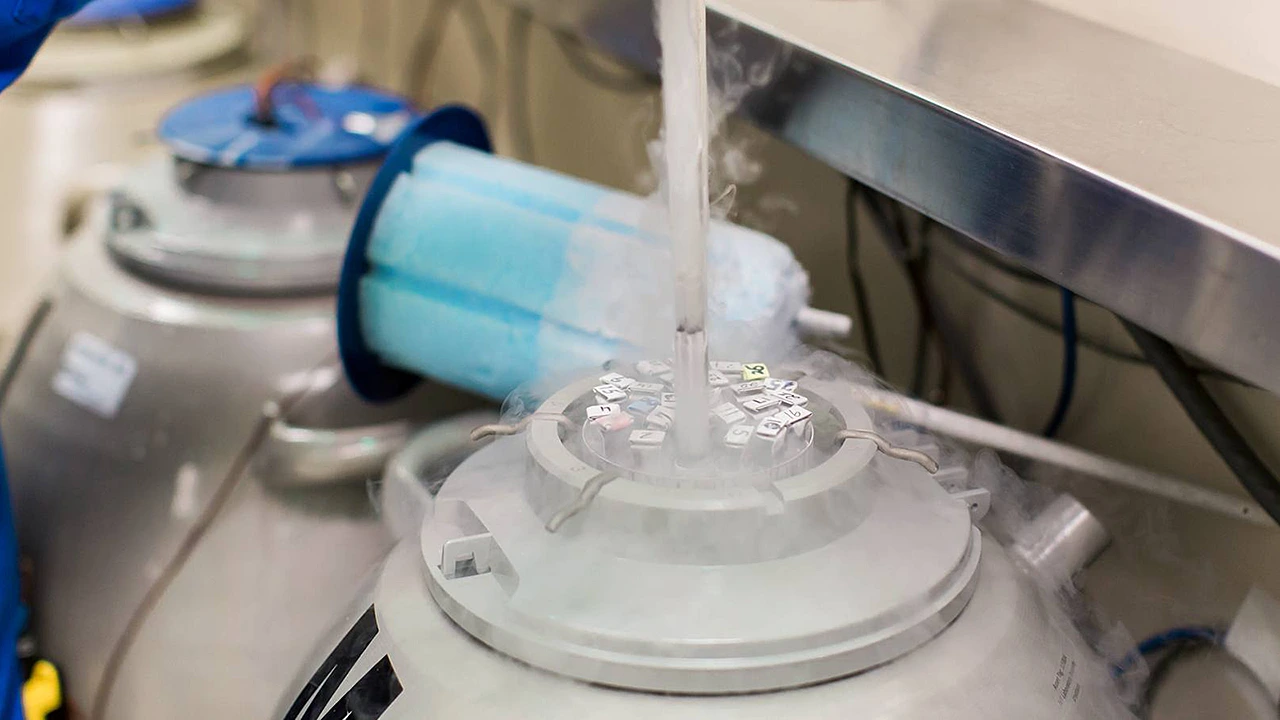
Egg freezing in UK is becoming an increasingly established fertility preservation option. This report examines the rise in egg-freezing activity, UK data, age-related factors, storage and utilisation, and why frozen eggs do not guarantee a future pregnancy. It explores what current evidence means for women considering fertility preservation and reproductive choices.
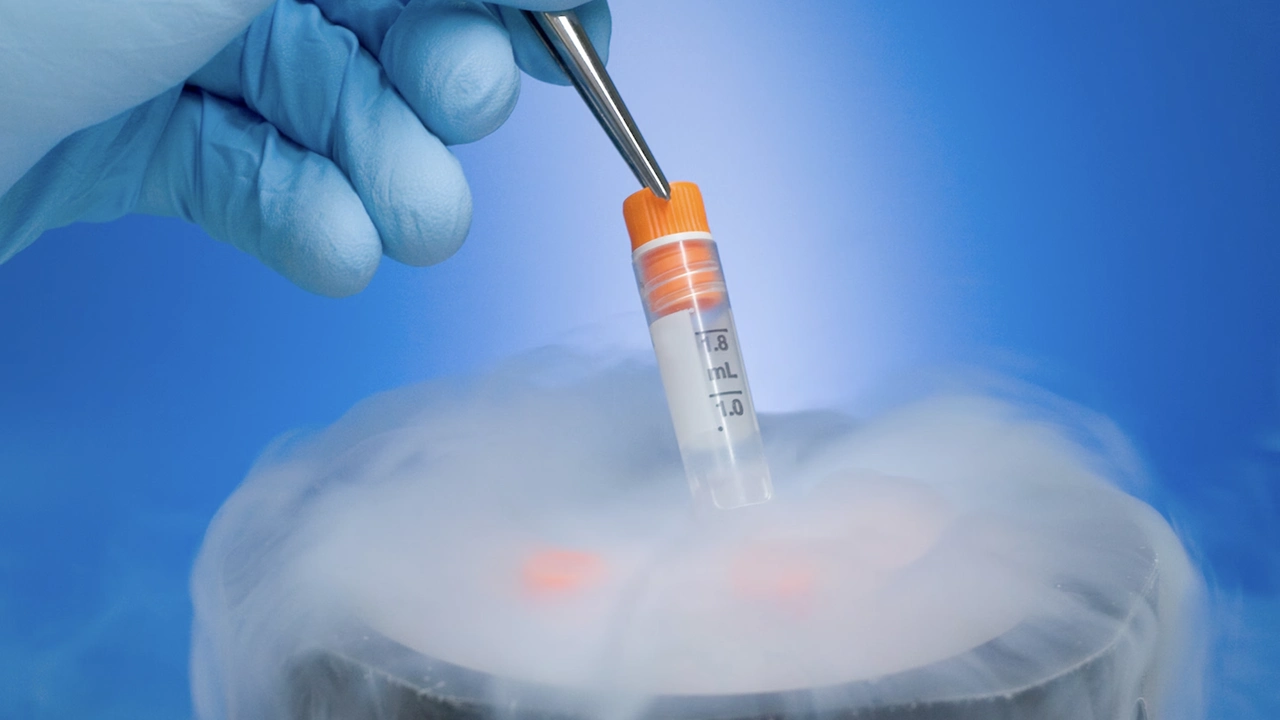
Frozen Egg Thawing survival rates average 80–90% with modern vitrification. Age at freezing is the biggest success factor, younger eggs fertilize better and develop stronger embryos. Banking 10–20 mature eggs improves live birth odds. ICSI remains the gold standard, with blastocyst transfer offering the highest implantation rates.
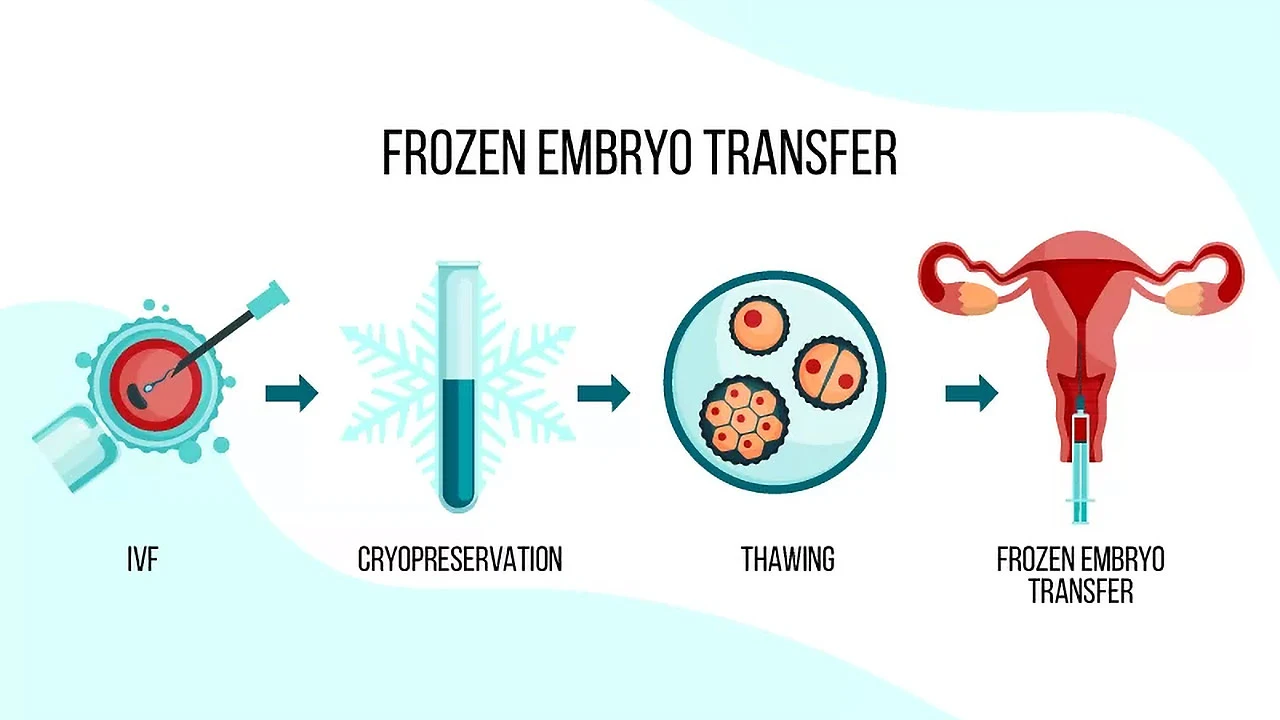
Frozen embryo transfer (FET) is a fertility procedure where previously created and frozen embryos are thawed and placed into the uterus. This comprehensive guide explains the FET process, success rates, benefits, and why it's become a preferred option for many people navigating infertility treatment and building their families.
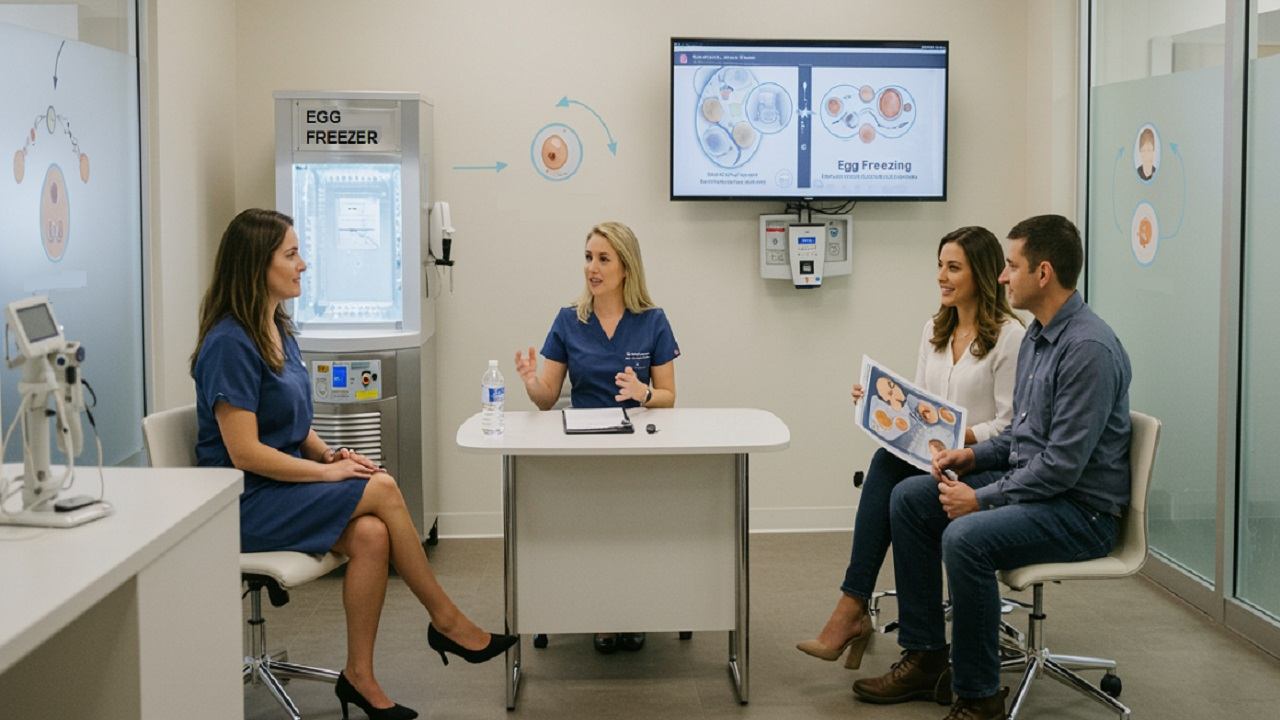
The vital role of fertility preservation and egg donation in helping women overcome reproductive challenges, allowing them to control their family planning. It highlights how these advancements in reproductive medicine enable women to preserve their fertility and access healthier eggs for future pregnancies.
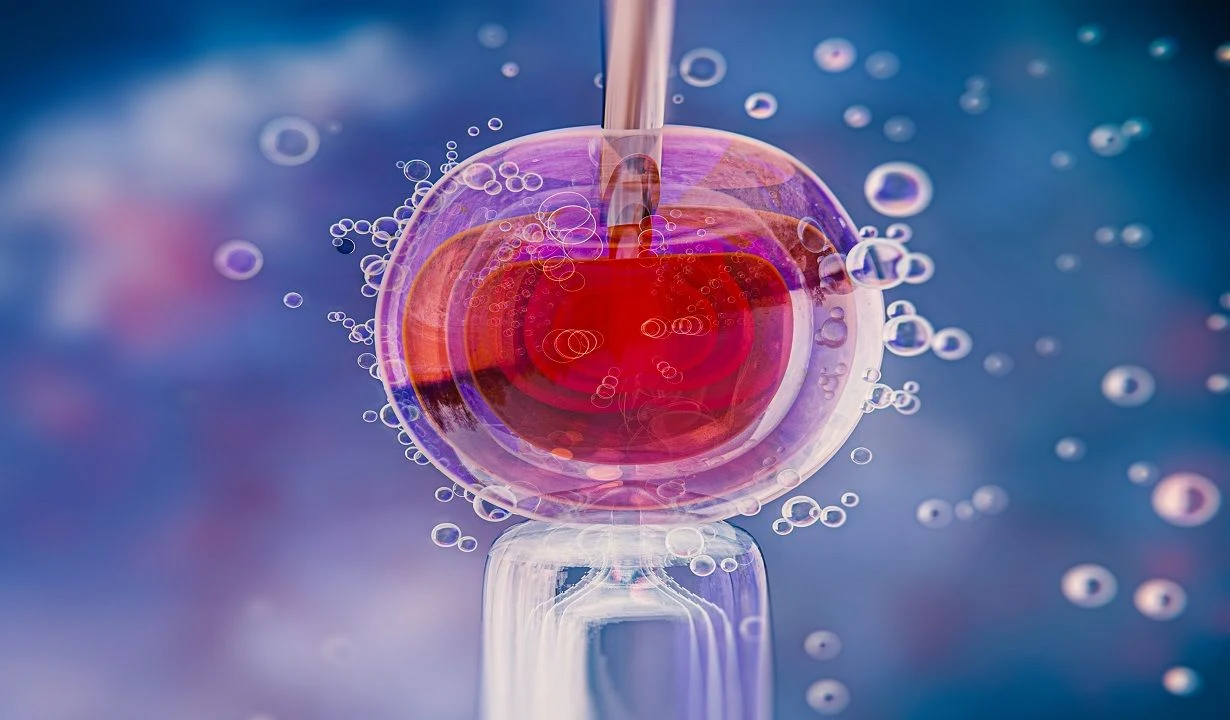
Egg freezing does not reduce natural fertility or ovarian reserve. This comprehensive guide examines how oocyte cryopreservation works, success rates by age, potential risks including OHSS, costs, and psychological benefits. Facts about preserving reproductive options while maintaining natural conception ability for career-focused and medically indicated fertility preservation.

The best age to freeze sperm and eggs depends on biology, fertility health, and personal choice. Experts recommend egg freezing before 35 and sperm freezing before 40 for stronger outcomes. Advances in technology and lifestyle factors also shape fertility preservation decisions.
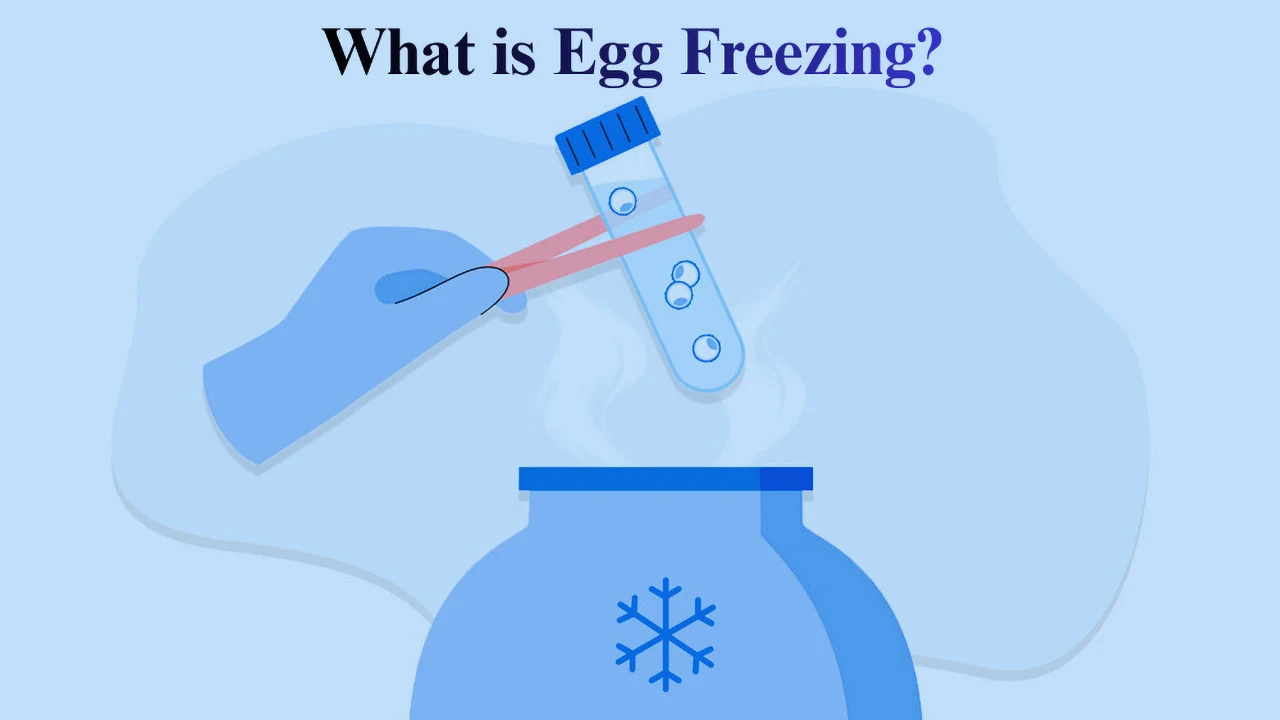
Egg freezing allows women to preserve their fertility by extracting, freezing, and storing eggs for future use. Whether postponing parenthood for career, personal reasons, or medical treatments, this comprehensive guide explains the process, costs, success rates, and who should consider this increasingly popular fertility preservation option.