Home
 ArticlesArticles
The In Vitro Fertilization (IVF) and Intracytoplasmic Sperm Injection (ICSI) laboratory plays a vital role in fertility treatments by creating optimal conditions for embryos. From controlled environments to genetic testing and cryopreservation, the IVF and ICSI laboratory ensures precision, quality, and success in every step, enhancing the chances of positive outcomes for patients.



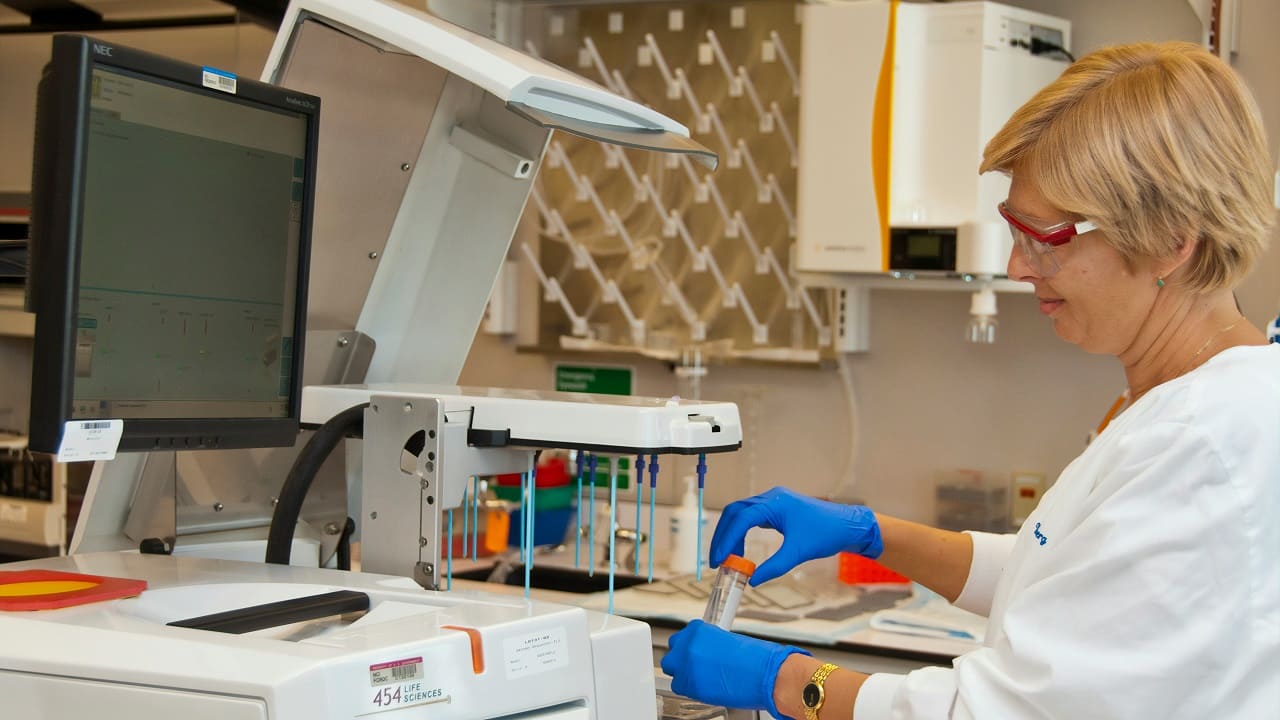
In-vitro fertilization (IVF) and intracytoplasmic sperm injection (ICSI) are two of the most effective assisted reproductive technologies (ART) used to help individuals and couples conceive. While much of the focus tends to be on the medical procedures themselves, one of the most critical aspects of both IVF and ICSI is the laboratory where embryos are cultured, monitored, and prepared for implantation. The laboratory environment, equipped with the latest technology and staffed by highly trained specialists, plays an indispensable role in ensuring the success of these treatments.

In IVF and ICSI laboratory procedures, the fertilization process occurs in the laboratory, and the embryos develop and grow in the laboratory before they are transferred to the uterus. The laboratory and its techniques can greatly influence these types of procedures.
One of the laboratory’s most vital functions is offering embryos a stable, controlled environment in which to grow. Embryos are highly sensitive to temperature, pH and oxygen level changes. Laboratories are meticulously regulated to replicate the settings inside the human body. An example is the incubators in IVF labs, which can be programmed to maintain the appropriate temperature (about 37°C) and oxygen levels necessary for embryo growth.
The clean room also protects embryos from environmental contaminants and harmful factors that can compromise growth. This includes systems that provide high-quality air filtration, maintain sterile conditions, and enforce strict cleanliness protocols, all of which help keep the lab environment free from any environmental contaminants.
After the eggs are retrieved and fertilized in the laboratory, the embryos must be cultured for several days and evaluated for optimal quality and development. The lab uses specialized media containing nutrients required for embryo growth. In addition, the culture media needs to be appropriately selected and designed, depending on the status of embryos from fertilization to blastocyst, where embryos are frequently transferred into the uterus.
Embryologists track the embryos, checking their progress and development with a microscope. Such monitoring is important for determining which one(s) of them to deliver. Opportunistic assessments mean that embryologists can determine the optimal timing of embryo transfers and freeze any remaining embryos for later.
The determination of the most viable embryos represents one of the most crucial steps in both IVF and ICSI laboratory processes. Embryologists evaluate embryos for morphology (shape and structure) in the lab, which is one of the most accurate indicators of embryo health. Embryos will develop for a set period of time, at which point the embryos will be assessed to select those likely to successfully implant.
To gain insight into the timing of embryonic development, embryologists were able to monitor embryo growth more closely using advanced technology such as time-lapse imaging systems. This process can assist in selecting the embryos that have the highest likelihood of resulting in a viable pregnancy.
ICSI (Intracytoplasmic Sperm Injection) is performed when male factors are the cause of infertility, such as low sperm count or low sperm quality; in ICSI, a single sperm is injected directly into an egg. This final step occurs in the lab, a precise and carefully controlled process. Fertilization happens through the use of sperm head injection, an advanced method performed by embryologists using powerful microscopes and micro-manipulation tools. To have a high enough degree of precision required to have this type of work environment, all the while not compromising the integrity of the environment from the equipment to the temperature of the laboratory, is of utmost importance to prevent the possibility of any error or issues.
The embryologist plays a crucial role in the procedure by performing ICSI processing, which significantly increases the chances of success. But precision is crucial, as the sperm needs to be injected into the egg without harming either cell. While the sperm and egg meet in the uterus, the laboratory plays an essential role in this process to ensure they are in the best possible conditions for fertilization to happen.
However, genetic screening of embryos for inherited conditions or chromosomal abnormalities is now commonplace with modern IVF procedures. This laboratory procedure, called preimplantation genetic testing (PGT), screens embryos before transfer into the uterus.
Laboratories can examine embryos for genetic disorders using technologies such as fluorescence in situ hybridization (FISH) or next-generation sequencing (NGS), allowing them to only choose the healthiest embryos for transfer. It can also work to prevent the transfer of genetic diseases and increase the chance of a healthy pregnancy. Embryos that are screened for genetic abnormalities show a remarkably high success rate, and this is a pivotal advance in IVF and ICSI laboratories.
Not all embryos from an IVF or ICSI cycle are transferred immediately. Many clinics offer the option of freezing excess embryos for future use. The laboratory plays a vital role in the freezing (cryopreservation) process. The embryologist ensures that the embryos are frozen at the correct stage of development and that the freezing process is done carefully to prevent any damage.
Frozen embryos can be viable for years when stored for future use, allowing for the possibility of pregnancy in future cycles without the need for more IVF. The laboratory's successful cryopreservation and thawing techniques maintain the health and intactness of those embryos when used for future treatment.
The laboratory’s safety and quality control protocols are essential to achieving higher success rates. Rigid protocols make it certain that each detail related to the IVF and ICSI laboratory processes, starting with egg retrieval and ending with embryo transfer, is more than faithfully performed. These laboratories are held to global standards and undergo routine inspections and audits to ensure that they uphold these high standards.
This means the lab will have systems to ensure that eggs, sperm, and embryos are properly identified and that there's no oops-there-goes-an-embryo mix. In addition, the lab will be equipped with backup systems for power and temperature control to avoid any interruptions that may adversely impact the embryos.
The lab plays a critical role in the IVF and ICSI laboratory process, a role that should never be underestimated. It sets up the perfect environment for embryos to grow and offers various surgical methods, like ICSI and genetic testing, ensuring that each part of the process is done very carefully. Physician statement by Embryologists and laboratory technologists Embryologists' skill and access to modern lab technology have an essential role in the success of these methods.
The laboratory plays a vital role in delivering the joy of parenthood to many through diligence, maintained standards of care, assessment of technique, and the use of technology.


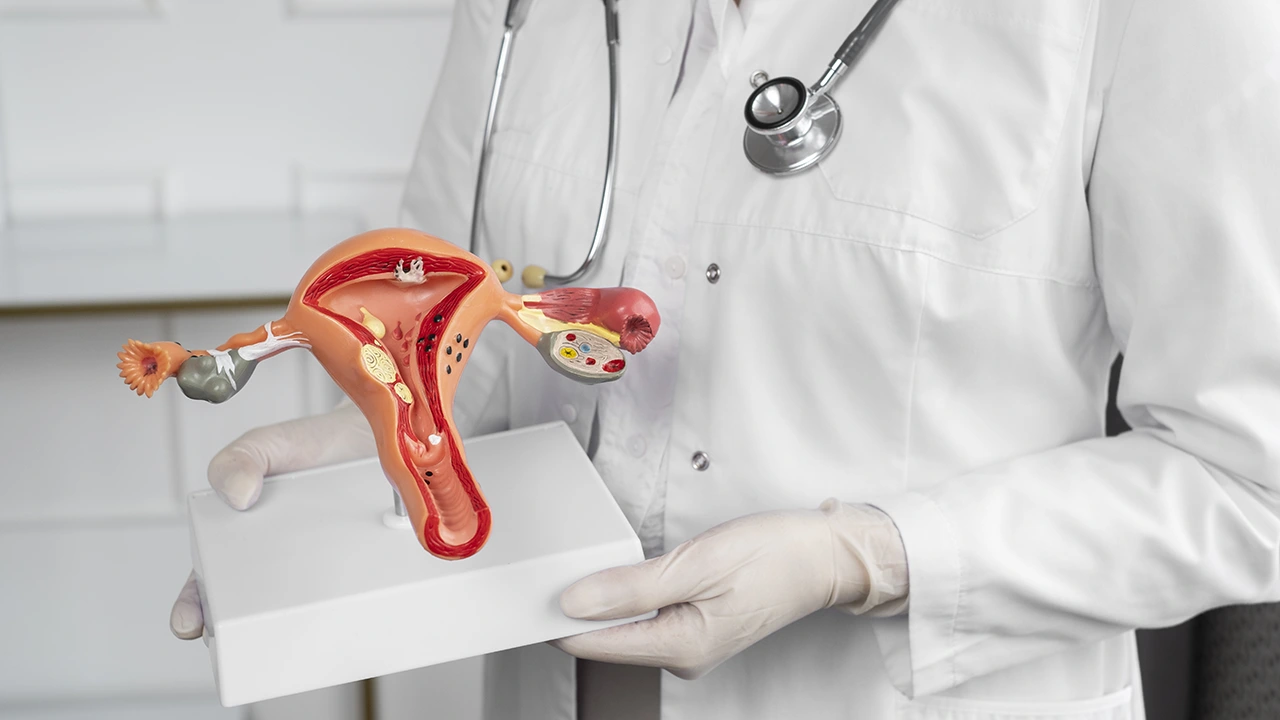
Womb transplantation is giving women with absolute uterine factor infertility the chance to carry and deliver their own child. This article explains how the process works from donor to delivery, who may be suitable, the risks involved and what recent births from living and deceased donors mean for patients.

Advanced female age causes fertility decline through reduced egg quantity, increased chromosomal abnormalities, and mitochondrial dysfunction. Understanding these biological mechanisms helps women make informed family planning decisions. Modern fertility treatments including IVF, preimplantation genetic testing, and egg freezing offer practical solutions to overcome age-related reproductive challenges when trying to conceive.
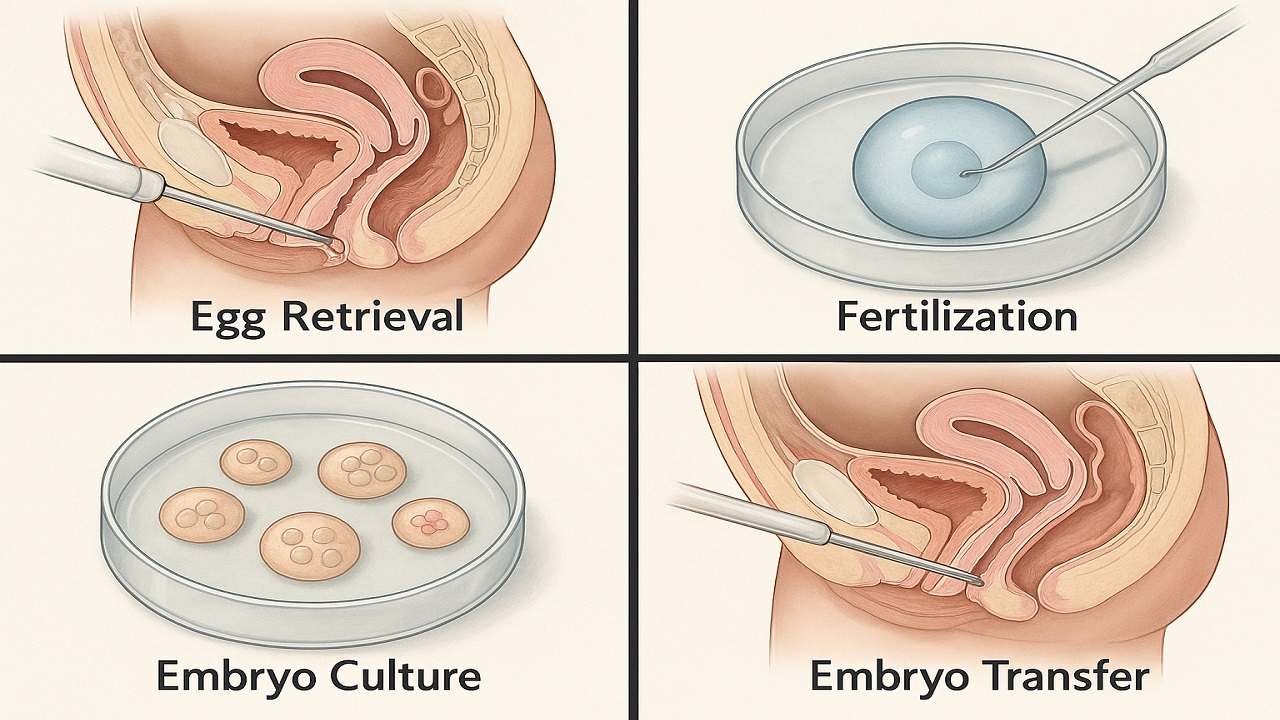
In Vitro Fertilization (IVF) process step by step, emphasising the importance of various stages such as ovarian stimulation, egg retrieval, fertilization, and embryo transfer in maximising the In Vitro Fertilization (IVF) Success Rate. It highlights how a thorough understanding of the procedure can prepare couples and individuals for their In Vitro Fertilization(IVF) journey, ultimately improving their chances of achieving a successful pregnancy.

Vitamin D Deficiency Affect IVF outcomes by influencing endometrial receptivity, embryo quality, and hormone balance. Clinical evidence, age-specific risks, and PCOS implications, while offering actionable strategies to optimize Vitamin D levels and improve IVF success rates and pregnancy outcomes in a structured, patient-focused approach.
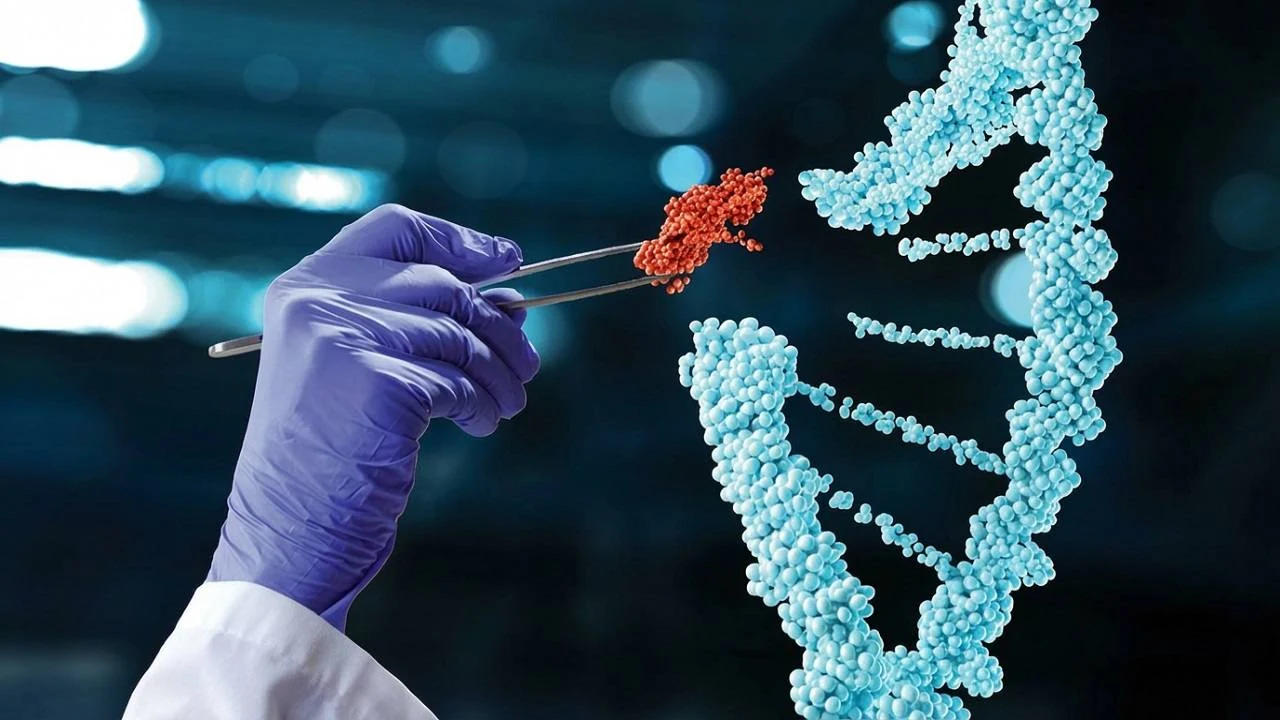
Preimplantation Genetic Testing (PGT) revolutionizes IVF by screening embryos for chromosomal abnormalities and genetic disorders before transfer. This advanced technology increases pregnancy success rates, reduces miscarriage risk, prevents inherited diseases, and shortens time to pregnancy while providing diagnostic clarity and reducing emotional stress for couples.

Clinical evidence increasingly demonstrates that emotional stress or grief reduces the chances of IVF success through sophisticated biochemical pathways that directly influence reproductive physiology. This relationship extends far beyond simple correlations, revealing profound mechanistic connections between psychological distress and the delicate orchestration of hormonal events essential for successful conception.
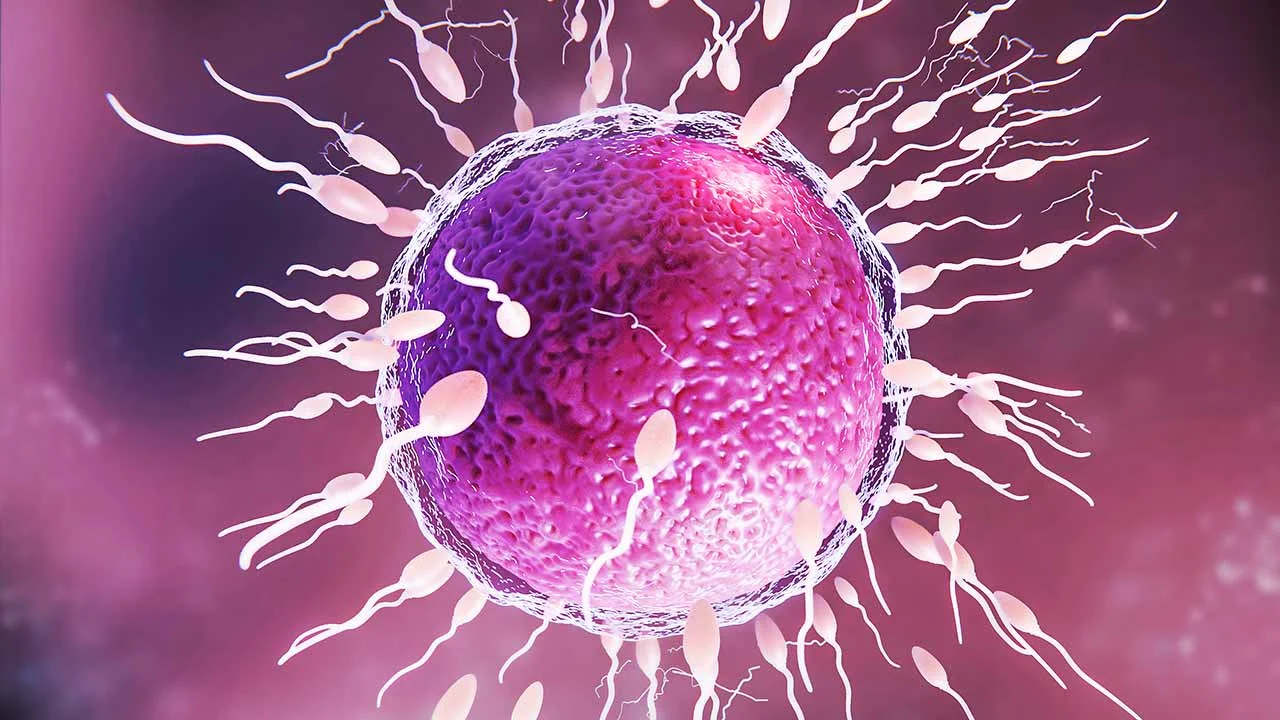
IVF in 2025 is shifting from hype to evidence-based innovation. As precision, automation, AI, and genetic advances reshape fertility care, patients must distinguish proven breakthroughs from outdated add-ons. This guide examines five groundbreaking IVF technologies in 2025 to understand which advances genuinely improve outcomes