Home
 ArticlesArticles
The history and inception of Intracytoplasmic Sperm Injection (ICSI) began with early advancements in micromanipulation, leading to its first successful use in the 1990s to treat male infertility. The history and inception of ICSI revolutionized assisted reproduction, offering hope to couples by enabling fertilization even in cases of severe sperm-related challenges.




ICSI (Intracytoplasmic Sperm Injection) is a revolutionary assistive reproductive technology (ART) that has changed the landscape of addressing male infertility. It comprises the injection of a single sperm directly into the egg to promote fertilization. The most common situation in which this method is used involves male infertility characterized by low or non-viable sperm, particularly when traditional in vitro fertilization (IVF) techniques are ineffective.
The history and inception of ICSI date back to the early 1990s, when this groundbreaking ART method revolutionized male infertility treatment and provided hope for couples with infertility-related problems, especially for those with male-factor infertility.
The history and inception of ICSI can be traced to the advancements in IVF during the 1970s and 1980s, ultimately leading to its breakthrough in the 1990s. The birth of Louise Brown in 1978, the first baby ever conceived through In vitro fertilisation (IVF) in Britain, marked a breakthrough in medical science. IVF means fertilising an egg outside of the body, after which it is implanted into the woman’s uterus. But in traditional IVF, the sperm had to fertilize the egg by itself, not always a triumphant process, especially in cases of malefactors.
Male infertility is often due to low sperm count (oligospermia), poor sperm motility (asthenospermia), or sperm abnormalities (teratospermia). These conditions made it difficult for sperm to reach and naturally fertilize an egg in the course of In vitro fertilization (IVF), and traditional techniques were unable to circumvent these barriers. This showed a need for a more specific and reliable method.

The history and inception of ICSI are closely tied to subzonal insemination (SUZI), an earlier technique attempted in the late 1980s. First successfully demonstrated in the early 1990s by Belgian scientists Andre Van Steirteghem and Patrick Vandaele at Vrije Universiteit Brussel (VUB), ICSI was developed in response to male infertility challenges. Unlike SUZI, which involved injecting sperm beneath the zona pellucida, ICSI involved directly injecting sperm into the egg cytoplasm, making it a more effective solution for severe male infertility.
The VUB team's development of an ICSI was the real breakthrough. With intracytoplasmic sperm injection (ICSI), instead of just depositing sperm near the egg, we select one, hold it in place using a tiny needle, and push it directly into the egg cytoplasm. This direct injection means fertilization is possible, even under conditions of catastrophic sperm quality.
In 1992, ICSI led to the first successful pregnancy when it was used for a couple where the male partner had extremely low sperm count and motility. This was something of a landmark: it showed that a sperm that would not be able to fertilize an egg on its own could still fertilize it if it used all the new techniques.
Following the publication of the first ICSI pregnancies in the 1990s, ICSI garnered significant attention and rapidly expanded its use in assisted reproduction. By 1993, ICSI was being used in fertility clinics around the globe, providing new hope for men with male-factor infertility.
The first ICSI babies were born in 1993, ushering in a new era in reproductive medicine. It was first used in cases of extreme male infertility, like azoospermia (absence of sperm from the ejaculate), but was also soon being used in less extreme cases where sperm quality wasn’t as satisfactory as would be desired.
In the coming years, ICSI became a routine treatment for male infertility and was included in standard operating procedures in IVF clinics. Although the success rates for pregnancies attained by ICSI were similar to those achieved through conventional IVF, Percel noted that with ICSI, fertilization could also take place even if the sperm were unable to do it naturally.
ICSI revolutionized the field of infertility beginning in the 1990s. It provided an effective treatment for a wider range of male infertility problems and, most importantly, gave couples with previously untreatable infertility conditions a chance to get pregnant. The procedure also permitted sperm preservation, which made it an important option for men facing cancer treatments or other medical procedures that could impact fertility.
For two decades, the technology behind ICSI has been evolving. The development of sperm retrieval techniques, such as percutaneous epididymal sperm aspiration (PESA) and testicular sperm extraction (TESE), has also extended the potential of ICSI to men with sperm-producing illnesses such as obstructive azoospermia and non-obstructive azoospermia.
ICSI has undoubtedly assisted many couples to conceive; however, the technique has also raised ethical concerns, including those relating to human gamete manipulation and potential long-term consequences for offspring. Studies on the long-term outcomes of ICSI-conceived children exist, and although the bulk of the evidence suggests no significant differences between children conceived via ICSI and those conceived naturally, the debate continues to monitor for possible risks.
The potential for genetic disorders also raises concerns, as the sperm can be selected directly by ICSI, but it can still lead to the introduction of existing genetic problems if the sperm is abnormal. Genetic screening methods, including preimplantation genetic testing (PGT), are now available and can significantly reduce the risks of passing on conditions that may ultimately result in the birth of children with genetic diseases.
In the 1990s, the creation of ICSI brought a new, life-changing option for couples facing male infertility challenges. It offered solutions that had previously felt insurmountable and paved the way for novel fertility treatments. It started humbly but has become widely popular over the years and remains one of the most thriving ART techniques of all time.
Today, ICSI is a routine procedure in fertility clinics, enabling millions of couples to have children despite infertility. Its invention in the 1990s revolutionized assisted reproduction and remains an essential component of infertility treatment.



The innovative solution of Intracytoplasmic Sperm Injection (ICSI), designed to tackle male infertility challenges such as low sperm count and poor motility. ICSI creates new opportunities for couples who are eager to start a family by directly injecting a single sperm into an egg. Discover how this groundbreaking technique is transforming the landscape of reproductive medicine and offering hope to those facing infertility.
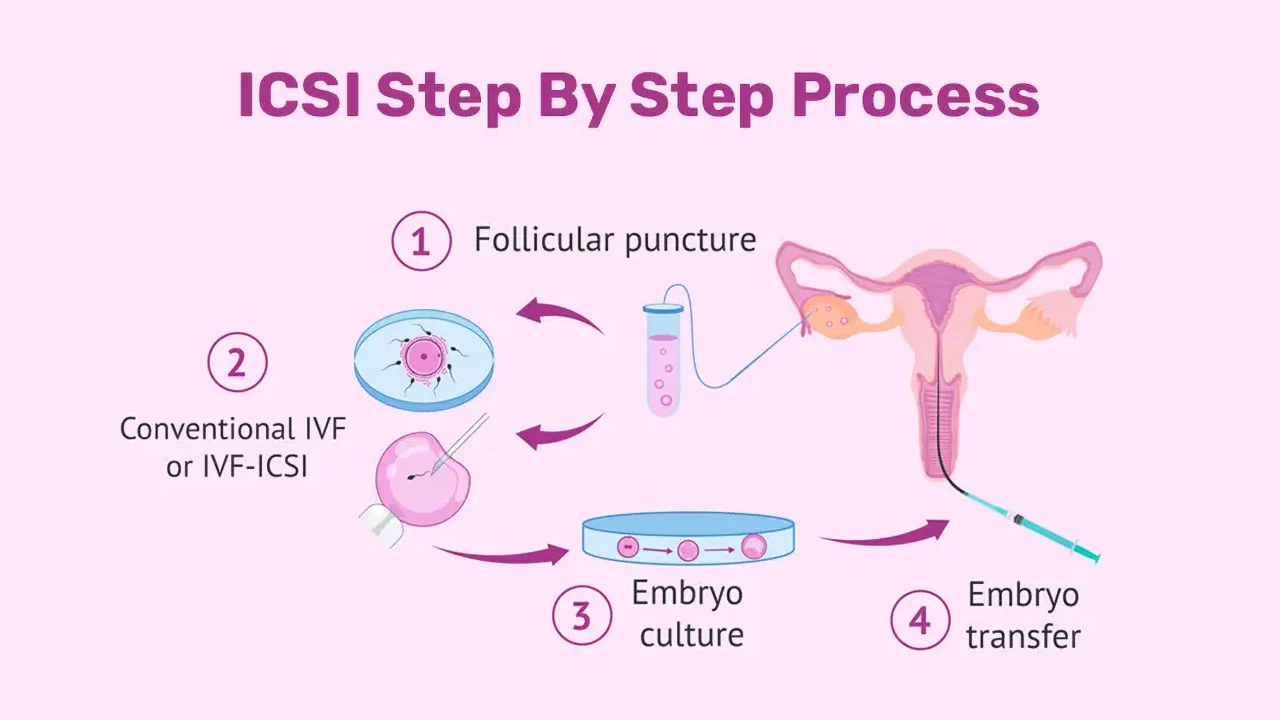
ICSI (Intracytoplasmic Sperm Injection) is an advanced fertility treatment where a single sperm is injected directly into an egg. This procedure helps couples overcome male infertility challenges like low sperm count or poor motility, offering hope for biological parenthood when conventional IVF methods aren't successful.
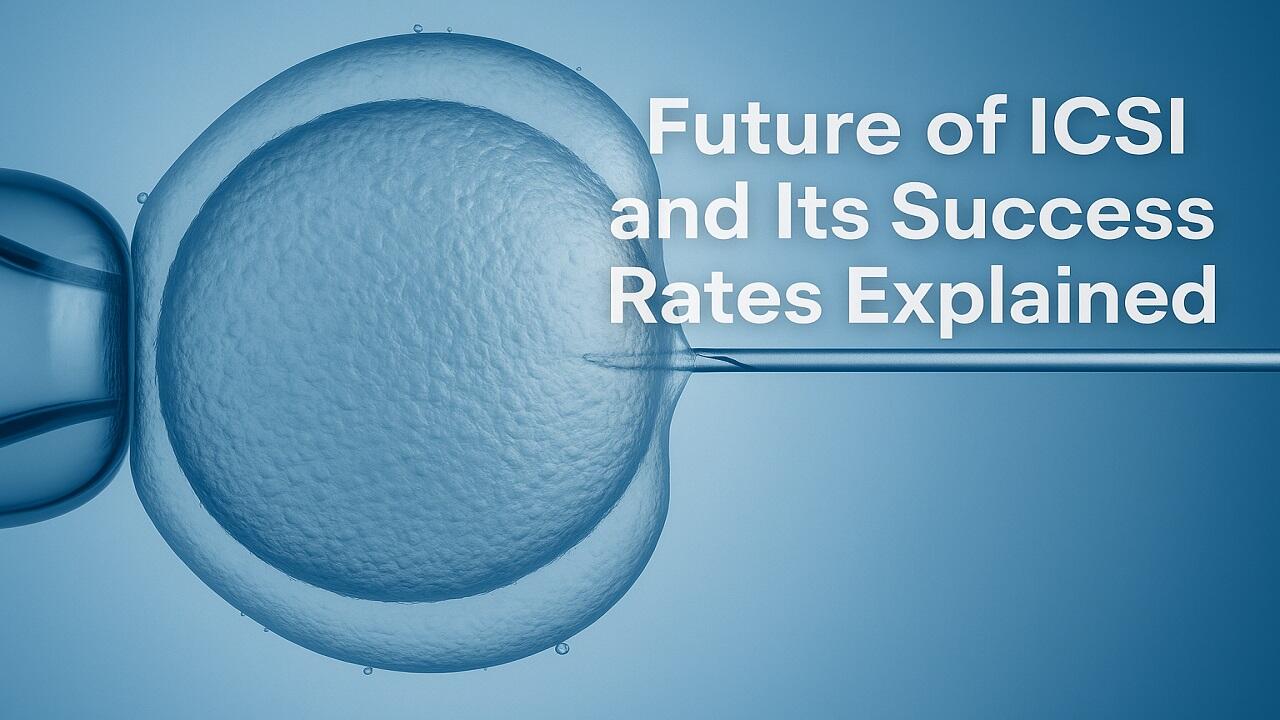
The article discusses "The Future of ICSI", emphasizing advancements like new sperm selection technologies, genetic screening, and stem cell research, all improving success rates and treatment effectiveness. These innovations are making Intracytoplasmic Sperm Injection (ICSI) a more promising solution for couples facing male infertility.

Intracytoplasmic Sperm Injection (ICSI) has transformed Male Infertility Treatment, enabling men with severe fertility issues to conceive biological children. By allowing even the weakest sperm to fertilize an egg, ICSI has significantly improved success rates in Male Infertility Treatment and provided new hope for couples facing infertility challenges.
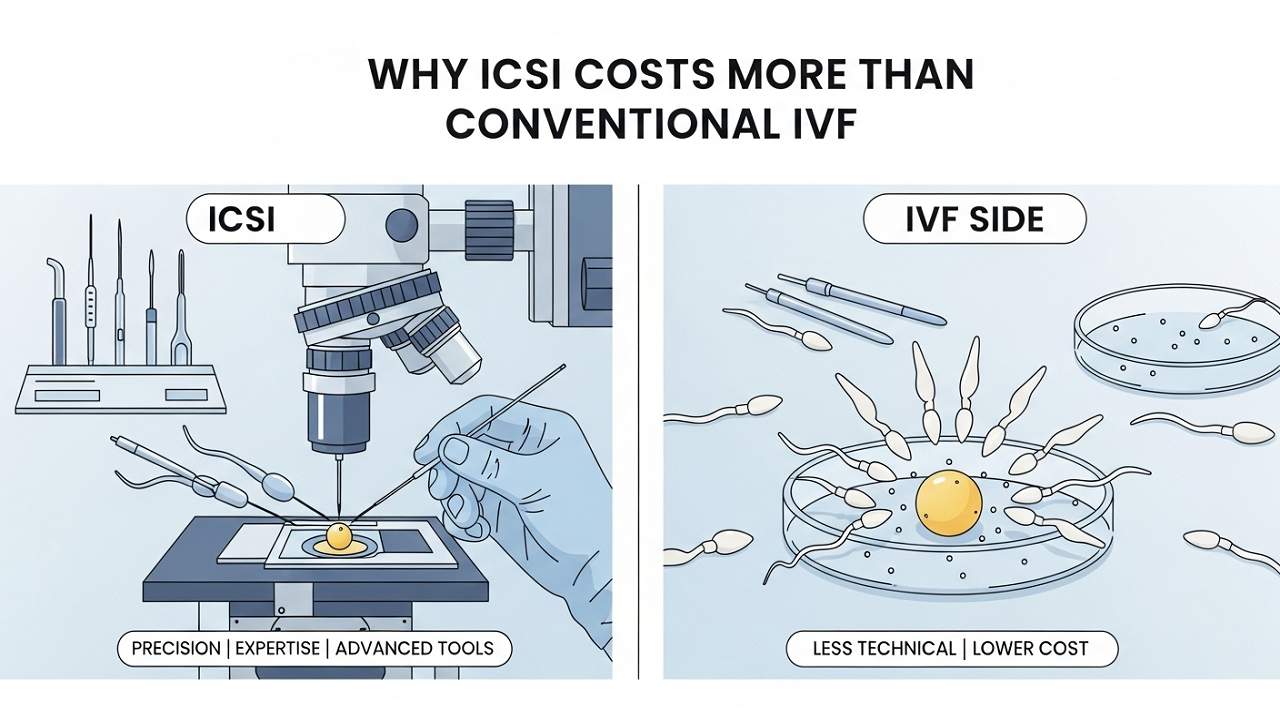
The Intracytoplasmic Sperm Injection (ICSI) procedure, where a single sperm cell is injected directly into an egg, a specialized form of In Vitro Fertilization (IVF), is typically more costly due to its complexity, requiring skilled embryologists and specialized equipment. It is particularly beneficial for couples facing male infertility issues, as it increases the chances of fertilization and successful pregnancies.

Mental health during fertility treatments is vital to cope with stress, anxiety, and emotional ups and downs. By focusing on self-care, resilience, and fostering hope, individuals can navigate challenges and maintain their mental health during fertility treatments while building a positive outlook for their fertility journey.