Home
 ArticlesArticles
Global Fertility Tourism is reshaping the IVF industry as nations harness innovation, policy support, and affordability to attract international patients. With improving access and advancing technologies, fertility travel is set to drive long-term growth in assisted reproduction and define the global IVF landscape by 2030.




Medical tourism has fundamentally transformed how couples access assisted reproductive technologies, creating a sophisticated hierarchy of destinations where treatment affordability, clinical excellence, regulatory permissiveness, and patient experience converge. The fertility tourism landscape, valued at approximately USD 400 million and projected to expand at 30% annually, reveals a clear ranking of preferred destinations, each occupying distinct market positions based on cost structures, clinical capabilities, and unique competitive advantages.
The Czech Republic has established itself as the ultra-low-cost European fertility destination, consistently offering the lowest IVF treatment prices while maintaining exceptional quality standards. Basic IVF cycles start at USD 3,500, a staggering 77% reduction compared to American pricing. Donor IVF cycles, typically USD 5,000-5,500, remain dramatically more affordable than Western European alternatives.
This aggressive pricing strategy stems from several factors. The Czech Republic's health care system operates on lower cost structures than Western Europe, enabling clinics to pass savings to international patients while maintaining profit margins. Prague houses the largest concentration of IVF clinics in the country, with internationally recognized facilities establishing reputational excellence.
The country's legal framework permits anonymous egg and sperm donation, a critical advantage attracting patients from Northern European countries with restrictive donor anonymity laws. Many Czech clinics explicitly market to English-speaking patients, ensuring smooth communication and hassle-free experiences for international visitors. Success rates remain competitive, typically ranging from 29.7% for women under 34 to 8.9% for those 40 and older.
Medical tourism economics have made Czech Republic fertility clinics extremely efficient operators. High-volume international patient processing, standardized protocols, and economies of scale allow clinics to maintain profitability at prices Western Europe cannot match. The combination of affordability, legal permissiveness, and reliable quality creates an ideal entry point for cost-conscious patients unfamiliar with international fertility tourism.
Greece positions itself differently than the Czech Republic, offering lower costs than Western Europe while emphasizing warmth, accessibility, and personalized patient care. Basic IVF cycles cost USD 4,000, with donor cycles at USD 6,000, substantially cheaper than Spain or the United Kingdom while maintaining strong clinical standards.
The Greek National Authority of Assisted Reproduction ensures strict facility regulation, guaranteeing ethical practices and high-quality standards. Athens and Thessaloniki house advanced fertility centers featuring European protocol labs and experienced specialists. Success rates rival or exceed European averages, with particularly strong outcomes for egg donation cycles.
What distinguishes Greece from other low-cost destinations is the deliberate emphasis on patient experience. Greek clinics emphasize minimal waiting times, favorable legal conditions for gamete donation, and "hospitable culture, including travel help and emotional care" that enhances patient satisfaction. This patient-centered approach appeals to couples who view fertility treatment not merely as a medical transaction but as a significant life journey requiring emotional support and personalized attention.
Greece attracts patients primarily from restrictive Northern European markets and the United Kingdom, creating established patient referral networks. The country's appeal as a broader Mediterranean tourism destination further enhances positioning, patients combine fertility treatment with vacation experiences, reducing the psychological burden of medical procedures.
The United Kingdom occupies a distinctive position, offering premium quality care at mid-European pricing levels. Basic IVF treatments cost USD 6,000, with donor cycles at USD 10,000. These prices represent 60% savings versus American treatment while exceeding Czech or Greek pricing, reflecting the premium positioning of British fertility care.
The United Kingdom's fertility market benefits from English-language prevalence, established international referral networks, and recognition for excellent clinical outcomes. The National Health Service provides varying fertility treatment support depending on regional eligibility criteria, enabling some patients to access partially subsidized treatment supplemented by private care.
This hybrid public-private ecosystem allows international patients to combine NHS advantages with private clinic flexibility. Success rates remain competitive, with transparent reporting enabling meaningful patient comparisons. The combination of reliable quality, English-language infrastructure, and mid-range pricing appeals particularly to affluent English-speaking patients from Commonwealth nations and Northern Europe unwilling to travel as far as Eastern European destinations.
Spain occupies the apex of European fertility tourism through a combination of progressive legislation, abundant donor availability, high treatment volume, and established international patient infrastructure. The country performs over 149,000 fertility treatments annually, with 35% serving international patients. This enormous volume has created sophisticated patient management ecosystems, including multilingual staff, international patient coordinators, and established travel partner relationships.
Spain's basic IVF costs range from USD 5,000 to USD 11,500, representing 23-67% savings versus U.S. pricing despite commanding premium positioning within European markets. Donor egg cycles operate at USD 8,250, with egg freezing services at USD 3,500-4,700. These prices enable Spain to capture affluent international patients from the United States, Australia, and Canada willing to pay more for premium experiences.
The country's regulatory framework explains much of Spain's competitive dominance. Spanish law permits anonymous egg and sperm donation, creating abundant donor availability that many patients cannot access in home countries. Critically, Spain allows single women and same-sex couples to pursue fertility treatment without legal restrictions. These legal permissiveness factors position Spain ideally for underserved patient populations unable to access treatment domestically.
Major Spanish fertility centers Instituto Bernabeu, IVI (Instituto Valenciano de Infertilidad), and Clinica Tambre have achieved international recognition through cutting-edge research, high success rates, and patient-centric care. These institutions generate substantial foreign exchange while showcasing Spanish healthcare capabilities. Cities like Barcelona, Madrid, and Valencia host internationally accredited facilities with established reputations for excellence.
Spain's market value generation from fertility tourism demonstrates the commercial significance of this positioning. The estimated USD 1.2 billion in annual market value substantially reflects international patient revenue, making fertility tourism a meaningful economic sector contributing to regional development and employment. Government recognition of this economic importance has created supportive policy environments encouraging clinic investment and patient recruitment.
India represents the most dynamically expanding fertility tourism destination, combining explosive growth trajectories with dramatic cost competitiveness. Basic IVF cycles cost USD 4,000, with donor cycles at USD 5,750 approximately one-quarter to one-third of American pricing. This extreme affordability, coupled with world-class medical infrastructure in major cities, positions India as an attractive destination for middle-income and upper-middle-income patients globally.
The Indian fertility market, valued at USD 2.35 billion in 2024, is projected to reach USD 5.03 billion by 2034 representing a remarkable 13.5% compound annual growth rate. This acceleration reflects multiple convergent factors: 30 million Indian couples facing infertility, with only 10% receiving proper treatment, creating massive untapped domestic demand; rising middle-class healthcare spending driving domestic growth, improving clinical infrastructure through private equity investment; and increasingly supportive regulatory frameworks, including the Assisted Reproductive Technology (Regulation) Act of 2021.
Major Indian fertility centers, Nova IVF Fertility, Indira IVF, and SCI IVF Hospital, have positioned themselves for international patient attraction through sophisticated marketing, English-speaking specialists trained abroad, advanced laboratory equipment, and comprehensive patient support services. These institutions provide competitive advantages enabling treatment volume expansion without sacrificing quality standards.
India's international patient attraction derives fundamentally from its position as an affordable, high-quality alternative for patients from the Middle East, Africa, and even Western nations seeking maximum cost efficiency. The country's Assisted Reproductive Technology (Regulation) Act of 2021 established comprehensive standards for clinic registration, practitioner certification, and patient protection, creating regulatory clarity that encourages investment and market development. Several Indian states offer subsidized IVF treatments for low-income couples through government schemes, though comprehensive national coverage remains limited.
Venture capital investment has accelerated India's market development. India IVF secured USD 1.25 million in pre-Series A funding to expand tech-enabled fertility platforms across underserved regions. Arva Health raised USD 1 million in pre-seed funding to develop patient-centric fertility clinics. Pozitivf secured USD 20 million to build accessible IVF services and address human capital shortages through dedicated training programs. This investment surge signals conviction in India's long-term fertility tourism potential.
Turkey positions itself as a bridge between European and Asian fertility markets through strategic geographic location, competitive pricing, and government-backed medical tourism infrastructure. Istanbul serves as the center of advanced assisted reproduction with comprehensive services, high-tech equipment, and multilingual staff. Basic IVF costs approximately USD 4,000, while comprehensive packages include accommodation and coordination services.
Turkey's fertility tourism appeal stems from several factors: relaxed visa policies facilitating international patient entry, government support for medical tourism development, modern facilities, competitive pricing, and geographic positioning attracting patients from Europe, the Middle East, and Asia. Turkish Airlines' integration of medical tourism support further facilitates patient travel coordination.
The country's position as a regional hub creates natural patient flows from surrounding geographies where fertility treatment options are limited or prohibitively expensive. Turkey captures patients from the Middle East, Eastern Europe, and Central Asia seeking high-quality treatment at accessible prices with easy accessibility.
Thailand has positioned itself as an upscale medical tourism fertility destination, emphasizing luxury patient experiences and advanced technologies. IVF treatment packages range from USD 9,800 to USD 18,800, representing all-inclusive offerings that bundle treatment, accommodation, and travel logistics. While more expensive than the Czech Republic or India, Thailand's pricing remains substantially cheaper than U.S. treatments while offering premium experiences unavailable in lower-cost destinations.
Thailand's fertility tourism competitiveness stems from several factors: excellent success rates rivaling leading international centers, government support for medical tourism infrastructure, multilingual staff, modern facilities following international standards, and integration of treatment with broader tourism experiences. Bangkok hospitals with international accreditation market comprehensively to international patient populations, particularly from Australia, the United States, Europe, and Asia.
The Thai medical tourism ecosystem has matured considerably, with established transportation, accommodation, and patient coordination infrastructure supporting seamless international treatment experiences. Tour operators and travel agencies have incorporated fertility treatment packages into broader medical tourism offerings, packaging treatment with vacation opportunities that reduce psychological burden and create opportunities for partner involvement in recovery periods.
Thailand's market value from fertility tourism reflects this premium positioning. Estimated at USD 800 million in 2024, projected to reach USD 1.5 billion by 2030, Thailand captures patients prioritizing experience quality and comprehensive patient support alongside cost efficiency. This positioning creates different patient demographics than ultra-low-cost destinations, typically affluent international patients willing to pay premium prices for personalized service.
The United Arab Emirates has established itself as a specialized premium fertility destination emphasizing advanced technologies and luxury patient experiences. Basic IVF costs approximately USD 12,500, with donor cycles at USD 15,000, representing premium pricing reflecting premium positioning. Despite expensive pricing, the UAE's fertility services attract affluent patients from the Middle East, Europe, and North America seeking specialized capabilities.
The UAE's distinctive competitive advantage centers on regulatory permissiveness regarding certain procedures. Dubai and Abu Dhabi permit preimplantation genetic testing and gender selection procedures (for family balancing purposes) that are unavailable in many other markets. This regulatory flexibility, combined with world-class facilities, attracts patients seeking specific capabilities unavailable domestically.
The Emirate's positioning as a regional medical hub, combined with luxury travel infrastructure and premium hospitality, creates an ecosystem appealing to wealthy international patients. The integration of flexible payment options, including bank loans and hospital-provided EMI (equated monthly installment) plans, enhances treatment accessibility despite high pricing.
The UAE fertility market, valued at USD 310 million in 2024 with projections to reach USD 430 million by 2030, reflects this specialized positioning. Rather than competing on volume or ultra-low cost, the UAE captures premium-experience patients, prioritizing advanced technology access and luxury service delivery over affordability optimization.
Mexico has emerged as a significant fertility tourism destination, capitalizing on proximity to the United States, cost competitiveness, and modern clinical infrastructure. Basic IVF cycles cost USD 8,750, with donor cycles at USD 9,500, representing 42% savings versus American pricing while remaining significantly cheaper than Western Europe. Cancun, Mexico City, and other urban centers host internationally certified clinics with specialists trained abroad.
Mexico's competitive advantage centers on geographic proximity to North America, enabling faster travel, shorter stays, and easier follow-up care for U.S. and Canadian patients. The country's favorable legal systems regarding donor egg and sperm availability create additional attraction. Many Mexican clinics explicitly market to American and Canadian patients through English-language marketing, establishment of international referral networks, and fast appointment scheduling.
The Mexican medical tourism infrastructure has matured to support substantial international patient flows. Government initiatives promoting medical tourism, combined with private clinic investment, have created sophisticated patient coordination systems. Mexico captures particular appeal among cost-conscious North American patients unwilling to travel internationally beyond Latin America or seek treatment from Spanish-speaking providers.

The global fertility tourism hierarchy reflects sophisticated tradeoffs between cost, quality, legal permissiveness, and patient experience. Ultra-low-cost destinations (Czech Republic, Greece, and India) prioritize price efficiency and legal permissiveness for underserved patient populations. Premium European hubs (Spain, United Kingdom) balance quality reputation with international patient infrastructure. Emerging markets (India, Thailand) scale rapidly through investment and modernization. Specialized premium destinations (UAE) serve niche affluent populations seeking specific capabilities.
Patients selecting destinations navigate complex decision-making frameworks. Cost-conscious couples from restrictive legal environments might prioritize Spain or Greece for legal permissiveness despite higher prices. Affluent North American patients might prefer Thailand's premium experiences or Mexico's geographic proximity despite higher costs than Eastern Europe. International patients from the Middle East might gravitate toward the UAE's regulatory flexibility or India's cost efficiency.
This hierarchical structure will likely persist through 2030 as medical tourism destinations continue specializing along distinct competitive dimensions. Rather than convergence toward homogeneous offerings, increased differentiation should occur, with ultra-low-cost providers competing intensely on efficiency, premium destinations emphasizing cutting-edge technology and patient experience, and emerging markets balancing affordability with quality infrastructure investment.

The strategic positioning of fertility tourism destinations ultimately reflects the complex reality of modern assisted reproduction: treatment accessibility depends not merely on medical capability but on the intersection of regulatory environments, financial structures, geographic convenience, and patient experience delivery. Countries successfully navigating this intersection will capture disproportionate shares of the expanding global IVF market in the 2030 landscape.



Immunotherapy in restoring human fertility is emerging as a promising approach for addressing immune-related reproductive disorders. Recent clinical advances highlight its potential to improve implantation, pregnancy outcomes, and reproductive health, offering renewed hope for patients facing infertility linked to immune system dysfunction.

The smart fertility tracker market has transformed male fertility diagnostics, but how reliable are these devices? This report examines what at-home sperm tests actually measure, where they fall short compared to clinical analysis, and how men and couples can use them appropriately within a broader reproductive care pathway.
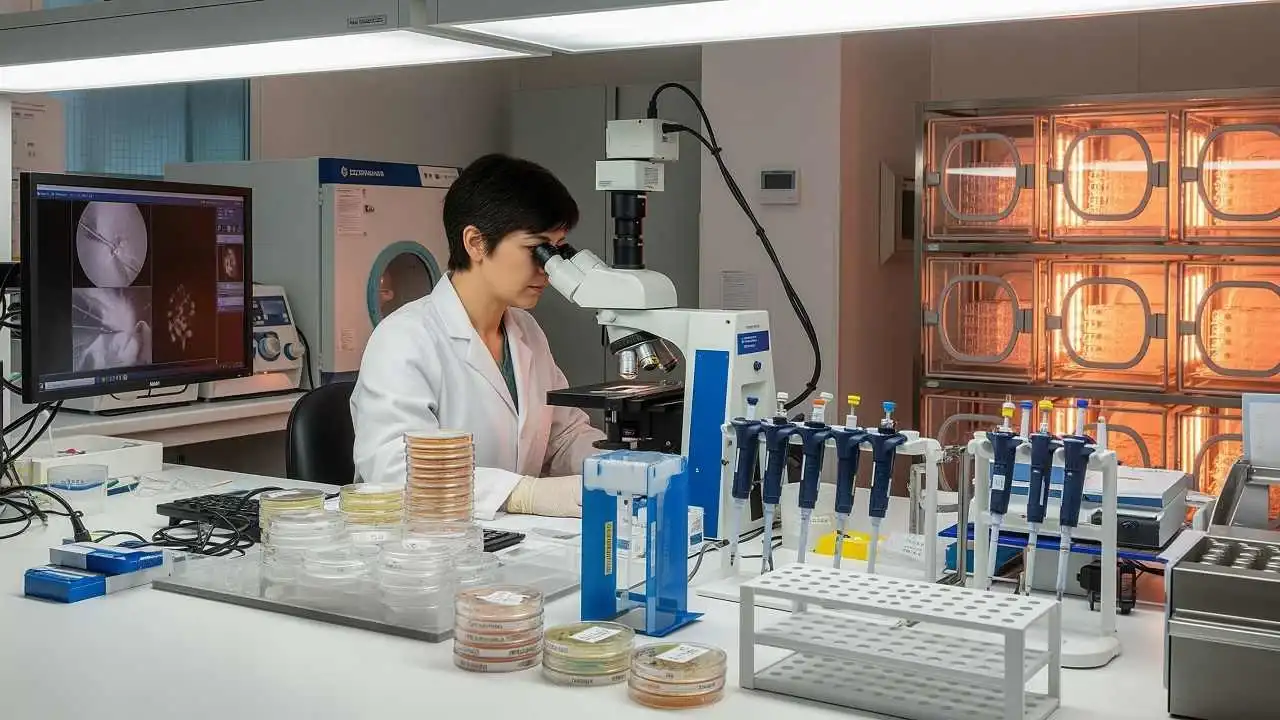
The distinct assisted reproductive technologies of Intrauterine Insemination (IUI), In Vitro Fertilization (IVF), and Intracytoplasmic Sperm Injection (ICSI). It outlines how each procedure works, the medical indications for their use, and their respective success rates. The importance of choosing the right treatment based on factors such as patient age, infertility diagnosis, and personal circumstances.

Assisted Reproductive Technology (ART), a groundbreaking medical field that provides solutions for individuals and couples facing fertility challenges. It defines ART, explains its core techniques such as In Vitro Fertilization (IVF) and Intracytoplasmic Sperm Injection (ICSI), and discusses clinical applications and success rates.

Common questions about pregnancy with polycystic ovary syndrome (PCOS) through IVF and IUI. It discusses PCOS-related infertility, success rates, treatment options, and the importance of personalised protocols. Emphasising holistic care and emotional support, it offers hope and insights for women navigating the challenges of PCOS.

The potential of stem cells to improve ovarian reserve and egg quality, focusing on their application in women with diminished fertility. It discusses how mesenchymal stem cells and other stem cell therapies can rejuvenate ovarian function by enhancing the ovarian environment, promoting tissue repair, and stimulating follicle growth. While the therapy shows promise, the article emphasizes the need for more extensive studies to understand its efficacy and safety.
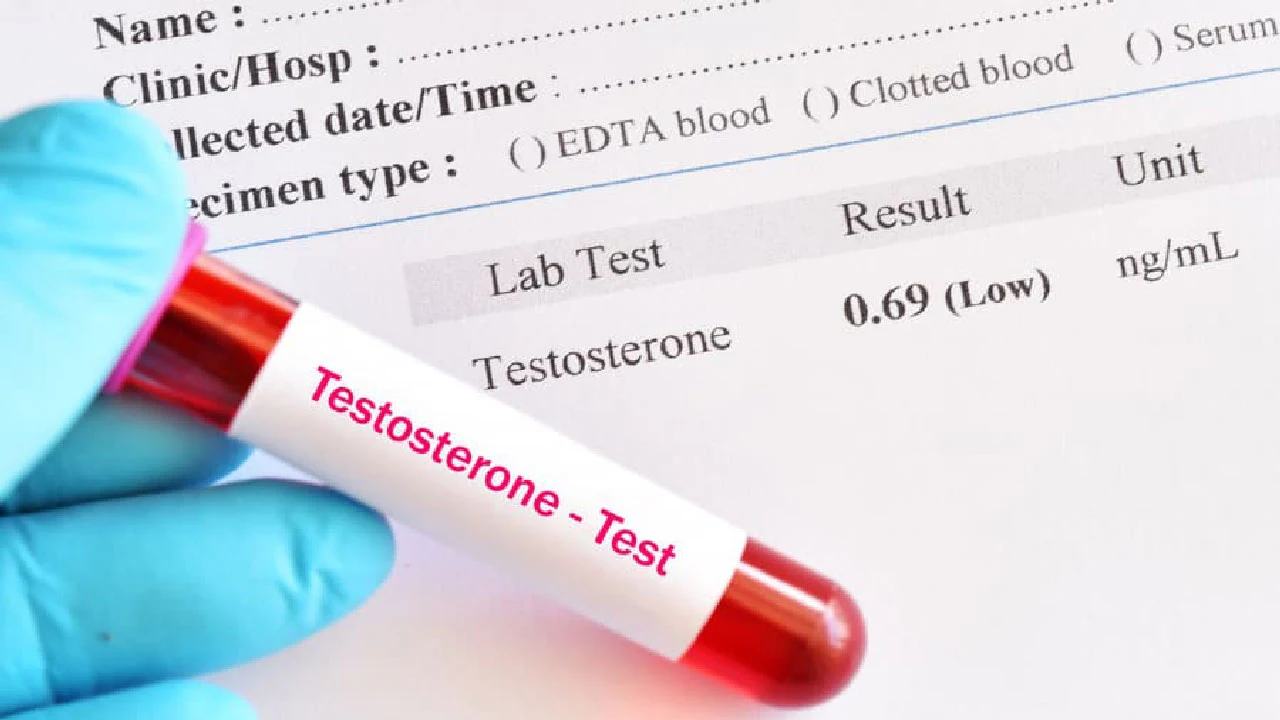
Clinical pearls for treating infertility and low testosterone in men, emphasizing reproductive goal assessment, empiric medical therapies, and comprehensive multidisciplinary management strategies.