Home
 ArticlesArticles
The article discusses "The Future of ICSI", emphasizing advancements like new sperm selection technologies, genetic screening, and stem cell research, all improving success rates and treatment effectiveness. These innovations are making Intracytoplasmic Sperm Injection (ICSI) a more promising solution for couples facing male infertility.



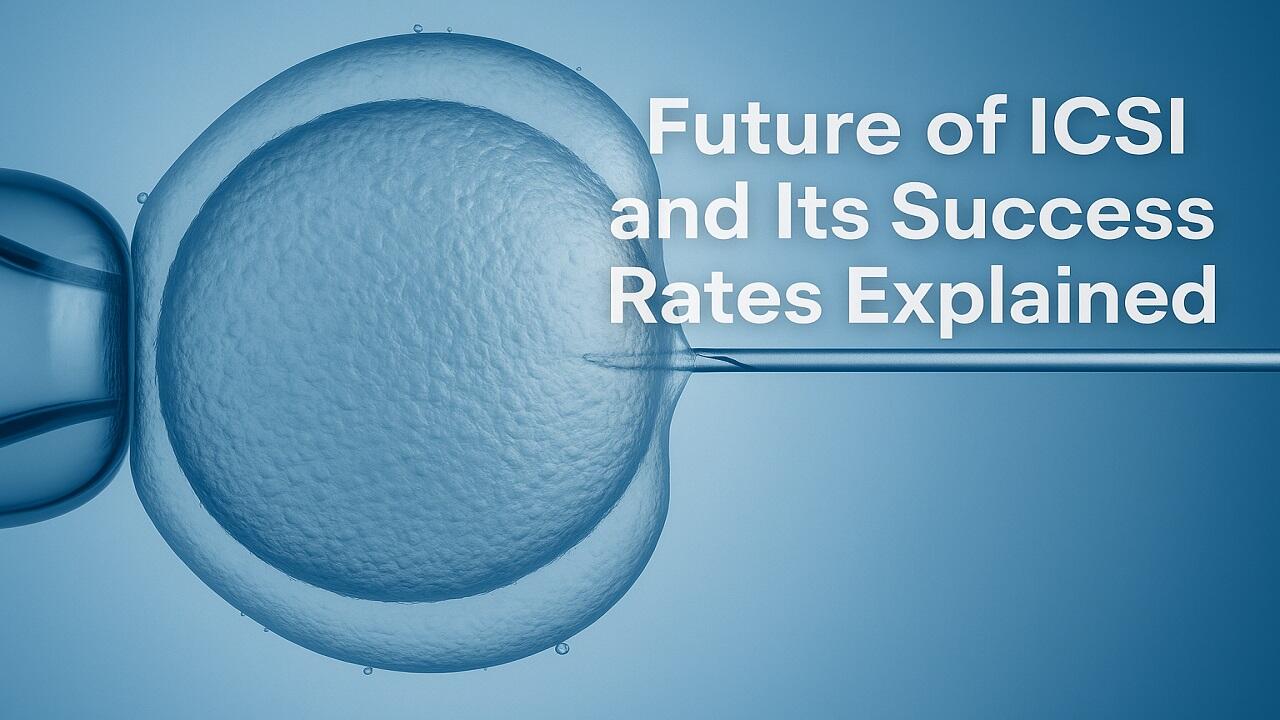
Data performing ICSI provided a groundbreaking breakthrough in assisted reproduction, especially male infertility. ICSI is a sperm injection technique that allows for hope in a million couples with male factor infertility, such as low sperm count, poor motility of sperm, or even azoospermia (absence of sperm in the ejaculate) by directly injecting a single sperm into the egg. This technique creates an embryo by injecting a single sperm directly into the cytoplasm of an egg and has been part of assisted reproductive technology (ART) since its introduction in the early 1990s. ICSI success rates are becoming increasingly favourable with advancements and improvements in technology, understanding of fertility problems, and technique in the laboratory.
Further developments in the adoption of ICSI in fertility treatment are being brought to light to make this procedure more successful and more accessible. Below are some potential future developments in ICSI:
The selection of the best sperm for fertilization is a key consideration in ICSI. Although ICSI can still be effective in using sperm of poor quality compared to traditional IVF, advanced sperm selection technologies, like magnetic-activated cell sorting (MACS) and DNA fragmentation testing, can ensure you the best chance possible by selecting the healthiest sperm, even in cases of poor quality. These new technologies can decrease the chances of inheriting genetic diseases and improve the chances of successful pregnancies.
The use of ICSI with PGT is increasingly becoming more common. That process includes testing embryos for genetic abnormalities before placing them into the uterus. As it becomes ever more possible to spot genetic conditions, few embryos with chromosomal abnormalities will not be implanted; using the healthy embryos will result in better success rates. Routine application of PGT to test for inherited diseases will likely become more commonplace in the future with ICSI, leading to healthier pregnancies and babies.
Research on stem cell technology may soon lead to new methods for producing sperm from a man's own stem cells. This could transform therapy for men with azoospermia and other fertility issues by allowing doctors to create sperm from their cells. This could provide hope to families who previously had no viable sperm for ICSI.
As fertility treatment becomes increasingly tailored to patients’ needs, ICSI can be similarly personalized. Understanding the genetic and environmental factors that correlate with fertility success will improve treatment protocols, making them more effective and tailored. These treatments would be determined by the patient’s age, ovarian reserve, and sperm quality, leading to better outcomes for couples.
The use of Artificial Intelligence (AI) in reproductive medicine is growing. AI can assist by automating processes that rely on various data, such as embryo morphology and genetic makeup. ICSI with AI can greatly enhance the efficiency of procedures and embryo analysis, increasing the likelihood of success. Moreover, the AI can help in analysing the sperm and improving the precision of sperm selection.
 Success Rates for ICSI Around the World
 ICSI success rates can also vary depending on many factors, including the age of the woman, the underlying cause of the infertility, the expertise of the clinic, and the technology available. It’s also worth noting that success rates can differ based on whether the procedure is performed as part of an IVF cycle that is combined with additional techniques, including genetic testing. Here’s a look at ICSI success rates around the world (not counting India):
In the US, the success rates of ICSI are typically excellent, particularly for couples suffering from male infertility. For women aged under 35 years, the success rate for ICSI is approximately 40–45% per cycle on average, according to the Society for Assisted Reproductive Technology (SART). Success rates are lower for women as they get older, closer to 25–30% for women over 40.
In the UK, ICSI success rates, according to the Human Fertilisation and Embryology Authority (HFEA), are approximately 30–35% per cycle for women less than 35 years old; however, success rates are lower for women as they get older, with approximately 10% live birth rates per embryo transfer for women aged 40–42, according to the HFEA. The UK’s approach to ART, for example, consists of a strong regulatory framework, and there are genetic tests offered at many clinics to help increase success.
ICSI success rates in Australia are comparable to those in the UK and the US, with an average figure of around 40% per cycle in women aged under 35. Average success rates range from 20 to 25% for women over 40, according to the Fertility Society of Australia, and tend to drop further for women over 40.
In Canada, the success rates for ICSI match those found with American patients, with roughly 35–40% of cycles ending in a live birth for women under 35. According to the Canadian Fertility and Andrology Society’s (CFAS’s) tracking of success rates, which gradually declined at that point, women over 40 have closer to 15-20% success rates on average.
Germany has a significant historical opportunity to provide advanced fertility treatments, boasting an ICSI success rate of 35-40% for women under 35 years old. The Deutsche Gesellschaft für Reproduktionsmedizin (German Society for Reproductive Medicine) monitors the success rates of individual clinics, and these rates decline significantly for older women, particularly for those over 40 years old, with a success rate of approximately 15–20%.
ICSI success rates in Sweden reflect the country's reputation for high standards in fertility care. The likelihood of successful ICSI for women under 35 years of age is approximately 40%, according to the Swedish Society of Obstetrics and Gynaecology, whereas for women aged 40 years and above, success rates fall to about 20-25%.
ICSI success rates also run high in Belgium. The success rates are approximately 40–45% for women under 35, but these rates decrease as women age, averaging around 11–12% live birth rates per transfer for women over 40. However, some clinics report higher outcomes with frozen egg cycles. Moreover, Belgium has a well-established regulatory framework surrounding fertility treatment, which guarantees high standards and quality of care.
Spain has one of the highest success rates for ICSI in the world of fertility treatments. Success rates are around 40% for women under the age of 35, and 25–30% for women over 40. Spain’s reputation for affordable fertility treatment has also turned the country into a popular destination for medical tourism.
 Factors Affecting ICSI Success Rates
 Data collection is being combined with algorithms that allow more precise success rate predictions. Success rates will continue to vary from country to country and from clinic to clinic, but ICSI will always be one of the most effective treatments for male infertility and bring hope to the arms of couples that may have given up on having children. Thanks to advances in technology, couples who undergo ICSI can have an even more positive prognosis in terms of a successful pregnancy and delivery for mom and baby alike.



The innovative solution of Intracytoplasmic Sperm Injection (ICSI), designed to tackle male infertility challenges such as low sperm count and poor motility. ICSI creates new opportunities for couples who are eager to start a family by directly injecting a single sperm into an egg. Discover how this groundbreaking technique is transforming the landscape of reproductive medicine and offering hope to those facing infertility.
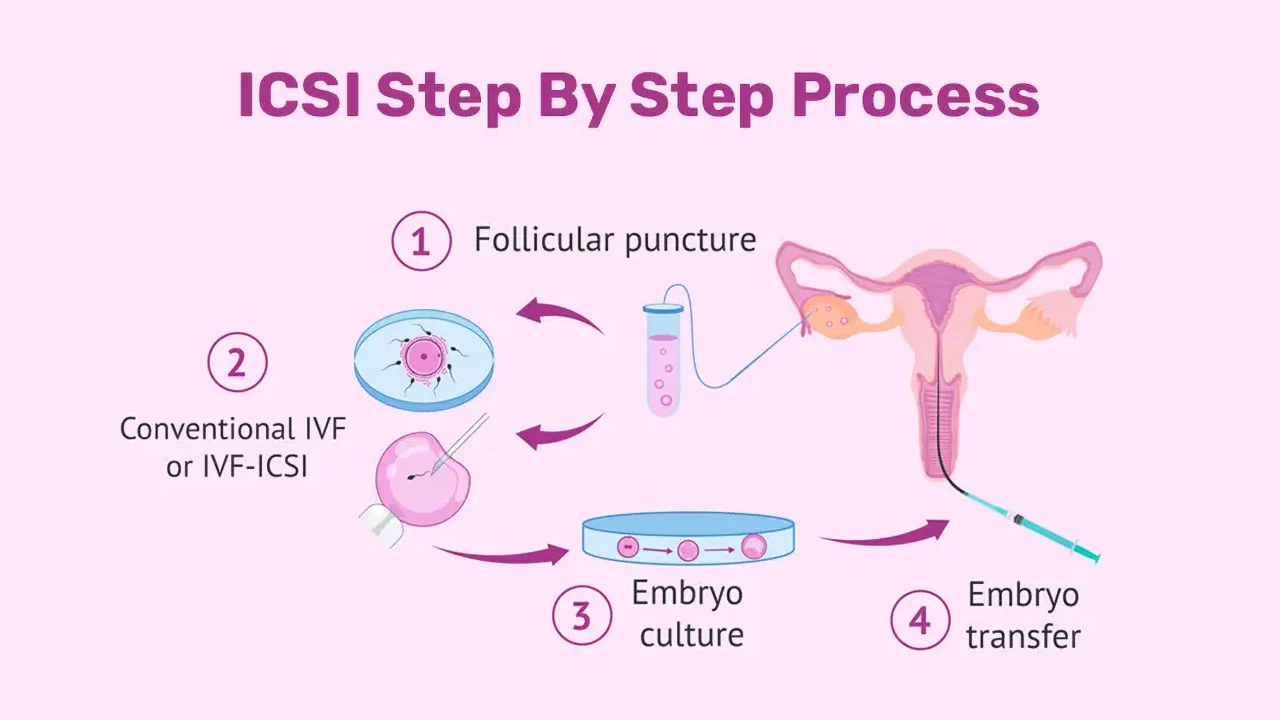
ICSI (Intracytoplasmic Sperm Injection) is an advanced fertility treatment where a single sperm is injected directly into an egg. This procedure helps couples overcome male infertility challenges like low sperm count or poor motility, offering hope for biological parenthood when conventional IVF methods aren't successful.

Intracytoplasmic Sperm Injection (ICSI) has transformed Male Infertility Treatment, enabling men with severe fertility issues to conceive biological children. By allowing even the weakest sperm to fertilize an egg, ICSI has significantly improved success rates in Male Infertility Treatment and provided new hope for couples facing infertility challenges.
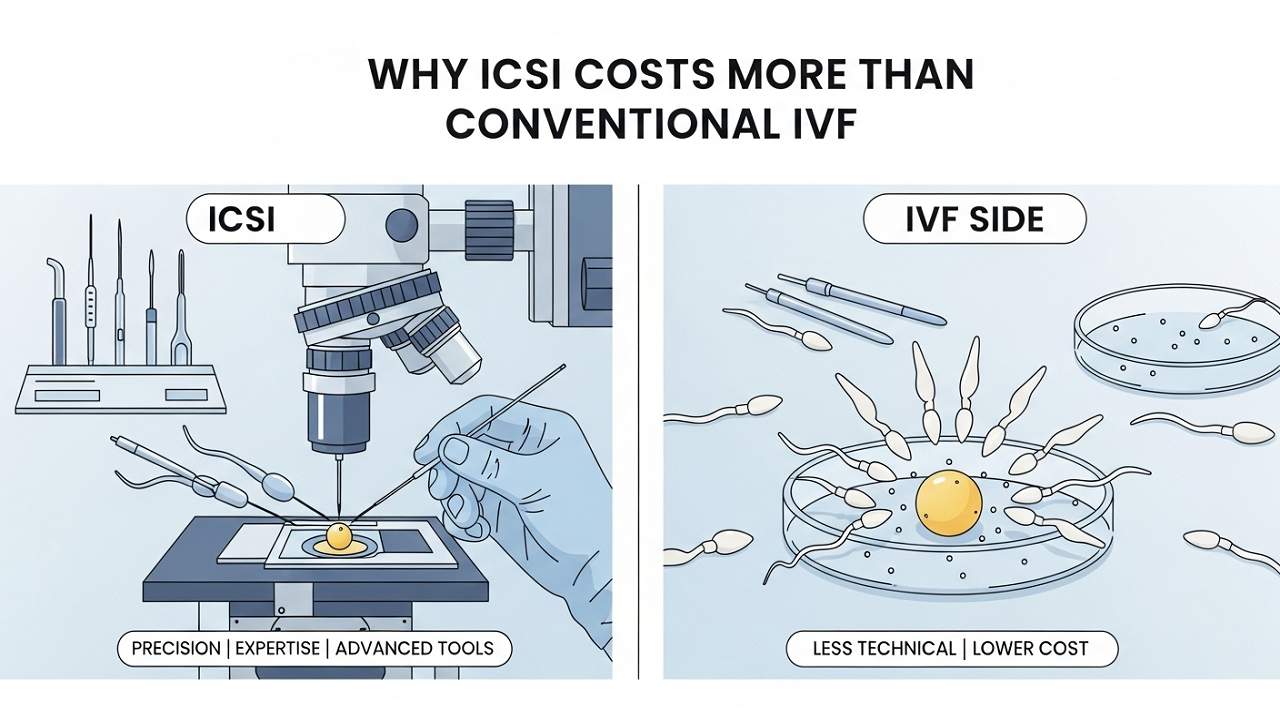
The Intracytoplasmic Sperm Injection (ICSI) procedure, where a single sperm cell is injected directly into an egg, a specialized form of In Vitro Fertilization (IVF), is typically more costly due to its complexity, requiring skilled embryologists and specialized equipment. It is particularly beneficial for couples facing male infertility issues, as it increases the chances of fertilization and successful pregnancies.

Mental health during fertility treatments is vital to cope with stress, anxiety, and emotional ups and downs. By focusing on self-care, resilience, and fostering hope, individuals can navigate challenges and maintain their mental health during fertility treatments while building a positive outlook for their fertility journey.

The history and inception of Intracytoplasmic Sperm Injection (ICSI) began with early advancements in micromanipulation, leading to its first successful use in the 1990s to treat male infertility. The history and inception of ICSI revolutionized assisted reproduction, offering hope to couples by enabling fertilization even in cases of severe sperm-related challenges.