Home
 ArticlesArticles
The impact of the First Sperm Bank, established by Dr. John Rock in 1947, on Assisted Reproductive Technology (ART). It details how the First Sperm Bank revolutionized sperm donation, improved standards in fertility treatments like IUI and IVF, and provided new family-building opportunities for individuals and couples facing infertility challenges.



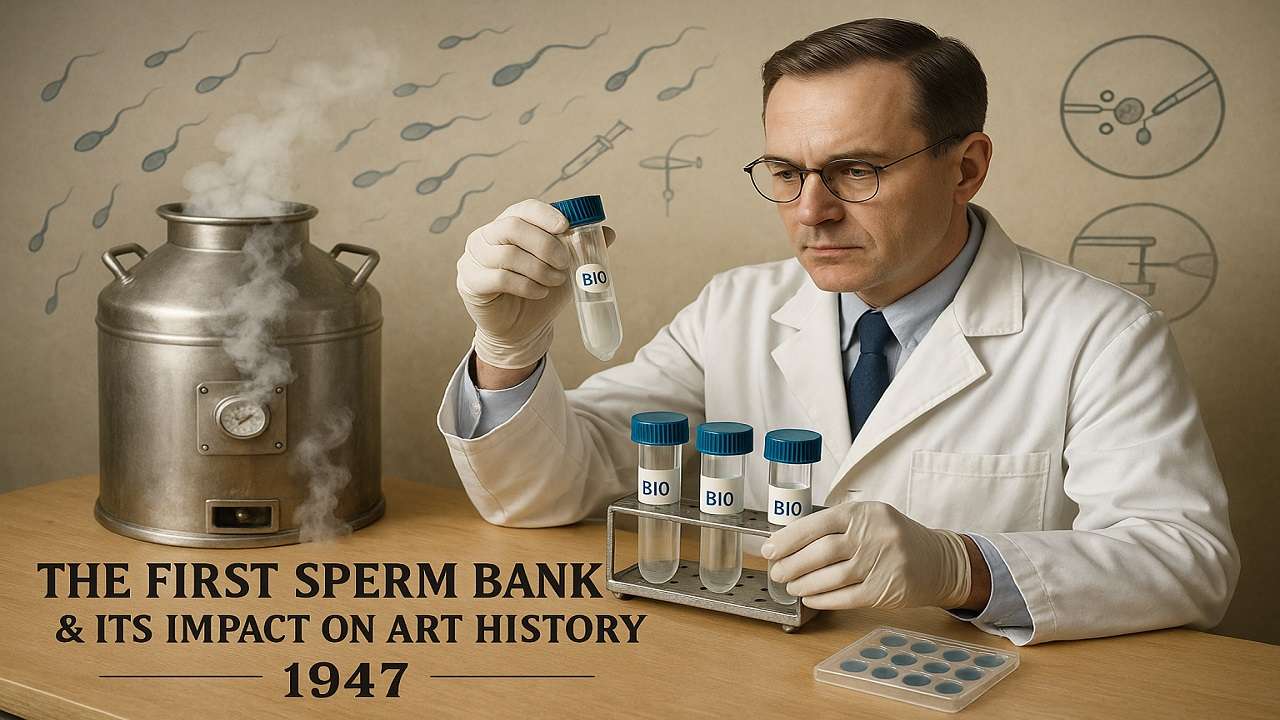
The establishment of sperm banks was a milestone in reproductive history, allowing for the possibility of artificial insemination (AI) and the practice of fertility treatments. Sperm banks became vital to Assisted Reproductive Technology (ART), becoming a trusted source of sperm for women experiencing masculine infertility, for single women, and for same-sex couples looking to start a family. Sperm banks not only provided access to potential new types of families, but also sparked advancements in ART procedures such as in vitro fertilization (IVF) and intrauterine insemination (IUI). The first successful sperm bank's story, its creation, and its impact on ART's development are below.
Sperm donation and artificial insemination date to the early 20th century, but it wasn’t until the 1950s that those practices began to come together and get formalised. Before that, artificial insemination was used only infrequently, usually employing sperm from the woman’s husband, particularly when male infertility was a problem. This was a time when the process was little known and unregulated, and quality donor sperm was scarce.
Sperm donation was a concept in a rudimentary form, but a sperm bank an organised, regulated facility where sperm could be stored, screened and distributed did not come into being until later. The genesis of sperm banking was, both in medical need and social pressures, the beginning of attending to the newfound male part of reproduction but outside the body.
Dr. John Rock, a leading fertility specialist, founded the first sperm bank in 1947 in New York City. Dr. Rock, best known for developing the birth control pill, also made positive and influential contributions to fertility treatments and sperm storage. The New York Cryobank was the first facility built specifically for the storage of sperm for artificial insemination and would later become a pioneer of sperm banking.
Dr. Rock was driven to establish the sperm bank due to an increasing demand from infertile couples where seminal fluid quality was an issue. In those days, the use of donor sperm was hardly accepted, but Dr. Rock saw it as a solution to the problem of women and couples who could not conceive. He proposed they store and preserve sperm in controlled environments, making it possible for women without male partners or with male infertility problems to become parents.
This was in 1947 when the method of cryopreservation for sperm storage was brand new, as was the concept of a sperm bank, and they were dependent on storing sperm in liquid nitrogen for an increased lifespan. The sperm samples were gathered from anonymous donors before being processed and frozen for later use. This was a world first for reproductive medicine, as it provided women with an abundant, regular source of sperm.
The success of the New York Cryobank had a widespread impact on assisted reproductive technology (ART). The development and expansion of fertility treatments defined how society would view their implementation. Here’s a closer look at the top ways sperm banks made their mark on ART:

The single most profound consequence of the sperm bank was its democratization of donor sperm. Before sperm banks, artificial insemination involved mostly male infertility cases and sperm donations from known sources, typically friends or family. However, this was not a reliable method and also created privacy concerns and genetic issues. Sperm could be stored, catalogued, and distributed to single women, lesbian couples, and heterosexual couples that have male infertility through the establishment of sperm banks.
This development expanded reproductive possibilities for women who wished to carry a child but lacked access to a partner’s sperm. What advantages does a sperm bank provide over traditional scientific research methods? The sperm bank offers individuals a regulated and anonymous source of sperm, ensuring higher standards of quality control and screening.
The first successful sperm bank paved the way for the standardisation of sperm donation and the establishment of stringent screening protocols. Before sperm banks, very little oversight existed regarding the quality or health of sperm used in insemination. Most of the sperm samples were not correctly checked for hereditary diseases or genetic defects, which raised the risks for both the mother and the child.
Strict testing and screening protocols welcomed the emergence of sperm banks. Donors also received extensive medical evaluations, including genetic testing and screening for sexually transmitted infections (STIs). The protocols were designed to protect against sperm donations that weren't safe, healthy, or suitable for fertility treatments. The standardization of sperm quality meant that artificial insemination was more successful, and both women and couples had confidence when they used donor sperm.
Sperm banks were established as various techniques of artificial insemination (AI), especially intrauterine insemination (IUI) and in vitro fertilization (IVF), advanced. During the 1970s and 1980s, fertility specialists began to perfect IUI techniques (intrauterine insemination), in which sperm is injected straight into the woman's uterus to aid fertilization. The availability of high-quality donor sperm contributed to IUI becoming a common fertility treatment for many couples and individuals.
Sperm banks, too, were key to the success of IVF. When IVF was first developed in the 1970s, sperm from the male partner was required. But as sperm banking technologies improved, women were able to access high quality donor sperm for IVF more easily and could opt for highly flexible reproductive options, especially for women who did not have male partners.
With increased sperm banking came a need for more donor sperm, resulting in sperm banks popping up all over the world. The sperm banking industry boomed in the second half of the 20th century, with sperm banks in the United States, Europe and elsewhere providing a variety of services. These covered sperm storage for use later, sperm donation for artificial insemination, and sperm preservation for cancer patients and those undergoing medical treatments that could impact fertility.
Specialist sperm banks also started making sperm selection services available based on physical characteristics, such as race, eye color, and educational history, raising ethical questions about the commodification of human genetics. Still, the sperm banking business remained and expanded in the industry, becoming a primary component of reproductive medicine.
Sperm donation surge also triggered concerns about the ethics and legality of the practice. One of the major issues was whether donors would remain anonymous and whether the offspring of sperm donors would have rights. In many early sperm banks, donors were anonymous, and children who were conceived with donor sperm had little to no information on the identity of their biological father.
As the years went on, sperm donation ethics began to transform. There were more and more calls for open-identity donation, where children created using donor sperm had the right to find out who their biological donor was once they reached adulthood. Legal complications ensued as well, particularly relating to donor compensation, parental rights and the number of offspring a single donor could have.

The establishment of the first sperm bank in 1947 paved the way for the broader field of reproductive medicine, shaping how sperm is donated, how eggs are frozen, and how we use assisted reproductive technologies today. Thus, sperm banks remain an integral component of ART, assisting people and couples in navigating through infertility struggles and providing the chance to obtain premium donor sperm for use in IUI and IVF procedures.
More recently, sperm banks have gained even more importance as people increasingly use them to freeze their sperm before undergoing medical treatments like chemotherapy that could affect their ability to have children later. Preserving and storing sperm for later use gives individuals more control of their reproduction choices, with sperm banks being a major avenue to provide more reproductive options to people with all gender identities and sexual orientations through accredited clinics and sperm donation services.
In 1947, Dr. John Rock established the world's first successful sperm bank. It gave women and couples access to donor sperm, helped establish standard practices around sperm donation, and laid the groundwork for advances in assisted reproductive technologies such as IUI and IVF. Through the years, sperm banks have developed numerous services and have continued to evolve into a crucial component of ART. Today, sperm donation and sperm banks are a core part of reproductive medicine, providing hope and opportunities for millions of individuals and families around the world.



Boys treated for cancer before puberty cannot bank sperm, but freezing testicular tissue containing spermatogonial stem cells may one day restore their fertility. This article explains how the first transplants in adult survivors work, what the early research shows, the risks involved and why families should know about this option.
Microplastics have now been found in human follicular fluid and seminal fluid. This article explores the fast-growing body of research on microplastics and fertility, what scientists know and do not yet know about their effects on eggs and sperm, and practical, evidence-based ways that couples can reduce their everyday exposure.

Fertility conversations often focus on women, yet new research on sperm epigenetics shows a father's environment matters too. This article explains how air pollution may alter chemical marks on sperm DNA, why those changes could matter for fertility and pregnancy, and the practical steps men can reasonably consider before conception.
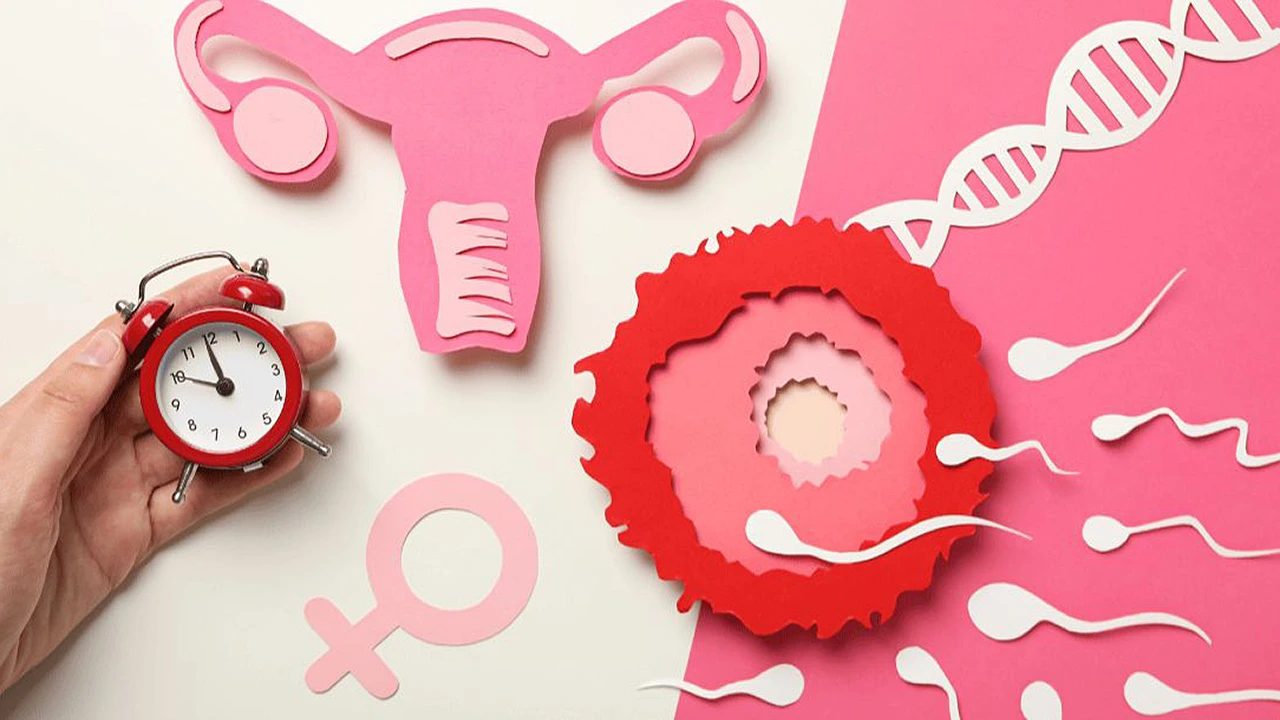
Donor eggs have long been seen as a way to reset the reproductive clock, but new research suggests uterine ageing also plays a role. This article explains what the latest evidence shows, how the ageing uterus may affect implantation and pregnancy, and how women in their late forties can prepare.

In vitro gametogenesis, the science of creating eggs and sperm from ordinary body cells, has moved from mouse studies towards human research. This article explains how the approaches work, what recent milestones really show, the obstacles that remain and why clinical use is still likely to be several years away.
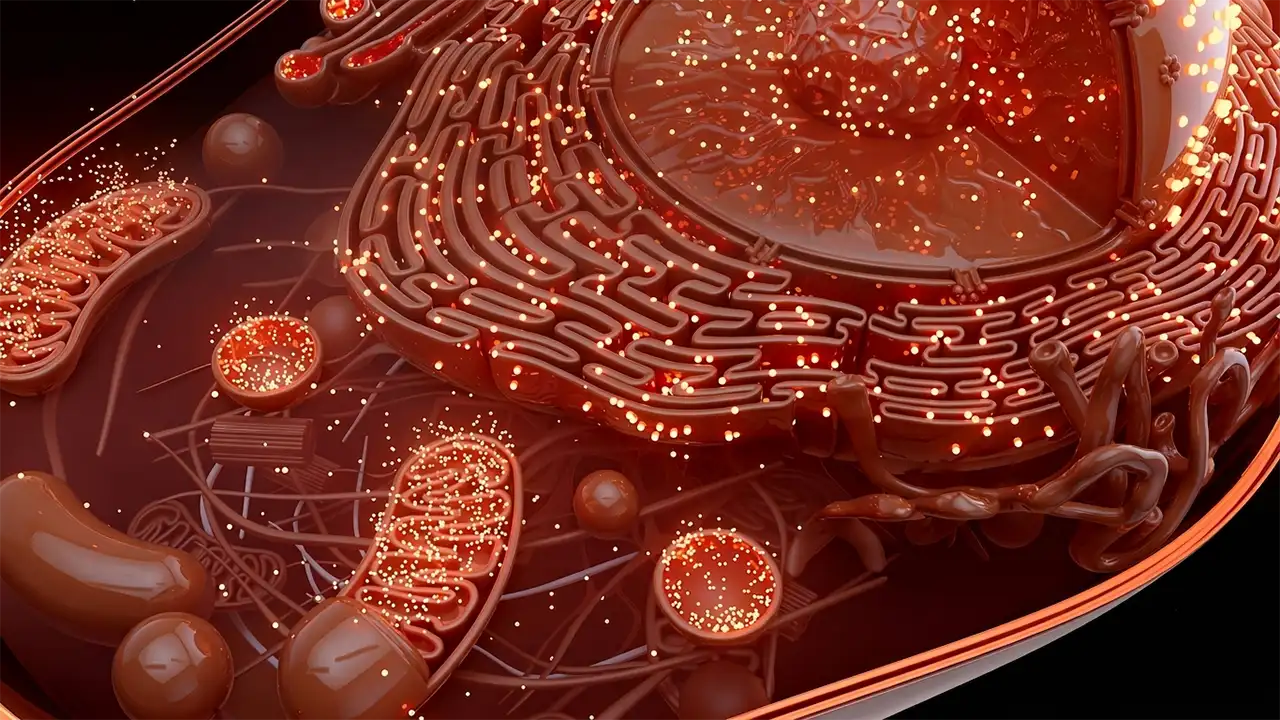
Mitochondrial donation, often called three-parent IVF, has now produced the first detailed clinical results, with healthy children born to mothers at high risk of passing on mitochondrial disease. This article explains how the technique works, who it is for, what the evidence shows and which scientific questions remain open

A new AI sperm recovery technique is changing the outlook for men with azoospermia. This article explains how the STAR method scans semen samples for rare hidden sperm, what its first reported pregnancy means, who may benefit, and the key questions couples should raise with their own fertility specialist.