Home
 ArticlesArticles
The ethical debates on In Vitro Fertilization (IVF) gender selection, covering its methods, benefits, and concerns. It highlights parental autonomy, societal impact, and the need for responsible regulation.



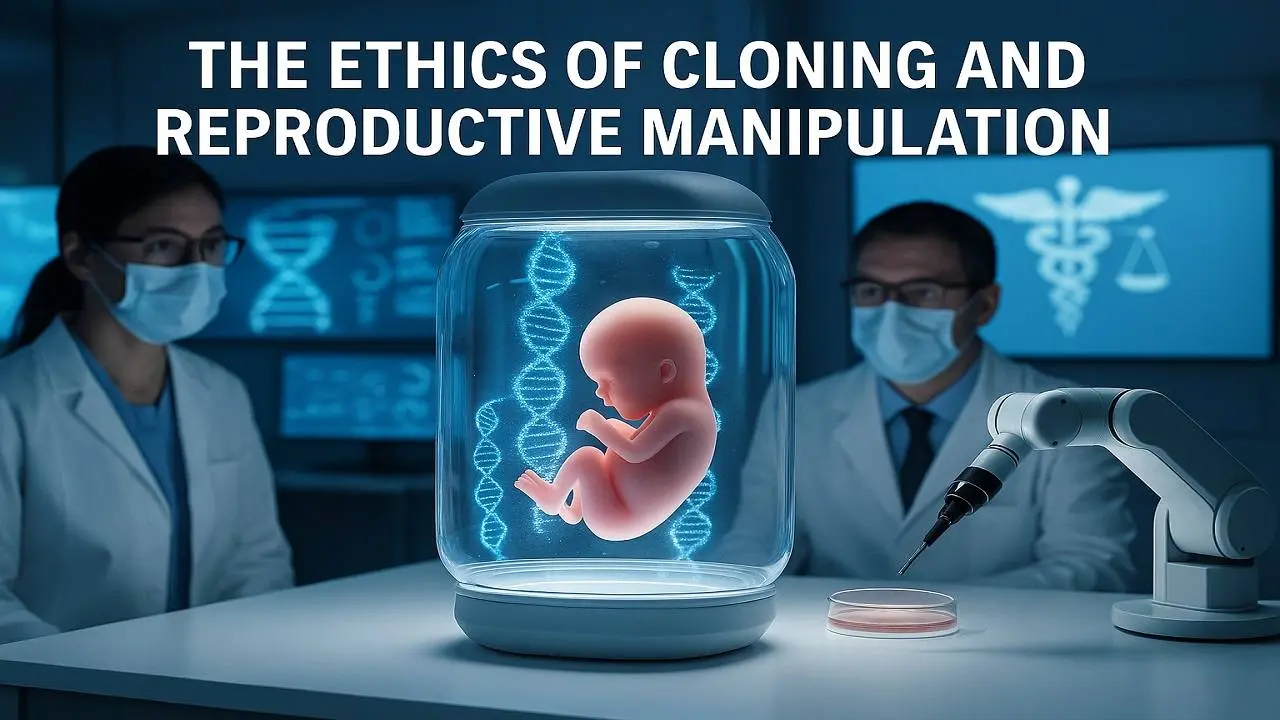
Cloning and reproductive manipulation are among the most fascinating topics in modern science and ethics. This is still being researched, but a technology that could be used to address many of these challenges in reproduction (to prevent unknown diseases) is becoming a reality specifically, gene editing. Yet they also pose serious ethical issues that require thoughtful consideration. This article is dedicated to investigating the ethical implications surrounding cloning and reproductive manipulation, particularly discussing the benefits and positive uses of these procedures.
Cloning is creating an organism with the same genetic makeup as another. There exist, basically, two forms of cloning:
Contrary to this, Reproductive Manipulation involves techniques capable of modifying or controlling the reproductive process. Genetic engineering, In-vitro fertilization (IVF), and gene editing are examples of this. These technologies allow parents to shape their babies' genes, either to prevent genetic disorders or to choose traits.
These can be related to cloning via reproduction-manipulation ethical dilemmas. The argument often rests on values like individual rights, safety, the risk of exploitation, and the welfare of society. When approached responsibly and in a well-regulated manner, these technologies have the potential to make a wide range of positive contributions to science, health, and family-building.
 1. Reproductive Autonomy and Parental Choice
 The right to reproductive autonomy is a key ethical argument supporting cloning and reproductive manipulation, based on the principle that individuals and couples should have the freedom to choose how they conceive and which genetic traits they wish to pass on to their children. Genetic manipulation, or preimplantation genetic diagnosis (PGD), allows these parents to have healthy babies that are unaffected by serious genetic diseases.
As an example, people who have genes for inherited diseases like cystic fibrosis or Huntington's disease may use reproductive manipulation to ensure that they do not pass the disease along to the next generation. In these situations, using genetic screening or IVF can be a responsible and compassionate choice, allowing parents to reduce the risks of genetic disorders.
Likewise, therapeutic cloning and stem cell research could provide radical cures for those suffering from degenerative diseases. With the use of these technologies, scientists and engineers can replace or repair organs or vessels, potentially leading to improved health. Such uses of cloning might be considered ethical, particularly when they can do much to uplift a person’s quality of life or to save lives.
Cloning and reproductive manipulation yield vast medical promise, with particular implications for regenerative medicine and genetic therapy. With therapeutic cloning, stem cells can be generated. to mend damaged tissues and organs and even provide life-saving treatments for diseases such as
The capacity to produce genetically identical cells could also transform organ transplantation. Cloning was only performed once in 1996 when scientists cloned a sheep named Dolly, so if cloned cells were to become viable, it may then be theoretically possible to grow organs in the lab that are tailored to the recipient's body, thereby eliminating the need for organ donors and minimising the risk of rejection.
Additionally, gene-editing technologies such as CRISPR-Cas9 are being investigated for their ability to rectify genetic anomalies at the level of the DNA itself. This allows for the potential of genetic interventions before birth, a powerful approach for disease prevention and public health. If used responsibly and closely regulated, these technologies could help humans immensely, whether it's curing certain genetic diseases or improving human well-being.
The ethical argument for reproductive manipulation, such as cloning, centers on the claim that it will help us avoid having children with serious genetic diseases. This is particularly useful for families with a history of inherited disorders since genetic screening and PGD allow such families to choose embryos that are free of such conditions.
For example, gay couples or those at risk of passing on genetic conditions such as sickle cell anemia or Tay-Sachs disease can use such technologies to select embryos without these mutations. This kind of care not only helps prevent the potential suffering of the child but also relieves families as well as health systems from the responsibility to care for children with potentially life-threatening but otherwise treatable conditions.
Providing parents with insight into their children’s future health and potential career prospects, reproductive manipulation also gives them more control over family planning. This can ensure children are born with the best chance possible for a healthy and fulfilling life.
These ethical questions often involve values that extend beyond individual society. For instance, cloning presents dilemmas regarding how much we value what makes us unique and whether we would consider cloning for non-medical purposes, such as engineering children with specific physical attributes or intelligence. All of these concerns centre around the need we have to continue celebrating diversity and individuality in our society.
But proponents say responsible regulation and ethical standards can protect against such abuse. So, appropriate regulation could keep cloning and reproductive manipulation on a human-friendly course while ensuring that existing laws, which curtail certain aspects of reproductive technology (like selecting for unhealthy traits), are respected and do not infringe on science, human potential, or family.

It is important to develop a sound regulatory system for the use of cloning and reproductive manipulation. Without oversight, the app could easily be exploited, misused for eugenics, or potentially lead to unintended consequences for our society. Cloning could be used maliciously to produce individuals with or concoct superior genetic traits for exploitation or commercial purposes.
As with any new technology, cloning and reproductive manipulation should be conducted in the best interests of people and in a manner that respects their dignity and rights. Ethical guidelines should guarantee the positive use of these technologies to enhance health, prevent disease, and foster individual well-being.
You are principled enough to know the ethics of cloning and reproductive manipulation is far too multifaceted for such a blunt, uncritical tool. There is immense potential for these technologies to continue transforming medical science and supporting the health and well-being of people and families. Cloning and reproductive manipulation can be ethical tools for good, as long as the procedures are responsible and are used to try to prevent genetic diseases, boost health, and give people greater reproductive autonomy.
It is not without the need for thoughtful discussion about societal values, individual rights, and ethical limits. In conclusion, despite the risks associated with cloning and reproductive manipulation, these technologies can be utilized as a celebration of equality and human dignity and, eventually, as a way to guarantee that their future benefits all.


Immunotherapy in restoring human fertility is emerging as a promising approach for addressing immune-related reproductive disorders. Recent clinical advances highlight its potential to improve implantation, pregnancy outcomes, and reproductive health, offering renewed hope for patients facing infertility linked to immune system dysfunction.

The smart fertility tracker market has transformed male fertility diagnostics, but how reliable are these devices? This report examines what at-home sperm tests actually measure, where they fall short compared to clinical analysis, and how men and couples can use them appropriately within a broader reproductive care pathway.
The distinct assisted reproductive technologies of Intrauterine Insemination (IUI), In Vitro Fertilization (IVF), and Intracytoplasmic Sperm Injection (ICSI). It outlines how each procedure works, the medical indications for their use, and their respective success rates. The importance of choosing the right treatment based on factors such as patient age, infertility diagnosis, and personal circumstances.

Assisted Reproductive Technology (ART), a groundbreaking medical field that provides solutions for individuals and couples facing fertility challenges. It defines ART, explains its core techniques such as In Vitro Fertilization (IVF) and Intracytoplasmic Sperm Injection (ICSI), and discusses clinical applications and success rates.

Common questions about pregnancy with polycystic ovary syndrome (PCOS) through IVF and IUI. It discusses PCOS-related infertility, success rates, treatment options, and the importance of personalised protocols. Emphasising holistic care and emotional support, it offers hope and insights for women navigating the challenges of PCOS.

The potential of stem cells to improve ovarian reserve and egg quality, focusing on their application in women with diminished fertility. It discusses how mesenchymal stem cells and other stem cell therapies can rejuvenate ovarian function by enhancing the ovarian environment, promoting tissue repair, and stimulating follicle growth. While the therapy shows promise, the article emphasizes the need for more extensive studies to understand its efficacy and safety.
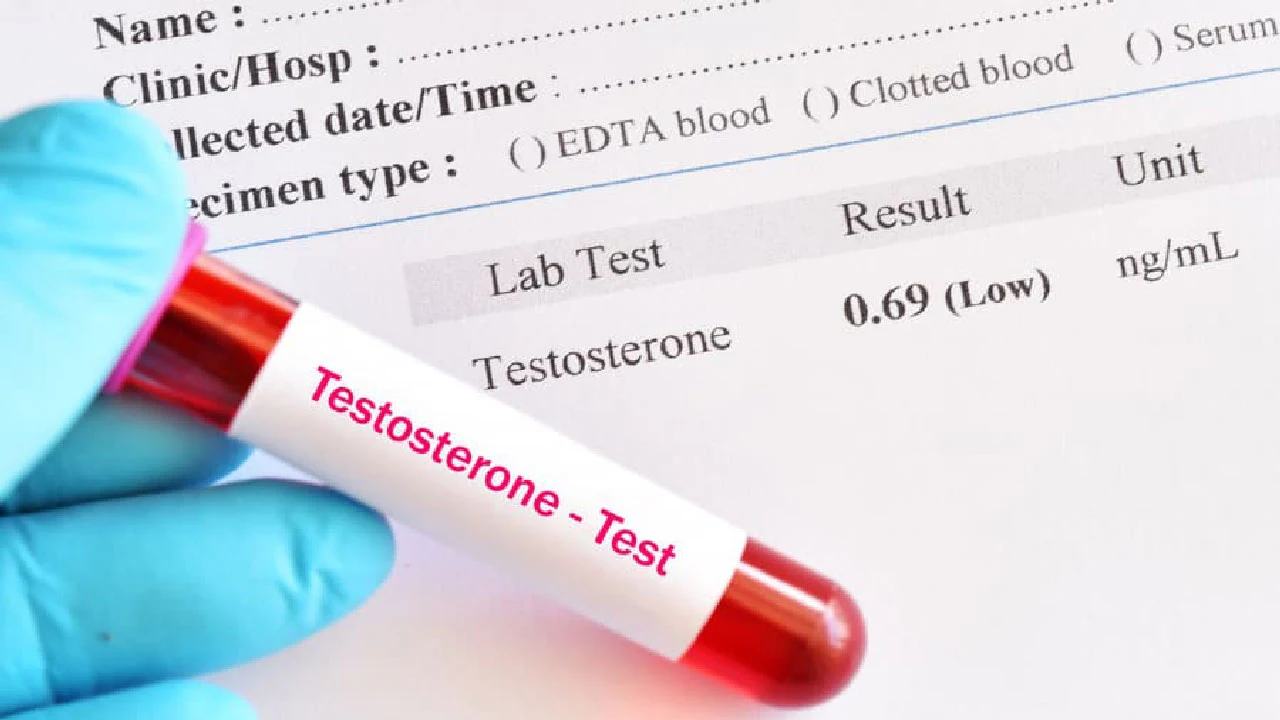
Clinical pearls for treating infertility and low testosterone in men, emphasizing reproductive goal assessment, empiric medical therapies, and comprehensive multidisciplinary management strategies.