Home
 ArticlesArticles
The pioneering contribution of Dr. Robert Edwards and Dr. Patrick Steptoe for Reproductive Medicine culminated in the first successful In Vitro Fertilization (IVF) birth of Louise Brown in 1978. Their collaboration advanced the field of Reproductive Medicine and offered hope to countless families struggling with infertility.



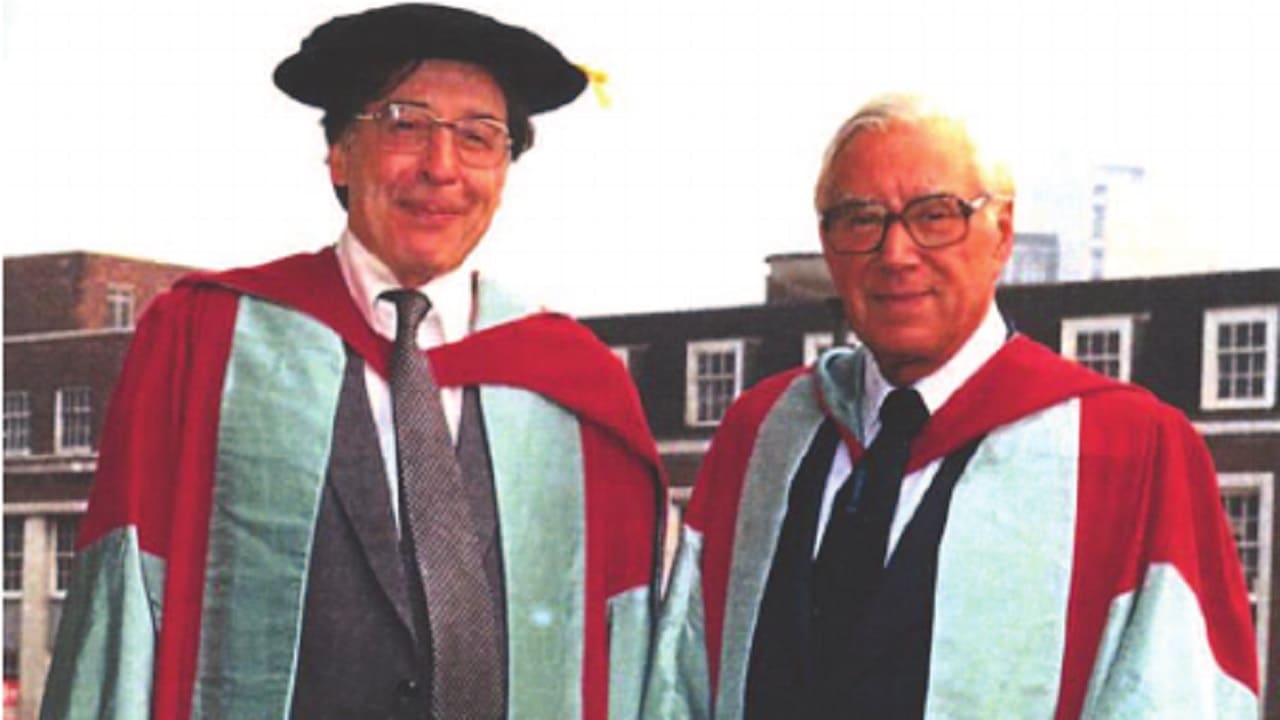
IVF's evolution represented a major advancement in reproductive medicine and gave fresh hope to countless families battling infertility. The narrative of IVF is inextricably linked to the names of Dr. Robert Edwards and Dr. Patrick Steptoe, two pioneering British scientists whose cooperation produced the first IVF baby, Louise Brown, in 1978.
Their innovative research not only changed the scene of fertility treatments but also the future of reproductive health. Here is a glimpse at the life and work of the doctors who made IVF a reality.

Often called the father of IVF, British scientist Dr. Robert Edwards Making IVF a realistic choice for couples dealing with infertility required his vision, tenacity, and scientific method.
Edwards, who was born in Batley, West Yorkshire, England, in 1930, showed early biological curiosity. Studying at the University of East Anglia, he graduated in physiology. His work was marked by a never-ending drive to learn about human reproduction. Edwards worked at several universities, concentrating on the processes of human reproduction after earning his PhD in biochemistry at St. John's College, Cambridge.
Edwards started studying human fertilisation in the 1960s, with a specific focus on how sperm and egg interact to form an embryo. He observed that most of the studies on reproduction had been restricted to animal models and that human fertilisation knowledge was lacking.
Many women battling infertility were at this time diagnosed with blocked fallopian tubes, a condition that rendered spontaneous conception difficult. Edwards understood that a method that fertilised the egg outside of the body and subsequently implanted the embryo into the uterus could help these ladies by bypassing the obstructed tubes.
Although there were obstacles along the way, his concept was groundbreaking. Widespread scientific and ethical questions concerning human embryo manipulation accompanied the idea of fertilising eggs outside the body, which was received with doubt. Edwards, on the other hand, was convinced of the promise of his concept and started toiling away to create the methods required to realise IVF.
A major player in IVF's success was British gynaecologist Dr. Patrick Steptoe. Steptoe, who was born in Oxford, England, in 1913, had a remarkable gynaecological career. Laparoscopic surgery, a minimally invasive method that allows surgeons to operate without making major incisions, particularly impressed him. In the IVF process, this approach is necessary for extracting eggs from women's ovaries.
Steptoe worked with Dr. Edwards in the early 1970s as his interest in infertility treatment drove him. Although Edwards possessed the vision and scientific understanding, Steptoe's surgical expertise was essential to enable IVF to function. Steptoe was the first in 1972 to successfully laparoscopically extract eggs from a human ovary, a discovery that allowed the IVF procedure to advance.
Given that conventional ovarian surgery was intrusive and frequently caused problems, laparoscopic surgery was seen at the time as a quite creative way to collect eggs. Far less traumatic for patients, Steptoe's laparoscopic approach let doctors exactly gather eggs for outside fertilisation. This made IVF far safer and more efficient.
Edwards and Steptoe's cooperation was a strange but very successful one. Deep knowledge of human physiology and reproductive science led Edwards to concentrate on the laboratory-based side of the IVF procedure, including fertilisation and embryo culture. Eggs from the ovaries were retrieved by Steptoe, a laparoscopic surgery and gynaecology expert.
Their quest for IVF brought them several challenges taken together. Finding a means to fertilise human eggs outside of the body was one of the most major difficulties since past efforts in animals had failed. They also had to create a method for developing lab-grown embryos until they were ready for implantation. Moreover, much discussion surrounded the ethical consequences of altering human embryos, and many in the medical field questioned if IVF could ever be successful.
Edwards and Steptoe kept working in secret despite these difficulties, with just a tiny group of researchers. Years of trial and error in the lab allowed them to successfully fertilise an egg, they then started putting embryos into women's uteri.
Edwards and Steptoe started treating Lesley Brown, a woman whose fallopian tubes were obstructed, thus preventing natural conception, in 1977. Because her physical blockage rather than an egg quality or sperm problem caused her infertility, Lesley's situation was perfect for IVF.
Steptoe got the eggs via laparoscopic surgery after using fertility medications to encourage Lesley’s ovaries to generate many eggs; Edwards fertilised them in the lab. One embryo was put into Lesley’s womb following a successful fertilisation.
Weighing 5 pounds and 12 ounces, Louise Joy Brown was born via cesarean section at Oldham General Hospital on July 25, 1978 following a closely watched pregnancy. As she was the first human infant ever conceived via IVF, Louise's birth was a historic event. News of Louise's birth travelled worldwide, and she was praised as a "miracle baby."
For the discipline of reproductive medicine as a whole, this accomplishment was as much a victory for Edwards and Steptoe as it was for them. The success of IVF marked the beginning of a new era in assisted reproductive technology (ART) and made it possible for millions of infertile families to have children.
Groundbreaking were Dr. Robert Edwards and Dr. Patrick Steptoe's accomplishments; their contributions to reproductive medicine are being honored now. Although their efforts first drew doubt and ethical questions, the success of IVF demonstrated the feasibility of assisted reproduction and opened the path for further developments in the sector.
Among many others, Dr. Edwards and Dr. Steptoe's efforts have since inspired innumerable ART advances, including genetic screening, egg freezing, and intracytoplasmic sperm injection (ICSI). IVF, now a standard procedure at fertility clinics worldwide, has contributed to the birth of millions of children.
Dr. Edwards won the Nobel Prize in Physiology or Medicine in 2010 for his contribution to IVF's evolution. Sadly, Dr. Steptoe died in 1988, before he could get the praise he merited for his work in IVF. Still, the success of IVF and the many families who have gained from the treatment carry on his legacy.
The tale of the first successful IVF birth is one of tenacity, teamwork, and creativity. By their cooperation, Dr. Robert Edwards and Dr. Patrick Steptoe changed the face of reproductive medicine and inspired millions of families. Their commitment and knowledge turned IVF into reality; their legacy still shapes the area of fertility therapy now. Their innovative efforts have made the dream of motherhood a reality for many couples who might otherwise never have had the opportunity to have children.



Advanced female age causes fertility decline through reduced egg quantity, increased chromosomal abnormalities, and mitochondrial dysfunction. Understanding these biological mechanisms helps women make informed family planning decisions. Modern fertility treatments including IVF, preimplantation genetic testing, and egg freezing offer practical solutions to overcome age-related reproductive challenges when trying to conceive.
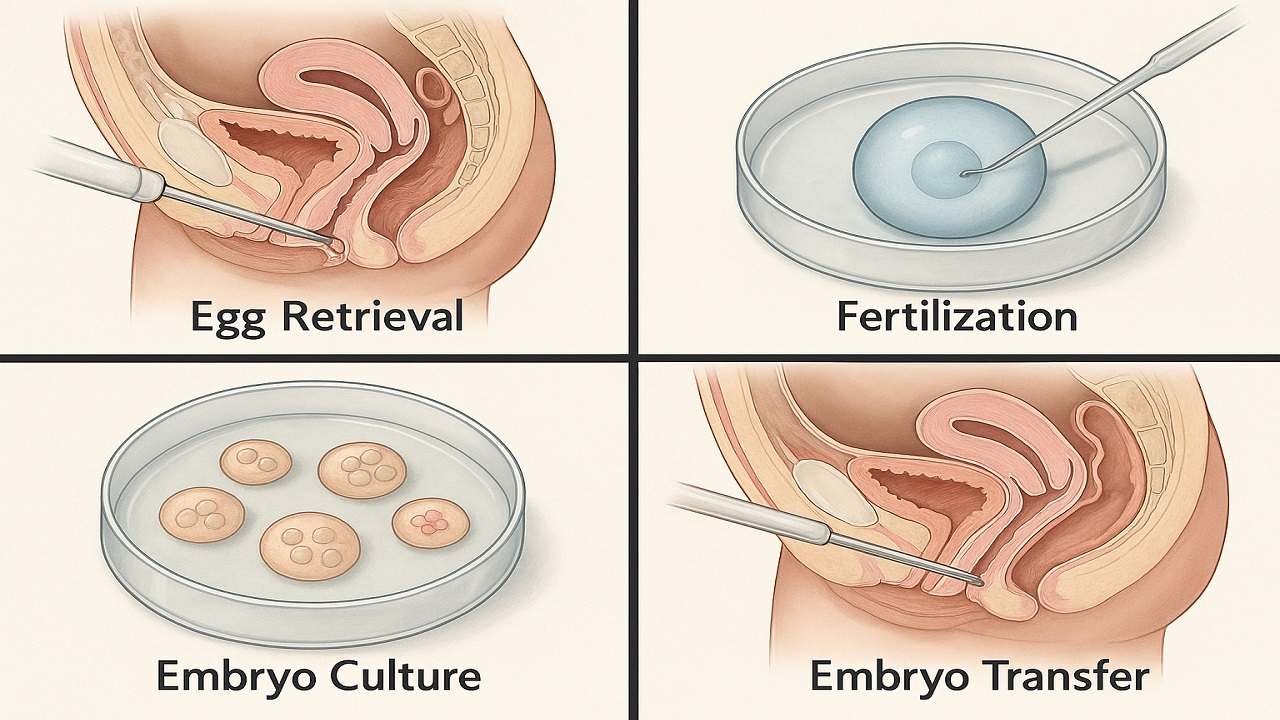
In Vitro Fertilization (IVF) process step by step, emphasising the importance of various stages such as ovarian stimulation, egg retrieval, fertilization, and embryo transfer in maximising the In Vitro Fertilization (IVF) Success Rate. It highlights how a thorough understanding of the procedure can prepare couples and individuals for their In Vitro Fertilization(IVF) journey, ultimately improving their chances of achieving a successful pregnancy.
Vitamin D Deficiency Affect IVF outcomes by influencing endometrial receptivity, embryo quality, and hormone balance. Clinical evidence, age-specific risks, and PCOS implications, while offering actionable strategies to optimize Vitamin D levels and improve IVF success rates and pregnancy outcomes in a structured, patient-focused approach.
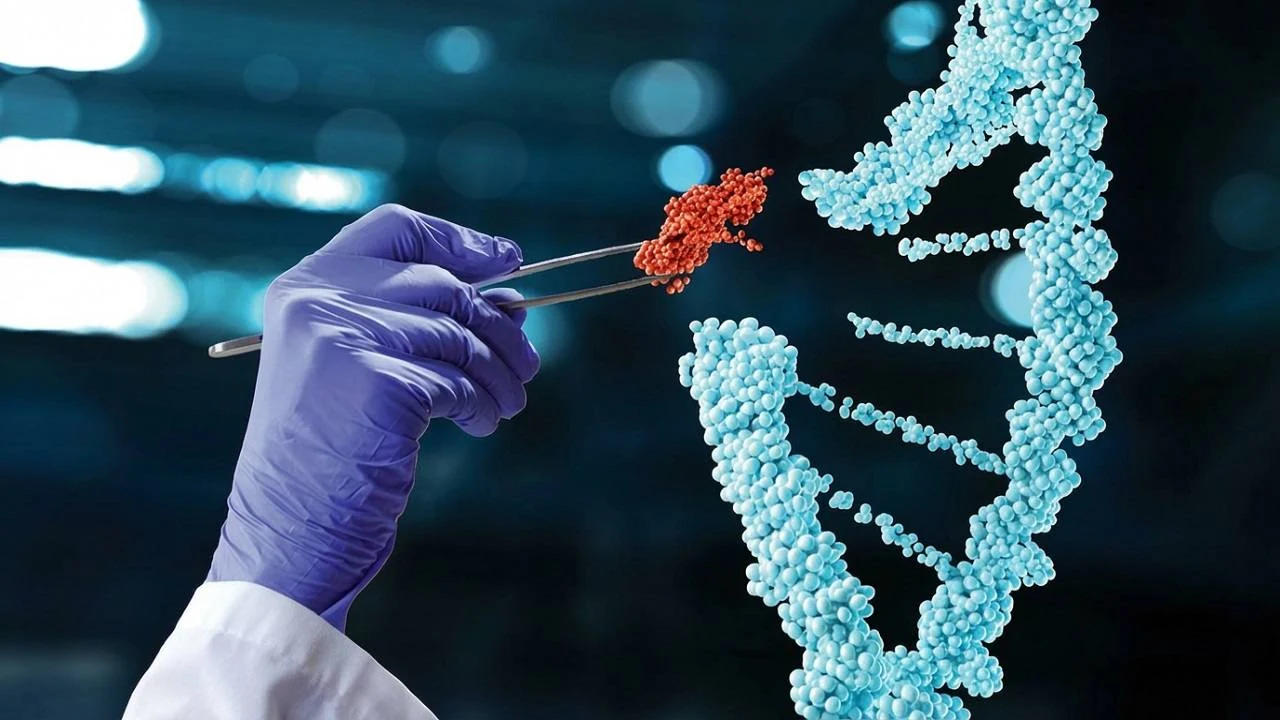
Preimplantation Genetic Testing (PGT) revolutionizes IVF by screening embryos for chromosomal abnormalities and genetic disorders before transfer. This advanced technology increases pregnancy success rates, reduces miscarriage risk, prevents inherited diseases, and shortens time to pregnancy while providing diagnostic clarity and reducing emotional stress for couples.
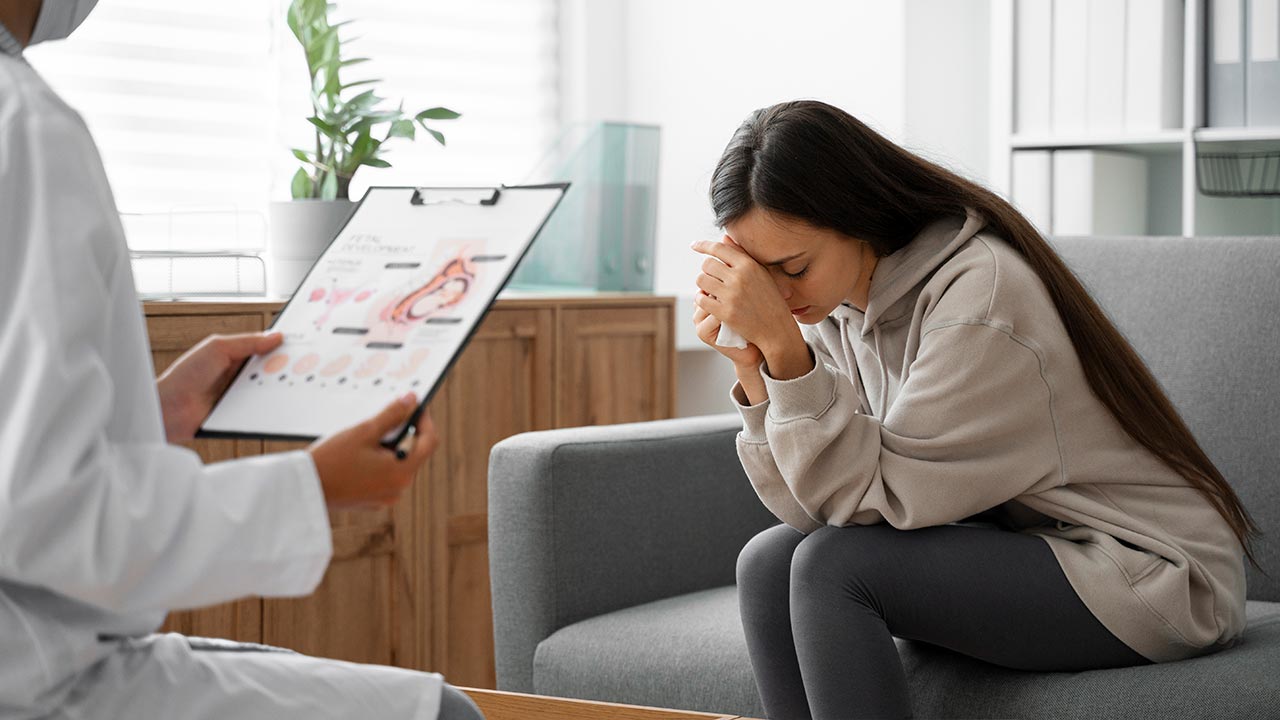
Clinical evidence increasingly demonstrates that emotional stress or grief reduces the chances of IVF success through sophisticated biochemical pathways that directly influence reproductive physiology. This relationship extends far beyond simple correlations, revealing profound mechanistic connections between psychological distress and the delicate orchestration of hormonal events essential for successful conception.
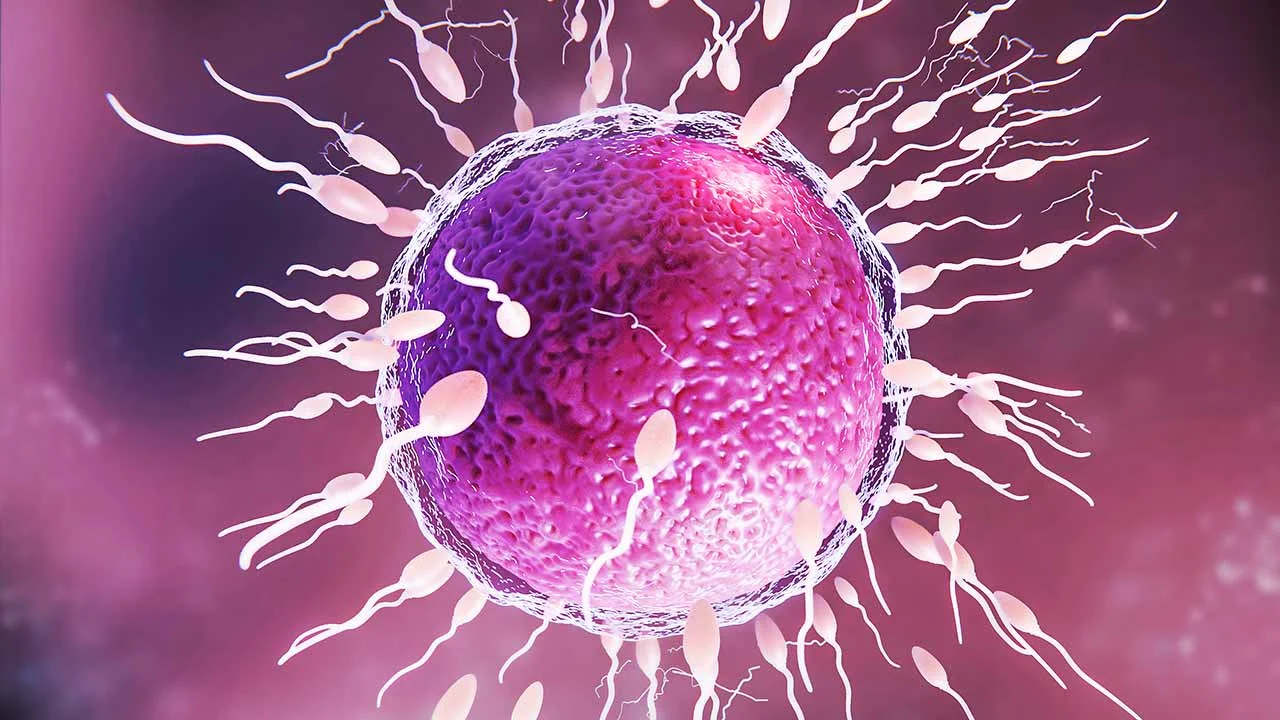
IVF in 2025 is shifting from hype to evidence-based innovation. As precision, automation, AI, and genetic advances reshape fertility care, patients must distinguish proven breakthroughs from outdated add-ons. This guide examines five groundbreaking IVF technologies in 2025 to understand which advances genuinely improve outcomes

Managing Recurrent Implantation Failure (RIF) outlines evidence-based diagnostics and treatment pathways to improve IVF success rates, emphasizing clarity, cautious use of add-ons, and realistic patient expectations.