Home
 ArticlesArticles
The unique challenges of In Vitro Fertilization (IVF) for women over 40 and highlights various solutions, including egg donation and personalised treatment plans. It emphasises that advancements in reproductive medicine are empowering many women seeking In Vitro Fertilization (IVF) for women over 40 to fulfill their dreams of parenthood.




One of the most transformative assisted reproductive technologies is In vitro fertilisation (IVF), which has enabled couples to become pregnant, particularly women over 40 who may have difficulty conceiving naturally. IVF for women over 40 has become an increasingly viable option due to medical advancements, allowing many to overcome age-related fertility challenges. Fertility declines naturally with age, but IVF gives women in their 40s a chance to fulfil their dreams of having children. Even though IVF does present some challenges for women older than 40, the good news is that the progress in reproductive medicine and individualised care is allowing many women to get around these challenges.
Fertility declines with age, and for women over 40, there are a few unique challenges with IVF. But these issues don't make pregnancy impossible; thousands of women over 40 have conceived via IVF. The key is understanding the factors that are in play as well as the ways ofIVF.
1. Egg Quality and Quantity in IVF for Women Over 40
However, as women age, the number of eggs in their ovaries naturally decreases, and with that, the quality of the remaining eggs may also decline. This can make it more difficult for an egg to be fertilised or grow into a healthy embryo. Women over the age of 40 face a heightened risk of chromosomal abnormalities, such as Down syndrome, in their eggs.
2. Uterine Function and Endometrial Health
The endometrium, or the inner lining of the uterus, also ages. Genetic abnormalities in the embryo can cause problems with implantation, while a thinner uterine lining or other uterine issues can complicate successful implantation.
3. Lower Ovarian Reserve and IVF for Women Over 40
Ovarian reserve is the number of available eggs a woman has for fertilisation purposes. The smaller ovarian reserve that women have by their 40s can lessen the number of eggs harvested per IVF cycle.
4. Lower Success Rates
It is true that IVF success rates decline naturally with age, particularly among women over 40. It is important to understand that the odds of achieving a successful pregnancy via IVF are typically less than those achievable by younger women, and that can understandably be of concern to many women seeking IVF.
5. Increased Need for Monitoring and Customisation
During an IVF cycle, women over 40 may require closer monitoring for hormone levels, egg development, and embryo quality. This may call for a more specialised, hands-on approach from fertility specialists.

While IVF for women over 40 presents its own peculiar obstacles, there are also many options that empower women to achieve pregnancy later in life. Here are the solutions that IVF treatment offers to women over 40 who are facing these challenges:
1. Use of Donor Eggs
The solution for women over 40 whose eggs may no longer be viable for successful fertilisation is egg donation, a highly effective way to help women achieve pregnancy, no matter whether they are in their late 40s or early 50s. Donor eggs come from donors who are often women under 35, which vastly improves the chances of fertilisation and a successful pregnancy.
2. Freezing and Testing Embryos Genetic
Egg freezing (oocyte cryopreservation) is a proactive solution for women who are not ready to conceive but are looking to preserve their fertility. Experts typically recommend this for younger women who may want to delay pregnancy until later in life. Moreover, embryos can be genetically screened to ensure only the healthiest are transferred, further increasing the chances of successful pregnancy and reducing the risk of genetic disorders.
3. Personalized Treatment Plans
Every woman’s journey to fertility is different, and fertility experts collaborate extensively with women over 40 to develop a customisable treatment plan. IVF for women over 40 is getting more personalised, and the same goes for its treatment, as ladies’ stimulation protocols and tracking schedules are being tailored accordingly.
4. Advances in IVF Technology
There have been numerous advancements in technological development that have helped procreation. Embryo freezing, genetic testing, and improved culture media for growing embryos in the lab are among the practices improving outcomes for women over 40. All of these advances make IVF more effective and attainable for older women who now have increased chances of falling pregnant.
5. Ongoing Emotional and Psychosocial Support
Fertility treatments, particularly IVF, are emotionally and physically taxing. Numerous clinics provide counselling and support groups to help women through the stress and emotions of the IVF process. This reassurance is essential in encouraging the women to remain positive and focused on their fertility goals.
Although women over 40 may face certain challenges with IVF, recent advancements in fertility treatments and personalised care make it a realistic and effective option for many. By exploring the possibilities of egg donation, genetic testing, customised IVF protocols, and emotional well-being, women over 40 can successfully navigate the IVF journey. These advances make the dream of motherhood very much alive for women who select IVF in their later years. IVF is freeing women to become mothers when they want, regardless of age.


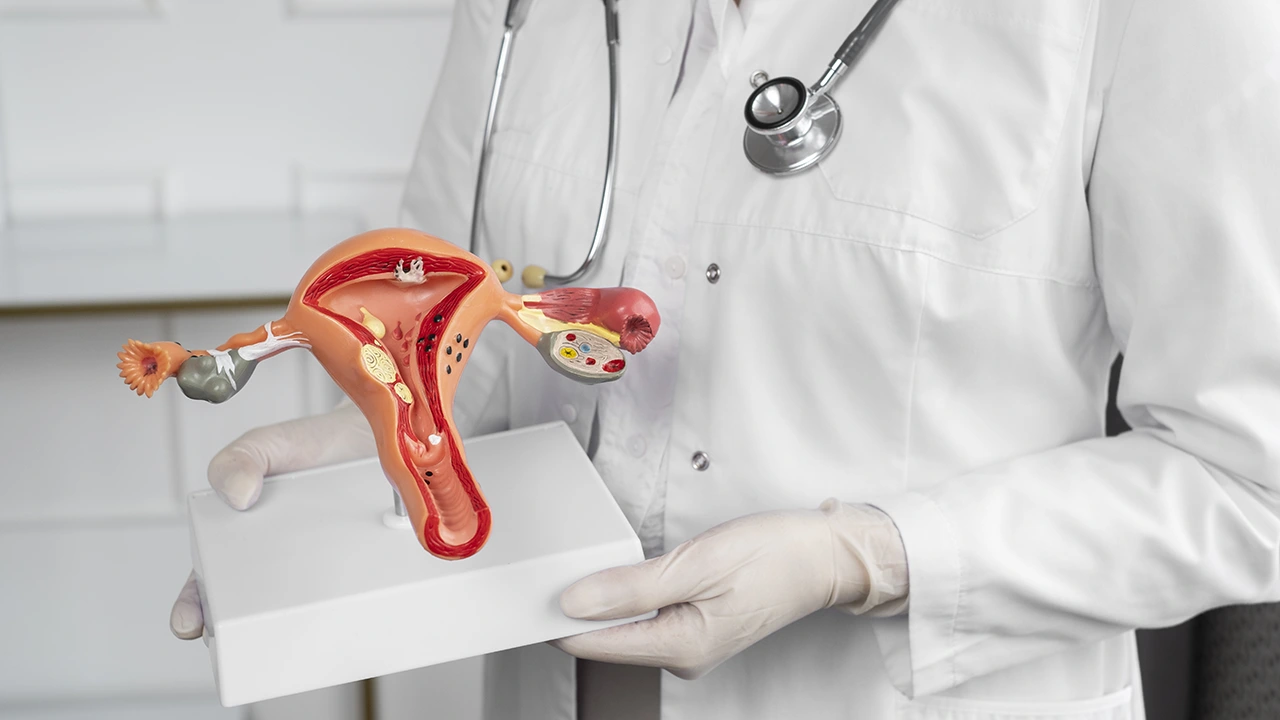
Womb transplantation is giving women with absolute uterine factor infertility the chance to carry and deliver their own child. This article explains how the process works from donor to delivery, who may be suitable, the risks involved and what recent births from living and deceased donors mean for patients.

Advanced female age causes fertility decline through reduced egg quantity, increased chromosomal abnormalities, and mitochondrial dysfunction. Understanding these biological mechanisms helps women make informed family planning decisions. Modern fertility treatments including IVF, preimplantation genetic testing, and egg freezing offer practical solutions to overcome age-related reproductive challenges when trying to conceive.
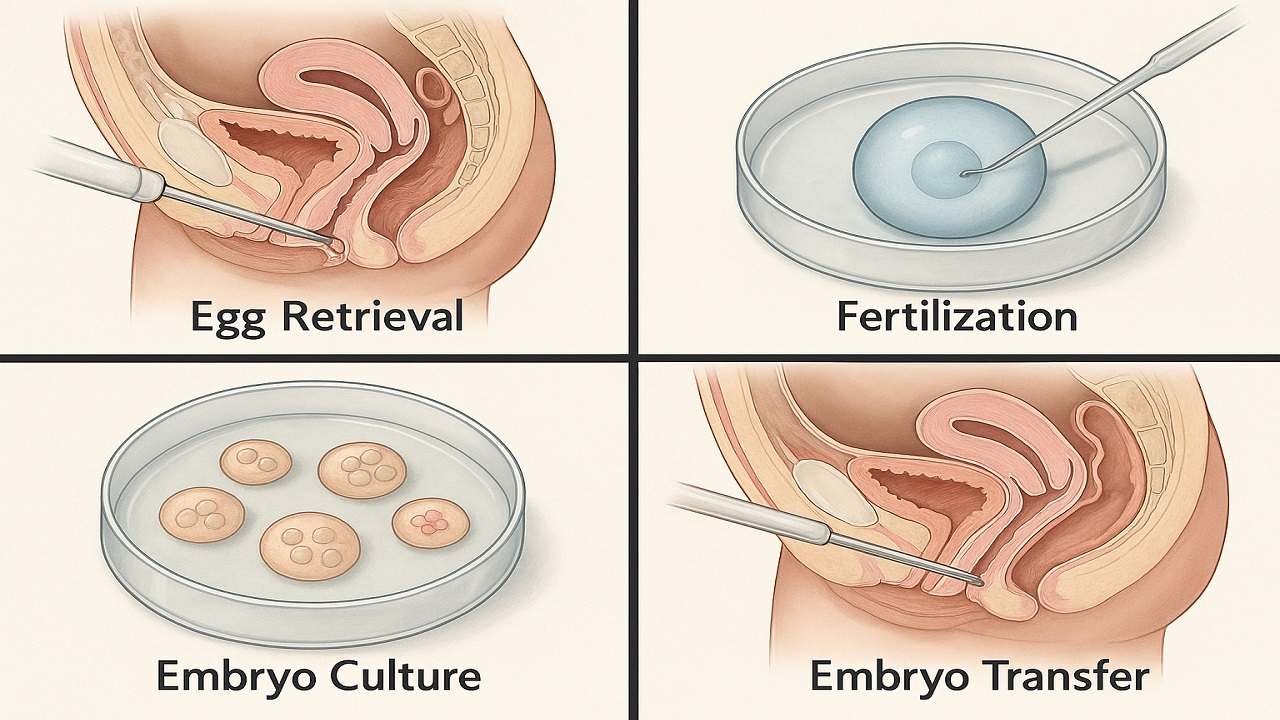
In Vitro Fertilization (IVF) process step by step, emphasising the importance of various stages such as ovarian stimulation, egg retrieval, fertilization, and embryo transfer in maximising the In Vitro Fertilization (IVF) Success Rate. It highlights how a thorough understanding of the procedure can prepare couples and individuals for their In Vitro Fertilization(IVF) journey, ultimately improving their chances of achieving a successful pregnancy.

Vitamin D Deficiency Affect IVF outcomes by influencing endometrial receptivity, embryo quality, and hormone balance. Clinical evidence, age-specific risks, and PCOS implications, while offering actionable strategies to optimize Vitamin D levels and improve IVF success rates and pregnancy outcomes in a structured, patient-focused approach.
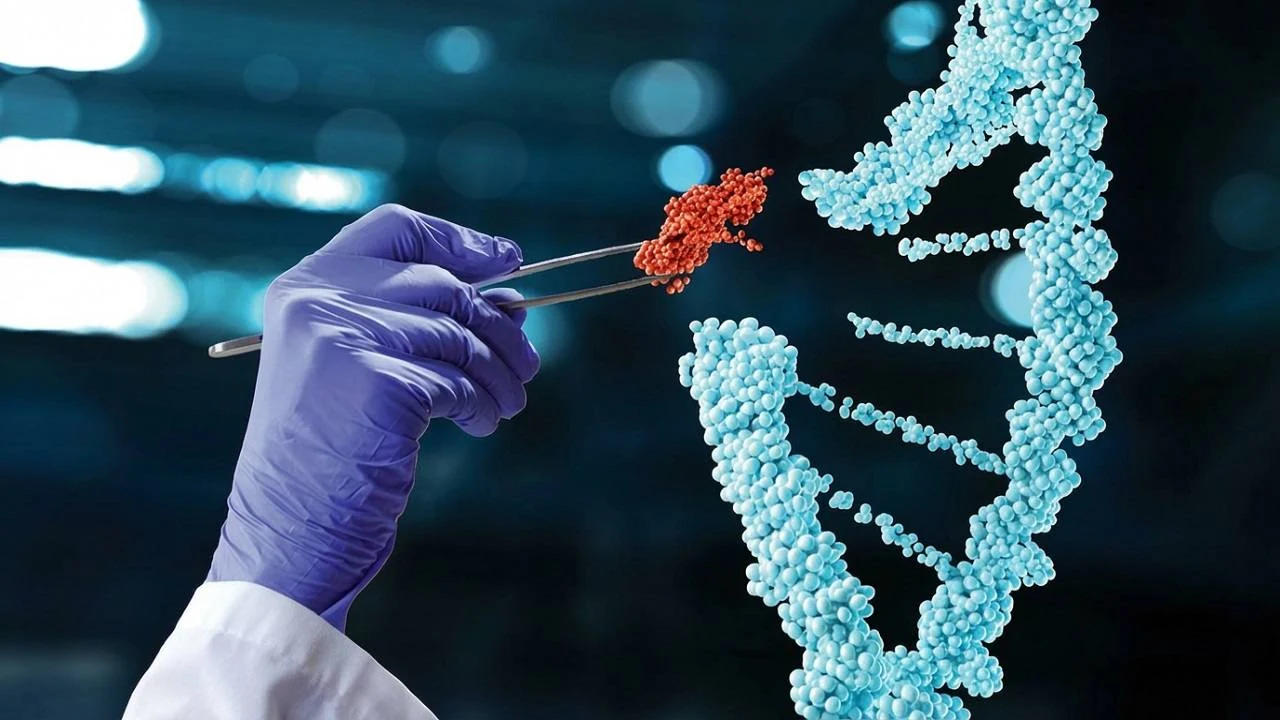
Preimplantation Genetic Testing (PGT) revolutionizes IVF by screening embryos for chromosomal abnormalities and genetic disorders before transfer. This advanced technology increases pregnancy success rates, reduces miscarriage risk, prevents inherited diseases, and shortens time to pregnancy while providing diagnostic clarity and reducing emotional stress for couples.

Clinical evidence increasingly demonstrates that emotional stress or grief reduces the chances of IVF success through sophisticated biochemical pathways that directly influence reproductive physiology. This relationship extends far beyond simple correlations, revealing profound mechanistic connections between psychological distress and the delicate orchestration of hormonal events essential for successful conception.
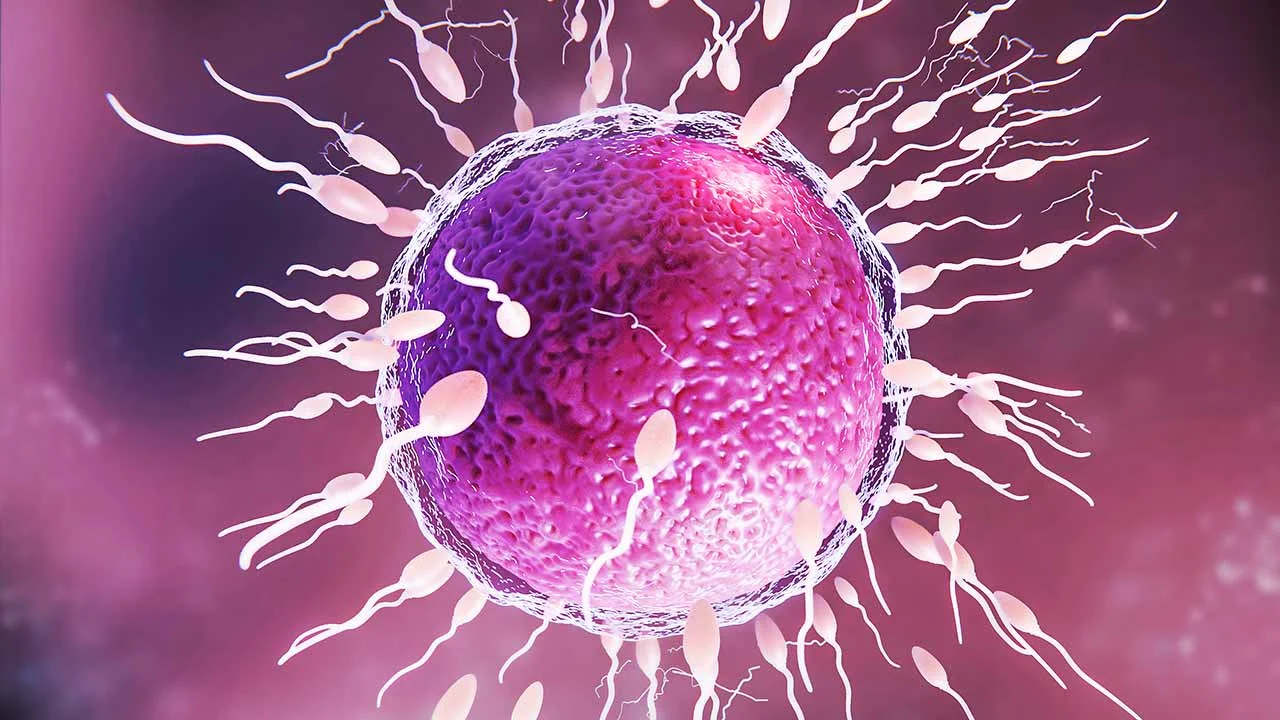
IVF in 2025 is shifting from hype to evidence-based innovation. As precision, automation, AI, and genetic advances reshape fertility care, patients must distinguish proven breakthroughs from outdated add-ons. This guide examines five groundbreaking IVF technologies in 2025 to understand which advances genuinely improve outcomes