Home
 ArticlesArticles
Groundbreaking birth of Louise Brown, the first In Vitro Fertilization (IVF) baby, which marked a significant milestone in reproductive medicine. The birth of Louise Brown not only represented hope for couples struggling with infertility but also led to advancements in assisted reproductive technologies worldwide.



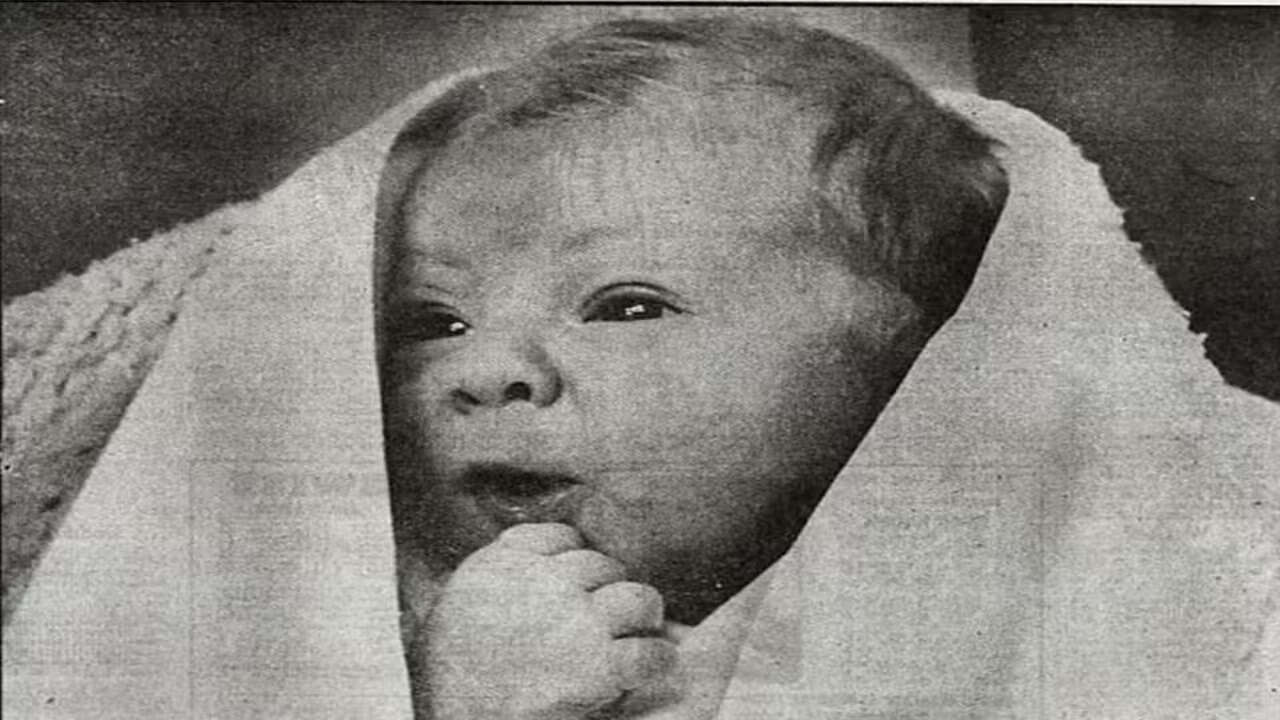
On July 25, 1978, the birth of Louise Brown marked a milestone in the history of reproductive medicine. Louise, often called the most famous baby of the 20th century, was born on July 25, 1978, marking a scientific breakthrough and offering new hope for many families affected by infertility. Her arrival was the result of years of research, innovation, and perseverance, and she remains an icon that inspires advancements in reproductive health today.
Louise Brown, her tale started with Lesley and John Brown, a couple from Oldham, Greater Manchester, England, who had been struggling to conceive for years. Lesley had a medical condition called blocked fallopian tubes, which meant that her natural conception was impossible. For years, the Browns had tried every treatment that doctors recommended to address their ailments, but the traditional approach had not been effective.
By the late 1970s, infertility was increasingly acknowledged as a medical problem, but the available options for couples like the Browns were limited. At that point, there were no assisted reproductive techniques widely available, and the concept of “test-tube babies” was little more than a distant hope. But that was about to change forever thanks to the work of two trailblazing scientists: Dr. Robert Edwards and Dr. Patrick Steptoe.
Louise Brown is the world’s first “test-tube baby,” thanks to the pioneering work of Dr. Robert Edwards, a physiologist, and Dr. Patrick Steptoe, a gynecologist. Dr. Edwards, qualified in human physiology, had been studying human fertilization and successful implantation of the subsequent embryo. Dr. Steptoe, a pioneer of laparoscopic surgery, had mastered a minimally invasive way to extract eggs from a woman’s ovaries, which is a critical part of the in vitro fertilization process.
In the early 1970s, Edwards and Steptoe started working on the concept of fertilizing an egg outside the body (in vitro, or “in glass”) and then reinserting the embryo into the mother’s womb. It was hoped that this procedure, which would later be known as IVF, would help to overcome many of the barriers to conception, particularly for women with damaged or blocked fallopian tubes, as Lesley Brown did.
Their research encountered scepticism and resistance from some in the medical community, who were unsure whether such a procedure was possible or even ethical. Undeterred, the pair threw themselves into their work, performing experiments on rabbits and other animals. By the mid-1970s, they had honed their technique to such a degree that they felt ready to attempt it on humans.
Brown was the first candidate chosen to undergo the experimental IVF procedure after experiencing infertility for several years. Suffering from endometriosis, she began treatment at Oldham General Hospital in November 1977 under the supervision of Dr. Steptoe. Fertility hormones helped stimulate her ovaries to create multiple eggs, which is an essential aspect of the IVF process. Dr. Steptoe then carefully harvested the eggs from Lesley's ovaries using laparoscopic surgery, a relatively new technique at the time. The eggs were then fertilized in a lab by Dr. Edwards with sperm from Lesley’s husband, John. The resulting fertilized eggs were then incubated in a laboratory for several days, developing into embryos.
The next important step was to transfer one of the embryos back into Lesley’s uterus. This procedure was done in November 1977, and after an agonising wait, Lesley was indeed pregnant. Pregnancy was closely monitored, and after months of tests and evaluations, the doctors confirmed that the pregnancy was proceeding as normal.
Louise Joy Brown was delivered by caesarean section on July 25, 1978, after a carefully controlled and monitored pregnancy. She was a healthy, strong 5 pounds 12 ounces and made history as the first human being conceived from an IVF procedure.
The momentous birth of Louise Brown was a landmark moment, not just for reproductive medicine, but for the whole discipline of science and health care. IVF was no longer an abstract possibility; it was real. Louise’s birth brought joy to the Browns but also represented hope for millions of couples around the world who were attempting to conceive and struggling with infertility. Some 1 in 6 couples struggled with conception when Louise Brown was born, and for many people, her birth offered the first real chance they’d had of having a child when everything else appeared hopeless.
The birth ushered in an era of overnight fame for In vitro fertilisation (IVF), and many other couples suffering from infertility rushed towards the new technique. Clinics gradually began to adopt IVF protocols, leading to a wider acceptance of IVF treatments. The success of IVF paved the way for a variety of other assisted reproductive techniques (ART), such as egg sampling, ICSI (Intracytoplasmic Sperm Injection), and embryo screening, giving couples additional options to aid in childbirth.
Louise’s birth also represented a turning point in reproductive health. This period also saw increased sharing of fertility research, greater awareness of infertility issues, and the eventual emergence of a variety of fertility treatments. The debate surrounding the ethics of assisted reproduction includes concerns about embryo manipulation, genetic testing, and the regulation of fertility treatments.

The birth of Louise Brown was an international sensation. She was a miracle baby, and Dr. Edwards and Dr. Steptoe were celebrated for their pioneering work. Dr. Steptoe died in 1988, but Dr. Edwards worked for years on fertility, gaining acclaim as a pioneer of IVF. Dr. Edwards received the Nobel Prize in Physiology or Medicine in 2010 for his role in developing IVF.
Growing up, the “first IVF baby” was an experience like no other for Louise Brown herself. She was a constant presence in public life but led a mostly private life. Ruth Louise has since taken the mantle of infertility awareness and ART, using her story to educate and shed light on the process of assisted reproduction. She has said she sees that journey as a source of hope for others.
Today, IVF is a common, routine treatment; the technique has led to millions of babies being born worldwide. Sure, in many ways, Louise Brown’s birth is the cornerstone of modern fertility treatments. Not just changing the lives of her parents but changing the very fabric of medical history and bringing hope to thousands of individuals and couples hoping to realise their dreams of becoming parents.
The birth of Louise Brown on July 25, 1978, ushered in a new era in reproductive medicine. Louise’s birth not only showcased the amazing possibilities of assisted reproductive technology, but it also provided hope to millions suffering from infertility. Her birth is a testament to the brilliance, dedication, and perseverance of the scientists and doctors whose efforts made IVF possible. Now, decades later, IVF is still changing lives and giving hope to families everywhere, and it's all due to the groundbreaking work of Dr. Robert Edwards and Dr. Patrick Steptoe and the miracle of life that is Louise Brown.


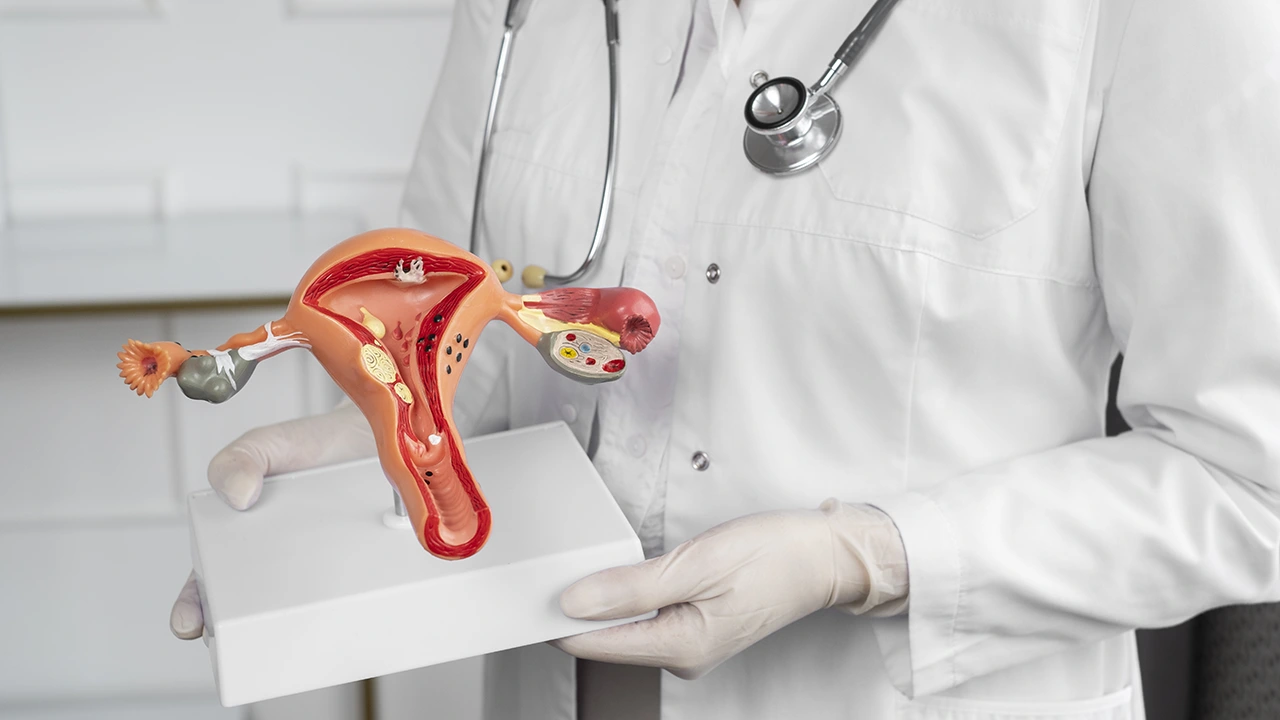
Womb transplantation is giving women with absolute uterine factor infertility the chance to carry and deliver their own child. This article explains how the process works from donor to delivery, who may be suitable, the risks involved and what recent births from living and deceased donors mean for patients.

Advanced female age causes fertility decline through reduced egg quantity, increased chromosomal abnormalities, and mitochondrial dysfunction. Understanding these biological mechanisms helps women make informed family planning decisions. Modern fertility treatments including IVF, preimplantation genetic testing, and egg freezing offer practical solutions to overcome age-related reproductive challenges when trying to conceive.
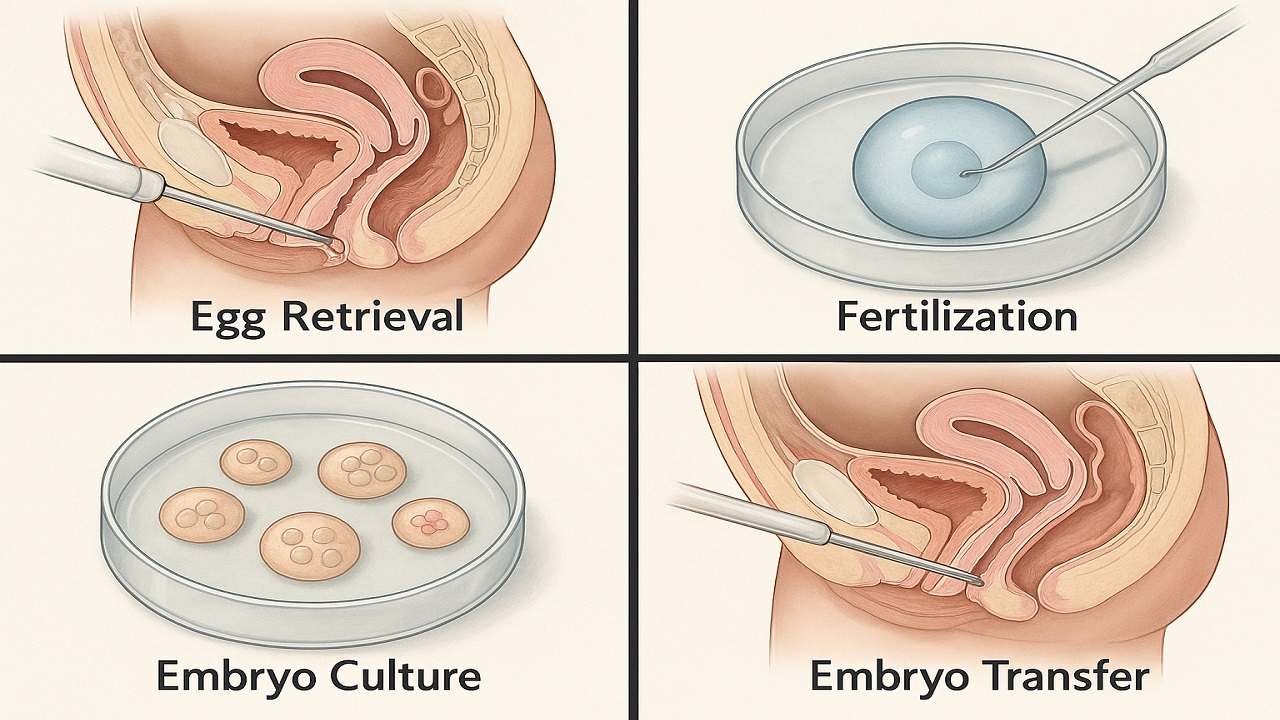
In Vitro Fertilization (IVF) process step by step, emphasising the importance of various stages such as ovarian stimulation, egg retrieval, fertilization, and embryo transfer in maximising the In Vitro Fertilization (IVF) Success Rate. It highlights how a thorough understanding of the procedure can prepare couples and individuals for their In Vitro Fertilization(IVF) journey, ultimately improving their chances of achieving a successful pregnancy.
Vitamin D Deficiency Affect IVF outcomes by influencing endometrial receptivity, embryo quality, and hormone balance. Clinical evidence, age-specific risks, and PCOS implications, while offering actionable strategies to optimize Vitamin D levels and improve IVF success rates and pregnancy outcomes in a structured, patient-focused approach.
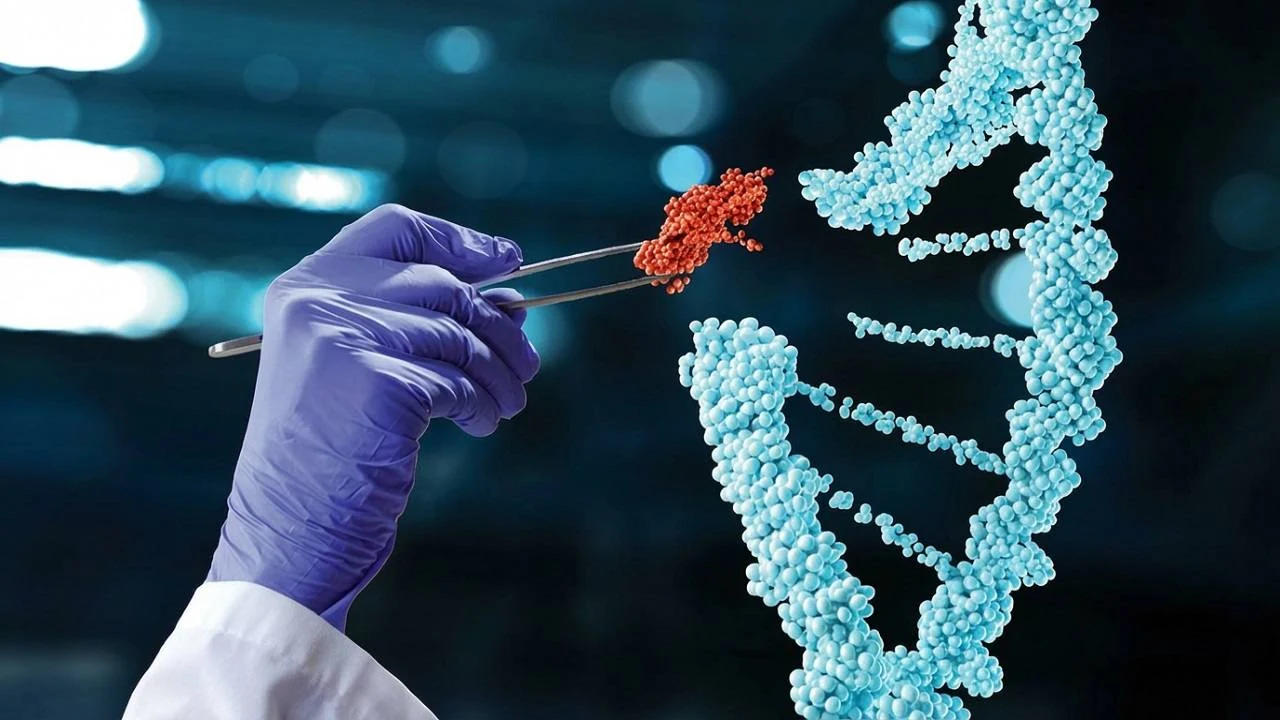
Preimplantation Genetic Testing (PGT) revolutionizes IVF by screening embryos for chromosomal abnormalities and genetic disorders before transfer. This advanced technology increases pregnancy success rates, reduces miscarriage risk, prevents inherited diseases, and shortens time to pregnancy while providing diagnostic clarity and reducing emotional stress for couples.
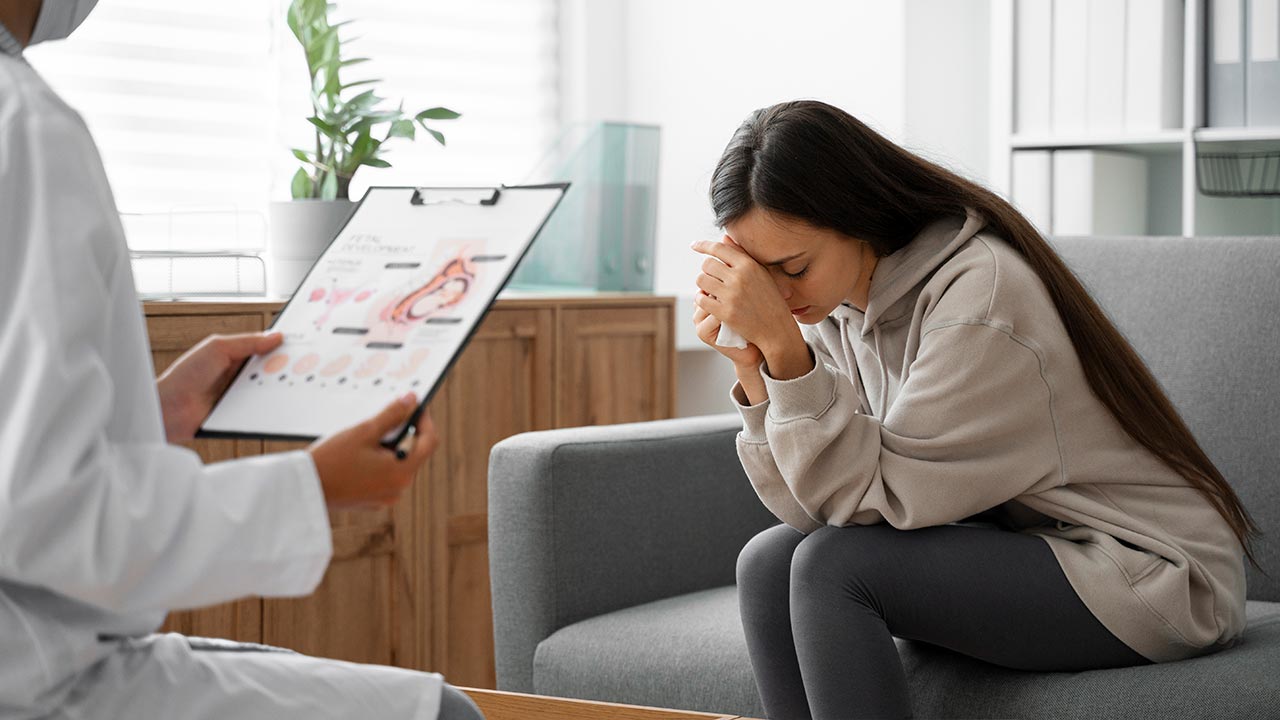
Clinical evidence increasingly demonstrates that emotional stress or grief reduces the chances of IVF success through sophisticated biochemical pathways that directly influence reproductive physiology. This relationship extends far beyond simple correlations, revealing profound mechanistic connections between psychological distress and the delicate orchestration of hormonal events essential for successful conception.
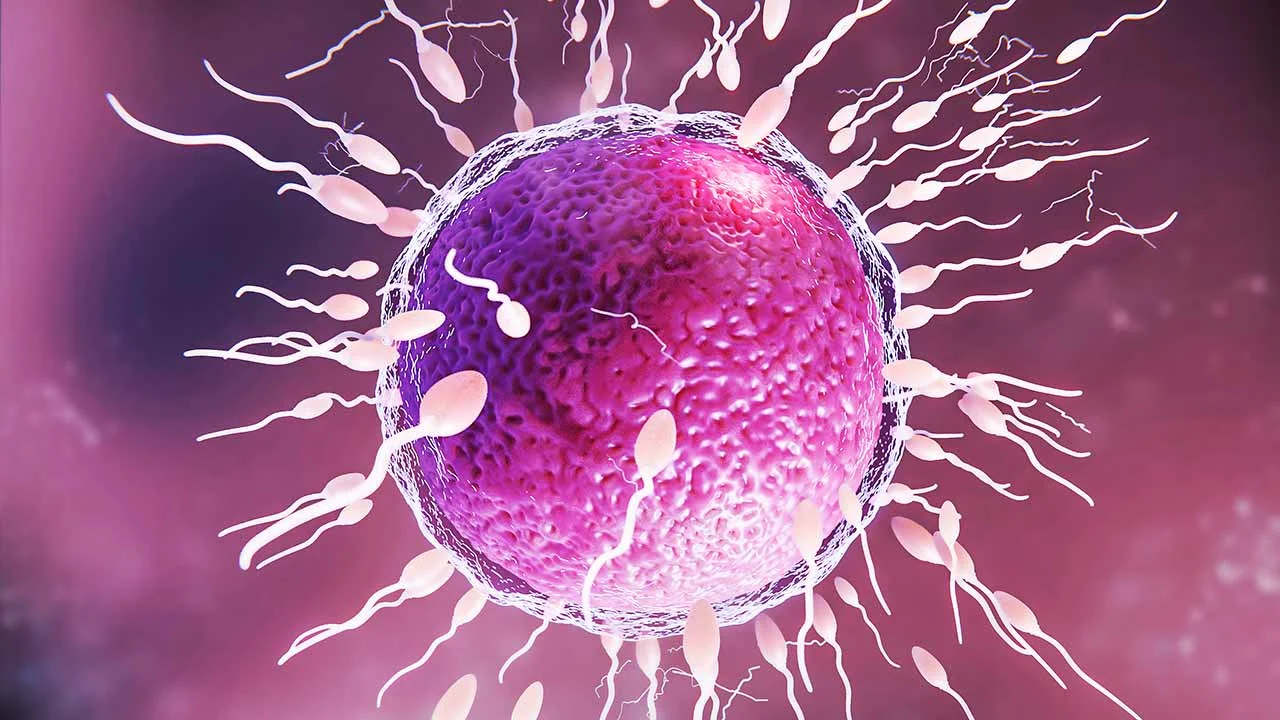
IVF in 2025 is shifting from hype to evidence-based innovation. As precision, automation, AI, and genetic advances reshape fertility care, patients must distinguish proven breakthroughs from outdated add-ons. This guide examines five groundbreaking IVF technologies in 2025 to understand which advances genuinely improve outcomes