Home
 ArticlesArticles
Innovative technologies that replicate natural sperm selection processes to identify high-quality sperm for assisted reproductive techniques like IVF and ICSI. It highlights the use of biomimetic microfluidics, which filters sperm based on motility, and the integration of artificial intelligence for precise sperm quality assessment.



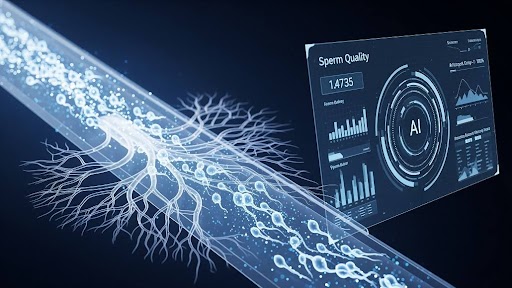
In assisted reproduction, sperm selection technology is crucial for optimizing fertilization success and healthy embryo development. Nature itself ensures this through a rigorous selection process within the female reproductive tract, where only sperm with superior motility, morphology, and DNA integrity reach the egg. Replicating this natural selection in a laboratory setting has long been a goal for fertility specialists and researchers. Recent technological advancements now allow us to mimic these biological selection mechanisms, enhancing sperm quality identification to improve outcomes in procedures such as in vitro fertilization (IVF) and intracytoplasmic sperm injection (ICSI).
Complementing the physical sorting of sperm, artificial intelligence (AI) has transformed semen quality evaluation. High-resolution imaging combined with AI algorithms enables automated, detailed analysis of sperm morphology, motility patterns, and vitality metrics at a scale and precision unattainable by manual observation. Machine learning models trained on extensive datasets discern subtle morphological nuances and kinetic parameters that correlate strongly with fertilization success and embryo viability.
This technological synergy allows for real-time, objective sperm selection decisions. AI systems not only reduce the subjectivity and variability associated with manual semen analysis but also integrate multi-parametric assessment morphology, motility, DNA fragmentation, and vitality into a comprehensive sperm quality score. Fertility clinics can leverage this detailed profiling to select sperm that maximize fertilization potential while reducing the likelihood of genetic abnormalities.
The integration of biomimetic microfluidics and AI-driven selection methods has profound implications for assisted reproductive technologies. Couples undergoing IVF or ICSI benefit from improved fertilization rates, higher-quality embryos, and increased chances of successful pregnancies without resorting to invasive sperm retrieval techniques or multiple cycles.
Additionally, these technologies reduce sperm DNA damage often induced by traditional preparation techniques, minimizing risks related to genetic defects and miscarriages. They also offer faster turnaround times and lower sample volumes, expanding access for patients with limited sperm counts or poor semen quality.
Ongoing research continues to refine these technologies, introducing more sophisticated microenvironment simulations that mimic hormonal and biochemical cues present in vivo. Emerging platforms aim to pair sperm selection with non-invasive sperm health diagnostics, enabling simultaneous sorting and health screening.
Additionally, advancements in AI will further personalize sperm selection by correlating detailed sperm profiles with patient-specific factors and reproductive outcomes. This approach promises to elevate precision medicine within fertility care, tailoring interventions to each patient's unique reproductive biology.
Replicating natural sperm selection through innovative technologies like microfluidics and artificial intelligence marks a significant leap forward in reproductive medicine. These advancements enable the isolation of high-quality sperm with superior motility, morphology, and genetic integrity, ultimately enhancing the success rates of assisted reproduction. As ongoing innovation unfolds, these biomimetic and AI-powered methodologies will continue shaping the future of fertility treatments with higher precision and improved clinical outcomes.


Immunotherapy in restoring human fertility is emerging as a promising approach for addressing immune-related reproductive disorders. Recent clinical advances highlight its potential to improve implantation, pregnancy outcomes, and reproductive health, offering renewed hope for patients facing infertility linked to immune system dysfunction.

The smart fertility tracker market has transformed male fertility diagnostics, but how reliable are these devices? This report examines what at-home sperm tests actually measure, where they fall short compared to clinical analysis, and how men and couples can use them appropriately within a broader reproductive care pathway.
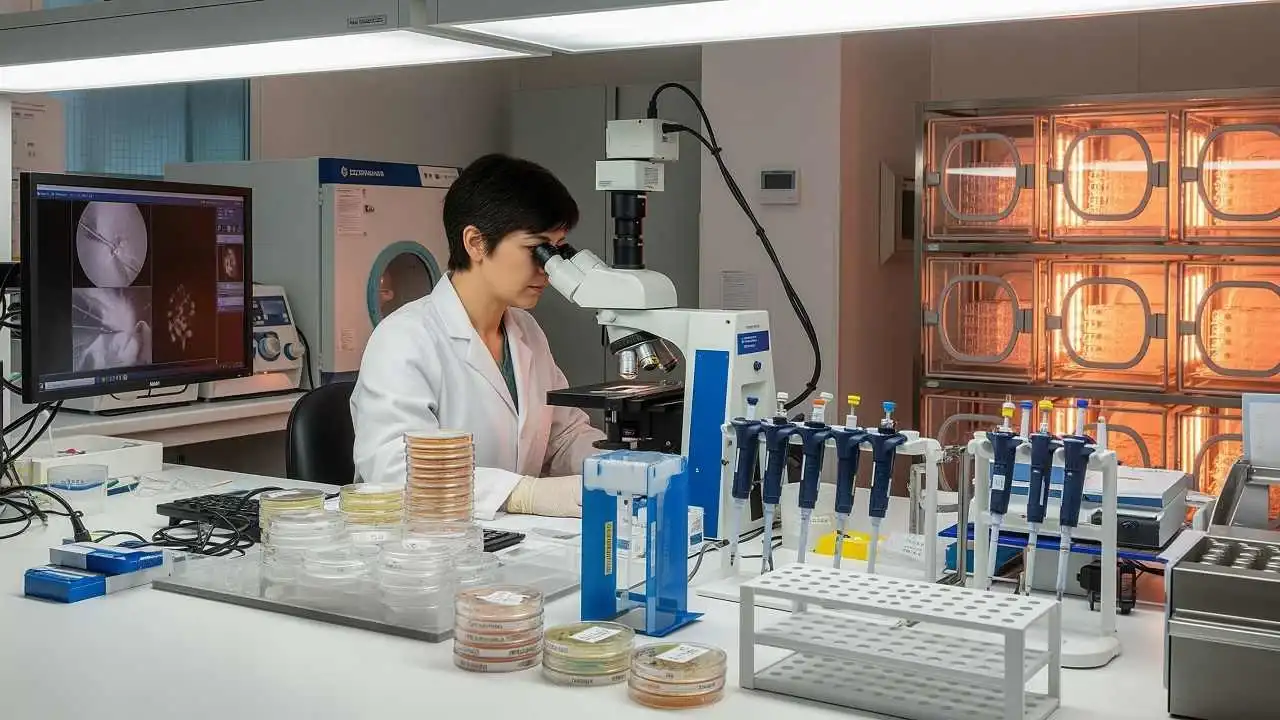
The distinct assisted reproductive technologies of Intrauterine Insemination (IUI), In Vitro Fertilization (IVF), and Intracytoplasmic Sperm Injection (ICSI). It outlines how each procedure works, the medical indications for their use, and their respective success rates. The importance of choosing the right treatment based on factors such as patient age, infertility diagnosis, and personal circumstances.
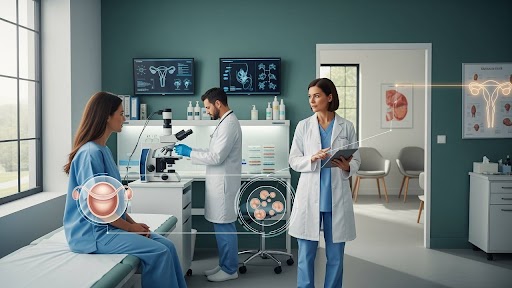
Assisted Reproductive Technology (ART), a groundbreaking medical field that provides solutions for individuals and couples facing fertility challenges. It defines ART, explains its core techniques such as In Vitro Fertilization (IVF) and Intracytoplasmic Sperm Injection (ICSI), and discusses clinical applications and success rates.

Common questions about pregnancy with polycystic ovary syndrome (PCOS) through IVF and IUI. It discusses PCOS-related infertility, success rates, treatment options, and the importance of personalised protocols. Emphasising holistic care and emotional support, it offers hope and insights for women navigating the challenges of PCOS.

The potential of stem cells to improve ovarian reserve and egg quality, focusing on their application in women with diminished fertility. It discusses how mesenchymal stem cells and other stem cell therapies can rejuvenate ovarian function by enhancing the ovarian environment, promoting tissue repair, and stimulating follicle growth. While the therapy shows promise, the article emphasizes the need for more extensive studies to understand its efficacy and safety.
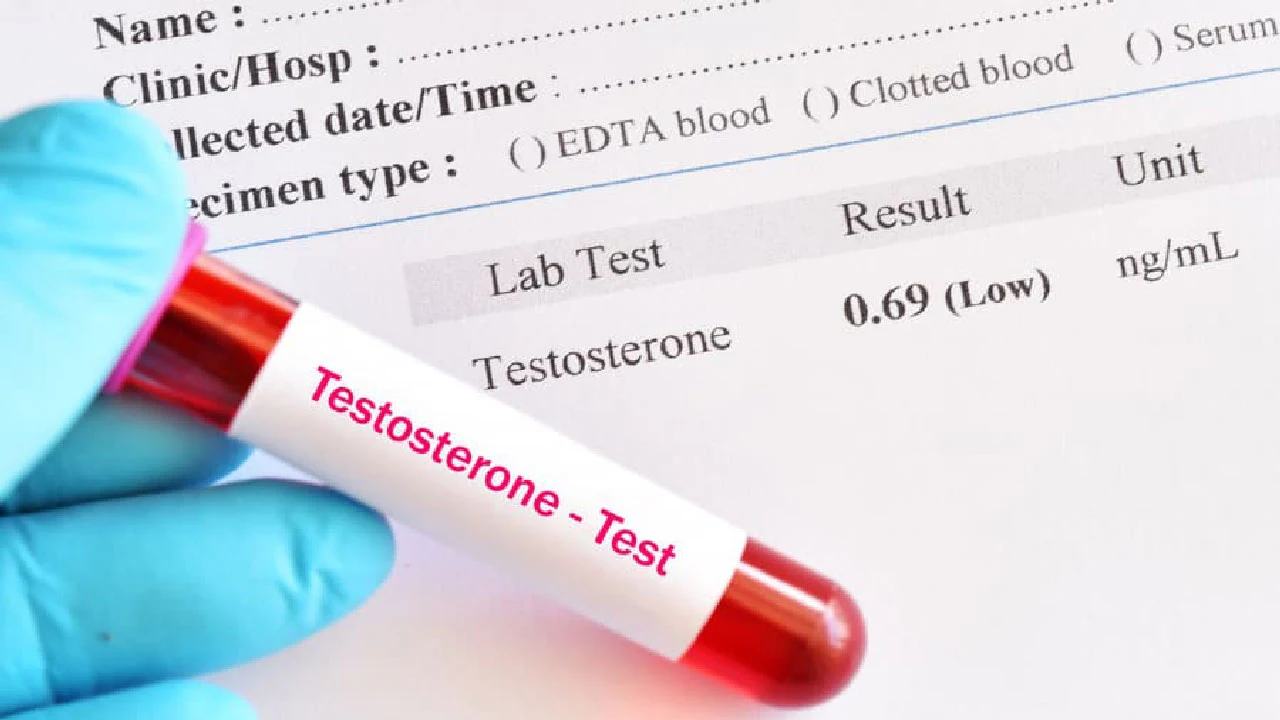
Clinical pearls for treating infertility and low testosterone in men, emphasizing reproductive goal assessment, empiric medical therapies, and comprehensive multidisciplinary management strategies.