Home
 ArticlesArticles
In Vitro Fertilization (IVF) process step by step, emphasising the importance of various stages such as ovarian stimulation, egg retrieval, fertilization, and embryo transfer in maximising the In Vitro Fertilization (IVF) Success Rate. It highlights how a thorough understanding of the procedure can prepare couples and individuals for their In Vitro Fertilization(IVF) journey, ultimately improving their chances of achieving a successful pregnancy.



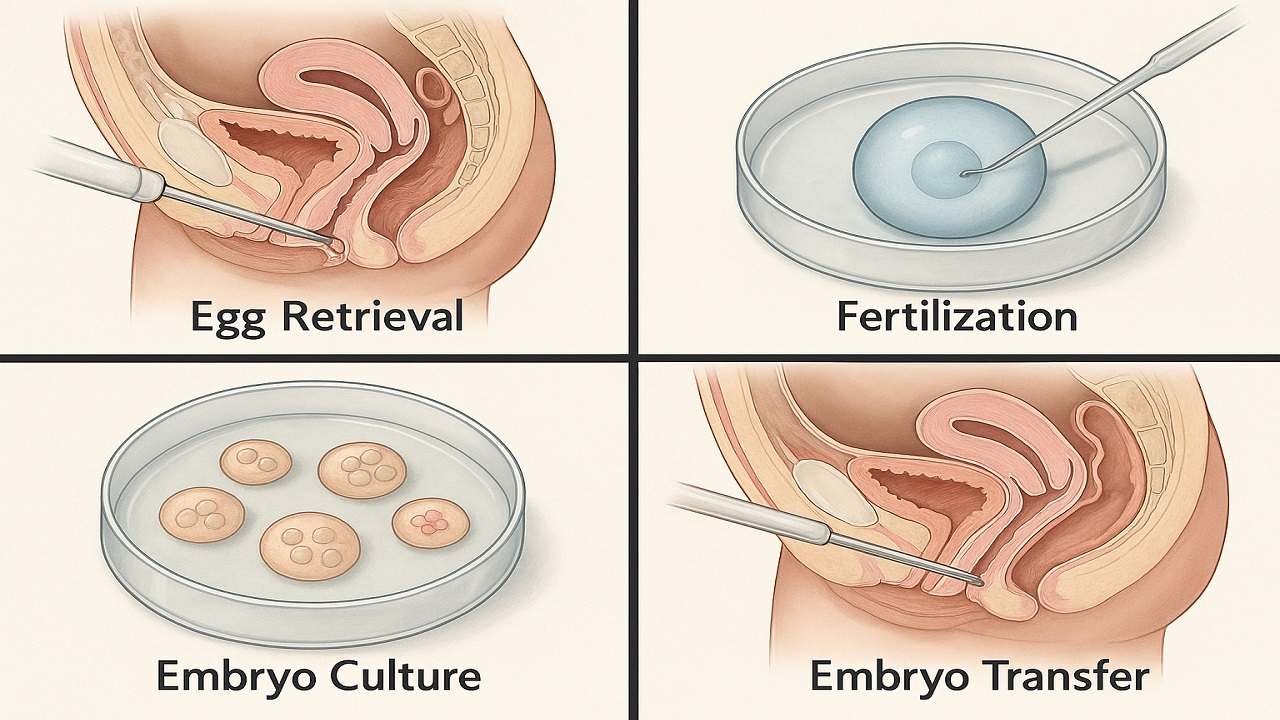
The assisted reproductive technology (ART) least commonly used by the couple and single person facing infertility is in vitro fertilization (IVF). IVF involves fertilizing eggs outside the body and then implanting the resulting embryos into the uterus. While the IVF process might seem overly complicated and labor-intensive, breaking it up into its individual components helps future patients understand what to anticipate. This page will give you a comprehensive, step-by-step guide to the IVF process, from the first consultations to the last embryo transfer.
 STEP ONE: Ovarian Stimulation
  STEP TWO: Monitoring and Changing Medications
 Once the eggs and sperm are mature, fertilization occurs in the lab. Eggs can be fertilized by two primary methods:
A blood test checks for pregnancy ten to fourteen days after the embryo transfer. Called a beta hCG test, this measures human chorionic gonadotropin (hCG), the hormone produced by a developing pregnancy.
If the pregnancy test is positive, the patient will then be closely monitored with ultrasounds and blood tests to ensure the pregnancy is progressing. An ultrasonography scan will be conducted between six to seven weeks to confirm the fetal heartbeat and to assess whether it is a viable pregnancy.
IVF is a complex, multi-step process that requires attentive monitoring and collaboration between patient and fertility team. Everything from ovarian stimulation and egg harvesting to fertilization and embryo transfer is completely essential in maximising the chance of a pregnancy. While emotionally and physically challenging, with enough time and some patience, IVF has helped many couples and singles get their chance at the child they picture in their dreams. Having a good, rough-edged knowledge of the procedure will ensure that patients are better informed and prepared to embark on their IVF journey.


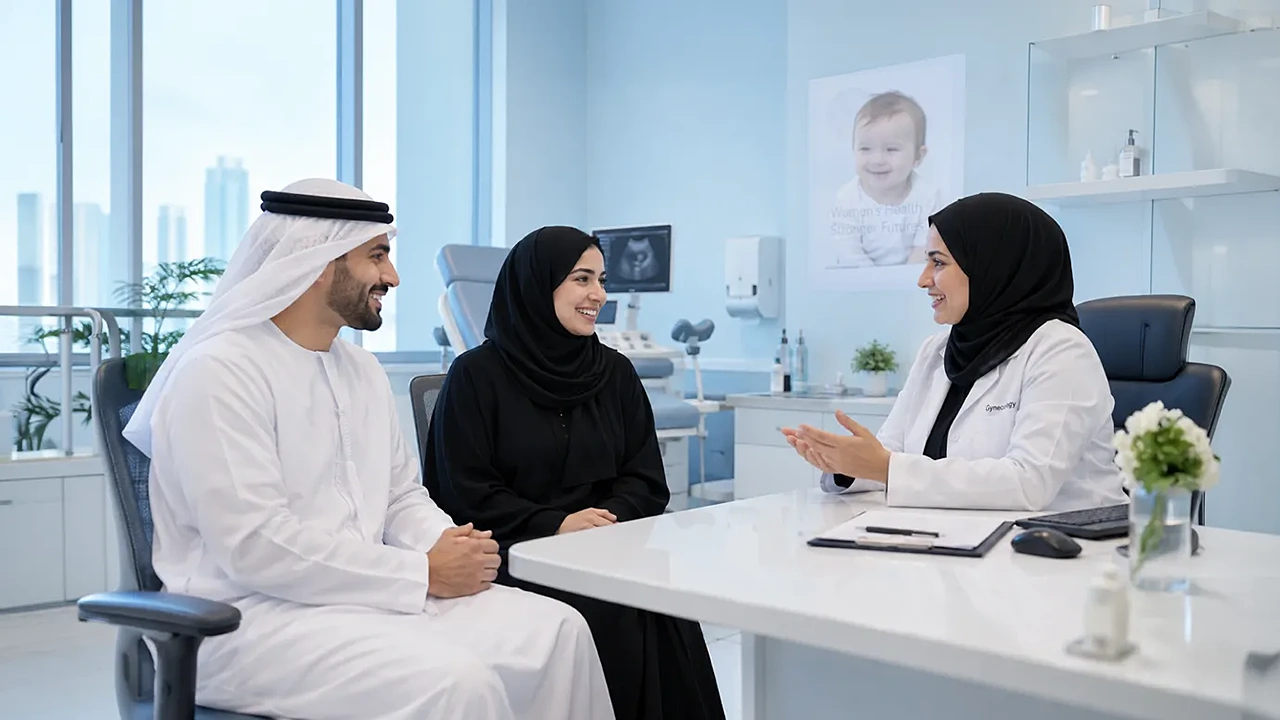
The Department of Health – Abu Dhabi has launched the Abu Dhabi Programme for the Future of Reproductive Health, with a 2030 roadmap that includes a target to boost IVF success to 80%, up from a current rate of 59%. The programme integrates genomics, AI, precision medicine, and the world's first Global Reproductive Health Advisory Council.
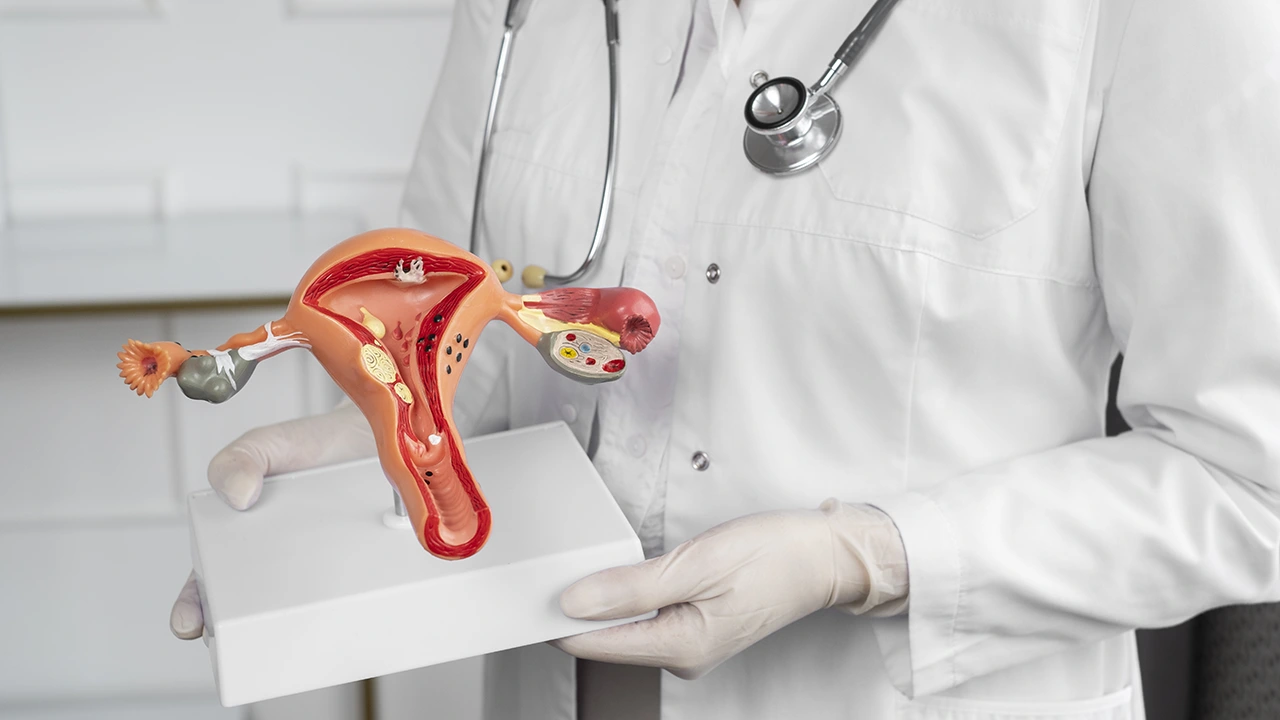
Womb transplantation is giving women with absolute uterine factor infertility the chance to carry and deliver their own child. This article explains how the process works from donor to delivery, who may be suitable, the risks involved and what recent births from living and deceased donors mean for patients.

Advanced female age causes fertility decline through reduced egg quantity, increased chromosomal abnormalities, and mitochondrial dysfunction. Understanding these biological mechanisms helps women make informed family planning decisions. Modern fertility treatments including IVF, preimplantation genetic testing, and egg freezing offer practical solutions to overcome age-related reproductive challenges when trying to conceive.
Vitamin D Deficiency Affect IVF outcomes by influencing endometrial receptivity, embryo quality, and hormone balance. Clinical evidence, age-specific risks, and PCOS implications, while offering actionable strategies to optimize Vitamin D levels and improve IVF success rates and pregnancy outcomes in a structured, patient-focused approach.
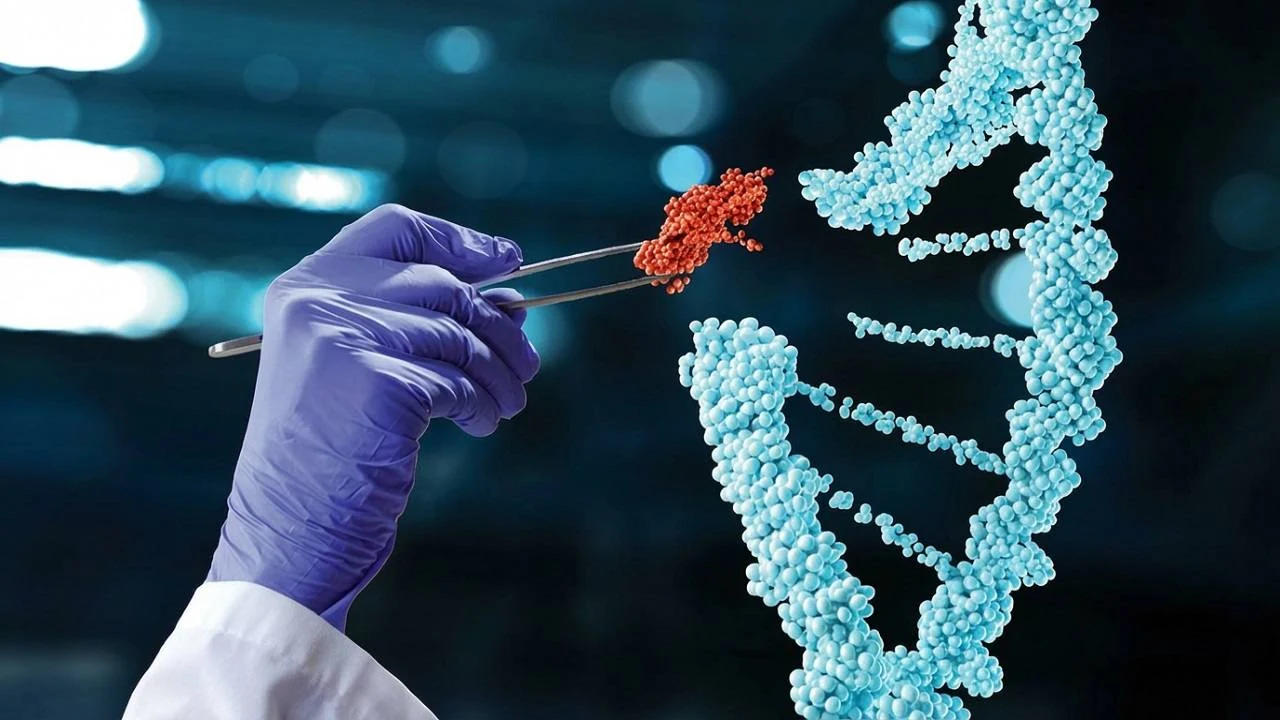
Preimplantation Genetic Testing (PGT) revolutionizes IVF by screening embryos for chromosomal abnormalities and genetic disorders before transfer. This advanced technology increases pregnancy success rates, reduces miscarriage risk, prevents inherited diseases, and shortens time to pregnancy while providing diagnostic clarity and reducing emotional stress for couples.

Clinical evidence increasingly demonstrates that emotional stress or grief reduces the chances of IVF success through sophisticated biochemical pathways that directly influence reproductive physiology. This relationship extends far beyond simple correlations, revealing profound mechanistic connections between psychological distress and the delicate orchestration of hormonal events essential for successful conception.