Home
 ArticlesArticles
Boys treated for cancer before puberty cannot bank sperm, but freezing testicular tissue containing spermatogonial stem cells may one day restore their fertility. This article explains how the first transplants in adult survivors work, what the early research shows, the risks involved and why families should know about this option.



Survival rates for childhood cancer have improved dramatically over recent decades. Today, around 85% of children diagnosed with cancer survive into adulthood. That success has brought a new priority into focus: helping survivors live full lives after treatment, including the chance to have children of their own.
For boys, this presents a particular challenge. Chemotherapy and radiotherapy can permanently damage sperm production, and roughly one in three children treated for cancer is left infertile. Adult men and adolescent boys can freeze sperm before treatment, but boys who have not yet reached puberty do not produce sperm. For them, the hope lies in spermatogonial stem cells, and researchers have now performed the first transplant of these cells in a man who survived childhood cancer.
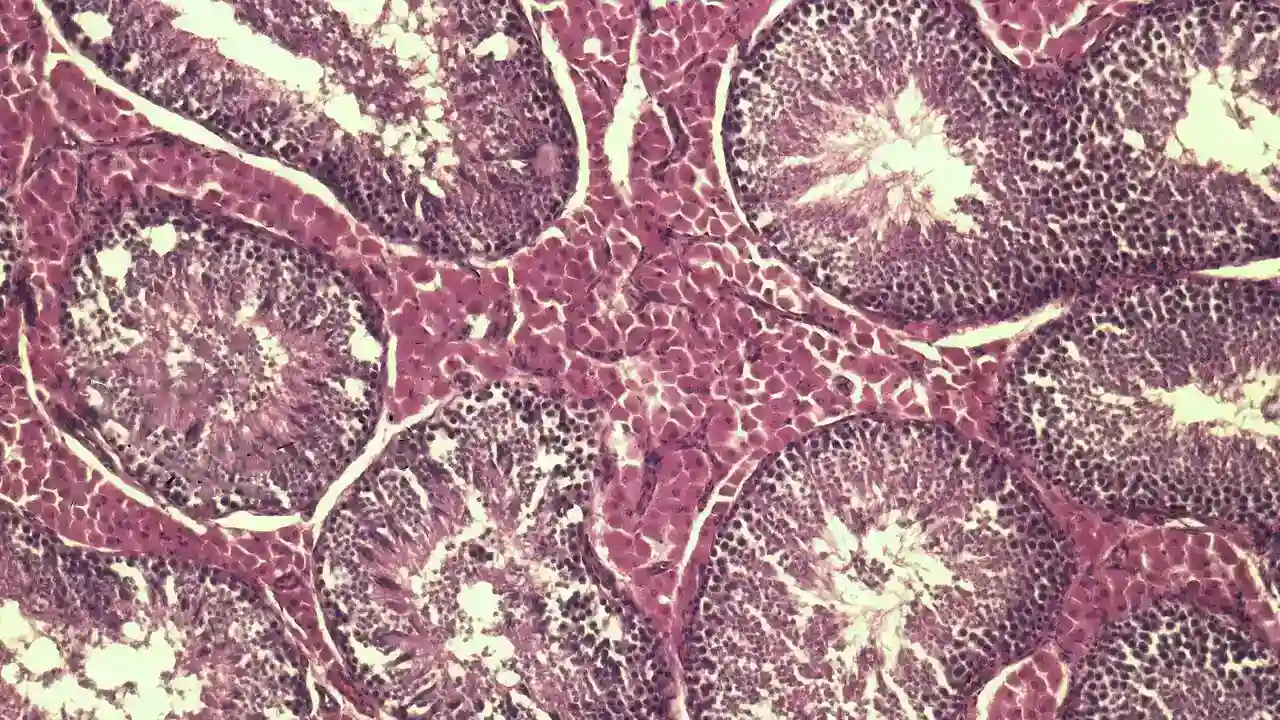
Spermatogonial stem cells are the foundation of male fertility. They sit along the walls of the seminiferous tubules, the tiny coiled tubes inside the testis, and are present from birth. From puberty onwards, they divide continuously, both renewing themselves and producing the cells that develop into sperm. This is why healthy men can produce sperm throughout their adult lives.

Cancer treatments that target rapidly dividing cells can destroy these stem cells. If the stem cell pool is wiped out, sperm production may never begin or may not recover. Preserving the stem cells before treatment, then returning them afterwards, could in principle restart the process.
Because young boys cannot provide a semen sample, specialist centres offer an experimental alternative: testicular tissue cryopreservation. Before cancer treatment begins, a small piece of testicular tissue is removed during a brief surgical procedure, often combined with another procedure the child already needs. The tissue, which contains spermatogonial stem cells, is then frozen and stored for the future.
At the University of Pittsburgh, a fertility preservation programme led by Professor Kyle Orwig has been freezing testicular tissue from young boys facing cancer treatment for well over a decade. Parents consent on their child's behalf in the hope that, by the time the boy grows up, science will have found a way to use the tissue to restore fertility.
One of those boys was Jaiwen Hsu, who was diagnosed with bone cancer at the age of 11. Doctors expected that the intensive chemotherapy needed to save his life would likely leave him infertile, and his parents chose to have his testicular cells frozen through the Pittsburgh programme.
As an adult in his twenties, he became the first participant to return and test whether reimplanting those cells might work. In November 2023, his team thawed his stored cells and injected them back into his testis, using ultrasound to guide the injection into the rete testis, the network of channels that connects to the seminiferous tubules.
In a report posted in 2025, the team described the procedure as safe and straightforward to perform. They were equally clear that it is too soon to know whether it has restored sperm production. Based on animal research, any sperm produced may appear in very small numbers and might need assisted reproductive techniques to detect and use them. The researchers cautioned that they were not expecting a miracle result, but the transplant marks a historic first step.
The Pittsburgh clinical trial is testing two approaches. The first, used in the initial transplant, is cell-based: cells are separated from the frozen tissue and injected into the adult testis, where the stem cells can settle and, ideally, begin producing sperm. The second is tissue grafting, in which small pieces of the frozen tissue are transplanted back into the body so that they can mature and produce sperm within the graft.
Researchers elsewhere, including teams in Europe, are working on methods to multiply spermatogonial stem cells in the laboratory before transplantation. Because the amount of tissue taken from a young boy is small, increasing the number of stem cells could improve the chances of success. Scientists are also exploring whether sperm could one day be produced entirely in the laboratory from stored tissue, although this remains at an early research stage.
One of the most important safety concerns is the risk of reintroducing cancer. In some cancers, particularly leukaemias and lymphomas, malignant cells may be present in the testicular tissue at the time it is collected. Transplanting that tissue back into a survivor could, in theory, cause the cancer to return. Researchers are developing ways to detect and remove cancer cells before transplantation, and this is a key part of deciding which patients may be suitable.
Other questions concern the long-term health of any children conceived through the technique and the genetic integrity of sperm produced from transplanted stem cells. These issues will be studied carefully as the research progresses.
For parents of boys facing cancer treatment, the priority is naturally survival. Yet a conversation about fertility, ideally before treatment starts, can preserve options that cannot be recreated later. Families should ask the oncology team whether the planned treatment carries a significant risk of infertility and whether referral to a fertility preservation service is possible.
It is important to understand that testicular tissue freezing for prepubertal boys is still considered experimental and is offered mainly through specialist centres and research programmes. There is no guarantee that stored tissue will lead to future fertility. For many families, however, preserving the possibility feels worthwhile, particularly when the child is too young to take part in the decision himself.
Oncofertility, the discipline that bridges cancer care and reproductive medicine, has grown rapidly. Egg, embryo and ovarian tissue freezing are now established options for many female patients, and sperm banking is routine for adult men. Prepubertal boys have remained the group with the fewest options.
The first transplant of spermatogonial stem cells in a childhood cancer survivor marks an important moment for closing that gap. It shows that years of preserved tissue can now be tested in humans, and it will encourage more families and clinicians to consider fertility preservation early. For fertility specialists, andrologists and paediatric oncologists, it signals a future in which restoring male fertility after childhood cancer may become a realistic clinical goal.
Progress in this field is measured in years, and the results of the first transplants will take time to emerge. What is already clear is that the science has moved from animal models into human application. For a generation of boys whose tissue was frozen in hope, that is significant news. For those facing cancer today, it is a reason to ask the fertility question early, while every option remains open.
Disclaimer: FertilityIn shares this information based on published research and material from reliable, recognised sources. The content is intended for general awareness only and should not be taken as medical advice. Anyone with questions about their fertility, or who needs medical attention, should consult their own doctor or a qualified fertility specialist.
AP via KSAT – Boys with cancer can face infertility as adults. Can storing their stem cells help?


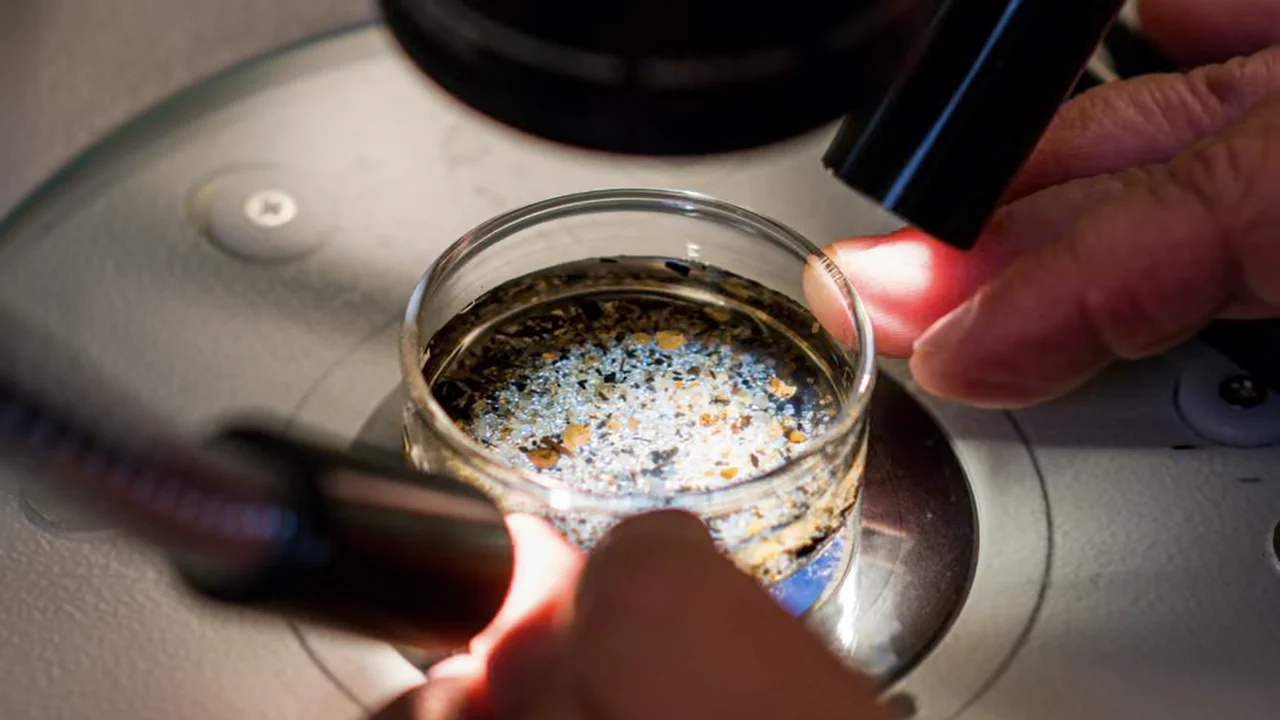
Microplastics have now been found in human follicular fluid and seminal fluid. This article explores the fast-growing body of research on microplastics and fertility, what scientists know and do not yet know about their effects on eggs and sperm, and practical, evidence-based ways that couples can reduce their everyday exposure.

Fertility conversations often focus on women, yet new research on sperm epigenetics shows a father's environment matters too. This article explains how air pollution may alter chemical marks on sperm DNA, why those changes could matter for fertility and pregnancy, and the practical steps men can reasonably consider before conception.
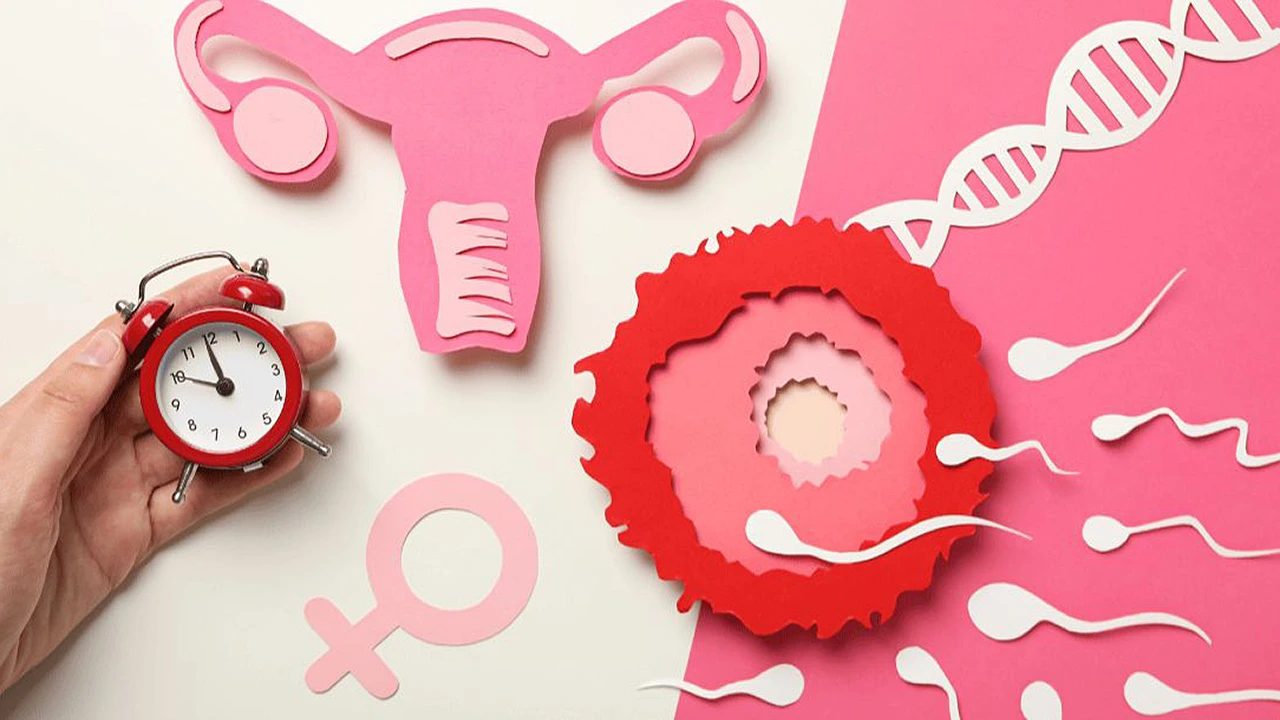
Donor eggs have long been seen as a way to reset the reproductive clock, but new research suggests uterine ageing also plays a role. This article explains what the latest evidence shows, how the ageing uterus may affect implantation and pregnancy, and how women in their late forties can prepare.
In vitro gametogenesis, the science of creating eggs and sperm from ordinary body cells, has moved from mouse studies towards human research. This article explains how the approaches work, what recent milestones really show, the obstacles that remain and why clinical use is still likely to be several years away.
Mitochondrial donation, often called three-parent IVF, has now produced the first detailed clinical results, with healthy children born to mothers at high risk of passing on mitochondrial disease. This article explains how the technique works, who it is for, what the evidence shows and which scientific questions remain open

A new AI sperm recovery technique is changing the outlook for men with azoospermia. This article explains how the STAR method scans semen samples for rare hidden sperm, what its first reported pregnancy means, who may benefit, and the key questions couples should raise with their own fertility specialist.