Home
 ArticlesArticles
Discover the key differences between social freezing and medical freezing for fertility preservation. Learn how egg freezing works, success rates, costs, risks, and which option suits your personal or medical needs best. Understand the process and make informed decisions about your reproductive future today.




Advances in reproductive medicine have transformed how women approach family planning. Today, social freezing vs. medical freezing represent two distinct pathways for preserving fertility, each serving different life circumstances and medical needs. Whether you're considering freezing eggs to pursue career goals or to protect your fertility before cancer treatment, understanding these options empowers you to make decisions aligned with your personal values and reproductive timeline.
Social freezing, formally known as elective fertility preservation, is the practice of freezing unfertilized eggs for non-medical reasons. This approach allows women to delay motherhood on their own terms whether for educational pursuits, career advancement, waiting for the right partner, or personal life planning.
Key characteristics of social freezing include:
Women choosing social freezing often do so between ages 25 and 35, when egg quality and quantity are optimal. The primary advantage is that freezing eggs at a younger age preserves healthier eggs, significantly improving the likelihood of successful pregnancy when the woman is ready to use them. A recent 15-year study revealed that cumulative live birth rates reached 57% for women who froze eggs under age 35, compared to just 5% for those aged 40 and above.
Medical freezing represents fertility preservation undertaken due to a diagnosed medical condition or treatment that threatens reproductive capacity. The most common scenario involves women facing cancer diagnosis who must undergo chemotherapy or radiation therapy that could damage or destroy eggs.
Medical freezing applies to situations including:
In contrast to social freezing, medical freezing typically qualifies for partial or complete insurance coverage in many countries, since the procedure addresses preservation of a threatened biological function rather than elective choice. The urgency is often higher with medical freezing, as cancer treatment cannot typically be delayed.
While the technical procedures for both methods are nearly identical, significant differences exist in indication, timeline, and cost structure.

Both approaches use identical freezing technology—vitrification, which involves rapid freezing in liquid nitrogen at -196°C to prevent ice crystal formation and preserve egg quality. Once eggs are frozen, they remain viable indefinitely, offering women the flexibility to use them years later.
Understanding the egg freezing procedure clarifies what to expect regardless of whether you're pursuing social or medical freezing. The entire process typically takes 2 to 3 weeks from start to finish.
Success rates for egg freezing depend primarily on the woman's age at the time of freezing, not the woman's age at the time of pregnancy attempt. This distinction is crucial when evaluating social vs. medical freezing success potential.
Age-Dependent Success Rates (Live Birth Per Embryo Transfer):
Recent research indicates that vitrified (frozen) eggs achieve comparable outcomes to fresh eggs, with freezing and thawing having negligible impact on viability. For women using genetic screening (preimplantation genetic testing for aneuploidy, or PGT-A) to select chromosomally normal embryos, success rates improve significantly, particularly for older egg-freezing ages.
Egg freezing is a safe procedure with minimal complications. However, awareness of potential risks ensures informed decision-making.
Common Side Effects:
Rare Serious Complications:
Research confirms no increased risk to offspring conceived from frozen eggs compared to those from fresh eggs, assuming no underlying genetic or chromosomal abnormalities are present.

Social Freezing vs. Medical Freezing: Key Differences Comparison Infographic
Deciding between social freezing vs. medical freezing—or pursuing other family-building options—is deeply personal. Consider these factors:
Choose social freezing if you:
Medical freezing may be recommended if you:
Whether social freezing vs. medical freezing aligns with your life, both represent empowering options for fertility preservation. Social freezing offers women control over reproductive timing and career development without the pressure of age-related fertility decline. Medical freezing provides hope and fertility preservation for women facing medical conditions that threaten motherhood.
The most important factor is selecting an experienced fertility clinic with high-quality laboratory standards and a team committed to personalized care. Modern vitrification technology has made egg freezing outcomes comparable to fresh egg outcomes, with success rates directly correlated to age at freezing rather than age at thaw.
Consult with a reproductive specialist to discuss your unique circumstances, explore whether social or medical freezing serves your needs, understand realistic success rates for your age, and address financial and emotional considerations. Your fertility journey deserves expert guidance and compassionate support.



Advanced female age causes fertility decline through reduced egg quantity, increased chromosomal abnormalities, and mitochondrial dysfunction. Understanding these biological mechanisms helps women make informed family planning decisions. Modern fertility treatments including IVF, preimplantation genetic testing, and egg freezing offer practical solutions to overcome age-related reproductive challenges when trying to conceive.
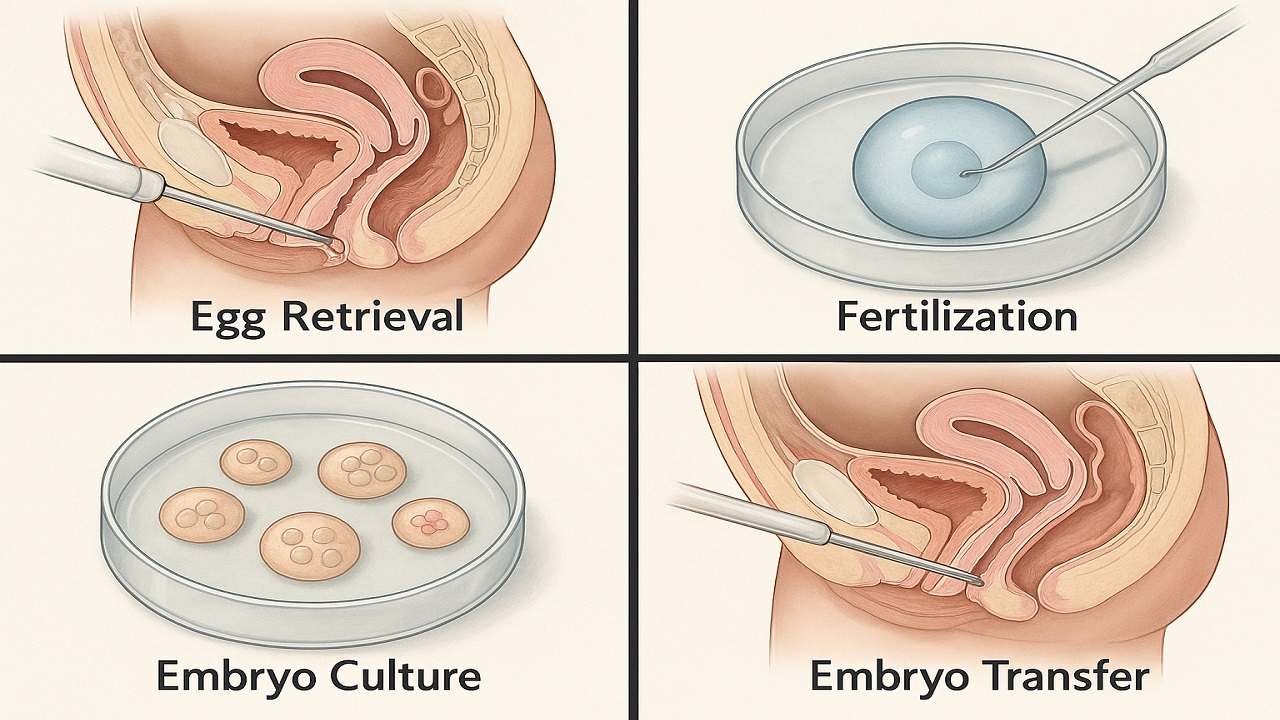
In Vitro Fertilization (IVF) process step by step, emphasising the importance of various stages such as ovarian stimulation, egg retrieval, fertilization, and embryo transfer in maximising the In Vitro Fertilization (IVF) Success Rate. It highlights how a thorough understanding of the procedure can prepare couples and individuals for their In Vitro Fertilization(IVF) journey, ultimately improving their chances of achieving a successful pregnancy.

Vitamin D Deficiency Affect IVF outcomes by influencing endometrial receptivity, embryo quality, and hormone balance. Clinical evidence, age-specific risks, and PCOS implications, while offering actionable strategies to optimize Vitamin D levels and improve IVF success rates and pregnancy outcomes in a structured, patient-focused approach.
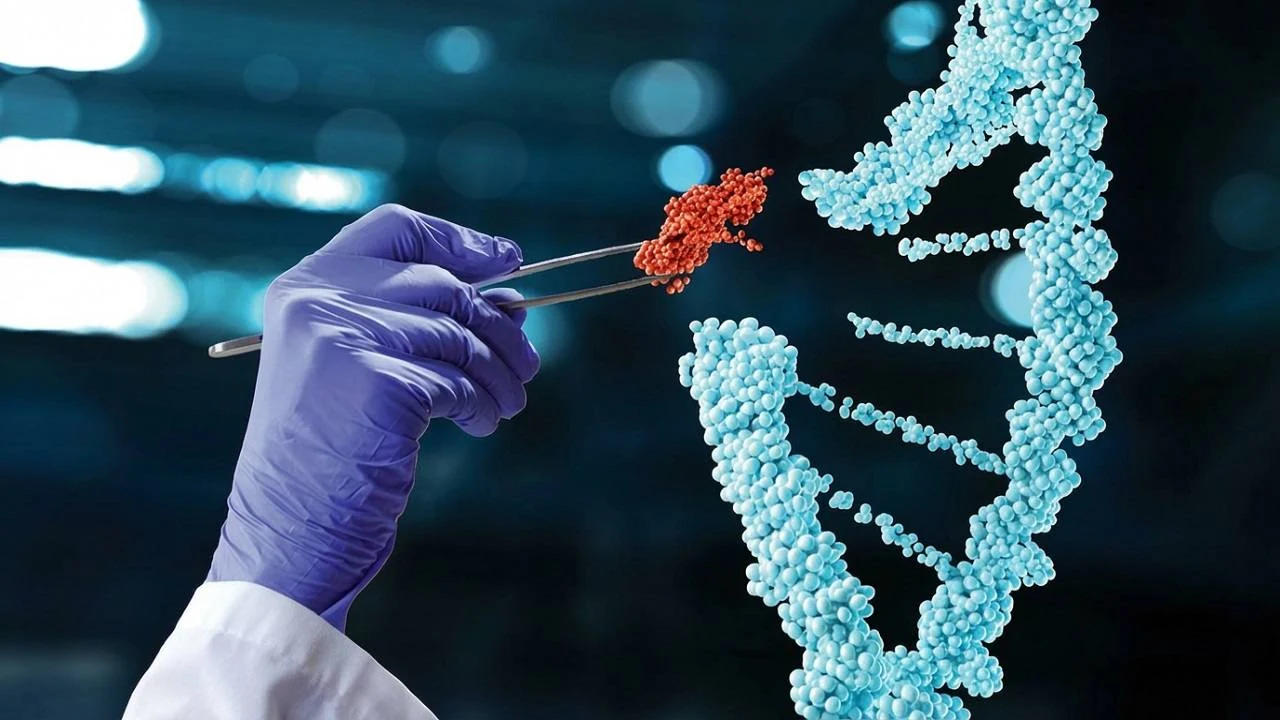
Preimplantation Genetic Testing (PGT) revolutionizes IVF by screening embryos for chromosomal abnormalities and genetic disorders before transfer. This advanced technology increases pregnancy success rates, reduces miscarriage risk, prevents inherited diseases, and shortens time to pregnancy while providing diagnostic clarity and reducing emotional stress for couples.

Clinical evidence increasingly demonstrates that emotional stress or grief reduces the chances of IVF success through sophisticated biochemical pathways that directly influence reproductive physiology. This relationship extends far beyond simple correlations, revealing profound mechanistic connections between psychological distress and the delicate orchestration of hormonal events essential for successful conception.
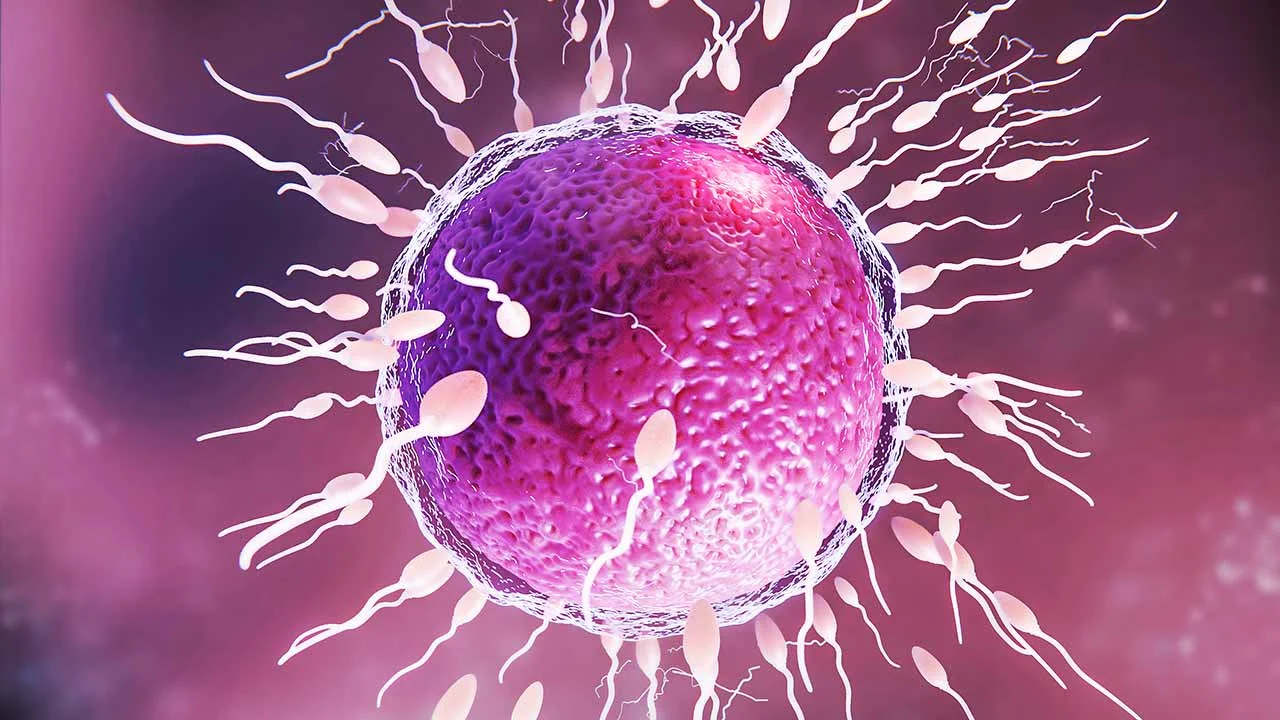
IVF in 2025 is shifting from hype to evidence-based innovation. As precision, automation, AI, and genetic advances reshape fertility care, patients must distinguish proven breakthroughs from outdated add-ons. This guide examines five groundbreaking IVF technologies in 2025 to understand which advances genuinely improve outcomes

Managing Recurrent Implantation Failure (RIF) outlines evidence-based diagnostics and treatment pathways to improve IVF success rates, emphasizing clarity, cautious use of add-ons, and realistic patient expectations.