Home
 ArticlesArticles
Smart ovulation tools are redefining modern fertility care through connected sensors, AI-driven insights, and personalized data tracking. By merging convenience with clinical reliability, these innovations empower users and professionals alike, bridging home monitoring with informed decision-making for more precise, confident, and outcome-focused reproductive care.



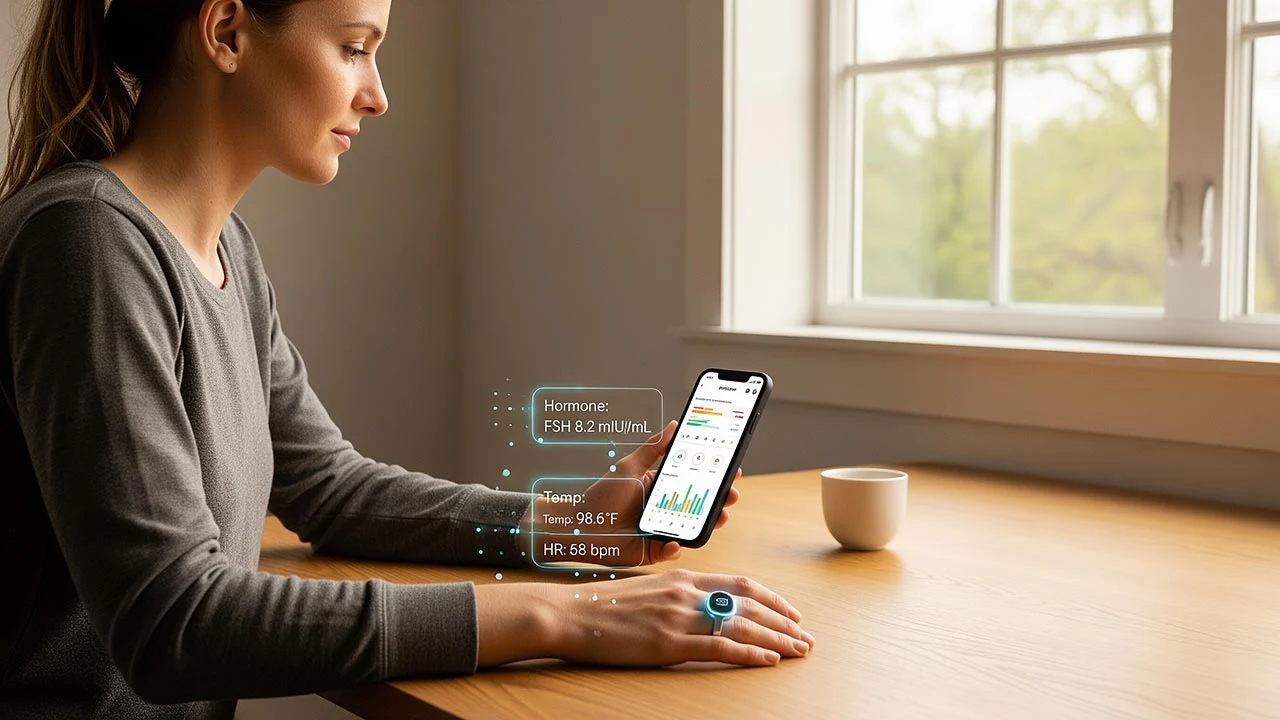
The promise of smart ovulation tools driving new-age fertility care lies in their ability to translate complex physiology into timely, actionable guidance that fits seamlessly into modern life and clinical workflows alike. These tools combine hormone sensing, temperature and heart rate monitoring, and intelligent algorithms to map the fertile window with a level of personalization and continuity that traditional methods rarely achieve. For professionals and executives focused on outcomes, patient engagement, and scalable models of care, the category marks a pivotal shift from static calendars to dynamic biosensing ecosystems.
Smart ovulation tools driving new-age fertility care leverage passive and active data collection to minimize guesswork and maximize adherence, enabling earlier pattern recognition and more precise timing. As consumer-grade sensors approach clinical-grade reliability and integrate with regulated diagnostics, they create a bridge from home tracking to informed clinical decision-making. In parallel, the user experience simplified visuals, app-guided steps, and adaptive algorithms lowers barriers for first-time users while supporting long-term cycle literacy.

Narratively, these innovations move ovulation prediction from episodic spot checks to continuous, context-rich monitoring, a hallmark of smart ovulation tools driving new-age fertility care. The arc of progress shows a steady layering of biomarkers from LH to estrogen metabolites to temperature and heart rate variability paired with machine learning for more robust estimates in irregular cycles.
Recent validation work indicates that ring-based devices using physiology-driven methods can outperform calendar-based estimation and remain comparatively stable across variable cycle patterns. Reviews cataloging consumer wearables identify a broad landscape of nonprescription devices that capture temperature, pulse signals, and sleep to delineate the fertile window with growing reliability. Emerging studies suggest that smart wearables can approach or rival established symptom methods when datasets are well-characterized and algorithms are tuned to cycle variability.

This multi-signal approach embodies smart ovulation tools driving new-age fertility care, where converging data streams raise confidence and resilience against noise from stress, sleep disruption, or travel. By prioritizing consistency and algorithmic learning, the latest trackers can adapt to the user rather than forcing the user to fit a rigid model.
App ecosystems now deliver cycle charting, automated fertile-day highlights, and smart reminders, bringing precision and convenience to everyday routines. Clear, icon-driven interfaces and reusable readers simplify adherence, which is crucial for timing-sensitive decisions month to month. Educational centers from medical systems support proper usage, helping users understand results and seek professional help when needed.
Peer-reviewed and clinical-facing literature highlights both the promise and the disruption these tools introduce to patient–provider dynamics, underscoring the need for standardized counseling and data-sharing frameworks. When integrated thoughtfully, home-derived ovulation insights can inform diagnostics, optimize timing for interventions, and support shared decision-making without overmedicalizing every cycle. Providers can use device data as a conversation starter instead of a definitive diagnosis. They can also set expectations and agree on referral thresholds.
AI-enabled models are beginning to fuse hormone data with temperature and cardiorespiratory trends for robust ovulation estimation even in nonstandard cycles. Ongoing work suggests that physiology-first methods can maintain accuracy better than calendar heuristics across ages and variable cycle lengths, pointing to more equitable performance for diverse users. As sensor fidelity improves and datasets diversify, smart ovulation tools driving new-age fertility care will likely expand beyond conception support into cycle health screening and longitudinal reproductive biomarker monitoring.
For leaders in reproductive care and digital health, the message is simple: put money into tools that are easy to use, provide reliable information, and can work well with other data systems to achieve better results. Support users with education, routine-building, and clear escalation guidance, ensuring that technology augments, not replaces, clinical judgment when needed. With the right guardrails, these solutions deliver informed timing, reduced uncertainty, and a more confident pathway through the trying-to-conceive journey.


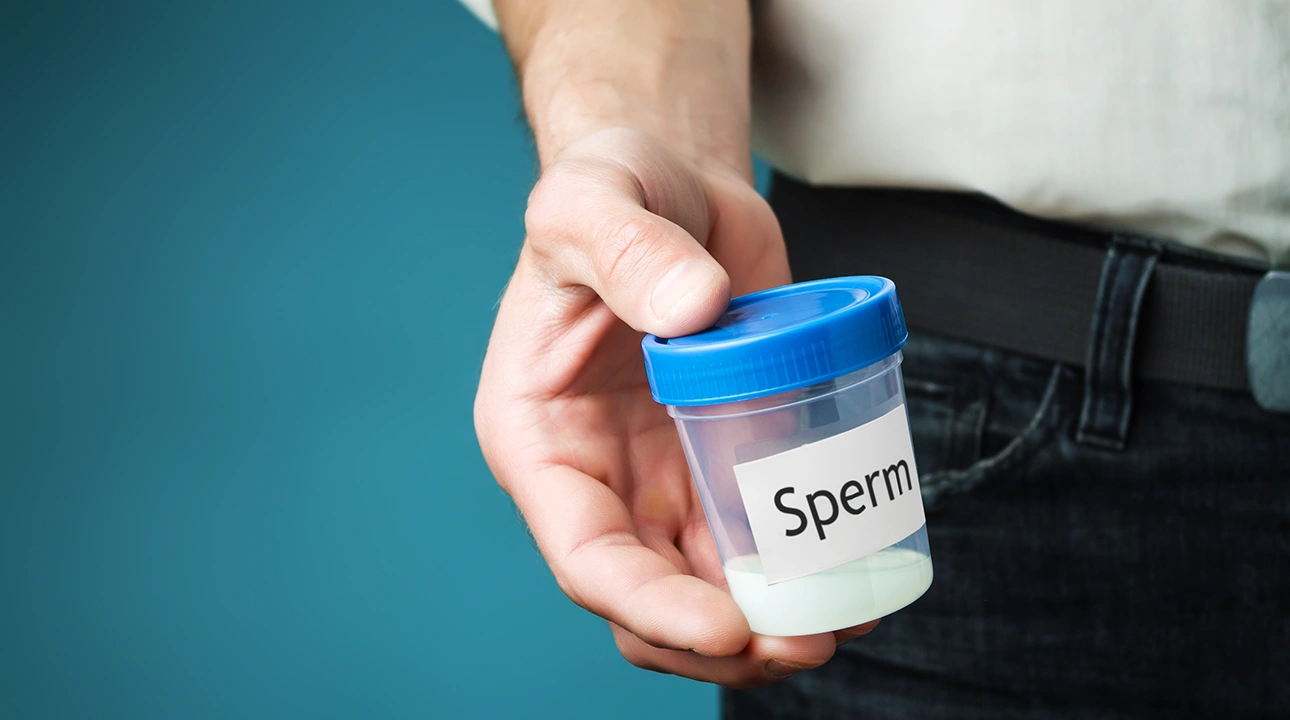
The smart fertility tracker market has transformed male fertility diagnostics, but how reliable are these devices? This report examines what at-home sperm tests actually measure, where they fall short compared to clinical analysis, and how men and couples can use them appropriately within a broader reproductive care pathway.
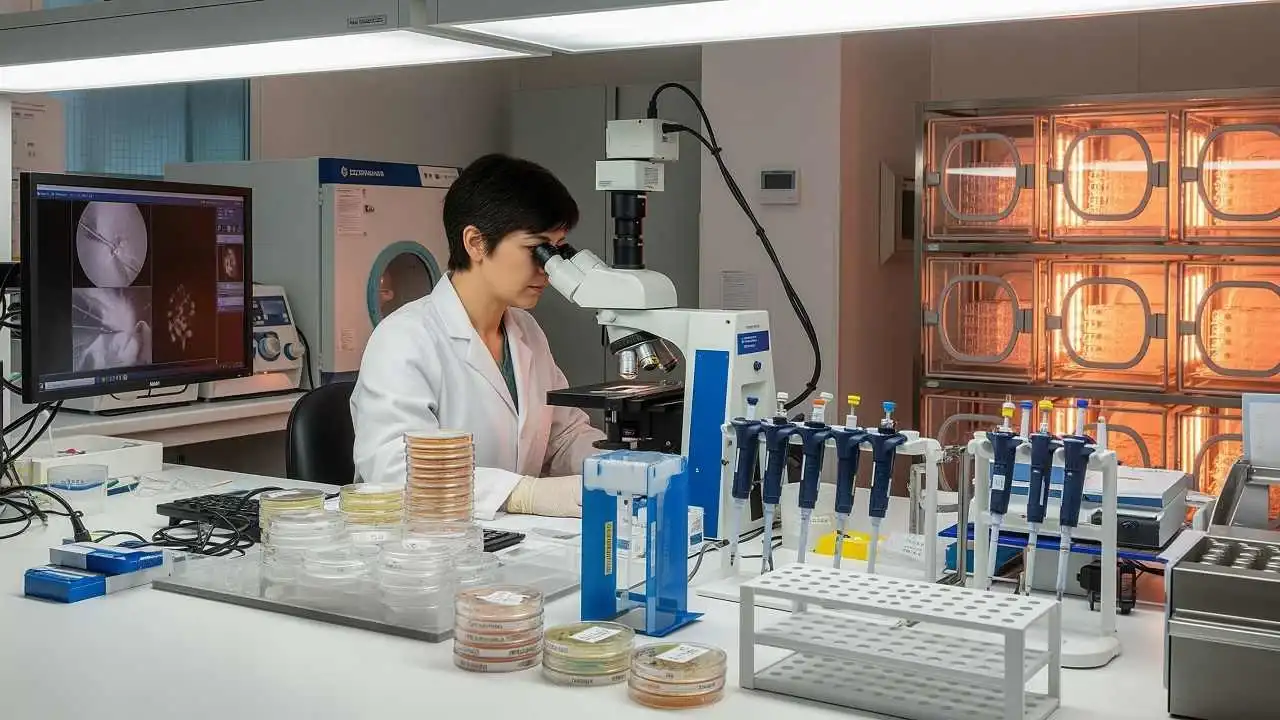
The distinct assisted reproductive technologies of Intrauterine Insemination (IUI), In Vitro Fertilization (IVF), and Intracytoplasmic Sperm Injection (ICSI). It outlines how each procedure works, the medical indications for their use, and their respective success rates. The importance of choosing the right treatment based on factors such as patient age, infertility diagnosis, and personal circumstances.
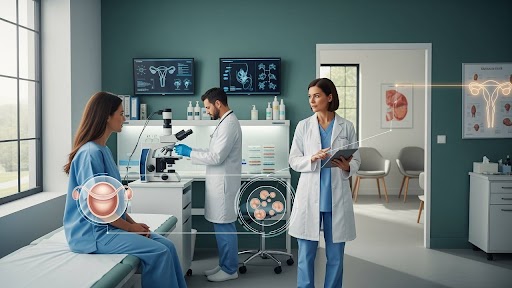
Assisted Reproductive Technology (ART), a groundbreaking medical field that provides solutions for individuals and couples facing fertility challenges. It defines ART, explains its core techniques such as In Vitro Fertilization (IVF) and Intracytoplasmic Sperm Injection (ICSI), and discusses clinical applications and success rates.

Common questions about pregnancy with polycystic ovary syndrome (PCOS) through IVF and IUI. It discusses PCOS-related infertility, success rates, treatment options, and the importance of personalised protocols. Emphasising holistic care and emotional support, it offers hope and insights for women navigating the challenges of PCOS.

The potential of stem cells to improve ovarian reserve and egg quality, focusing on their application in women with diminished fertility. It discusses how mesenchymal stem cells and other stem cell therapies can rejuvenate ovarian function by enhancing the ovarian environment, promoting tissue repair, and stimulating follicle growth. While the therapy shows promise, the article emphasizes the need for more extensive studies to understand its efficacy and safety.
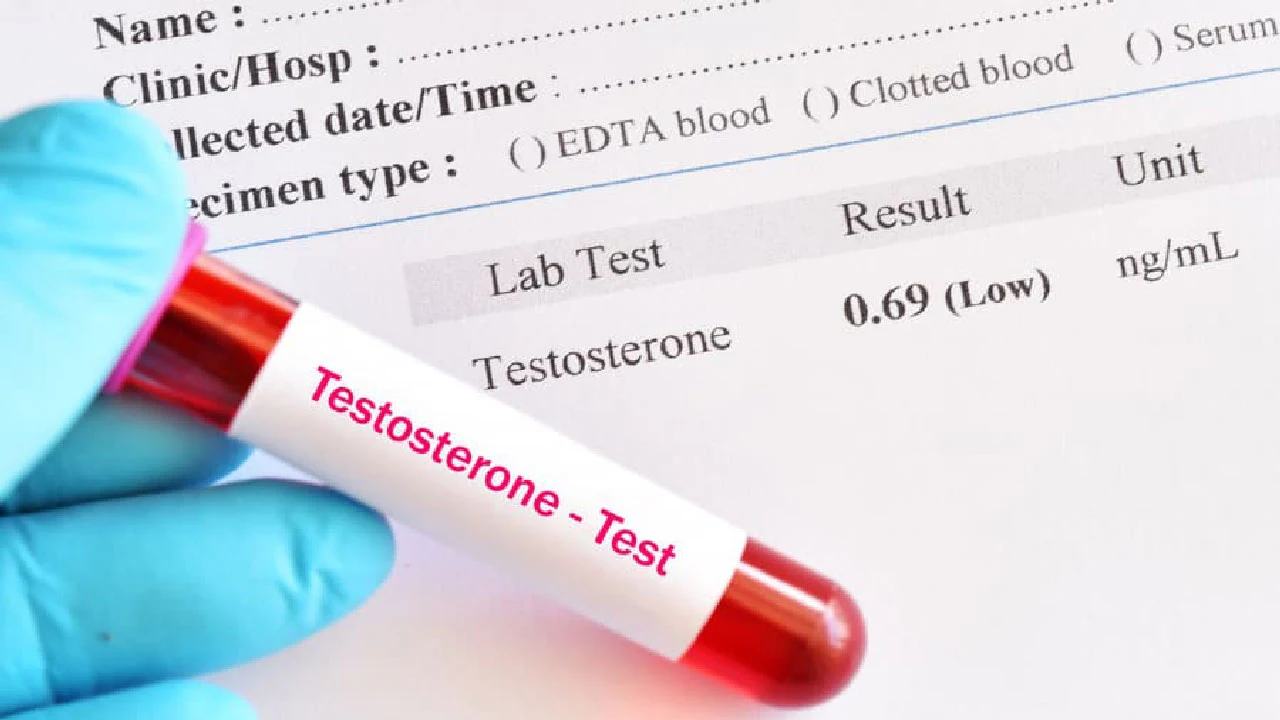
Clinical pearls for treating infertility and low testosterone in men, emphasizing reproductive goal assessment, empiric medical therapies, and comprehensive multidisciplinary management strategies.

Microfluidic sperm selection represents a revolutionary advancement in assisted reproduction technology, offering superior sperm quality through biomimetic microfluidic devices. This innovative technique effectively addresses the limitations of traditional centrifugation methods by selecting sperm with enhanced DNA integrity, improved motility, and better morphology, marking a pivotal shift in modern reproductive medicine.

