Home
 ArticlesArticles
As career aspirations, financial considerations, and personal circumstances increasingly influence family planning timelines, the question of whether couples should opt for embryo freezing in advance becomes increasingly relevant. Current clinical evidence suggests that strategic embryo preservation can significantly enhance reproductive outcomes when undertaken at optimal ages and circumstances.




Understanding the intricate relationship between age, fertility decline, and preservation success is crucial for couples contemplating this significant decision. Research demonstrates that couples who opt for embryo freezing in advance during their peak reproductive years can maintain pregnancy success rates of 75-95% for women under 35, compared to dramatically declining natural fertility after age 35. This compelling data underscores the importance of timing in fertility preservation strategies.
The biological imperative for early fertility preservation stems from the inexorable decline in both egg quantity and quality that begins in a woman's late twenties and accelerates significantly after age 35. When couples opt for embryo freezing in advance, they essentially capture their reproductive potential at its peak, preserving not just the woman's eggs but also the combined genetic material at its optimal state.
The key factors driving preservation success include:
Clinical data reveals that women who freeze embryos before age 35 achieve live birth rates of 75-95%, while those who wait until after 35 see success rates drop to 60-75% and further decline to 50-60% after age 40. This stark contrast emphasises the critical role of timing in fertility preservation decisions.
When couples consider whether to opt for embryo freezing in advance, it is essential to understand the comparative advantages over egg freezing alone. Embryo freezing consistently demonstrates superior success rates because fertilisation occurs while both partners are at their reproductive peak, and the resulting embryos undergo quality assessment before preservation.
The specific advantages of embryo preservation include:
Research indicates that embryo freezing achieves live birth efficiency rates of 2.6% per embryo for women under 35, compared to 1.3% for those over 35, while egg freezing requires significantly more oocytes to achieve comparable success rates.
 Embryo vs Egg Freezing: Optimal Timing and Success Rates for Couples
Clinical consensus identifies the period between ages 25-35 as the optimal window when couples should opt for embryo freezing in advance. This timeframe represents the intersection of peak fertility and practical family planning considerations, offering the best balance between biological advantages and utilisation likelihood.
The age-specific recommendations include:
Decision-tree modelling demonstrates that oocyte cryopreservation provides the greatest improvement in live birth probability when performed at age 37 (51.6% vs. 21.9% with no action), while maintaining the highest absolute success rates when performed before age 34. This data suggests that while earlier preservation offers better outcomes, intervention at age 37 provides maximum cost-effectiveness.
The decision of when couples should opt for embryo freezing in advance involves multiple strategic considerations beyond pure biological optimisation. Unlike single women who may choose egg freezing for flexibility, committed couples can make preservation decisions based on shared family planning goals and relationship stability.
Key timing factors include:
Research suggests that couples who undergo embryo banking during their peak reproductive years while planning larger families benefit from creating multiple high-quality embryos in a single intervention period, rather than spacing procedures across declining fertility years.
When couples opt for embryo freezing in advance, determining the appropriate number of embryos to preserve represents a critical decision balancing success probability against cost and medical intervention intensity. Current clinical guidelines recommend preserving approximately two genetically tested embryos per desired child, accounting for natural attrition rates.
Age-specific embryo requirements include:
These calculations assume optimal embryo selection and quality assessment, highlighting the importance of working with experienced fertility centres that can maximise embryonic development and selection efficiency.
The success of couples who opt for embryo freezing in advance depends significantly on embryo quality assessment and selection protocols. Modern fertility centres employ sophisticated grading systems and genetic testing technologies to identify the most viable embryos for preservation.
Quality optimisation strategies include:
Studies demonstrate that high-quality embryos achieve 79% live birth rates compared to 64% for good-quality and only 28% for poor-quality embryos, highlighting the critical importance of selection protocols in preservation success.
The financial implications of when couples should opt for embryo freezing in advance involve complex cost-benefit calculations comparing immediate preservation expenses against future fertility treatment costs and success probabilities. Early preservation typically requires higher upfront investment but may reduce total family-building costs over time.
Cost considerations include:
Economic modelling suggests that embryonal preservation becomes most cost-effective at age 37, balancing preservation success rates against natural conception probabilities and intervention costs. However, couples planning multiple children may find earlier intervention more economically advantageous due to bulk preservation benefits.
Research examining couples who opt for embryo freezing in advance reveals important patterns regarding utilisation rates and family completion success. Younger preservation age correlates with lower probability but higher success rates when embryos are eventually used.
Utilisation patterns show:
Studies tracking couples 20 years post-preservation demonstrate sustained relationship stability and successful family completion rates, validating the long-term benefits of strategic early preservation.
The landscape for couples considering whether to opt for embryo freezing in advance continues evolving with advancing reproductive technologies. Improvements in cryopreservation techniques, genetic testing capabilities, and embryo culture systems promise enhanced success rates and reduced intervention requirements.
Future developments include:
The decision of whether couples should opt for embryo freezing in advance represents a highly personal choice requiring careful consideration of multiple factors, including age, relationship stability, family planning goals, and financial resources. Current evidence strongly supports preservation during the 25-35 age window, with optimal cost-effectiveness achieved around age 37.
For committed couples planning multiple children, early embryo banking offers significant advantages over delayed preservation, including higher success rates, reduced total intervention requirements, and enhanced family planning flexibility. As reproductive technologies continue advancing and accessibility improves, strategic embryo preservation represents an increasingly valuable tool for couples seeking to optimise their reproductive potential while maintaining control over family planning timelines.



Advanced female age causes fertility decline through reduced egg quantity, increased chromosomal abnormalities, and mitochondrial dysfunction. Understanding these biological mechanisms helps women make informed family planning decisions. Modern fertility treatments including IVF, preimplantation genetic testing, and egg freezing offer practical solutions to overcome age-related reproductive challenges when trying to conceive.
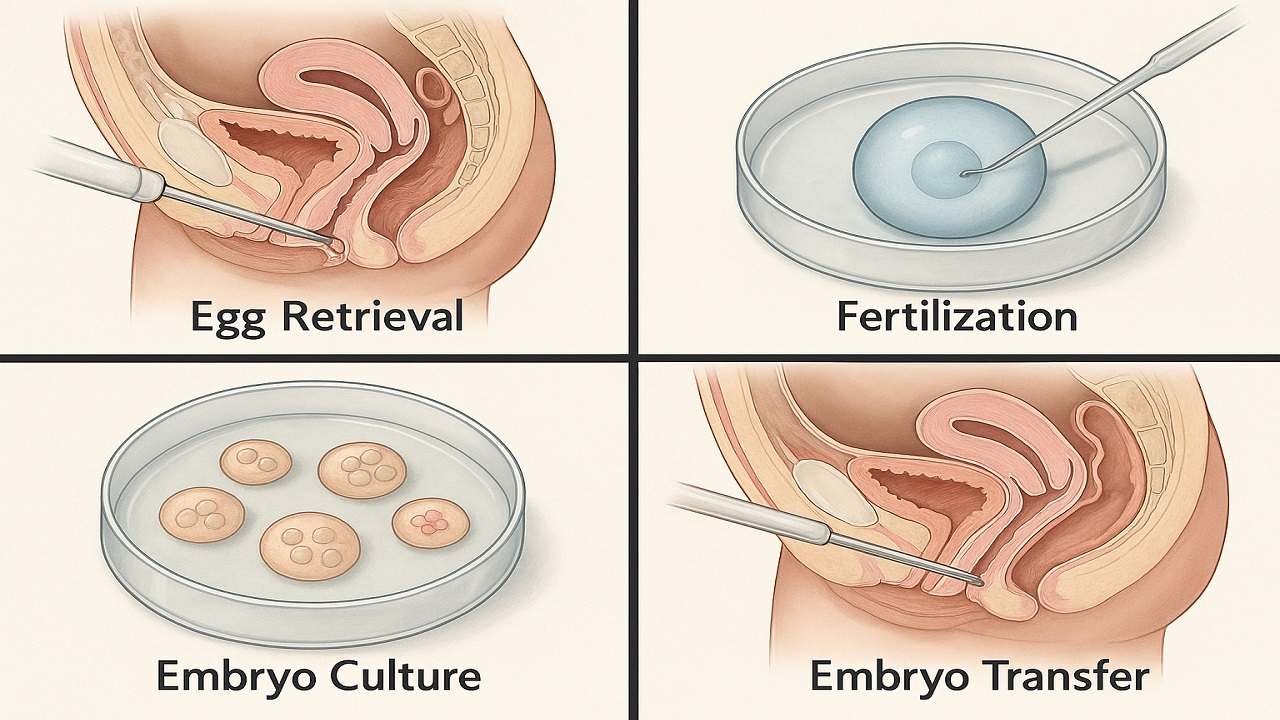
In Vitro Fertilization (IVF) process step by step, emphasising the importance of various stages such as ovarian stimulation, egg retrieval, fertilization, and embryo transfer in maximising the In Vitro Fertilization (IVF) Success Rate. It highlights how a thorough understanding of the procedure can prepare couples and individuals for their In Vitro Fertilization(IVF) journey, ultimately improving their chances of achieving a successful pregnancy.
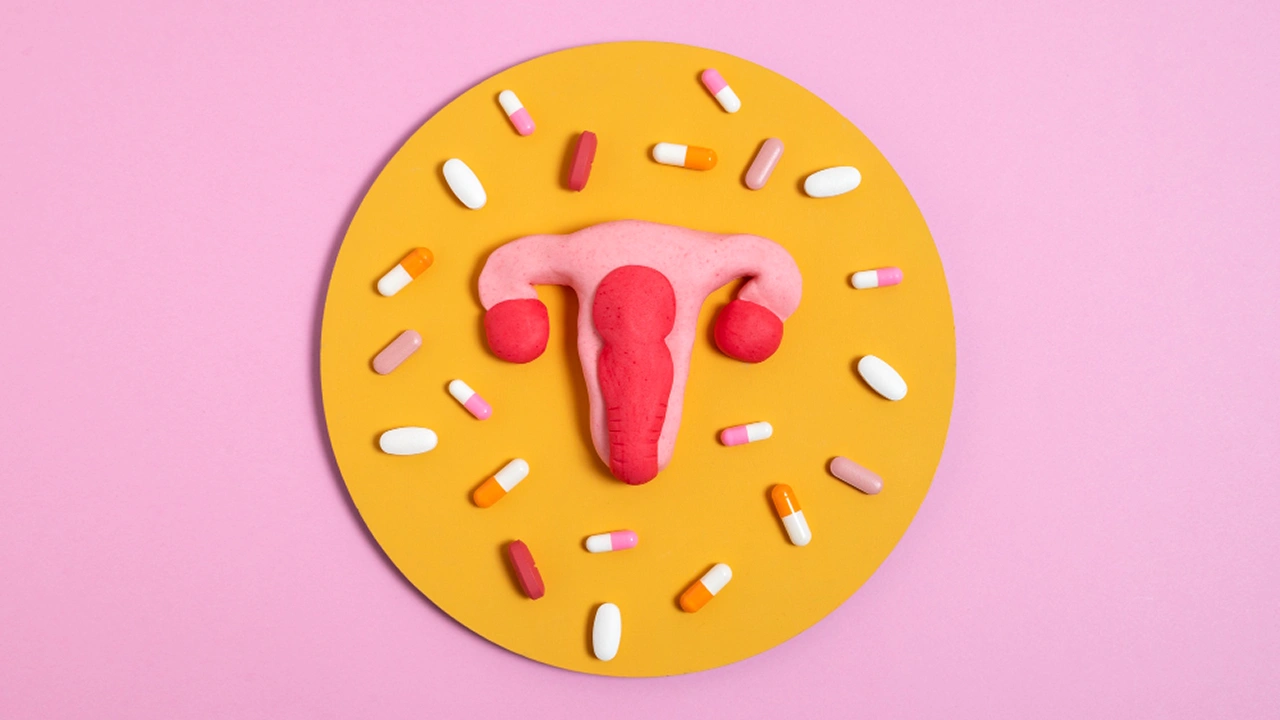
Vitamin D Deficiency Affect IVF outcomes by influencing endometrial receptivity, embryo quality, and hormone balance. Clinical evidence, age-specific risks, and PCOS implications, while offering actionable strategies to optimize Vitamin D levels and improve IVF success rates and pregnancy outcomes in a structured, patient-focused approach.
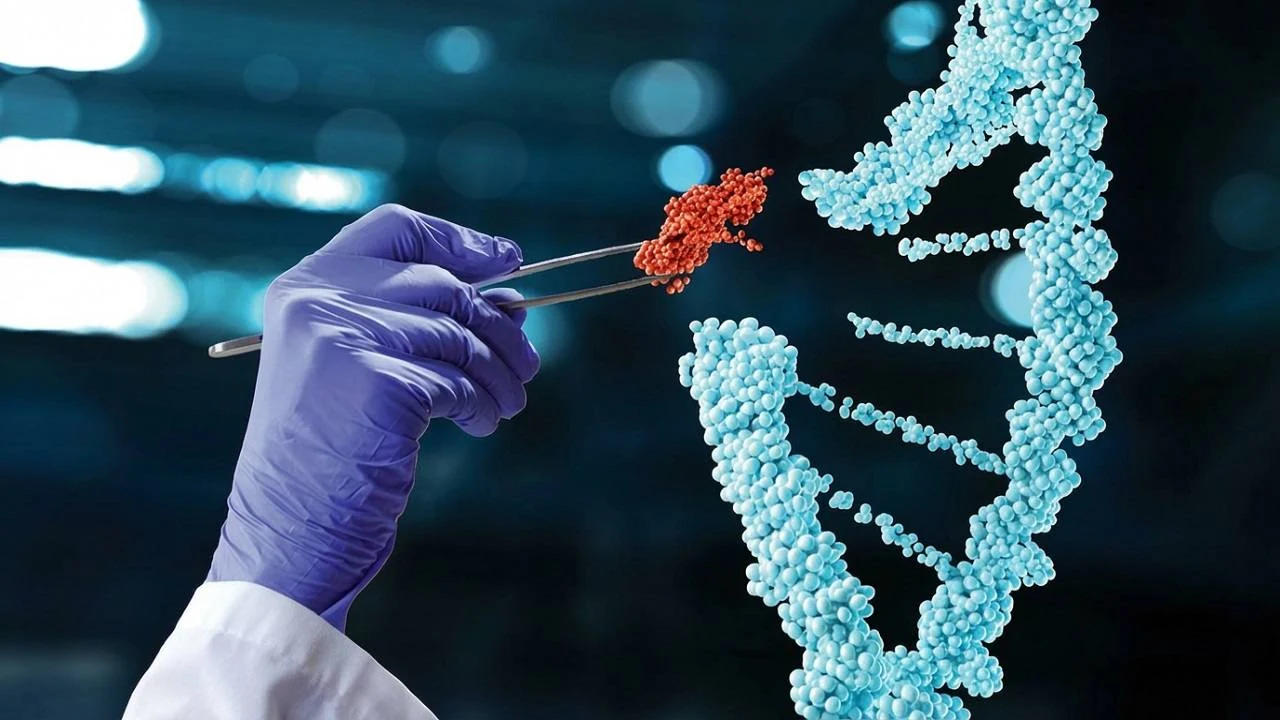
Preimplantation Genetic Testing (PGT) revolutionizes IVF by screening embryos for chromosomal abnormalities and genetic disorders before transfer. This advanced technology increases pregnancy success rates, reduces miscarriage risk, prevents inherited diseases, and shortens time to pregnancy while providing diagnostic clarity and reducing emotional stress for couples.

Clinical evidence increasingly demonstrates that emotional stress or grief reduces the chances of IVF success through sophisticated biochemical pathways that directly influence reproductive physiology. This relationship extends far beyond simple correlations, revealing profound mechanistic connections between psychological distress and the delicate orchestration of hormonal events essential for successful conception.
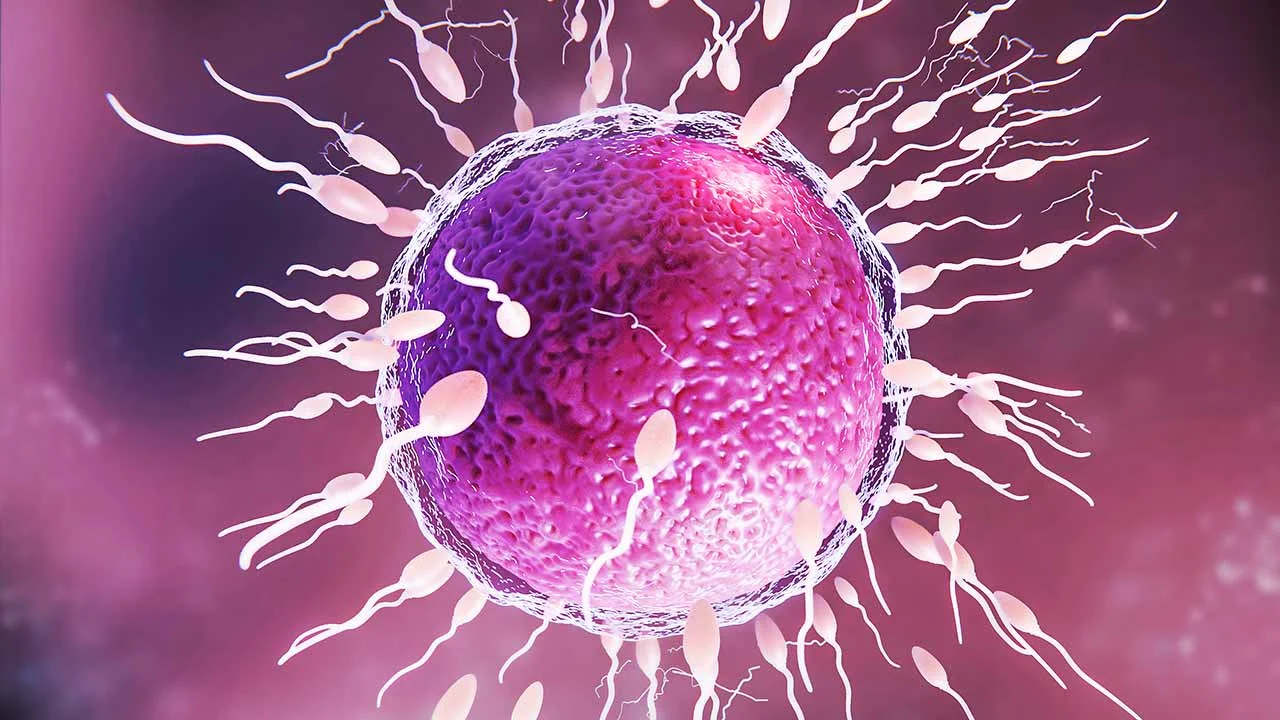
IVF in 2025 is shifting from hype to evidence-based innovation. As precision, automation, AI, and genetic advances reshape fertility care, patients must distinguish proven breakthroughs from outdated add-ons. This guide examines five groundbreaking IVF technologies in 2025 to understand which advances genuinely improve outcomes

Managing Recurrent Implantation Failure (RIF) outlines evidence-based diagnostics and treatment pathways to improve IVF success rates, emphasizing clarity, cautious use of add-ons, and realistic patient expectations.

