Home
 ArticlesArticles
Reproductive Technology Regulation in India establishes strict ethical, clinical, and legal standards for ART services, shaping who can access treatment, how clinics must operate, and how rights are protected. The framework aims to ensure safety while raising complex questions about inclusivity and evolving family structures.



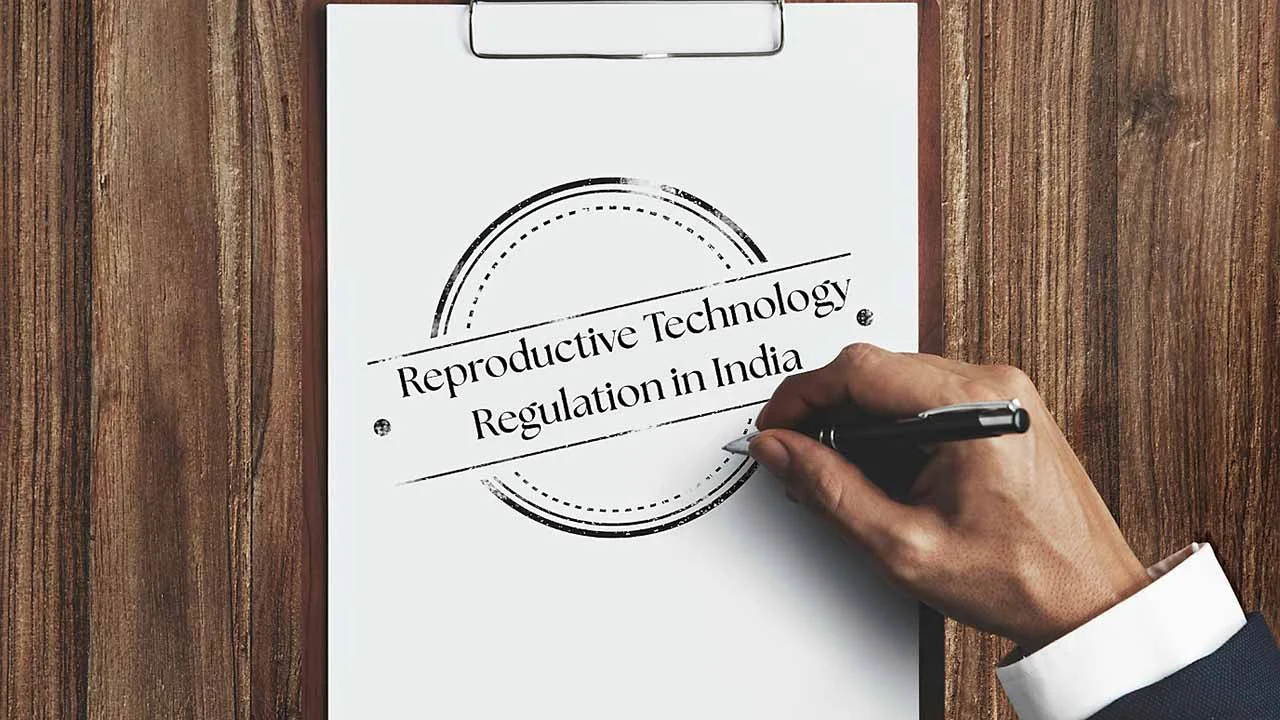
India regulates assisted reproductive technology (ART) through a comprehensive legislative and regulatory framework designed to ensure ethical practices, prevent misuse, and protect the rights of all parties involved in fertility treatments.
The Assisted Reproductive Technology (Regulation) Act, 2021 is the primary legislation for reproductive technology regulation in India. This Act was passed by Parliament on December 20, 2021, and signed into law on December 18, 2021. It establishes a structured regulatory system with the central objective of regulating and supervising ART clinics and banks, preventing misuse, and ensuring safe and ethical practices for reproductive health.
Complementing this is the ART (Regulation) Rules, 2022, which provides detailed implementation guidelines and operational procedures for the Act.
The regulation is implemented through a two-tier governance system. The National ART and Surrogacy Board handles policy formulation and nationwide oversight, while State ART and Surrogacy Boards coordinate enforcement at the state level. These boards work with Appropriate Authorities designated in each state and union territory to oversee registration, compliance, and enforcement.
A National Registry of Banks and Clinics serves as a centralized database maintaining records of all registered ART clinics and banks across the country. This registry is accessible online through the National ART & Surrogacy Portal and acts as the central authority for clinic and bank registration information.
The Act establishes a two-level clinic classification system.
All ART clinics and banks must obtain mandatory registration with the National Registry to operate legally. Registration is valid for five years and can be renewed for an additional five years. Registration must be prominently displayed at the clinic or bank premises.
The registration process requires submission of applications through the Appropriate Authority in each jurisdiction, with applicants needing to meet specific staffing, infrastructure, equipment, and facility requirements. The Appropriate Authority must process applications within 30 days of receipt, and registration cannot be granted without a physical inspection of the premises by the State Board.
Access to ART services is restricted to specific categories of individuals.
Additionally, married couples must demonstrate infertility, defined as the inability to conceive after one year of unprotected coitus or the presence of a proven medical condition preventing conception.
The Act notably excludes unmarried men, single fathers, widowers, unmarried cohabiting couples, transgender individuals, and homosexual couples from accessing ART services, a provision that has drawn criticism regarding constitutional equality principles.
The Act includes provisions governing research involving human gametes, embryos, and gonadal tissues, ensuring that research is conducted ethically and in compliance with established guidelines.
The regulatory framework includes stringent enforcement mechanisms with significant penalties for violations.
For first-time violations of general provisions, offenders face fines ranging from ₹5 to ₹10 lakhs (approximately USD 6,000–12,000). Subsequent violations are punishable with imprisonment of 3 to 8 years plus fines ranging from ₹10 to ₹20 lakhs (USD 12,000–24,000).
For sex-selective ART violations, penalties are notably stricter, with imprisonment of 5 to 10 years, fines ranging from ₹10 to ₹25 lakhs (USD 12,000–30,000), or both.
Repeated offenses involving clinic or bank ownership can result in imprisonment of 8 to 12 years plus fines of ₹8 to ₹12 lakhs (USD 9,600–14,400).
Children born through ART are legally deemed to be biological children of the commissioning couple and are entitled to all rights and privileges available to natural children. Importantly, gamete donors have no parental rights over children born through the use of their genetic material.
ART clinics and banks must share specific information with the National Registry, including details about enrolled commissioning parties and donors, procedures undertaken, and procedural outcomes. However, this data collection requirement has raised concerns regarding the right to privacy, particularly regarding the mandatory collection of Aadhaar details from donors.
Despite being a comprehensive regulatory framework, the Act has several acknowledged limitations. The eligibility restrictions exclude significant populations from accessing ART services despite legal permission for adoption by unmarried individuals and single fathers under other Indian laws. Additionally, the Act does not include provisions regulating service costs, leaving pricing largely uncontrolled.



Immunotherapy in restoring human fertility is emerging as a promising approach for addressing immune-related reproductive disorders. Recent clinical advances highlight its potential to improve implantation, pregnancy outcomes, and reproductive health, offering renewed hope for patients facing infertility linked to immune system dysfunction.

The smart fertility tracker market has transformed male fertility diagnostics, but how reliable are these devices? This report examines what at-home sperm tests actually measure, where they fall short compared to clinical analysis, and how men and couples can use them appropriately within a broader reproductive care pathway.
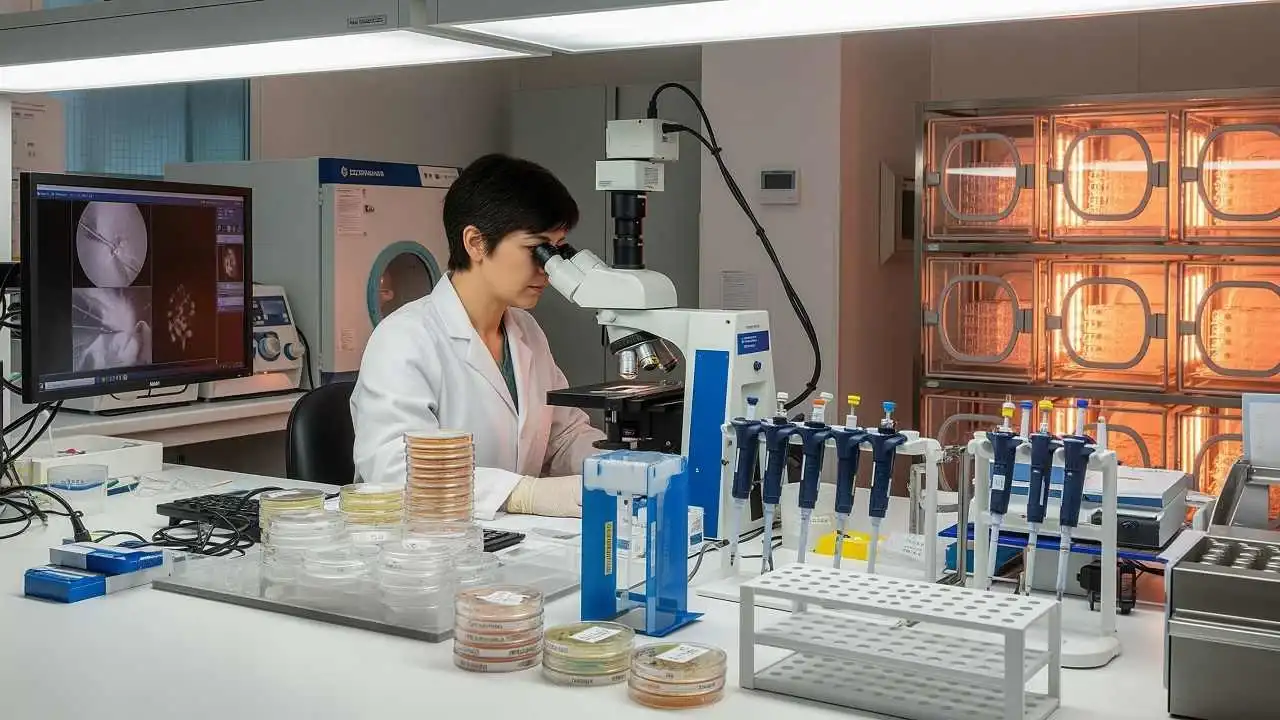
The distinct assisted reproductive technologies of Intrauterine Insemination (IUI), In Vitro Fertilization (IVF), and Intracytoplasmic Sperm Injection (ICSI). It outlines how each procedure works, the medical indications for their use, and their respective success rates. The importance of choosing the right treatment based on factors such as patient age, infertility diagnosis, and personal circumstances.

Assisted Reproductive Technology (ART), a groundbreaking medical field that provides solutions for individuals and couples facing fertility challenges. It defines ART, explains its core techniques such as In Vitro Fertilization (IVF) and Intracytoplasmic Sperm Injection (ICSI), and discusses clinical applications and success rates.

Common questions about pregnancy with polycystic ovary syndrome (PCOS) through IVF and IUI. It discusses PCOS-related infertility, success rates, treatment options, and the importance of personalised protocols. Emphasising holistic care and emotional support, it offers hope and insights for women navigating the challenges of PCOS.

The potential of stem cells to improve ovarian reserve and egg quality, focusing on their application in women with diminished fertility. It discusses how mesenchymal stem cells and other stem cell therapies can rejuvenate ovarian function by enhancing the ovarian environment, promoting tissue repair, and stimulating follicle growth. While the therapy shows promise, the article emphasizes the need for more extensive studies to understand its efficacy and safety.
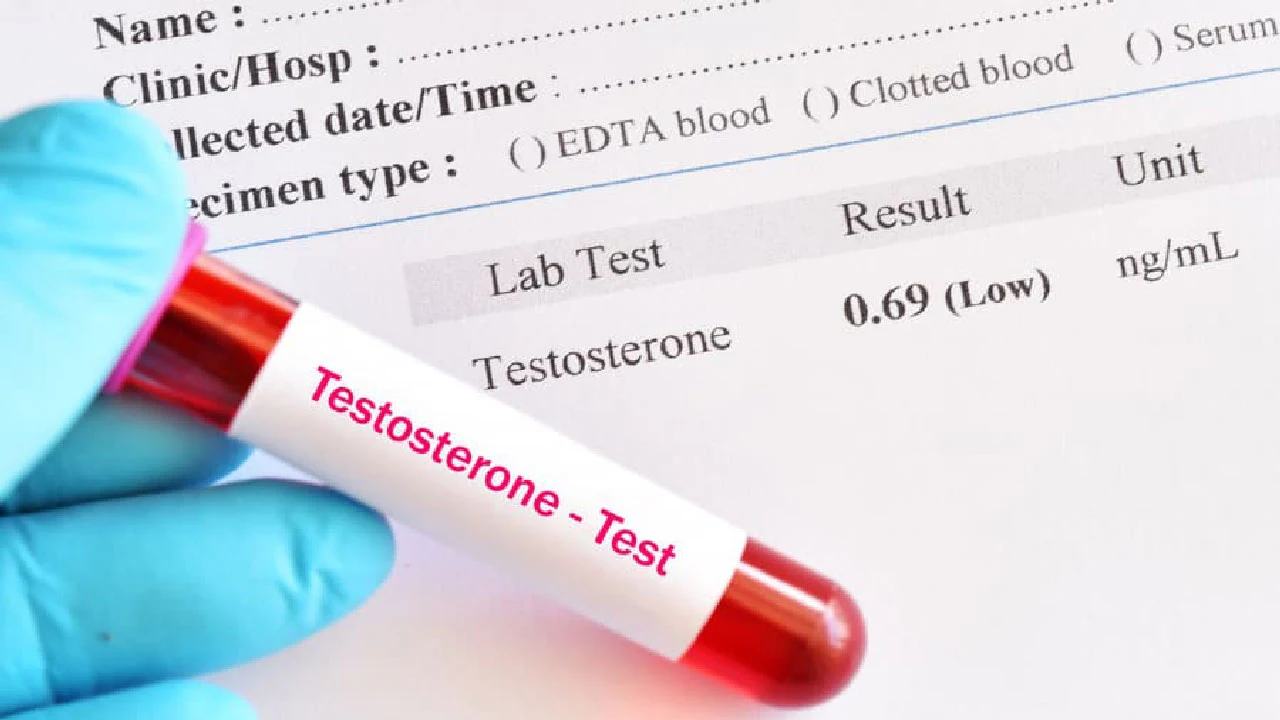
Clinical pearls for treating infertility and low testosterone in men, emphasizing reproductive goal assessment, empiric medical therapies, and comprehensive multidisciplinary management strategies.