Home
 ArticlesArticles
A baby born from a 30-year-old frozen embryo marks the world’s oldest known embryo-to-birth case, demonstrating how far IVF and long-term cryopreservation have progressed. Donated through an embryo adoption program, the decades-old embryo led to a successful birth, raising new questions about viability limits and fertility preservation.




An embryo preserved for more than three decades has resulted in the birth of what is now being described as the world’s oldest baby, marking a notable moment for in vitro fertilization (IVF) and long-term embryo freezing. The child, born on July 26, 2025, came from a 30-year-old embryo created in May 1994 in the United States by Linda Archerd and her then-husband, who underwent IVF and chose to store three remaining embryos. One of those embryos stayed frozen for over 30 years, in what some specialists describe as a state that was “young and old all at once,” before being transferred in 2024.
Archerd later chose to donate the embryos, and they were adopted by Lindsey and Tim Pierce through the Snowflakes program run by Nightlight Christian Adoptions. Until recently, the oldest embryos to result in live births had been stored for just over 30 years, including two that led to the birth of twins in 2022. This new case pushes that boundary further and shows the growing range of possibilities when transferring a 30-year-old embryo, underscoring how much long-term embryo freezing has advanced.
The transfer took place at a Tennessee fertility clinic led by reproductive endocrinologist John Gordon, whose team continues to test the limits of IVF while working within a complex ethical landscape. Storage rules differ widely across the world: Australia allows embryos to be stored for five years, the United Kingdom permits up to 55 years, and the United States has no legal cap at all. That lack of restriction has contributed to an estimated 1.5 million embryos frozen across the country, many unclaimed; a number that reflects the increasing relevance of managing long-term cryopreservation as more cases involving a 30-year-old embryo come forward.
The birth also raises questions about science and ethics. Embryos frozen for decades can be harder to thaw because techniques have changed significantly since the early 1990s. Beth Button, executive director of the Snowflakes program, noted that “over 90 percent of clinics in the US would not have accepted these embryos.” Research on extended storage has produced mixed findings: a 2022 retrospective study from China suggested that long-term freezing may lower survival rates but did not show major effects on newborn health, while other studies found no clear relationship between storage time and embryo viability. Most available data, however, comes from embryos stored for far shorter periods, which makes this case an important gauge of what long-term freezing can sustain.
The Pierce family’s son is biologically related to Archerd’s daughter, born in the 1990s, creating an unusual sibling age gap of nearly 30 years. As more clinics begin thawing and transferring older frozen embryos, this case points to how embryo adoption, changing family structures, and improvements in preservation methods are reshaping fertility care. Whether there is a firm limit to how long an embryo can remain viable is still uncertain, but the transfer of a 30-year-old embryo brings that question into sharper relief.



Immunotherapy in restoring human fertility is emerging as a promising approach for addressing immune-related reproductive disorders. Recent clinical advances highlight its potential to improve implantation, pregnancy outcomes, and reproductive health, offering renewed hope for patients facing infertility linked to immune system dysfunction.

The smart fertility tracker market has transformed male fertility diagnostics, but how reliable are these devices? This report examines what at-home sperm tests actually measure, where they fall short compared to clinical analysis, and how men and couples can use them appropriately within a broader reproductive care pathway.
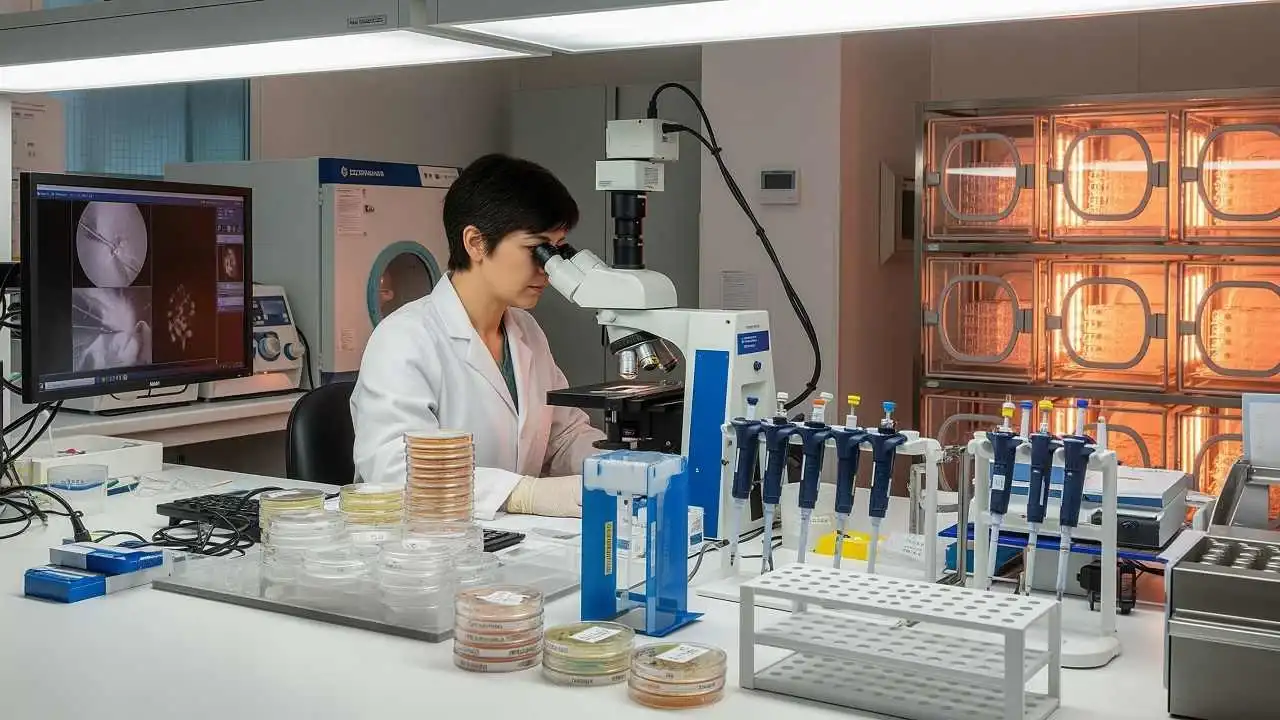
The distinct assisted reproductive technologies of Intrauterine Insemination (IUI), In Vitro Fertilization (IVF), and Intracytoplasmic Sperm Injection (ICSI). It outlines how each procedure works, the medical indications for their use, and their respective success rates. The importance of choosing the right treatment based on factors such as patient age, infertility diagnosis, and personal circumstances.

Assisted Reproductive Technology (ART), a groundbreaking medical field that provides solutions for individuals and couples facing fertility challenges. It defines ART, explains its core techniques such as In Vitro Fertilization (IVF) and Intracytoplasmic Sperm Injection (ICSI), and discusses clinical applications and success rates.

Common questions about pregnancy with polycystic ovary syndrome (PCOS) through IVF and IUI. It discusses PCOS-related infertility, success rates, treatment options, and the importance of personalised protocols. Emphasising holistic care and emotional support, it offers hope and insights for women navigating the challenges of PCOS.

The potential of stem cells to improve ovarian reserve and egg quality, focusing on their application in women with diminished fertility. It discusses how mesenchymal stem cells and other stem cell therapies can rejuvenate ovarian function by enhancing the ovarian environment, promoting tissue repair, and stimulating follicle growth. While the therapy shows promise, the article emphasizes the need for more extensive studies to understand its efficacy and safety.
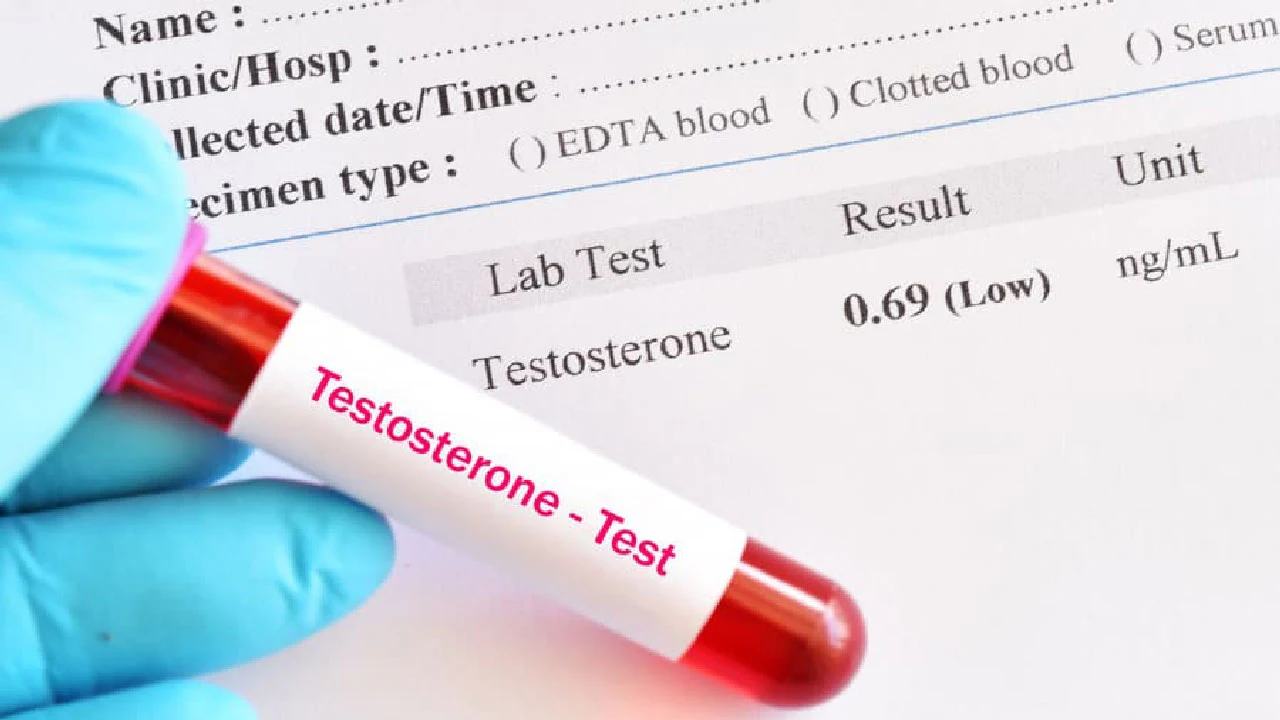
Clinical pearls for treating infertility and low testosterone in men, emphasizing reproductive goal assessment, empiric medical therapies, and comprehensive multidisciplinary management strategies.