Home
 ArticlesArticles
The contributions of pioneers in reproductive medicine revolutionized IUI. From artificial insemination to ovulation induction, these pioneers in reproductive medicine played a crucial role in advancing fertility treatments. Their innovations made IUI a widely used and effective solution for infertility.




Intrauterine Insemination (IUI) is one of the most widely practiced procedures in reproductive medicine, especially for cases involving male factor infertility, unexplained infertility, and select female fertility challenges. This technique has evolved through the work of numerous pioneers in reproductive medicine, whose groundbreaking innovations have significantly increased the success rates of artificial insemination, ultimately establishing IUI as a standard fertility treatment.
The history of IUI is marked by remarkable contributions from researchers, clinicians, and innovators whose dedication has deepened our understanding of reproductive biology and refined clinical practice. Below are some of the key figures whose work shaped the evolution of IUI.

Best known for developing the birth control pill, Dr. Gregory Pincus was also one of the earliest pioneers in reproductive medicine, particularly in the area of artificial insemination (AI). His research on human reproduction played a pivotal role in the evolution of fertility treatments.
In the 1950s, Pincus and colleagues, including Dr. John Rock, began exploring the potential of intrauterine insemination as a way to enhance fertilization, especially for those facing infertility. Although Pincus did not invent the modern IUI procedure, his foundational research on sperm injection and artificial insemination laid the groundwork for the development of today’s clinical IUI techniques.
Dr. Landrum Shettles, an American reproductive biologist, is widely regarded as a pioneer in refining artificial insemination techniques. In the 1950s and 1960s, Shettles experimented with new insemination methods to improve conception rates among couples with male infertility.
He developed an innovative approach that involved placing sperm directly into the cervical canal, allowing more sperm to reach the fallopian tubes and increasing the chances of fertilization. While this method differed from intrauterine insemination, Shettles’s work on sperm washing, selection, and timing formed the scientific foundation upon which modern IUI techniques were built. His advancements in sperm preparation, particularly the separation of healthy sperm from seminal fluid, became a critical step in the evolution of IUI.
Dr. Gregory Palermo, a distinguished Italian reproductive biologist, is renowned for developing Intracytoplasmic Sperm Injection (ICSI), a breakthrough that transformed the treatment of male infertility. Beyond ICSI, his research on sperm washing and selection profoundly influenced IUI practices by improving sperm handling and quality.
Palermo’s focus on optimizing sperm preparation enhanced fertilization outcomes and contributed to more precise sperm selection protocols. His expertise in sperm biology and fertilization mechanisms provided valuable insights that refined IUI techniques and improved treatment success rates.
Dr. Ricardo Azziz, a leading reproductive endocrinologist, made significant strides in improving IUI success through ovulation induction—a process that stimulates the ovaries to produce multiple eggs, thereby increasing the likelihood of conception.
From the 1990s into the early 2000s, Azziz developed and refined medication protocols involving clomiphene citrate, gonadotropins, and follicle-stimulating hormone (FSH) to maximize ovulation. By combining these methods with IUI, he broadened the treatment’s effectiveness for conditions such as unexplained infertility and polycystic ovary syndrome (PCOS). His contributions elevated IUI from a simple procedure to a more targeted, science-driven fertility treatment.
American reproductive endocrinologist Dr. Howard Jones played a defining role in establishing IUI as a mainstream infertility therapy. Though best known for his work in IVF, Jones also contributed extensively to artificial insemination research and clinical practice.
During the 1970s and 1980s, he developed clinical protocols for IUI, particularly for couples dealing with male factor infertility. His work in improving sperm preparation and identifying optimal insemination timing helped standardize IUI procedures in fertility clinics, ensuring consistent and higher success rates.
Professor Peter Brinsden, a prominent figure in reproductive medicine, was instrumental in developing testing protocols and refining the processes that made IUI more effective. His innovations in combining IUI with ovulation-stimulating medications led to significant improvements in conception outcomes.
Brinsden’s research emphasized meticulous sperm preparation, washing, concentration, and timing, alongside precise monitoring of follicular development. These advancements made IUI a more accurate, reliable, and widely successful fertility treatment.
Dr. Alan Trounson, a leading Australian scientist, made major contributions to reproductive biology through his work in IVF and the refinement of IUI techniques. His research on synchronizing ovulation with insemination, improving embryo culture, and advancing sperm cryopreservation greatly enhanced the practicality and accessibility of IUI.
Trounson also established improved protocols for sperm washing and the use of fresh or frozen sperm, expanding IUI options for couples worldwide. His pioneering efforts in assisted reproductive technologies continue to influence IUI practices today.
The evolution of Intrauterine Insemination (IUI) is a story of scientific vision, persistence, and innovation. From Dr. Gregory Pincus’s early artificial insemination research to Dr. Landrum Shettles’s refinements in sperm handling and Dr. Ricardo Azziz’s advancements in ovulation induction, each pioneer has played a vital role in shaping modern fertility care.
Today, IUI stands as one of the most accessible and effective fertility treatments, its success rooted in decades of dedication from these trailblazers whose work continues to inspire progress in reproductive medicine.


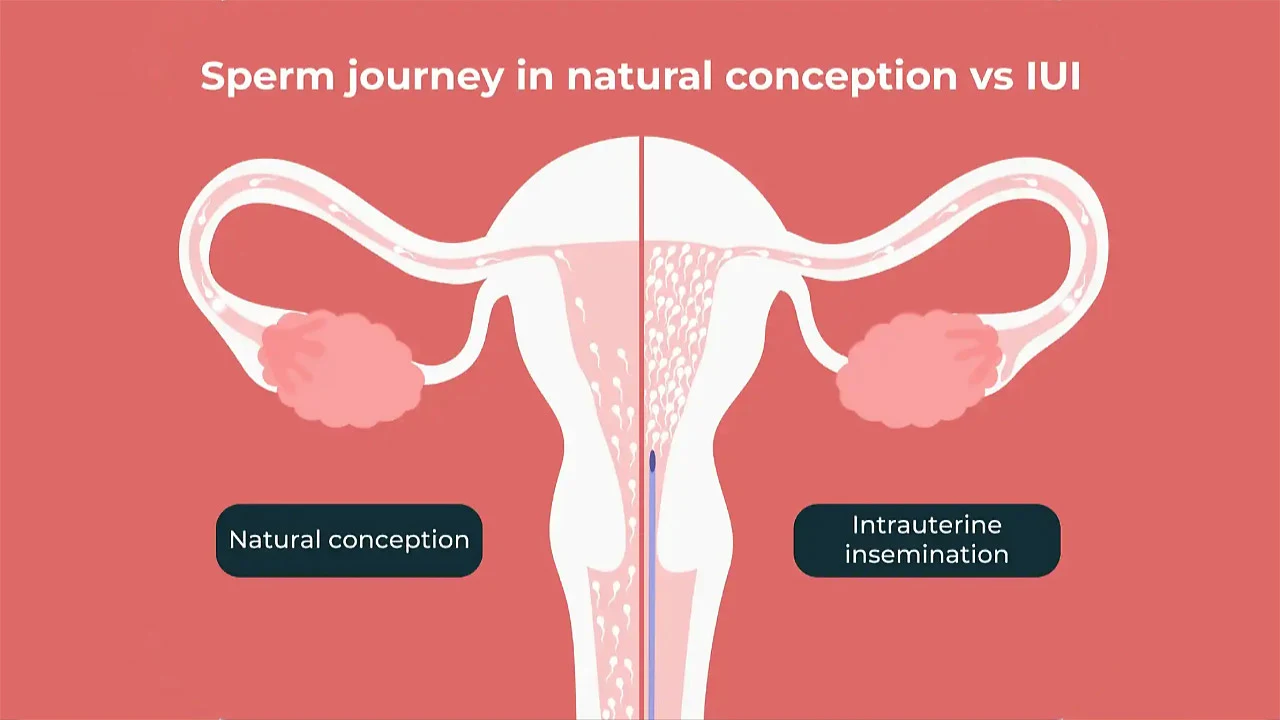
Natural cycle IUI, a fertility treatment that works with your body's natural ovulation without medications. This comprehensive guide explains the procedure, ideal candidates, step-by-step process, success rates, and benefits. Learn if this gentle approach to conception is right for your fertility journey and family-building goals.
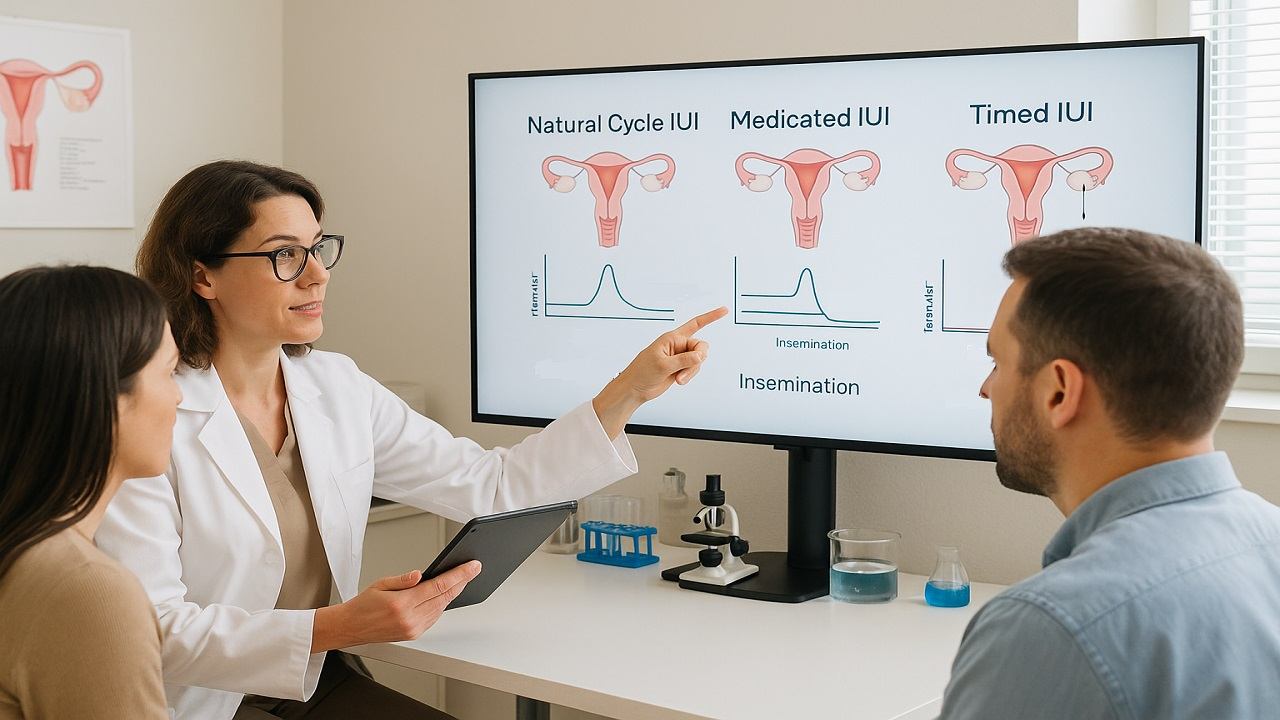
The various types of Intrauterine Insemination (IUI), including Natural, Medicated, and Timed IUI, detailing how each method works and their respective benefits. Understanding these types of IUI helps individuals and couples choose the right fertility treatment based on their specific needs and circumstances.
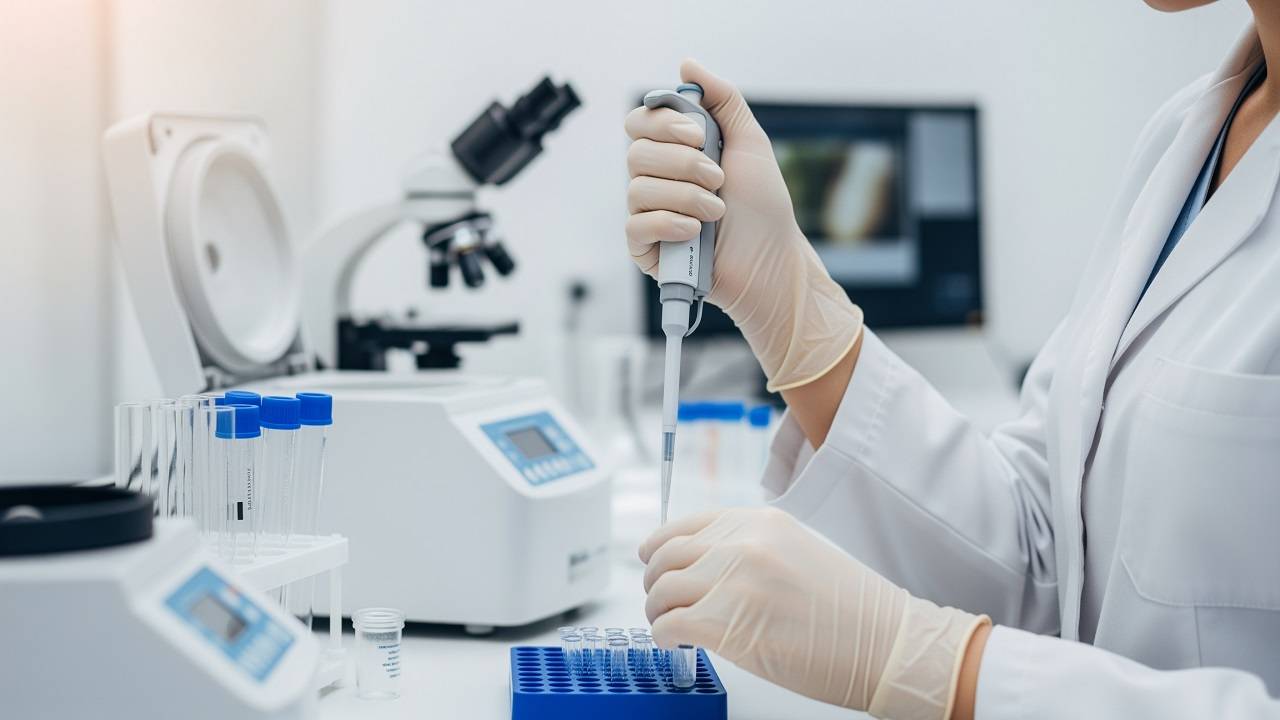
IUI with sperm washing is a fertility treatment where semen is carefully processed to isolate healthy, motile sperm before being placed directly into the uterus. This method improves fertilization chances by bypassing natural barriers and reducing harmful elements in semen. It is especially beneficial for couples facing mild male infertility, cervical issues, or unexplained infertility.
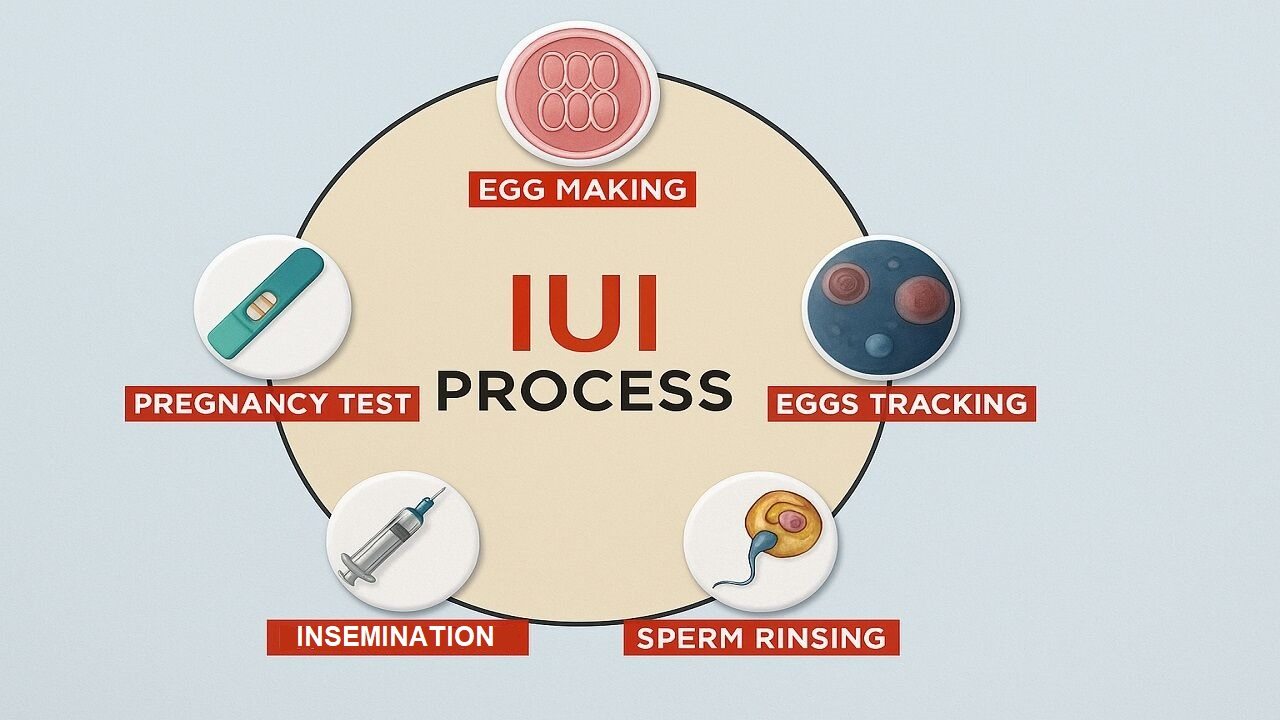
The process of Sperm Processing in Intrauterine Insemination (IUI) outlines the necessary steps, including collection, washing, and selection, to improve the quality of the sperm. Proper Sperm Processing in Intrauterine Insemination (IUI) increases the chances of successful fertilization and pregnancy, making it a vital part of the intrauterine insemination procedure.
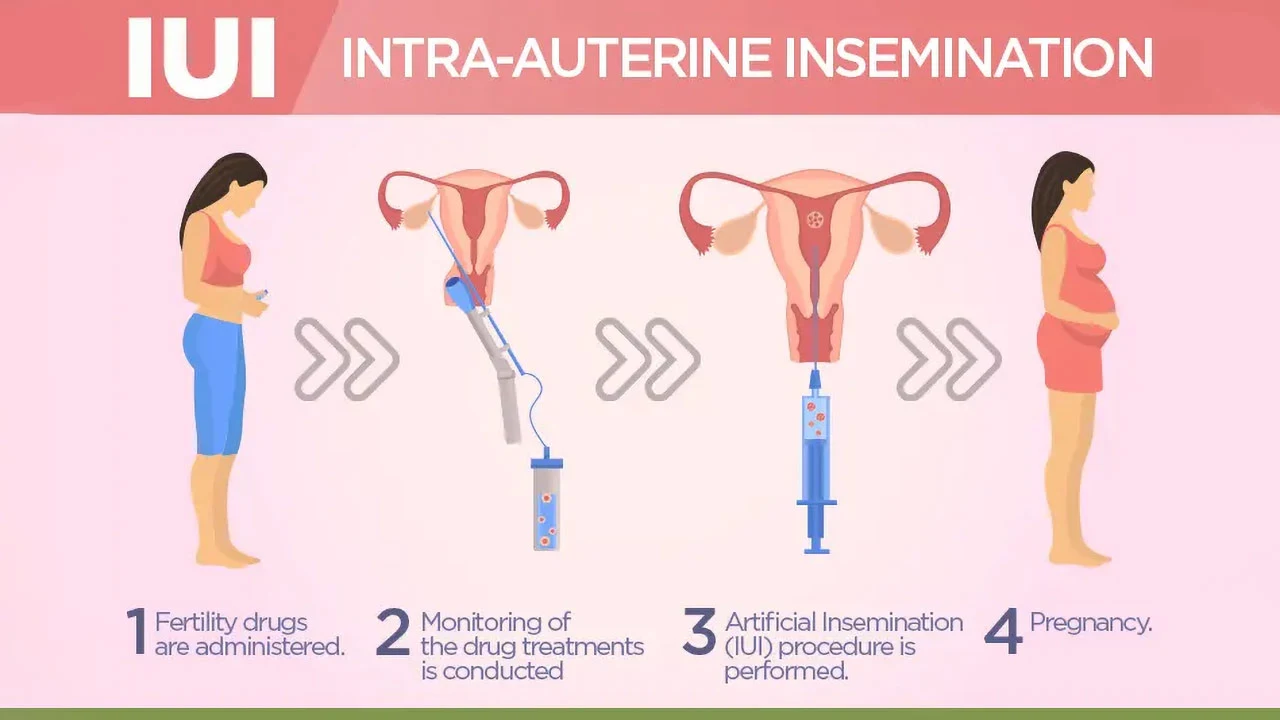
Intrauterine insemination (IUI) is a minimally invasive fertility treatment that involves placing prepared sperm directly into the uterus during ovulation. How the IUI procedure works, who may benefit, expected success rates, and what to anticipate throughout the treatment journey.

The complexities surrounding the use of donor gametes, including legal considerations, anonymity, and ethical dilemmas. It highlights how the use of donor gametes raises important questions about parenthood, child rights, and family dynamics in assisted reproduction.