Home
 ArticlesArticles
Personalized fertility nutrition tailors diet to individual biology, focusing on anti-inflammatory, Mediterranean-style eating and micronutrient balance. By aligning genetics, metabolism, and lifestyle, this approach supports ovulation, hormone health, and conception readiness, creating a science-backed, food-first foundation for improving fertility outcomes and overall preconception wellness.



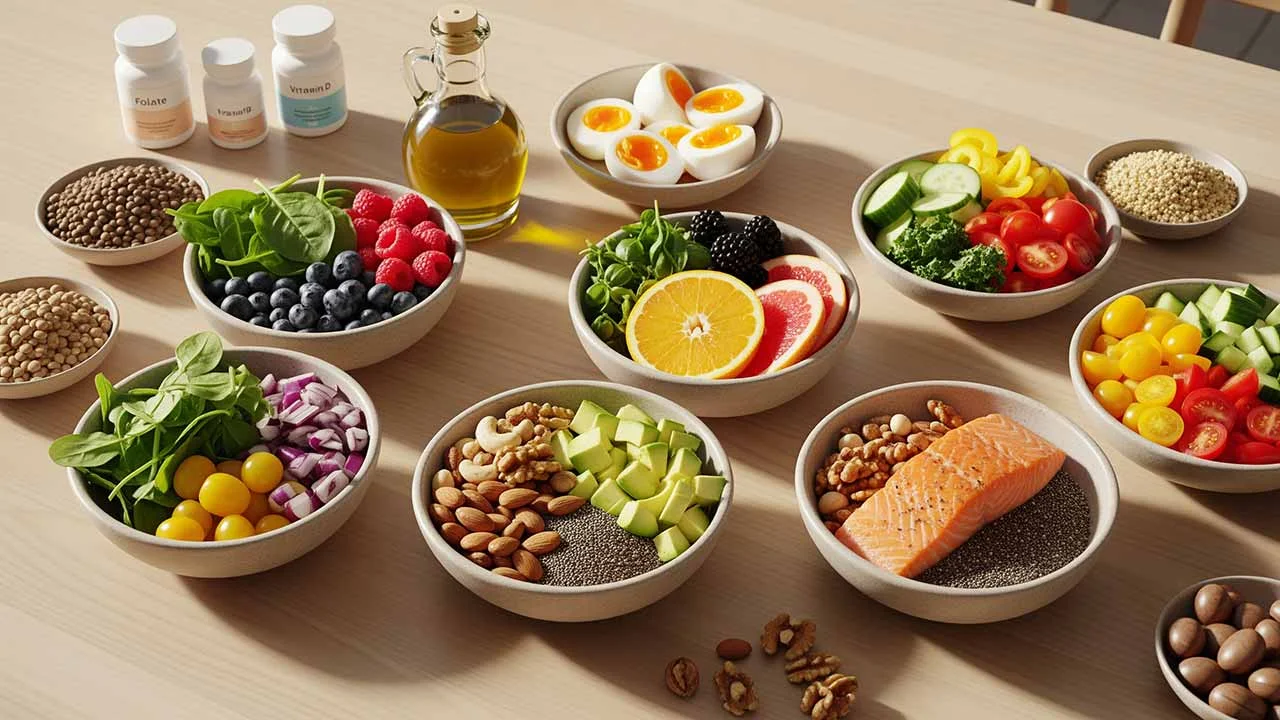
Personalized fertility nutrition is an emerging, evidence-aligned approach that adapts dietary patterns to an individual’s biology, lifestyle, and clinical context to support healthy ovulation, oocyte quality, implantation, and early embryo development. While no single “fertility diet” guarantees conception, converging research supports anti-inflammatory, Mediterranean-style patterns, micronutrient sufficiency, and targeted personalization using genetics, metabolomics, and microbiome insights as a practical, low-risk foundation for improving fertility potential and preconception health.
Fertility is influenced by differences in genetics, epigenetics, metabolism, immune tone, and the microbiome, which helps explain why generic diets produce inconsistent results across individuals. Precision strategies sometimes called personalized fertility nutrition—aim to match dietary choices to a person’s phenotype and modifiable risk factors such as inflammation, insulin dynamics, and nutrient status to achieve better reproductive outcomes. This approach complements core preconception care frameworks from professional bodies by embedding nutrition within broader risk assessment and counseling.
Across scoping reviews and updates, adherence to Mediterranean-style patterns shows the most consistent association with improved clinical pregnancy measures, including among those using assisted reproductive technologies, though evidence remains heterogeneous overall. Hallmarks include higher intake of vegetables, fruits, whole grains, legumes, fish, and olive oil; lower intake of trans fats and ultra-processed foods; and balance across proteins, carbohydrates, and unsaturated fats, which collectively relate to healthier metabolic and inflammatory profiles linked to fertility. At the same time, expert guidance underscores that no specific macronutrient prescription reliably improves natural fertility for everyone, reinforcing the case for individualized planning anchored in general healthy eating principles and specific micronutrient needs.
Multiple reviews highlight the importance of one-carbon metabolism (folate and choline), antioxidant capacity, and trace elements for oocyte and embryo environment quality, with folic acid universally supported in preconception care. Vitamin D insufficiency is common among women of childbearing age, and addressing deficits before conception is increasingly emphasized in reproductive nutrition practice. In IVF settings, normalizing trace elements such as zinc, copper, and selenium in follicular fluid has been observed with multi-micronutrient supplementation, alongside improvements in serum status, suggesting a role for targeted repletion where deficits are documented. Professional consensus, however, cautions against assuming universal supplement benefits beyond folic acid without an individualized assessment, further underscoring a personalized fertility nutrition approach.
Reviews emphasize meaningful signals for Mediterranean-style patterns and anti-inflammatory choices, yet call out heterogeneity and the need for controlled trials to define magnitudes of effect across populations and ART pathways. Leading professional opinions advise against promising specific macronutrient manipulations as fertility cures, advocating instead for individualized, evidence-aligned nutrition within comprehensive preconception care a stance that harmonizes with personalized fertility nutrition. This balanced view supports clinicians and executives in backing personalization initiatives that are pragmatic, measurable, and integrated with clinical workflows.
Personalized fertility nutrition integrates Mediterranean-style principles, micronutrient sufficiency, and phenotype-driven adjustments to create a pragmatic, evidence-aligned path for conception support without overpromising a single “fertility diet”. As part of preconception care, this tailored approach can improve metabolic and inflammatory tone, restore key nutrient levels, and align both partners on sustainable, food-first strategies that complement medical management and ART where needed. For professionals and executives, operationalizing personalized fertility nutrition is a strategic, patient-centered investment that balances scientific rigor with real-world feasibility and measurable outcomes.


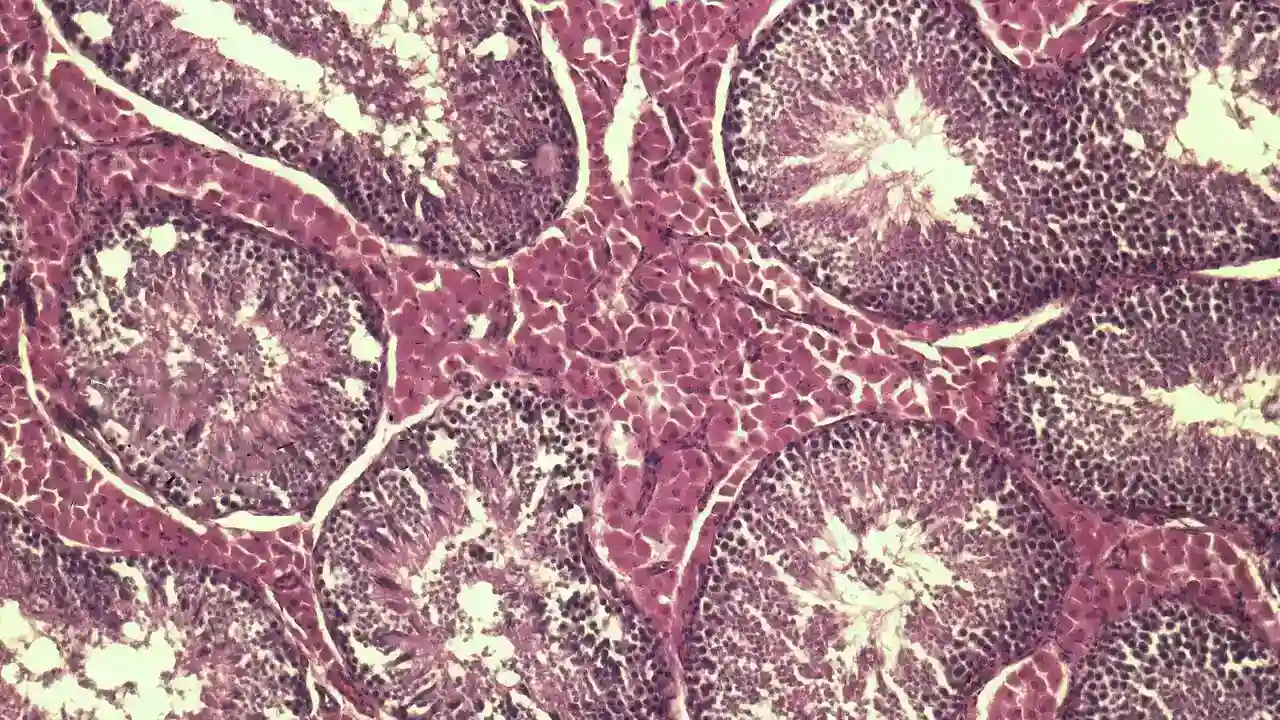
Boys treated for cancer before puberty cannot bank sperm, but freezing testicular tissue containing spermatogonial stem cells may one day restore their fertility. This article explains how the first transplants in adult survivors work, what the early research shows, the risks involved and why families should know about this option.
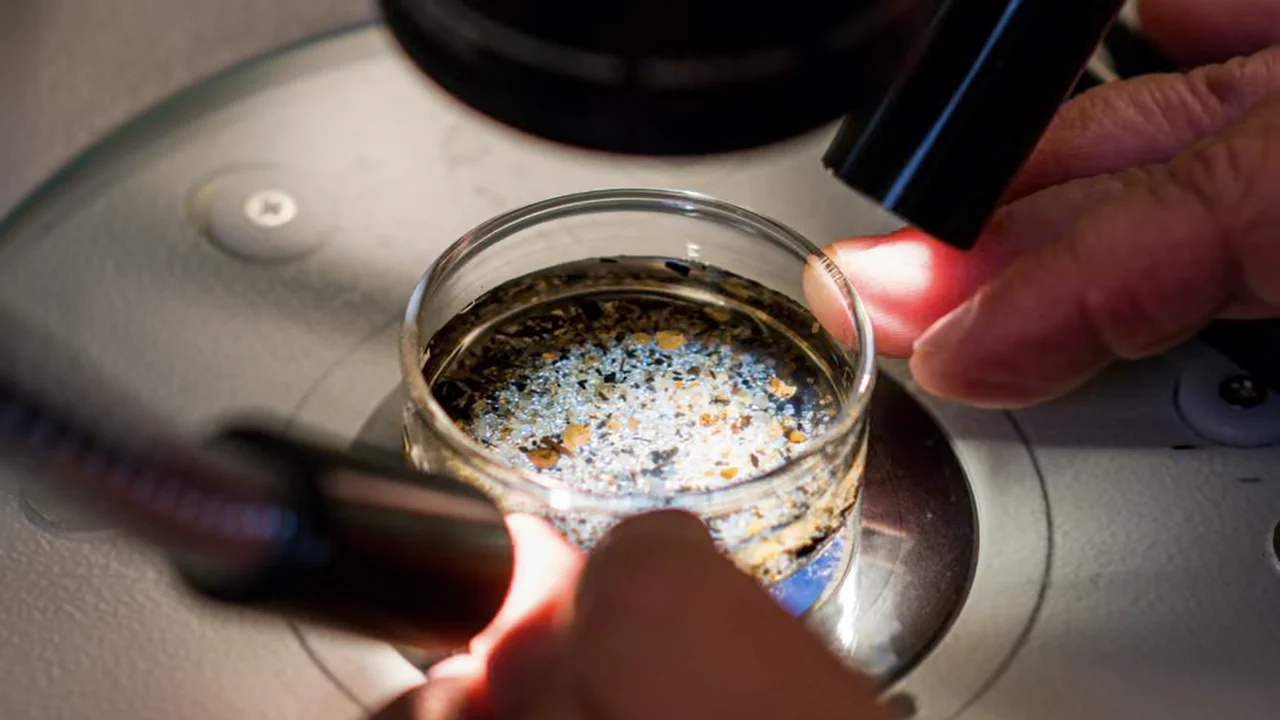
Microplastics have now been found in human follicular fluid and seminal fluid. This article explores the fast-growing body of research on microplastics and fertility, what scientists know and do not yet know about their effects on eggs and sperm, and practical, evidence-based ways that couples can reduce their everyday exposure.

Fertility conversations often focus on women, yet new research on sperm epigenetics shows a father's environment matters too. This article explains how air pollution may alter chemical marks on sperm DNA, why those changes could matter for fertility and pregnancy, and the practical steps men can reasonably consider before conception.
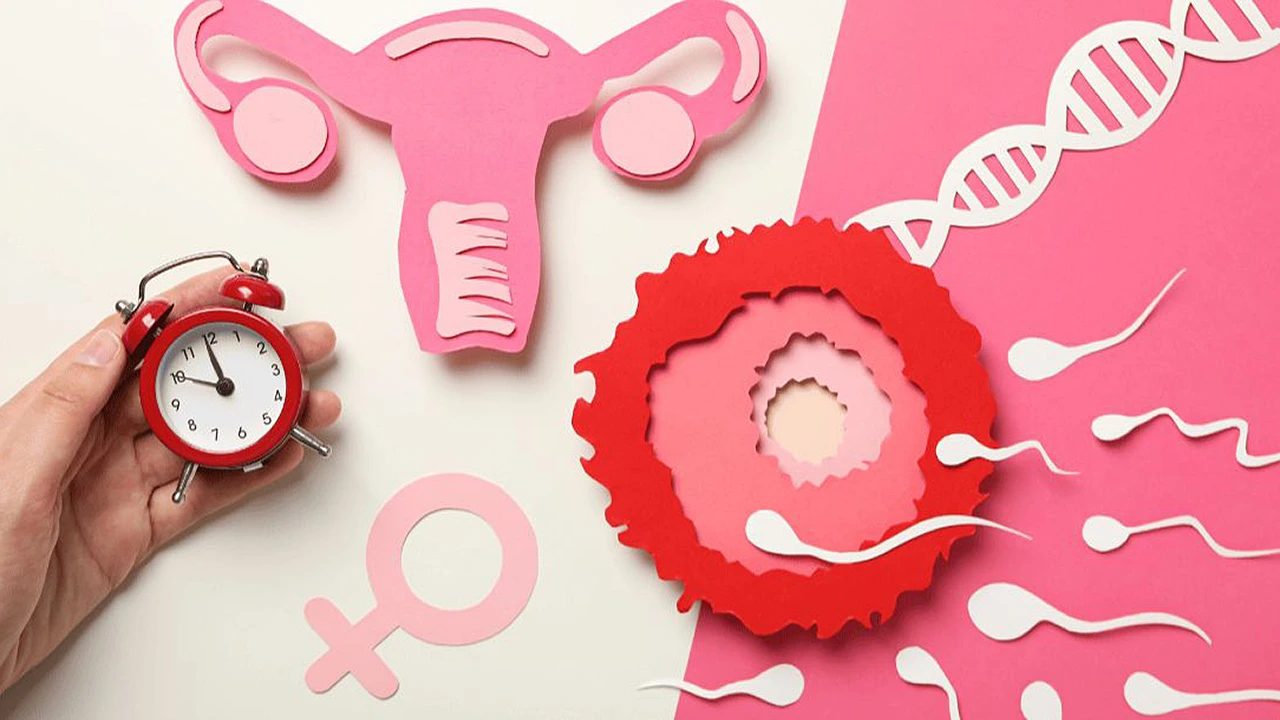
Donor eggs have long been seen as a way to reset the reproductive clock, but new research suggests uterine ageing also plays a role. This article explains what the latest evidence shows, how the ageing uterus may affect implantation and pregnancy, and how women in their late forties can prepare.
In vitro gametogenesis, the science of creating eggs and sperm from ordinary body cells, has moved from mouse studies towards human research. This article explains how the approaches work, what recent milestones really show, the obstacles that remain and why clinical use is still likely to be several years away.
Mitochondrial donation, often called three-parent IVF, has now produced the first detailed clinical results, with healthy children born to mothers at high risk of passing on mitochondrial disease. This article explains how the technique works, who it is for, what the evidence shows and which scientific questions remain open
A new AI sperm recovery technique is changing the outlook for men with azoospermia. This article explains how the STAR method scans semen samples for rare hidden sperm, what its first reported pregnancy means, who may benefit, and the key questions couples should raise with their own fertility specialist.