Home
 ArticlesArticles
A routine X-ray test of the fallopian tubes may do more than diagnose a problem. This article explains oil-based tubal flushing during hysterosalpingography, what major clinical trials have found about its effect on natural conception, who may benefit, the possible risks and the questions couples should ask their own fertility specialist.




Most fertility tests are designed only to find answers. A blood test checks hormone levels, an ultrasound looks at the ovaries and uterus, and a semen analysis assesses sperm. One long-established test, however, may do something more. Hysterosalpingography, usually called an HSG, checks whether the fallopian tubes are open. Increasingly, evidence suggests that when it is performed with an oil-based contrast medium, it may also improve a woman's chances of conceiving naturally.
This effect, known as oil-based tubal flushing, has been studied in large randomised trials, with follow-up now extending over several years. For couples with unexplained infertility, it raises an intriguing possibility: a simple diagnostic procedure may offer a real boost to fertility before more intensive treatments such as IUI or IVF are needed.
An HSG is an X-ray procedure used to examine the inside of the uterus and the fallopian tubes. A thin tube is passed through the cervix, and a contrast fluid is gently introduced into the uterine cavity. The fluid flows into the fallopian tubes and, if the tubes are open, spills out into the pelvic cavity. X-ray images show the shape of the uterus and whether the tubes are open or blocked.

The procedure usually takes only a few minutes and is performed as an outpatient, typically in the days after a period has finished and before ovulation. Many women experience cramping during the test, which usually settles quickly. HSG has been used for around a century, and for most of that time its role was seen as purely diagnostic.
The contrast fluid used during HSG can be either water-based or oil-based. Water-based contrast is widely used in modern practice; it is absorbed quickly and produces clear images. Oil-based contrast, made from iodised poppy seed oil, was the original medium used in early HSG procedures. It has a higher iodine concentration and does not mix with water, which makes it highly visible on X-ray.
For decades, clinicians had noticed that some women seemed to conceive soon after an HSG, and some studies suggested this happened more often after oil-based contrast. Until relatively recently, however, the evidence was too limited to change practice.
The most influential evidence comes from the H2Oil study, a large multicentre randomised trial in the Netherlands published in the New England Journal of Medicine. It involved 1,119 women aged 18 to 39 who were undergoing fertility investigation and had a low risk of tubal disease. Women were randomly assigned to HSG with either oil-based or water-based contrast.
Within six months, ongoing pregnancy rates were higher in the oil-based group than in the water-based group. Importantly, most of these pregnancies were natural conceptions, meaning they occurred without further fertility treatment.
The researchers then followed the women for longer. At three years, the chance of an ongoing pregnancy remained higher after oil-based contrast, and the median time to pregnancy was several months shorter. A five-year follow-up found that the fertility-enhancing effect of oil-based tubal flushing was still present, with higher cumulative rates of ongoing pregnancy and live birth than after water-based contrast.
A further analysis of the H2Oil data looked at how the benefit changed over time. It found that the advantage of oil-based contrast was strongest immediately after the procedure and gradually decreased over the following months, while remaining present over longer follow-up.
In practical terms, this suggests that the months after an HSG may be a particularly favourable window for couples trying to conceive naturally. Researchers have also looked at whether the benefit extends to a second child. Results suggested better rates after oil-based contrast, including more natural conceptions, although the difference for second pregnancies did not reach statistical significance.
The exact mechanism behind oil-based tubal flushing is not fully understood. One theory is that flushing the tubes with oil may clear debris or mucus plugs that partially block them without showing up as a true obstruction. Another is that the oil may influence the immune environment of the pelvis and uterus, potentially affecting how sperm, eggs and embryos are treated by local immune cells.
It is also possible that oil-based contrast affects the lining of the uterus in ways that make implantation more likely. Research is ongoing, and a clearer understanding of the mechanism could help identify which women benefit most.
The strongest evidence comes from women with a low risk of tubal disease, typically those being investigated for unexplained infertility or with partners who have mild male factor infertility. Further trials are investigating the effect specifically in couples with unexplained or mild male infertility.
Oil-based tubal flushing is not a treatment for blocked tubes caused by infection, endometriosis or previous surgery. Women with a known or high risk of tubal disease may need different investigations, such as laparoscopy, and different treatment. It is also not a substitute for IVF when IVF is clearly indicated, such as in severe male infertility or advanced maternal age with reduced egg reserve.
An HSG is usually scheduled after a period has ended and before ovulation to make sure there is no early pregnancy. Some clinics suggest taking a mild painkiller beforehand to ease cramping. The procedure itself is short, and most women can go home soon afterwards. Light spotting and some discharge of contrast fluid over the following day or two are common, and oil-based contrast may be noticed as an oily discharge.
Women should seek medical advice if they develop fever, severe pain or unusual discharge after the procedure. Results are often discussed straight away or at a follow-up appointment, along with a plan for the months ahead.
HSG is generally considered a safe procedure, but oil-based contrast has some specific considerations. Women with an iodine allergy should not have iodinated contrast. Because oil-based contrast contains a high amount of iodine, it can temporarily affect thyroid function, and some clinicians check thyroid function before or after the procedure, particularly in women with existing thyroid conditions or who may soon become pregnant.
A rare complication is the passage of oil into blood vessels or lymphatic channels, known as intravasation, which in very rare cases can lead to an oil embolism. Experienced operators use techniques and imaging to minimise this risk. As with any HSG, there is also a small risk of infection, and women may be offered antibiotics in some circumstances. These risks should be discussed openly before the procedure.
Couples who are about to have tubal testing may want to ask whether their clinic uses oil-based or water-based contrast for HSG and whether oil-based contrast would be appropriate in their situation. It is worth asking whether there are reasons, such as allergy or thyroid conditions, why oil-based contrast might not be suitable and how thyroid function will be monitored if it is used.
Couples may also want to discuss how long to try for natural conception after the test before moving on to other treatments and how the result fits into their overall fertility plan.
Oil-based tubal flushing is a reminder that some of the most useful advances in fertility care come not from new technology but from rigorous research into established procedures. For suitable couples, particularly those with unexplained infertility, it offers a low-intervention option that may increase the chance of natural conception.
As research continues to clarify how and why it works, oil-based tubal flushing may find a more prominent place in the early stages of fertility investigation, helping some couples conceive before they ever need to start more intensive treatment.
Disclaimer: FertilityIn shares this information based on published research and material from reliable, recognised sources. The content is intended for general awareness only and should not be taken as medical advice. Anyone with questions about their fertility, or who needs medical attention, should consult their own doctor or a qualified fertility specialist.
Reference Sources



Consumer DNA testing and new open-identity laws are bringing the era of donor anonymity to a close. This article explains why anonymity can no longer be guaranteed, how laws are changing, and what this shift means for donors, intended parents and the growing number of donor-conceived people around the world
Donor genetic screening is moving well beyond basic tests. This article explains how expanded carrier screening and donor-recipient matching work, what recent high-profile cases in Europe have revealed about the limits of screening, and the questions intended parents should ask before choosing donor eggs or sperm for their treatment.

Boys treated for cancer before puberty cannot bank sperm, but freezing testicular tissue containing spermatogonial stem cells may one day restore their fertility. This article explains how the first transplants in adult survivors work, what the early research shows, the risks involved and why families should know about this option.
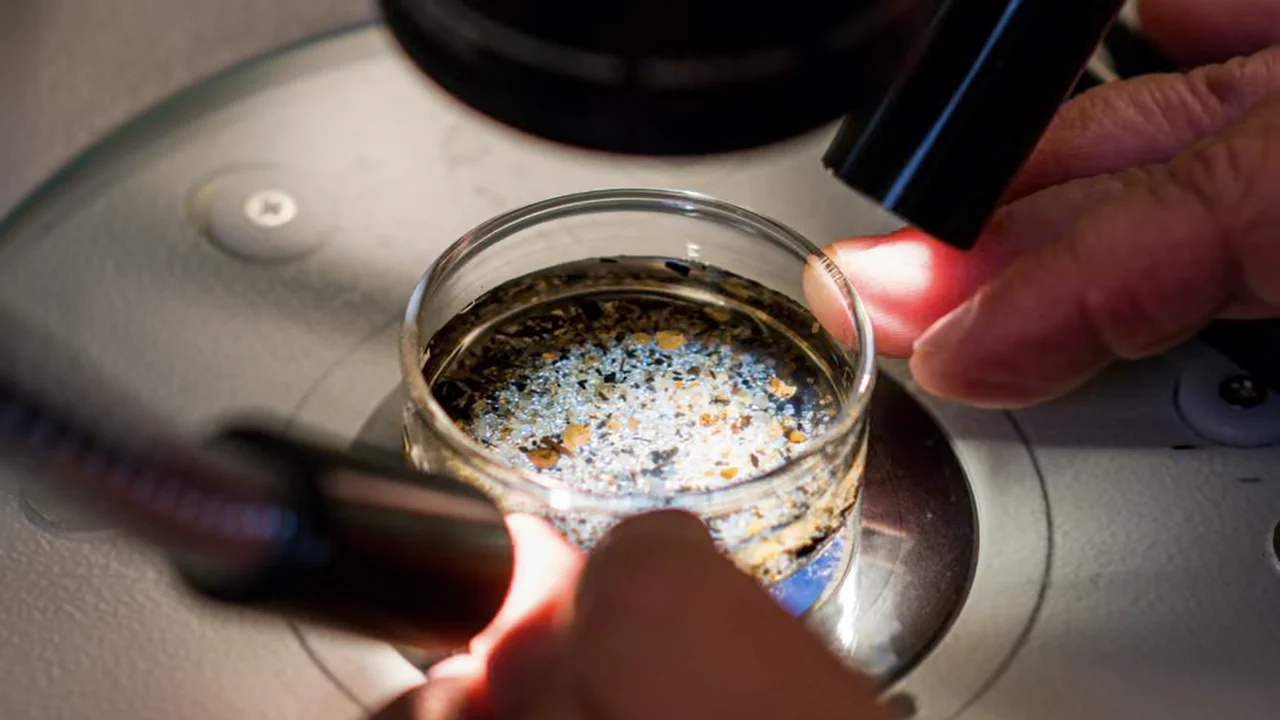
Microplastics have now been found in human follicular fluid and seminal fluid. This article explores the fast-growing body of research on microplastics and fertility, what scientists know and do not yet know about their effects on eggs and sperm, and practical, evidence-based ways that couples can reduce their everyday exposure.

Fertility conversations often focus on women, yet new research on sperm epigenetics shows a father's environment matters too. This article explains how air pollution may alter chemical marks on sperm DNA, why those changes could matter for fertility and pregnancy, and the practical steps men can reasonably consider before conception.
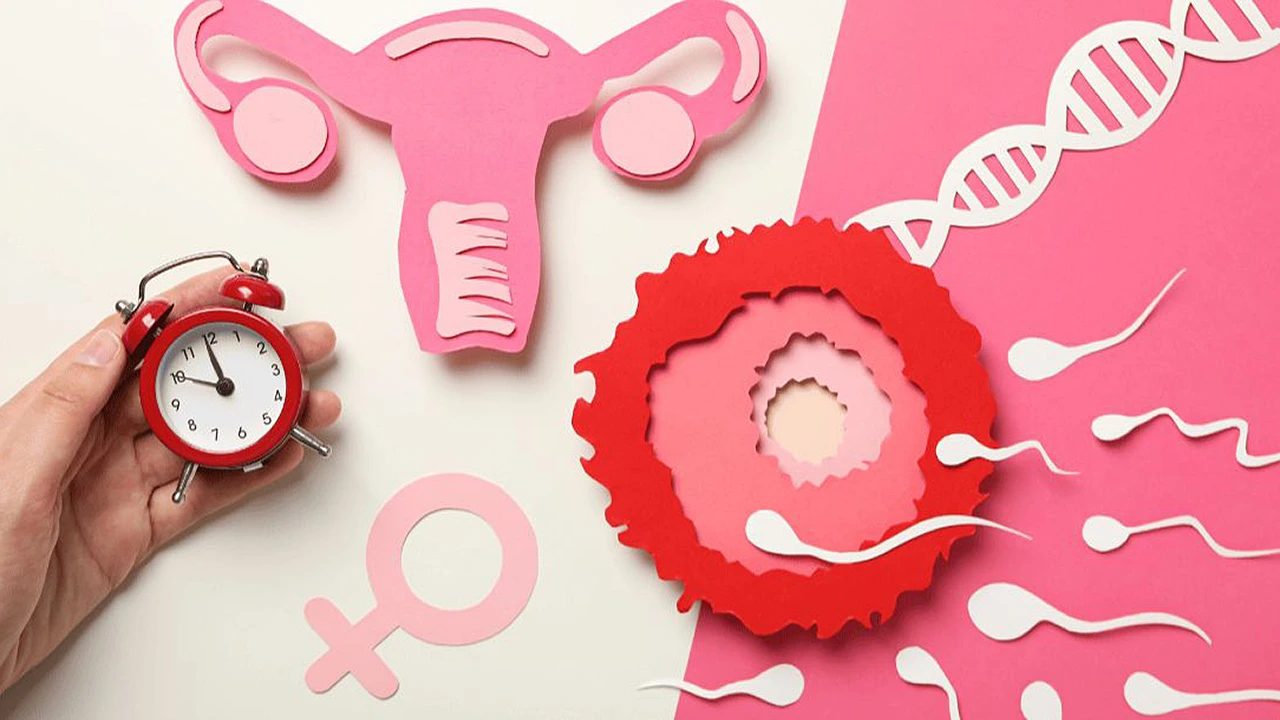
Donor eggs have long been seen as a way to reset the reproductive clock, but new research suggests uterine ageing also plays a role. This article explains what the latest evidence shows, how the ageing uterus may affect implantation and pregnancy, and how women in their late forties can prepare.