Home
 ArticlesArticles
Microplastics have now been found in human follicular fluid and seminal fluid. This article explores the fast-growing body of research on microplastics and fertility, what scientists know and do not yet know about their effects on eggs and sperm, and practical, evidence-based ways that couples can reduce their everyday exposure.



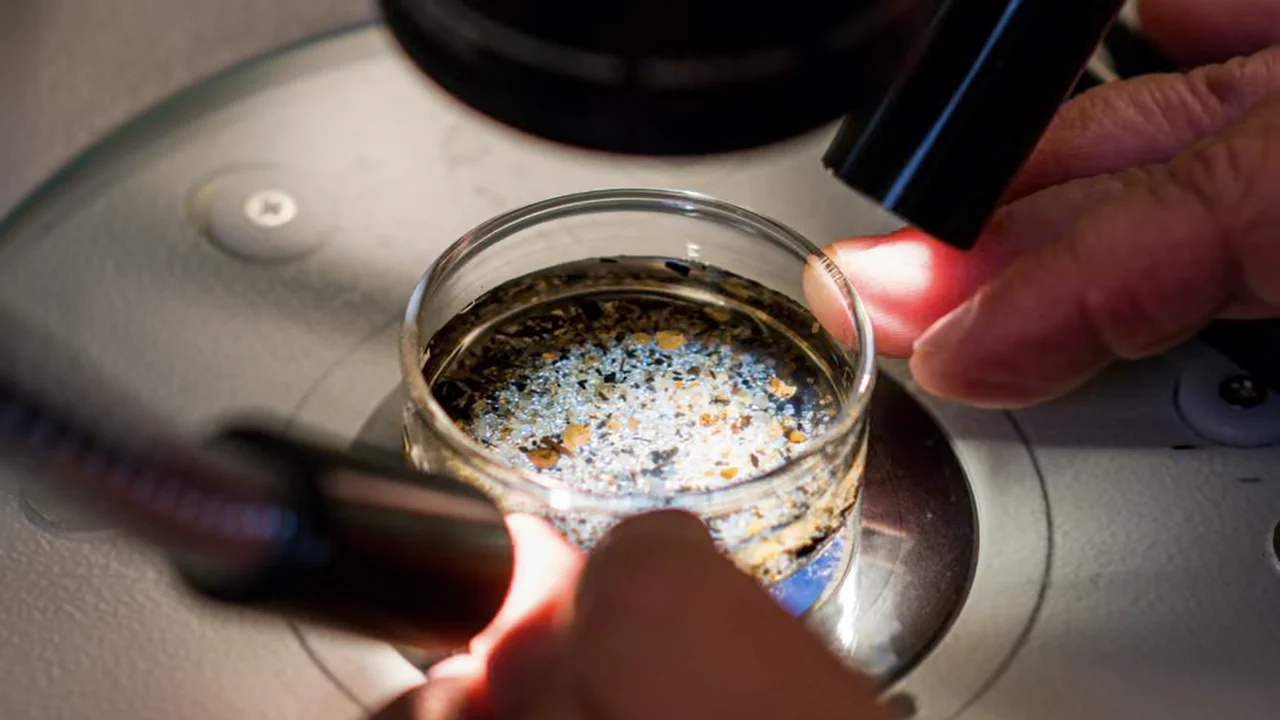
Plastic is so embedded in modern life that it has become part of us. Over the past few years, scientists have detected tiny plastic particles in human blood, lungs, placentas and even arteries. Now they have found them in the fluids most closely tied to reproduction.
Research presented at the 2025 annual meeting of the European Society of Human Reproduction and Embryology (ESHRE) reported microplastics in the follicular fluid that surrounds developing eggs and in the seminal fluid that carries sperm. The findings have prompted understandable concern among people trying to conceive. This article looks at what the research on microplastics and fertility actually shows, what remains uncertain and what individuals can sensibly do.
Microplastics are plastic particles smaller than five millimetres, ranging down to fragments visible only under specialised microscopes. Some are manufactured at a small size, but most come from the gradual breakdown of larger items such as bottles, packaging, clothing fibres, tyres and household goods. Even smaller particles, known as nanoplastics, are harder to measure and may be able to cross biological barriers more easily.

People are exposed to microplastics through food, drinking water, the air they breathe and contact with everyday products. Because plastics often carry chemical additives, including substances known to interfere with hormones, scientists are interested not only in the particles themselves but in what they may carry into the body.
The research was led by Dr Emilio Gomez-Sanchez of Next Fertility Murcia in Spain. His team analysed follicular fluid from 29 women and seminal fluid from 22 men, using strict anti-contamination measures, including glassware for collection and storage. Samples were examined with laser direct infrared imaging, a technique that can identify the chemical type of individual particles.
Microplastics were found in around two-thirds of the follicular fluid samples and just over half of the semen samples. Researchers identified a range of common polymers, including polytetrafluoroethylene (PTFE, often associated with non-stick coatings), polypropylene, polyethylene terephthalate (used in drinks bottles), polyamide, polyethylene, polyurethane and polystyrene. PTFE was the most frequently detected polymer overall. Many samples contained more than one type of plastic, although particle numbers were generally low.
The researchers suggested that concentrations may be higher in follicular fluid partly because blood flow to the ovary increases during ovarian stimulation for IVF. The source of particles in semen, whether the testes, epididymis or accessory glands, is not yet clear.
It is essential to be clear about the limits of this research. The study confirmed that microplastics are present in reproductive fluids; it did not measure whether they affect egg quality, sperm function, fertilisation, embryo development or pregnancy outcomes. The sample size was small, and the participants were people attending a fertility clinic.
Commenting on the findings, a past chair of ESHRE observed that environmental influences on reproduction are real but difficult to measure objectively and that while the significance of the results is not yet clear, they add to the argument for reducing plastic use in daily life. That balanced position is a useful guide for patients: the discovery is a reason for attention and further research, not for alarm.
The ESHRE study adds to a wider body of evidence. Microplastics have previously been detected in human placental tissue and in testicular tissue. In laboratory and animal studies, exposure to microplastics has been linked to inflammation, oxidative stress, DNA damage and signs of accelerated cellular ageing in reproductive tissues, as well as reduced sperm quality and disrupted ovarian function in some models.
Some chemicals commonly used in plastics, such as bisphenols and phthalates, are well-recognised endocrine disruptors, meaning they can interfere with the body's hormone systems. Research has associated higher exposure to certain of these chemicals with changes in semen quality and ovarian function. Animal findings do not always translate directly to humans, however, and the levels used in experiments may differ from real-life exposure.
Follicular fluid is the microenvironment in which an egg completes its development. It supplies nutrients, hormones and signalling molecules, and its composition has been linked to egg quality. Seminal fluid similarly supports sperm and interacts with the female reproductive tract after intercourse. Any foreign material in these fluids is therefore of legitimate scientific interest.
For researchers, the key questions now are whether microplastic levels differ between people with and without infertility, whether they correlate with treatment outcomes, and whether particular polymers or sizes are more concerning than others. Larger, well-designed studies will be needed to answer them.
Complete avoidance is impossible, but reducing exposure is a reasonable, low-risk step, particularly for couples preparing for pregnancy. Avoid heating food or drinks in plastic containers, including in microwaves, and choose glass, ceramic or stainless steel where practical. Replace non-stick pans once their coatings become scratched or damaged. Reduce reliance on single-use plastic bottles and takeaway containers.
Inside the home, regular dusting, vacuuming and ventilation can reduce airborne particles, many of which come from synthetic fabrics and furnishings. Eating more fresh, minimally processed food and less food packaged in plastic may also lower intake of both particles and associated chemicals. These habits align with broader healthy-living advice and carry little downside.
Should I be tested for microplastics before IVF? At present, no. Measuring microplastics in reproductive fluids requires specialised research equipment, and there are no established reference levels that would tell a patient what a result means for their fertility. Testing is therefore a research activity rather than a clinical service.
Could microplastics explain my unexplained infertility? It is too early to say. Unexplained infertility has many possible contributors, and while environmental factors may play a role for some couples, there is currently no evidence that microplastics are a specific cause. Your specialist can review the tests you have had and discuss whether further investigation is worthwhile.
Will changing my habits make a difference? Reducing exposure is sensible and low-risk, and it supports wider health. What researchers cannot yet say is how much a given reduction would change fertility outcomes. That uncertainty is exactly why further research on microplastics and fertility is so important.
For fertility specialists, the findings reinforce the value of including environmental factors in preconception counselling. Patients increasingly ask about microplastics, and a clear, evidence-based answer helps prevent both complacency and anxiety. Clinicians can explain that research is at an early stage, that reducing exposure is sensible, and that proven factors such as age, smoking, weight and underlying medical conditions still have the greatest measurable influence on fertility.
For IVF laboratories, the research also raises practical questions about plastics used in equipment and culture systems. Laboratories already follow strict quality controls on contact materials, and this is an area where ongoing vigilance and research are likely to grow.
The discovery of microplastics in follicular fluid and semen is a striking reminder that environmental pollution reaches even the most protected parts of the body. Whether it meaningfully affects fertility remains an open question, and honest communication about that uncertainty is important.
For now, the most constructive response combines personal steps to reduce exposure with support for research and wider efforts to limit plastic pollution. As evidence on microplastics and fertility grows, patients and clinicians will be better placed to understand the risks and act on them.
Disclaimer: FertilityIn shares this information based on published research and material from reliable, recognised sources. The content is intended for general awareness only and should not be taken as medical advice. Anyone with questions about their fertility, or who needs medical attention, should consult their own doctor or a qualified fertility specialist.
ESHRE Focus on Reproduction – Microplastics discovered in human reproductive fluids
EMJ Reproductive Health – Review of the 41st ESHRE Annual Meeting (2025)
Science Media Centre Spain – Expert reactions: microplastics found in reproductive fluids



Boys treated for cancer before puberty cannot bank sperm, but freezing testicular tissue containing spermatogonial stem cells may one day restore their fertility. This article explains how the first transplants in adult survivors work, what the early research shows, the risks involved and why families should know about this option.

Fertility conversations often focus on women, yet new research on sperm epigenetics shows a father's environment matters too. This article explains how air pollution may alter chemical marks on sperm DNA, why those changes could matter for fertility and pregnancy, and the practical steps men can reasonably consider before conception.
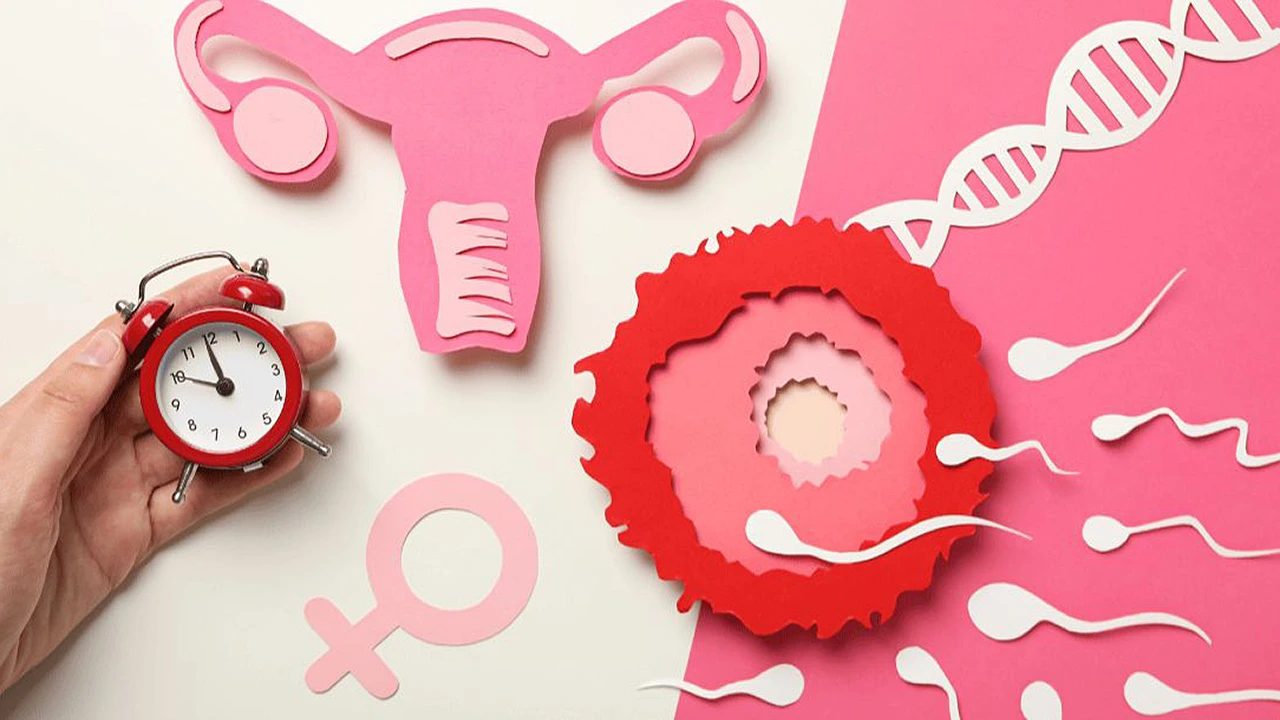
Donor eggs have long been seen as a way to reset the reproductive clock, but new research suggests uterine ageing also plays a role. This article explains what the latest evidence shows, how the ageing uterus may affect implantation and pregnancy, and how women in their late forties can prepare.

In vitro gametogenesis, the science of creating eggs and sperm from ordinary body cells, has moved from mouse studies towards human research. This article explains how the approaches work, what recent milestones really show, the obstacles that remain and why clinical use is still likely to be several years away.
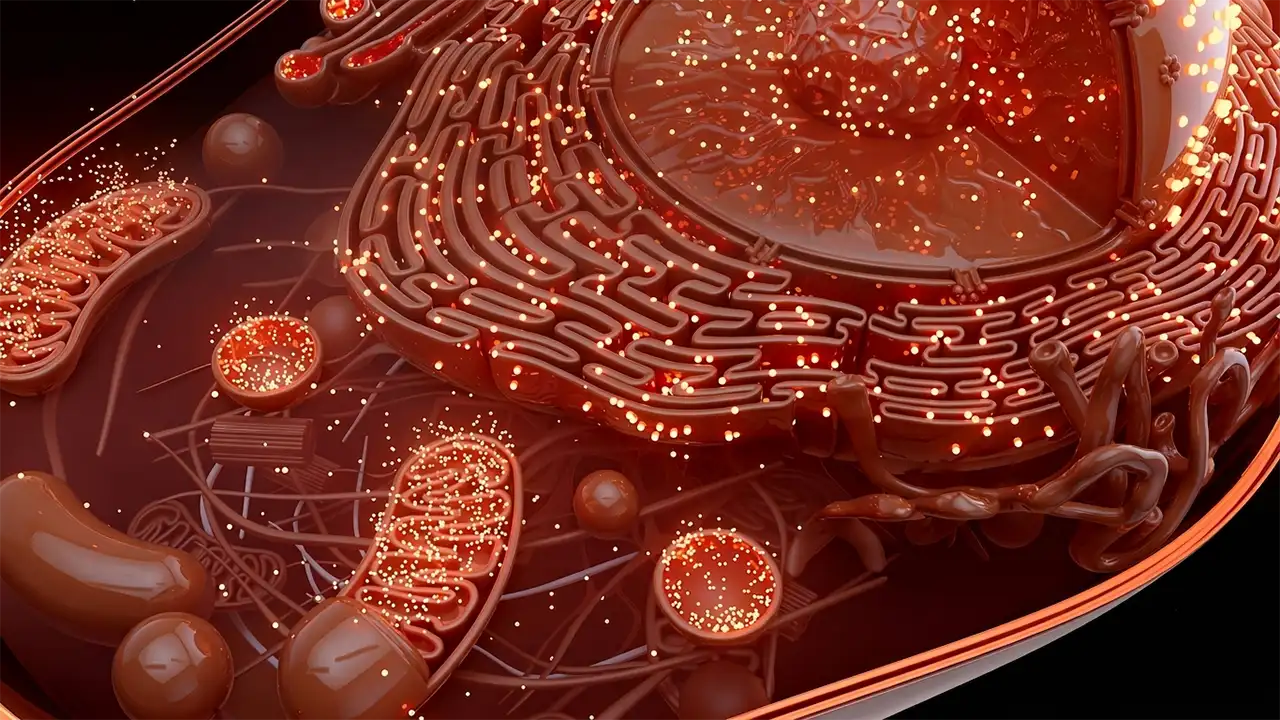
Mitochondrial donation, often called three-parent IVF, has now produced the first detailed clinical results, with healthy children born to mothers at high risk of passing on mitochondrial disease. This article explains how the technique works, who it is for, what the evidence shows and which scientific questions remain open

A new AI sperm recovery technique is changing the outlook for men with azoospermia. This article explains how the STAR method scans semen samples for rare hidden sperm, what its first reported pregnancy means, who may benefit, and the key questions couples should raise with their own fertility specialist.