Home
 ArticlesArticles
Mental health during fertility treatments is vital to cope with stress, anxiety, and emotional ups and downs. By focusing on self-care, resilience, and fostering hope, individuals can navigate challenges and maintain their mental health during fertility treatments while building a positive outlook for their fertility journey.




Fertility treatments can be a grueling emotional and physical process of hopes, struggles, and uncertainty. For many, most of the emphasis is on the medical side of the treatment (the IVF or IUI), but many people getting these procedures may need to work on their mental well-being too. Fertility treatments stir a host of emotions, including stress, anxiety and sadness, and, at times, failure, but it is possible to navigate your emotions in a healthy, constructive manner.
Recognising the emotional landscape of mental health during fertility treatments is critical to supporting those who are on that journey. Encouraging feelings of hope, recovery, and self-care through positive thinking is crucial for patients going through these very stressful mental treatments to remain grounded and, ultimately, increase their chances of not just medical success but emotional success as well.

Fertility treatments can take a heavy emotional toll. They range from the euphoria of treatment to the despair of being negative. It’s necessary to realize that these feelings are entirely normal and valid. For some, mental health during fertility treatments demands singular focus, invasive procedures, and dozens of medical appointments, which can add up to increased stress and emotional fatigue.
The emotional toll can be experienced in all phases of the treatment cycle. From the uncertainty of the first appointment to the rollercoaster of hormones, egg retrieval, embryo transfer, and waiting to check the results, the road can be tumultuous. For many at each stage, there’s a sense of anticipation, anxiety, and, in some cases, a fear of failure.
While stress is part and parcel of fertility treatments, there are several ways to try to manage and cope with these emotions in a healthy way:
Mindfulness and Relaxation Techniques
Being mindful allows a person to stay grounded here and now and not succumb to the worry or dread of the future. Meditation, deep breathing exercises, and yoga, these all are great tools for stress management. These practices help activate the body’s natural relaxation response, reduce cortisol levels and generally enhance emotional well-being.
Adding short practices of mindful breathing or guided meditation into daily routines can allow for moments of calm during those more intense days of treatment. Just 10 to 15 minutes a day of quiet reflection can help you feel emotionally more grounded and clearheaded.
Journaling: Writing Your Feelings
Using journaling as a method to express your emotions is an effective way to cope with stress. Journaling during fertility treatment can serve as a constructive way to process complex emotions. Writing daily offers a brief glimpse of progress, allowing for the celebration of small achievements and providing ample opportunity to reflect on the emotional journey.
Journaling can also assist people in gaining perspective on what they’re experiencing. Reflecting on past entries can serve as a reminder of the resilience that develops over time when dealing with challenging situations.
Support Networks and Counseling
Finally, having a supportive network or team is an important part of maintaining emotional health through fertility treatments. Whether via family, friends, support groups, etc., having a connection with others who are going through the experience can be comforting, reassuring, and filled with shared wisdom.
Counseling with a therapist who specializes in fertility can also be an incredibly helpful resource. Beyond this, professional counselors are trained to help patients deal with the emotional toll that treatment takes and provide coping mechanisms to help with disappointment, fear, and grief. Indeed, some fertility clinics include emotional support services like therapy or support groups as part of their treatment programs.
Being able to find a community of others going through something similar can also be invaluable. Sharing feelings in a judgment-free zone, be it in a support group or online forum or with trusted friends, can help relieve some of the emotional burden of fertility treatments, many people report.
Fear Of Failure: Fear is the most common emotion in fertility treatments. However, whether it’s the fear of failed cycles, failed embryo transfers, or the challenge of getting pregnant, this fear can create feelings of inadequacy or despair.
Shifting Focus to the Journey, Not Just the Outcome
Instead of focusing on the end result, treating it as a spectrum with multiple failure points to be encountered instead of a point position represents one way to mitigate the fear of failure. Like fertility treatments, they require patience, self-compassion and flexibility. By concentrating on the steps it takes to get tests done, being educated about fertility issues, and trying various treatment options, patients find themselves empowered by the process instead of daunted by uncertainty.
Finding milestones during a journey, such as successful egg retrievals or embryo development, and celebrating these moments can help keep the feelings of progress up. They may seem random, these moments, the good-bad balance may not make sense but are part of the bigger picture that is the best and changing journey of becoming a parent.
Setting Realistic Expectations
Setting realistic expectations along the fertility journey is just as important as maintaining hope. Keep in mind that not every loop will succeed, and you may encounter obstacles while working. Fertility treatments take several tries, and patience is essential. Embracing the idea that the journey is rarely a straight line helped people avoid the pitfalls of the "two steps forward, one back" phenomenon and the resulting disappointment, Daniel said.
Practicing Self-Compassion
It’s important during this process to put yourself in a place of kindness. Feelings of guilt, shame or frustration can accompany fertility treatments. That said, it’s worth noting that when you’re undergoing treatments, it’s a proactive step, and it’s okay to feel various feelings. This reflects the concept of self-compassion, which involves treating yourself with the same care, understanding, and kindness that you would offer to a close friend. This allows you to decrease your negative self-judgment and start the process of emotional healing.
It’s absolutely normal to feel discouraged at times, but hope is an important part of the fertility journey. Hope does not only mean wanting the outcome to be successful, it also means being comfortable with the process and celebrating all versions of what it can be. Hope promotes perseverance; it enables people to keep trying and remain oriented toward their long-term goal of becoming a parent, even in the face of obstacles.
Visualization techniques are one way to grow hope. Patients can practice hope by visualizing a future that includes placing a baby on their chest for the first time, completing an adoption process, or celebrating a pregnancy after IVF.
Do check them out, as they are very effective. Saying something like “I am strong and capable” or “Every step takes me one step closer to my goal” or “I am doing the best I can” can help lift the spirit and reassure during times of uncertainty.
Another practice with a strong impact is creating gratitude for the whole fertility journey. Maintaining a gratitude journal in which you write out instances of joy or things you are grateful for, even on challenging days can enhance a sense of peacefulness and positive perspective. Hope and positivity are often bolstered with the celebration of small victories, be it a successful cycle or a significant medical milestone.
Moreover, the emotional toll of mental health during fertility treatments is an unavoidable fact of life, which is why learning how to cope with stress, building resilience, and finding hope and meaning in the journey can help individuals and couples get through this difficult and, ultimately, transformative path. Doing so with patience, self-compassion and support from the people around you can alleviate some of the emotional weight of fertility treatment, but it can also plant the seeds of hope for the future.
Ultimately, it's not just about getting someone pregnant; it also involves taking care of the mental health of all parties involved during fertility treatments. By prioritizing mental health and well-being, practicing self-care, and maintaining a sense of hope, individuals can navigate this journey with a touch more grace while staying open to the potential of new beginnings and inspiring dreams.



The innovative solution of Intracytoplasmic Sperm Injection (ICSI), designed to tackle male infertility challenges such as low sperm count and poor motility. ICSI creates new opportunities for couples who are eager to start a family by directly injecting a single sperm into an egg. Discover how this groundbreaking technique is transforming the landscape of reproductive medicine and offering hope to those facing infertility.
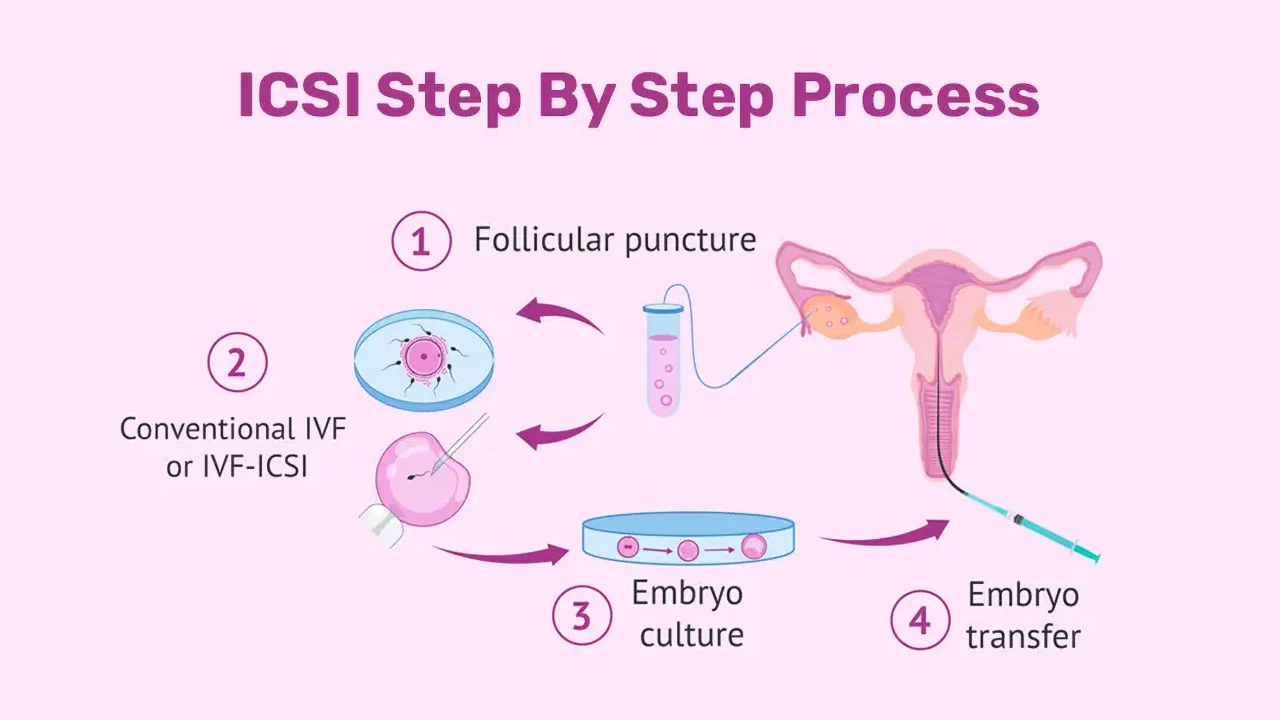
ICSI (Intracytoplasmic Sperm Injection) is an advanced fertility treatment where a single sperm is injected directly into an egg. This procedure helps couples overcome male infertility challenges like low sperm count or poor motility, offering hope for biological parenthood when conventional IVF methods aren't successful.
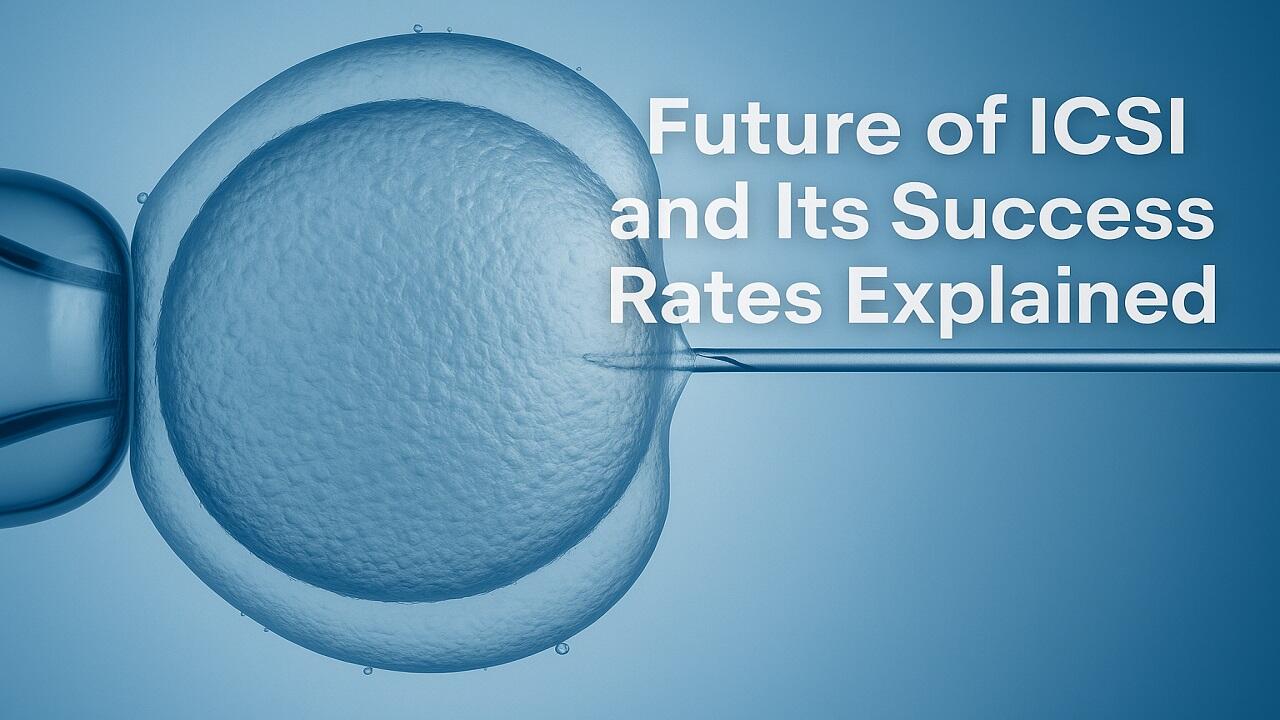
The article discusses "The Future of ICSI", emphasizing advancements like new sperm selection technologies, genetic screening, and stem cell research, all improving success rates and treatment effectiveness. These innovations are making Intracytoplasmic Sperm Injection (ICSI) a more promising solution for couples facing male infertility.

Intracytoplasmic Sperm Injection (ICSI) has transformed Male Infertility Treatment, enabling men with severe fertility issues to conceive biological children. By allowing even the weakest sperm to fertilize an egg, ICSI has significantly improved success rates in Male Infertility Treatment and provided new hope for couples facing infertility challenges.
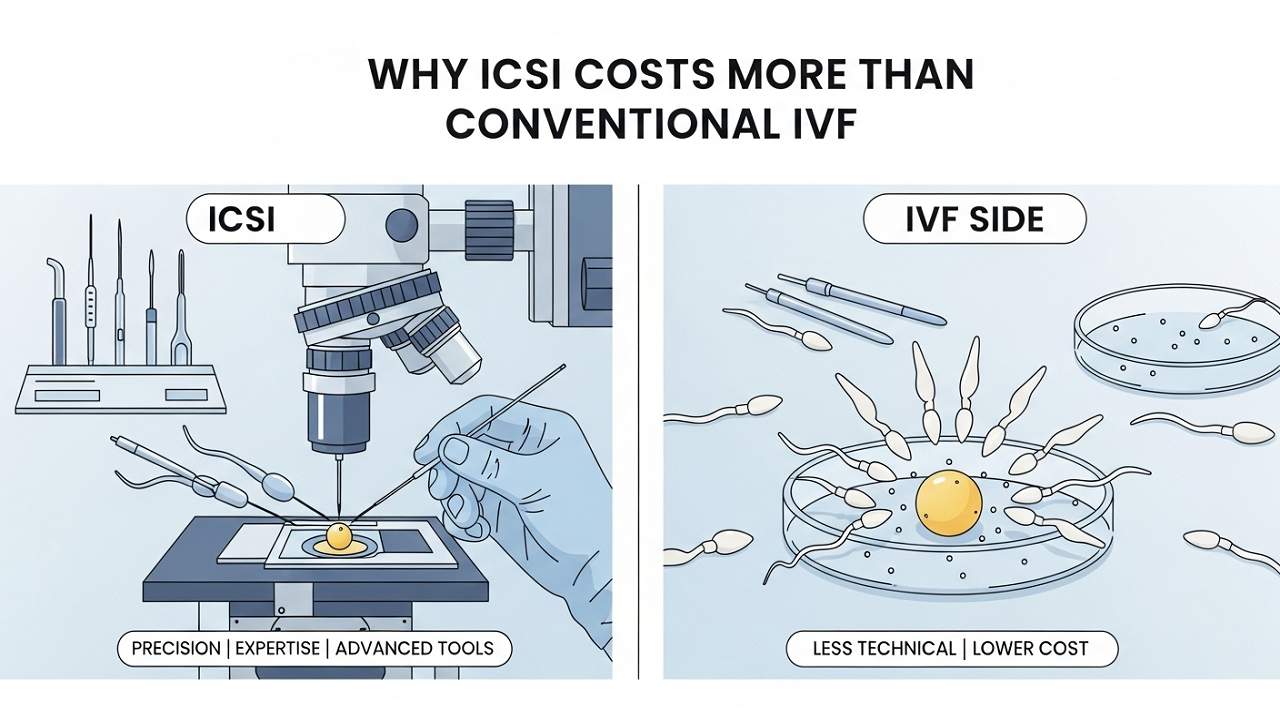
The Intracytoplasmic Sperm Injection (ICSI) procedure, where a single sperm cell is injected directly into an egg, a specialized form of In Vitro Fertilization (IVF), is typically more costly due to its complexity, requiring skilled embryologists and specialized equipment. It is particularly beneficial for couples facing male infertility issues, as it increases the chances of fertilization and successful pregnancies.

The history and inception of Intracytoplasmic Sperm Injection (ICSI) began with early advancements in micromanipulation, leading to its first successful use in the 1990s to treat male infertility. The history and inception of ICSI revolutionized assisted reproduction, offering hope to couples by enabling fertilization even in cases of severe sperm-related challenges.