Home
 ArticlesArticles
Pre- In vitro fertilization medical tests required before starting treatment. This covers hormonal, genetic, and infectious diseases as well as health screenings for both partners. Helps couples prepare for IVF by ensuring safe, effective, and personalized treatment plans.




Preparing for in vitro fertilization (IVF) begins with a series of medical tests and health check-ups designed to ensure both partners are ready for treatment. Leading IVF and ART fertility centers worldwide emphasize the importance of these evaluations, as they help identify potential risks, guide treatment decisions, and optimize the chances of success. This detailed guide outlines the essential pre-IVF medical assessments recommended before starting the journey.

Ovarian Reserve Testing is fundamental to IVF success planning. The most critical tests include Anti-Müllerian Hormone (AMH) testing, which assesses egg quantity and quality and predicts ovarian response to stimulation medications. Follicle-Stimulating Hormone (FSH) and Estradiol (E2) levels are typically measured on cycle days 2-4 to evaluate ovarian function. Luteinizing Hormone (LH) testing helps diagnose conditions like polycystic ovarian syndrome and assess ovulation patterns.
Thyroid Function Testing is essential, as thyroid disorders significantly impact fertility and pregnancy outcomes. Thyroid-Stimulating Hormone (TSH), T3, and T4 levels must be within normal ranges before starting treatment.
Additional Hormonal Tests include Prolactin levels to rule out pituitary disorders and progesterone testing on cycle day 21 to confirm ovulation.
Tubal Patency Assessment through Hysterosalpingogram (HSG) evaluates fallopian tube health and uterine cavity shape, even though IVF bypasses the tubes. Uterine Cavity Assessment via saline sonohysterography or hysteroscopy ensures the uterine environment is suitable for embryo implantation. Pelvic Ultrasound with Antral Follicle Count (AFC) provides crucial information about ovarian reserve and helps tailor medication protocols.
Blood Type and Rh Factor testing is mandatory to prepare for potential Rh incompatibility issues between partners. Blood Sugar Testing screens for diabetes, which must be managed before IVF to prevent complications.
All fertility centers require comprehensive screening for HIV, Hepatitis B and C, and Syphilis (RPR) to ensure safety during laboratory procedures and prevent transmission. Additional testing includes screening for Gonorrhea and Chlamydia. Rubella and Varicella Immunity testing is essential, as these live vaccines cannot be administered during pregnancy. Non-immune patients must receive vaccination and wait 28 days before conception.
Carrier Screening for genetic disorders is strongly recommended. The American College of Obstetricians and Gynaecologists recommends testing for Cystic Fibrosis, Spinal Muscular Atrophy, Fragile X Syndrome, and haemoglobinopathies for all patients. Expanded Carrier Screening may test for hundreds of genetic conditions depending on patient preference and family history.

Comprehensive Sperm Analysis evaluates sperm count, motility, morphology, and overall fertility potential. This determines whether standard IVF or Intracytoplasmic Sperm Injection (ICSI) is required. Sperm DNA Fragmentation Testing may be recommended to assess sperm DNA integrity, which impacts embryo quality.
Male partners undergo the same infectious disease screening as female partners, including HIV, Hepatitis B and C, Syphilis, Gonorrhea, and Chlamydia testing. Serology Tests ensure safe handling of sperm samples and prevent disease transmission during IVF procedures.
Male partners participate in the same genetic carrier screening as female partners, particularly important for conditions that affect male fertility, such as Cystic Fibrosis, which can cause congenital bilateral absence of the vas deferens.
For couples with a genetic disorder history, PGT for Monogenic Conditions (PGT-M) allows testing embryos for specific genetic diseases before transfer. PGT for Aneuploidy (PGT-A) screens for chromosomal abnormalities, though its routine use remains under investigation.
Antisperm Antibody Testing may be indicated for men with a history of testicular trauma, surgery, or sperm agglutination issues. Additional Autoimmune Testing might be recommended for patients with recurrent pregnancy loss.
Psychological Evaluation helps couples prepare for the emotional challenges of IVF treatment. Endocrine System Evaluation may include additional hormone testing based on individual medical history.
Most testing should be completed 2-3 months before starting IVF to allow time for any necessary treatments or interventions. Lifestyle modifications, including smoking cessation, weight optimization, and nutritional supplementation, should begin during this period. Medication Review ensures all current medications are compatible with fertility treatment.
While core testing remains consistent, individual fertility centres may have additional requirements. Stanford Medicine emphasises comprehensive genetic counselling and advanced laboratory diagnostics. Johns Hopkins focuses on thorough consultation and diagnostic testing packages. International centres may have varying protocols based on local regulations and population-specific risk factors.
The comprehensive pre-IVF testing process typically takes 4-8 weeks to complete, depending on scheduling and any additional testing requirements. This thorough evaluation ensures optimal treatment planning and maximizes the chances of IVF success while minimizing risks to both patients and potential offspring.
1. How long does testing take before IVF?
Pre-IVF medical tests usually take 4–8 weeks to finish. The timeline depends on your menstrual cycle, lab appointments, and whether follow-ups are needed. Some hormone tests must be done on specific cycle days, which can add to the wait.
2. Are all these tests really necessary?
Yes, every test has an important purpose. They check for infections, hormone balance, and genetic conditions that could affect treatment. Skipping tests might speed things up in the short term, but it risks failed cycles or health complications later.
3. Do both partners need the same tests?
Not exactly. Women undergo more detailed testing since they take the medications and carry the pregnancy. Men mainly need semen analysis plus the same infectious disease and genetic screenings. Both partners are equally important in the process.
4. What if my results are abnormal?
Abnormal results don’t mean you can’t do IVF. Most issues, like thyroid problems, infections, or hormonal imbalances, can be treated first. Your doctor may adjust the treatment plan to give you the best chance of success.
Note: Specific pre-IVF medical tests requirement may vary based on individual medical history, age, and fertility center protocols. Always consult a reproductive endocrinologist for personalized recommendations.



Advanced female age causes fertility decline through reduced egg quantity, increased chromosomal abnormalities, and mitochondrial dysfunction. Understanding these biological mechanisms helps women make informed family planning decisions. Modern fertility treatments including IVF, preimplantation genetic testing, and egg freezing offer practical solutions to overcome age-related reproductive challenges when trying to conceive.
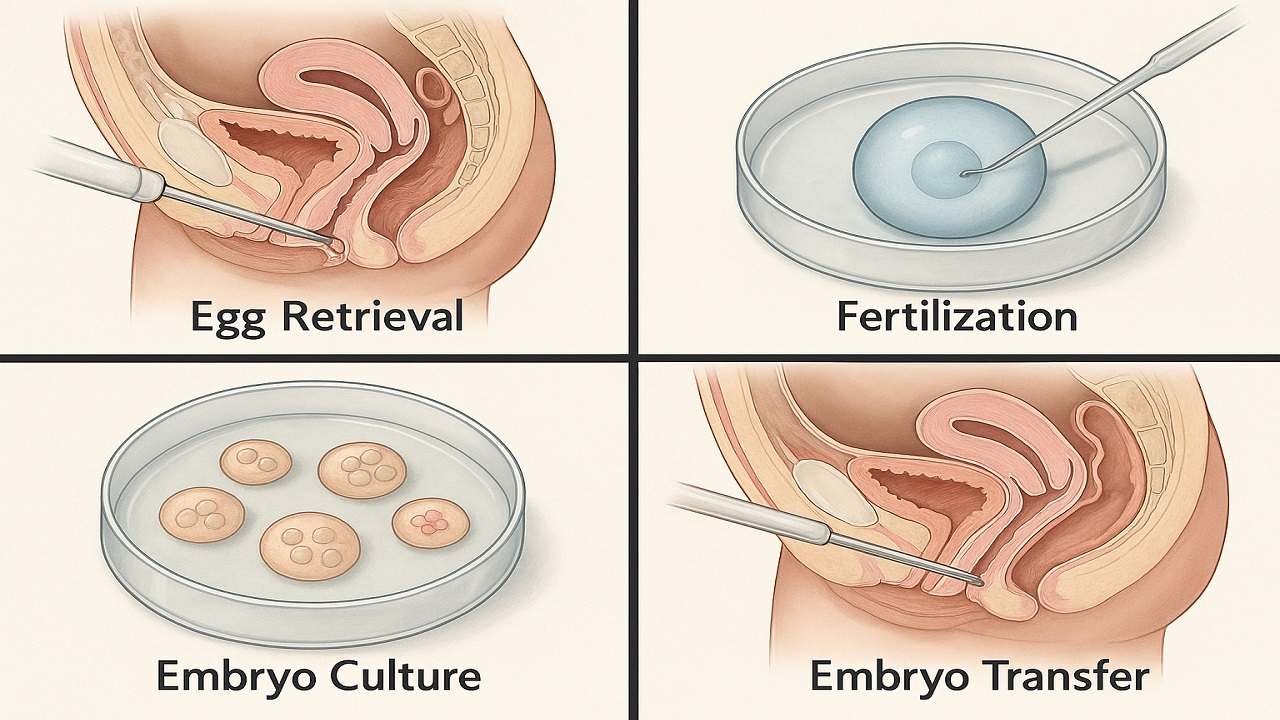
In Vitro Fertilization (IVF) process step by step, emphasising the importance of various stages such as ovarian stimulation, egg retrieval, fertilization, and embryo transfer in maximising the In Vitro Fertilization (IVF) Success Rate. It highlights how a thorough understanding of the procedure can prepare couples and individuals for their In Vitro Fertilization(IVF) journey, ultimately improving their chances of achieving a successful pregnancy.

Vitamin D Deficiency Affect IVF outcomes by influencing endometrial receptivity, embryo quality, and hormone balance. Clinical evidence, age-specific risks, and PCOS implications, while offering actionable strategies to optimize Vitamin D levels and improve IVF success rates and pregnancy outcomes in a structured, patient-focused approach.
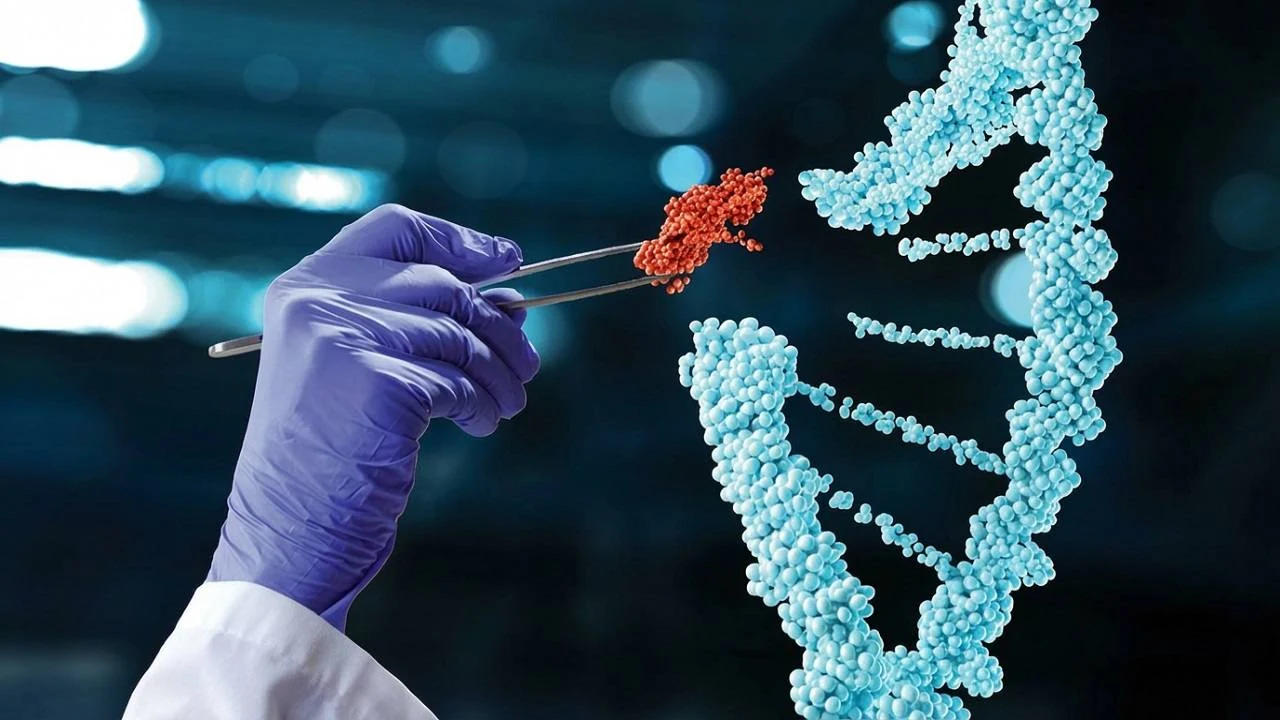
Preimplantation Genetic Testing (PGT) revolutionizes IVF by screening embryos for chromosomal abnormalities and genetic disorders before transfer. This advanced technology increases pregnancy success rates, reduces miscarriage risk, prevents inherited diseases, and shortens time to pregnancy while providing diagnostic clarity and reducing emotional stress for couples.

Clinical evidence increasingly demonstrates that emotional stress or grief reduces the chances of IVF success through sophisticated biochemical pathways that directly influence reproductive physiology. This relationship extends far beyond simple correlations, revealing profound mechanistic connections between psychological distress and the delicate orchestration of hormonal events essential for successful conception.
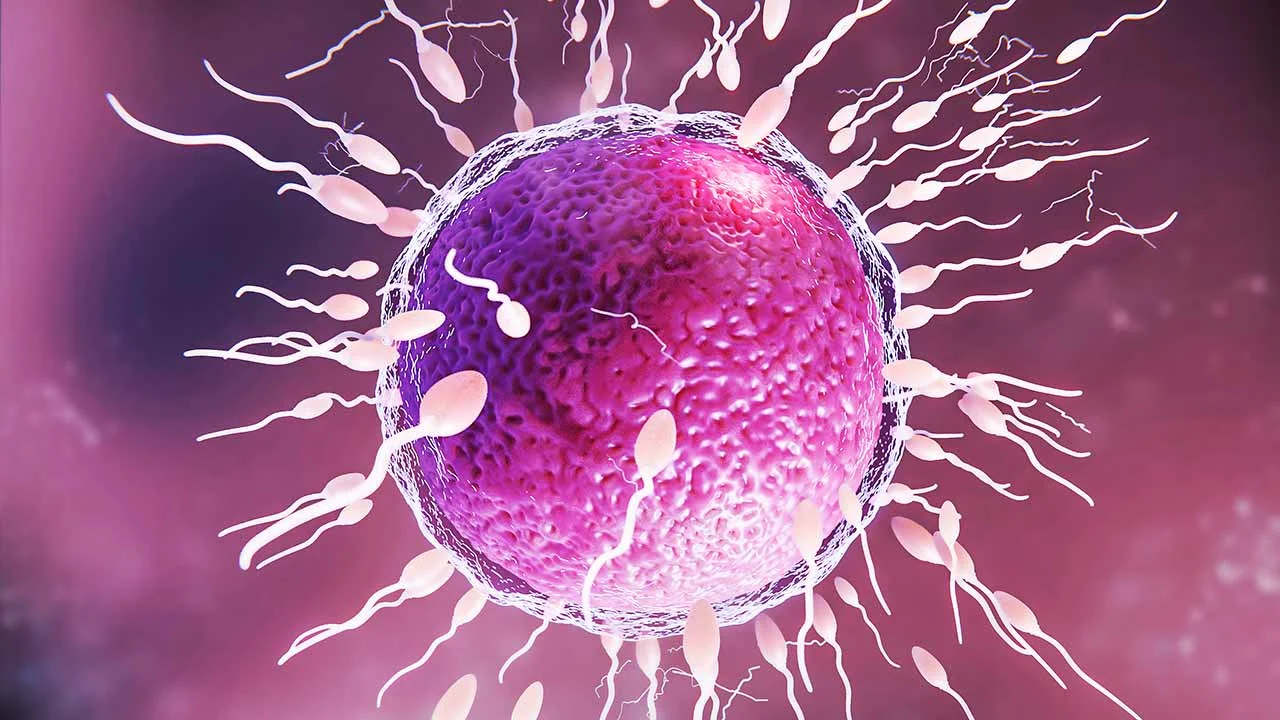
IVF in 2025 is shifting from hype to evidence-based innovation. As precision, automation, AI, and genetic advances reshape fertility care, patients must distinguish proven breakthroughs from outdated add-ons. This guide examines five groundbreaking IVF technologies in 2025 to understand which advances genuinely improve outcomes

Managing Recurrent Implantation Failure (RIF) outlines evidence-based diagnostics and treatment pathways to improve IVF success rates, emphasizing clarity, cautious use of add-ons, and realistic patient expectations.