Home
 ArticlesArticles
Effective IVF outcomes begin long before the clinic. Strategic lifestyle changes, hormonal optimisation, weight management, and proactive planning enhance ovarian response, embryo quality, and implantation success, empowering women to navigate IVF with confidence and improved pregnancy potential.




Embarking on in vitro fertilization (IVF) is a journey that extends far beyond the confines of a clinic. Advanced reproductive technologies alone do not determine the success of IVF; choices and preparations made well in advance also play a significant role. Among these, strategic lifestyle shift and preparations for IVF treatment play a pivotal role in optimising hormonal balance, ovarian responses, and embryo quality factors that collectively determine implantation success and pregnancy outcomes. Emerging research highlights that proactive planning, both physiological and psychological, can markedly enhance IVF success rates, especially in women facing challenges such as obesity or metabolic disorders. Understanding and implementing these preparatory steps offers a forward-thinking yet clinically grounded approach to assisted reproduction.
Obesity has long been recognised as a critical factor influencing reproductive health, and its impact on IVF outcomes is profound. Excess adiposity disrupts the delicate balance of sex hormones, including estrogen, progesterone, and follicle-stimulating hormone (FSH). These hormonal alterations can impair ovarian follicle development, reduce oocyte quality, and compromise embryo viability. Women with higher body mass indices (BMI) often exhibit a blunted ovarian response to stimulation protocols, necessitating higher doses of gonadotropins and extended stimulation periods, which can increase both financial and emotional burdens.
Moreover, obesity is associated with reduced endometrial receptivity, contributing to lower implantation rates and higher early miscarriage risks. Studies published in Human Reproduction and Fertility and Sterility indicate that even modest weight reduction prior to IVF through targeted lifestyle interventions can significantly improve ovarian response and embryo quality, highlighting the critical interplay between metabolic health and reproductive potential.
Preparation for IVF should be holistic, encompassing dietary, physical, and psychological adjustments. Women are increasingly advised to integrate these lifestyle shift and preparations for IVF treatment months before.

Dietary modification remains one of the most controllable factors influencing IVF success. A nutrient-dense, anti-inflammatory diet supports hormonal balance and improves metabolic health. Key recommendations include:
Weight management is particularly essential; studies indicate that even a 5–10% reduction in BMI can enhance ovarian response and improve pregnancy outcomes.
Regular physical activity improves cardiovascular health, insulin sensitivity, and psychological resilience. Moderate aerobic exercise, strength training, and mind-body practices such as yoga are particularly beneficial. It is important to balance intensity with recovery, as excessive high-impact exercise can disrupt menstrual regularity and ovulatory cycles.
Sleep quality profoundly affects reproductive hormones, including cortisol and melatonin, which in turn influence oocyte maturation and implantation. Incorporating strategies to improve sleep hygiene, such as consistent sleep schedules, reduced screen exposure, and relaxation techniques, can enhance IVF readiness. Stress management through mindfulness, counselling, or supportive communities also improves psychological resilience, an often-underestimated factor in IVF success.
Comprehensive pre-treatment evaluations, including hormonal profiling, metabolic screening, and uterine assessment, are crucial. These assessments help identify modifiable factors, such as insulin resistance or thyroid dysfunction, that can be corrected prior to stimulation protocols, thereby improving ovarian response and embryo viability.
In addition to lifestyle modifications, emerging clinical strategies are being increasingly integrated into IVF preparation. Personalised medicine approaches, including tailored stimulation protocols based on genetic and metabolic profiling, can optimise oocyte yield and embryo quality. Some clinics also offer interventions targeting metabolic health, such as insulin-sensitising medications or nutraceuticals, particularly for women with obesity-related reproductive challenges.
Research on the gut microbiome’s role in reproductive health is opening new avenues for interventions that may enhance endometrial receptivity and embryo implantation. These innovations, while still under investigation, underscore the evolving interplay between lifestyle, metabolism, and IVF outcomes.
Psychological readiness is as crucial as physiological preparation. IVF can be emotionally taxing, and women who engage in proactive coping strategies often report better adherence to treatment protocols and improved outcomes. Counselling, peer support, and stress-reduction techniques not only enhance mental well-being but may also positively influence hormonal balance and reproductive physiology.
Effective IVF preparation integrates lifestyle adjustments with clinical oversight. This approach can be visualised as a continuum:
By conceptualising IVF as a journey rather than an isolated procedure, women can achieve improved outcomes while maintaining physical and emotional resilience.
Lifestyle shift and preparations for IVF treatment are not optional adjuncts they are foundational pillars that significantly influence success rates. From mitigating the effects of obesity on hormonal balance and ovarian responses to enhancing embryo quality and implantation potential, strategic pre-treatment planning is a forward-thinking, evidence-based approach to assisted reproduction. Women who embrace holistic preparation encompassing nutrition, exercise, sleep, stress management, and clinical optimisation position themselves for higher chances of success, reduced complications, and a more empowered IVF experience. As research continues to illuminate the connections between lifestyle, metabolism, and reproductive outcomes, proactive planning emerges as both an art and science central to IVF success.


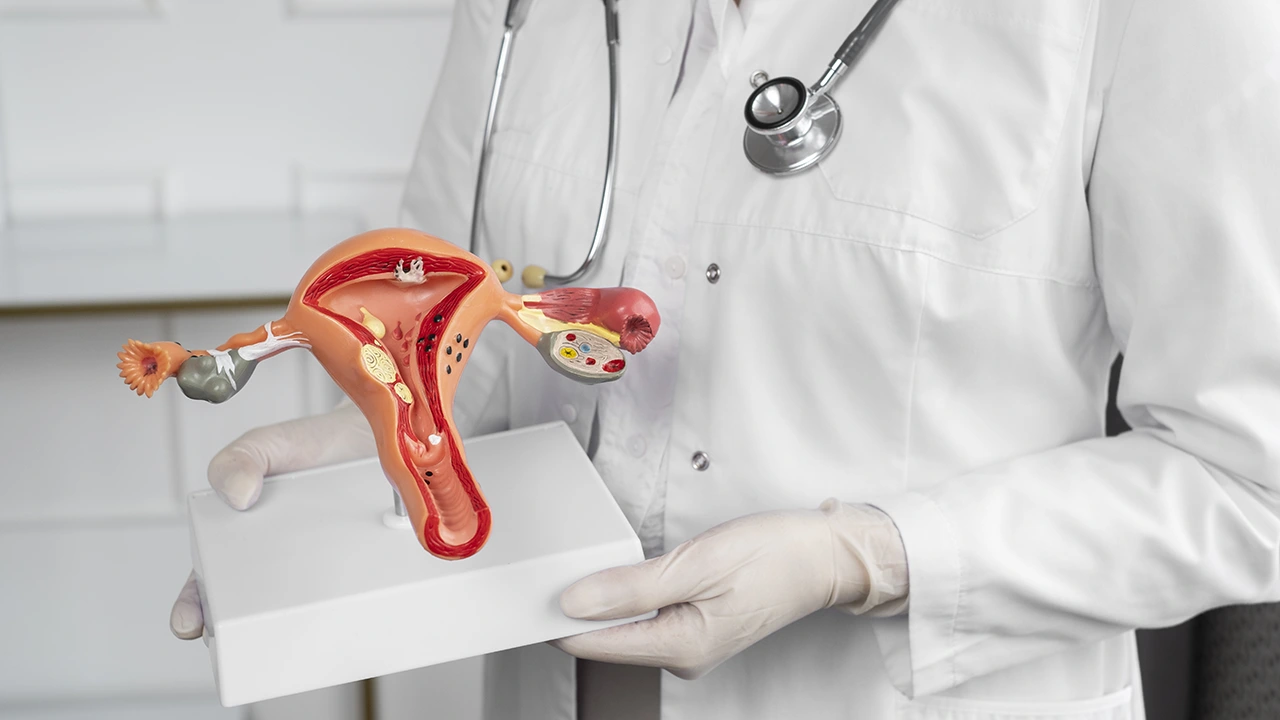
Womb transplantation is giving women with absolute uterine factor infertility the chance to carry and deliver their own child. This article explains how the process works from donor to delivery, who may be suitable, the risks involved and what recent births from living and deceased donors mean for patients.

Advanced female age causes fertility decline through reduced egg quantity, increased chromosomal abnormalities, and mitochondrial dysfunction. Understanding these biological mechanisms helps women make informed family planning decisions. Modern fertility treatments including IVF, preimplantation genetic testing, and egg freezing offer practical solutions to overcome age-related reproductive challenges when trying to conceive.
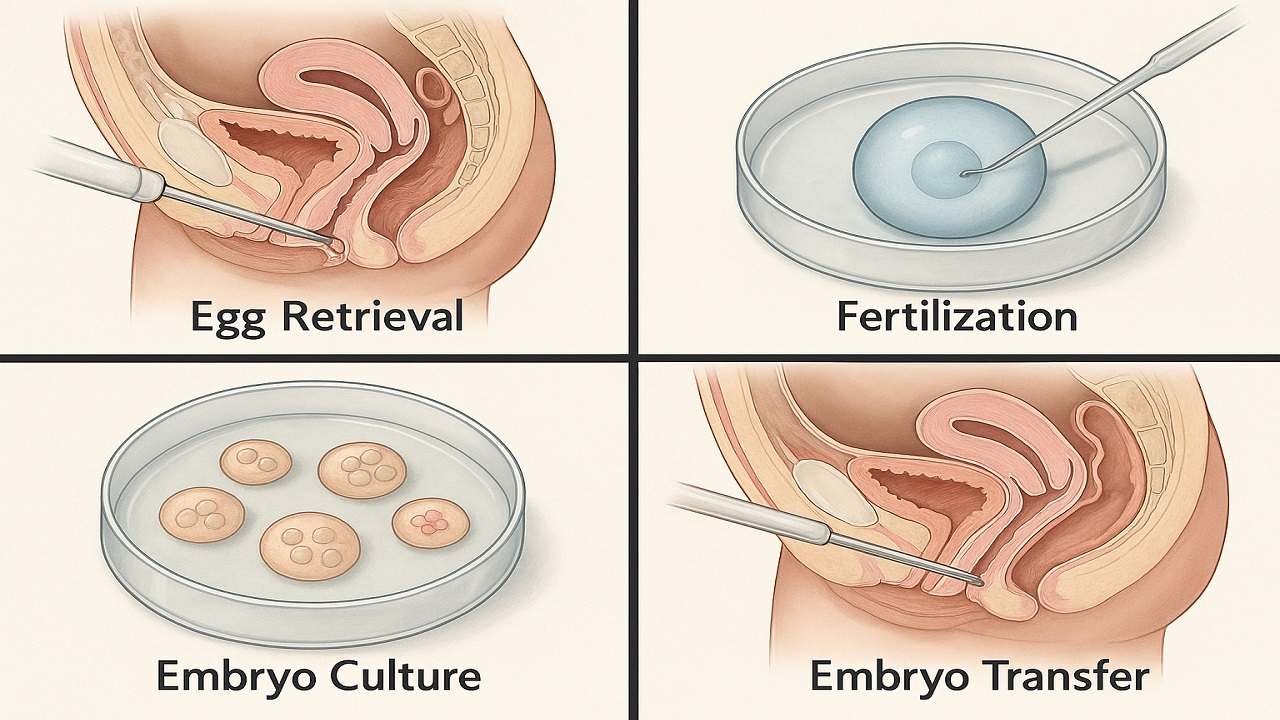
In Vitro Fertilization (IVF) process step by step, emphasising the importance of various stages such as ovarian stimulation, egg retrieval, fertilization, and embryo transfer in maximising the In Vitro Fertilization (IVF) Success Rate. It highlights how a thorough understanding of the procedure can prepare couples and individuals for their In Vitro Fertilization(IVF) journey, ultimately improving their chances of achieving a successful pregnancy.

Vitamin D Deficiency Affect IVF outcomes by influencing endometrial receptivity, embryo quality, and hormone balance. Clinical evidence, age-specific risks, and PCOS implications, while offering actionable strategies to optimize Vitamin D levels and improve IVF success rates and pregnancy outcomes in a structured, patient-focused approach.
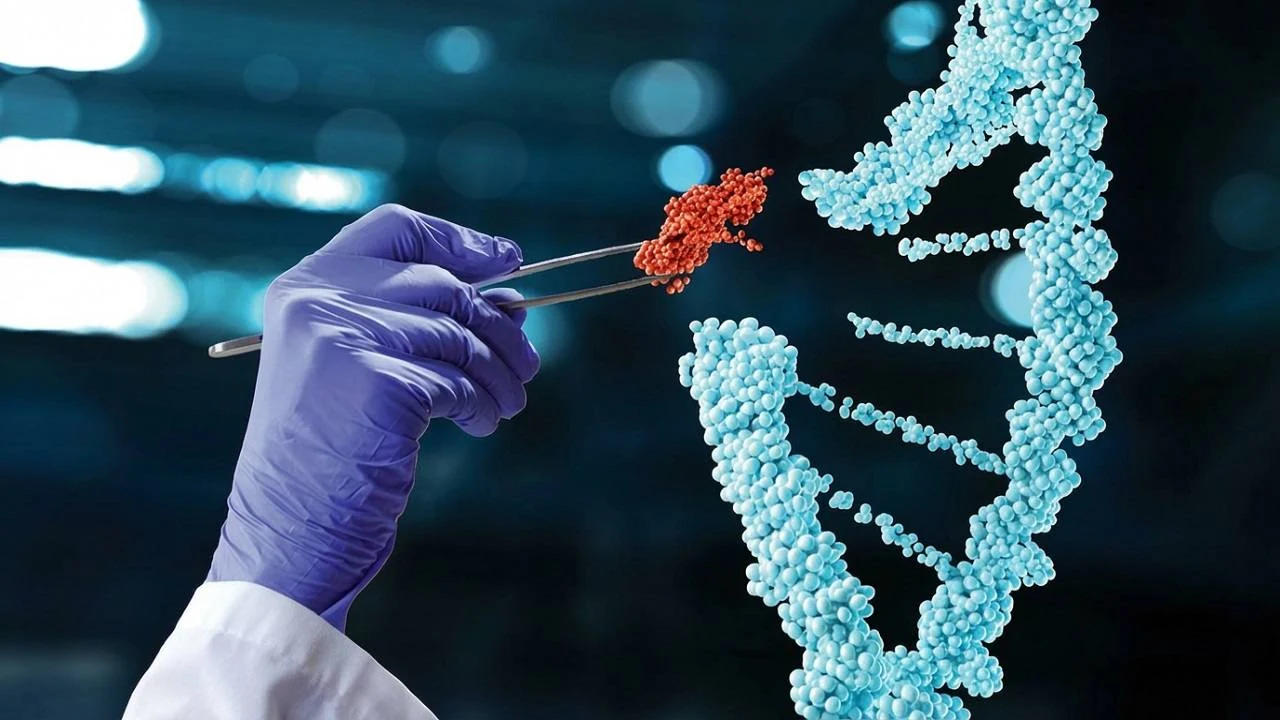
Preimplantation Genetic Testing (PGT) revolutionizes IVF by screening embryos for chromosomal abnormalities and genetic disorders before transfer. This advanced technology increases pregnancy success rates, reduces miscarriage risk, prevents inherited diseases, and shortens time to pregnancy while providing diagnostic clarity and reducing emotional stress for couples.

Clinical evidence increasingly demonstrates that emotional stress or grief reduces the chances of IVF success through sophisticated biochemical pathways that directly influence reproductive physiology. This relationship extends far beyond simple correlations, revealing profound mechanistic connections between psychological distress and the delicate orchestration of hormonal events essential for successful conception.
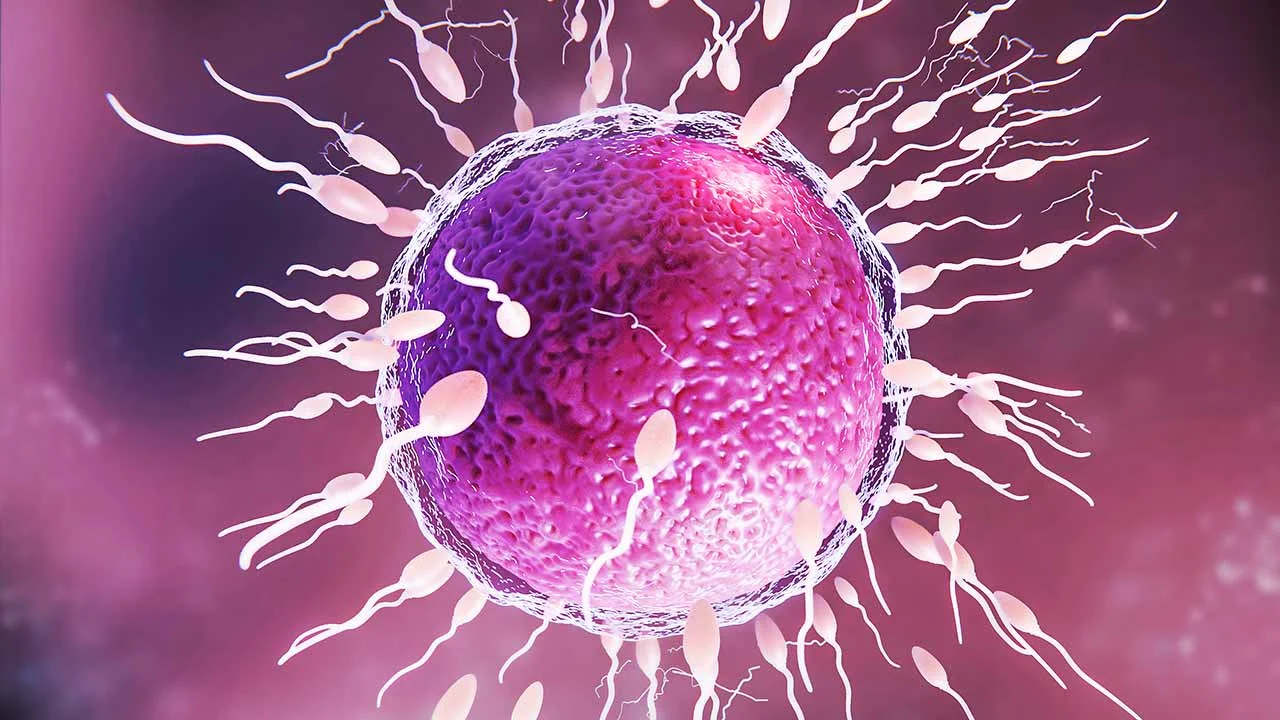
IVF in 2025 is shifting from hype to evidence-based innovation. As precision, automation, AI, and genetic advances reshape fertility care, patients must distinguish proven breakthroughs from outdated add-ons. This guide examines five groundbreaking IVF technologies in 2025 to understand which advances genuinely improve outcomes