Home
 ArticlesArticles
The complexities surrounding the use of donor gametes, including legal considerations, anonymity, and ethical dilemmas. It highlights how the use of donor gametes raises important questions about parenthood, child rights, and family dynamics in assisted reproduction.




The use of Donor Gametes in assisted reproductive technologies, like IVF, often utilises donor sperm or eggs, giving individuals or couples struggling with fertility a life-altering opportunity. But it also raises important legal and ethical issues that deserve careful consideration. Difficult questions arise regarding parentage, donor anonymity, child rights, and family relationships, among others. As technology and reproductive practices advance, it’s important to examine these intricate legal and ethical issues.
The use of donor gametes is associated with one of the main body legal issues, which is parenthood assignment. Laws differ between countries and jurisdictions, but the general principle is that the parents raising the child are the legal parents, even if the genetic material is from a donor.
Traditionally, sperm and egg donations were made anonymously, and the donors' identities were kept confidential. But recently, many countries have mandated that sperm and egg donors share identifying information. Such a move has raised questions about whether anonymity should be preserved.
The use of donor gametes involves legal contracts between intended parents and donors; it is an important legal requirement for using donor gametes. This agreement makes sure that it is clear what parental rights, anonymity, compensation (if any), and the donor’s duties are.
For couples who want to pursue fertility treatment abroad, the legal situation can be more complicated. Some countries have highly restrictive laws surrounding the use of donor gametes, while others may have more permissive regulations on how donor gametes can be used. Recipients must know the legal ramifications of using donor gametes in both their home country and the country where the treatment occurs.

One of the greatest ethical dilemmas of donor gametes is whether children conceived from donor gametes should be privy to their biological origins. Advocates for donor-conceived people say that access to genetic information is important for the child’s health and sense of self and well-being.
Data also raises concerns and implications regarding gamete donation, as it allows individuals to essentially choose certain traits or features of a child, commonly referred to as designer babies. Eventually, genetic screening may enable prospective parents to select their child's characteristics (e.g., height, intelligence, and eye color). This, critics fear, may pave the way for a society in which some children are valued over others because of particular characteristics, an approach that risks entrenching social inequality.
Although genetic selection for medical purposes is widely accepted as ethical, choosing genetic traits for non-medical reasons has prompted ethical concerns about social pressure, eugenics and the commoditization of human reproduction.
Another ethical issue is the business model associated with gamete donation. Some critics say compensating donors for their eggs or sperm turns human life into a commodity. Profiting from the donation of eggs or sperm could encourage exploitation, especially for women who might feel financially incentivized to donate their eggs.
However, its introduction into an individual or family raises complex questions for parenthood and kinship in general. It's a question of genetics and ethics, as a donor-conceived child may later learn that they have a different genetic heritage than one or both of their parents.
The use of donor gametes in assisted reproduction is an intricate process that raises legal and ethical concerns. The legalities of donors and parents and anonymity and donor contracts clarify relationships between donors, parents, and children. Social and ethical issues, including the ethics of donor anonymity, genetic selection, and the commodification of the human reproductive process, raise fundamental issues of justice, equity, and human dignity.
As reproductive technologies improve, society, lawmakers, and medical professionals must continue dialogue to grapple with these complex issues. In short, we want the children of donors to grow up in a loving, supportive, and generally ethical environment.


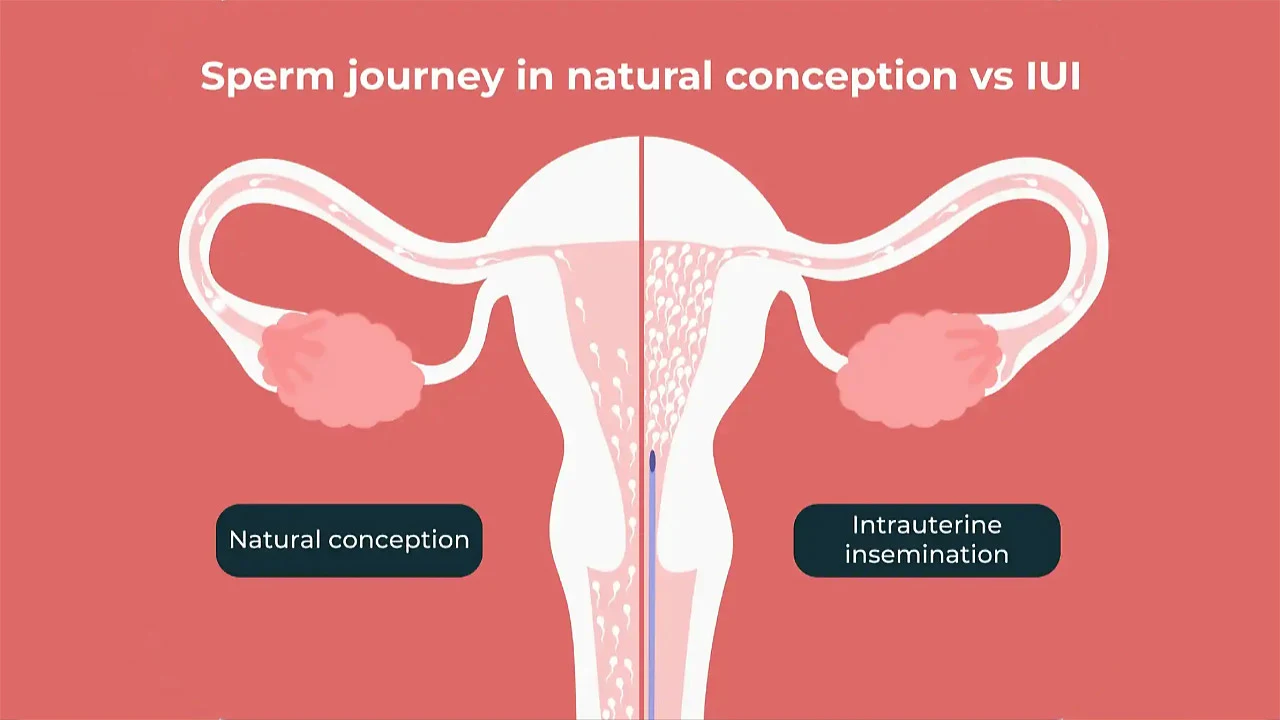
Natural cycle IUI, a fertility treatment that works with your body's natural ovulation without medications. This comprehensive guide explains the procedure, ideal candidates, step-by-step process, success rates, and benefits. Learn if this gentle approach to conception is right for your fertility journey and family-building goals.
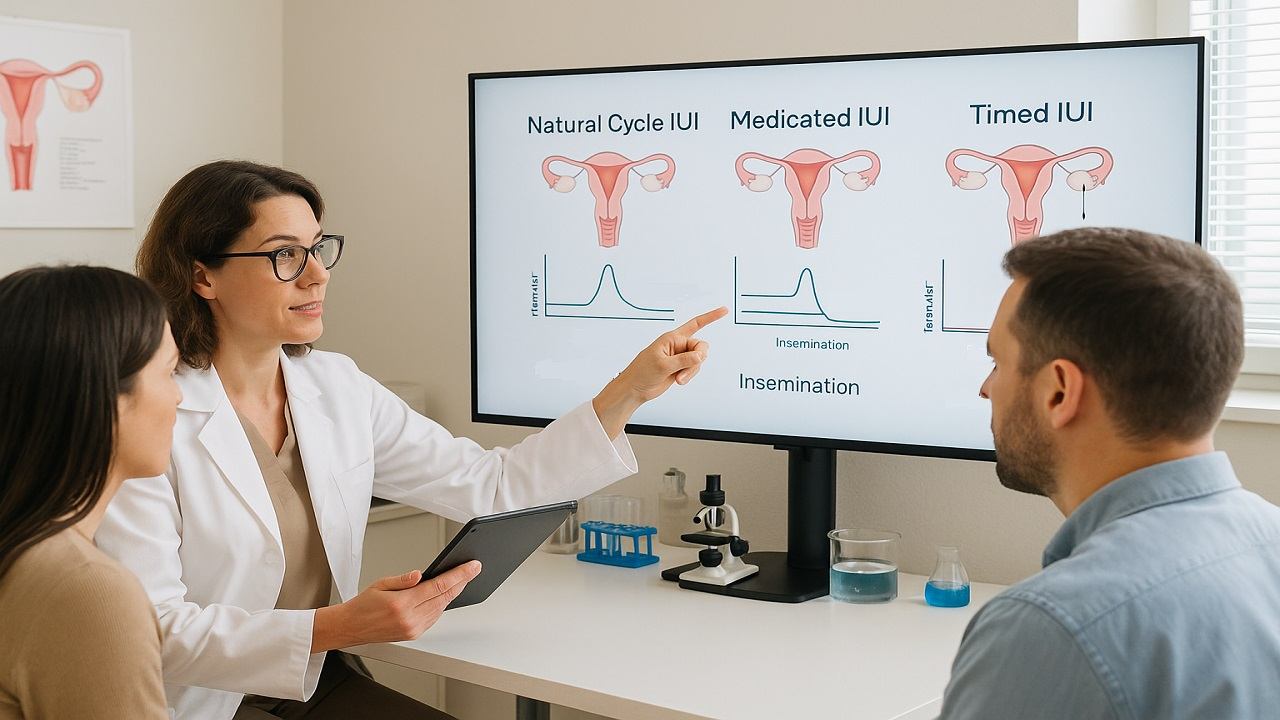
The various types of Intrauterine Insemination (IUI), including Natural, Medicated, and Timed IUI, detailing how each method works and their respective benefits. Understanding these types of IUI helps individuals and couples choose the right fertility treatment based on their specific needs and circumstances.

IUI with sperm washing is a fertility treatment where semen is carefully processed to isolate healthy, motile sperm before being placed directly into the uterus. This method improves fertilization chances by bypassing natural barriers and reducing harmful elements in semen. It is especially beneficial for couples facing mild male infertility, cervical issues, or unexplained infertility.
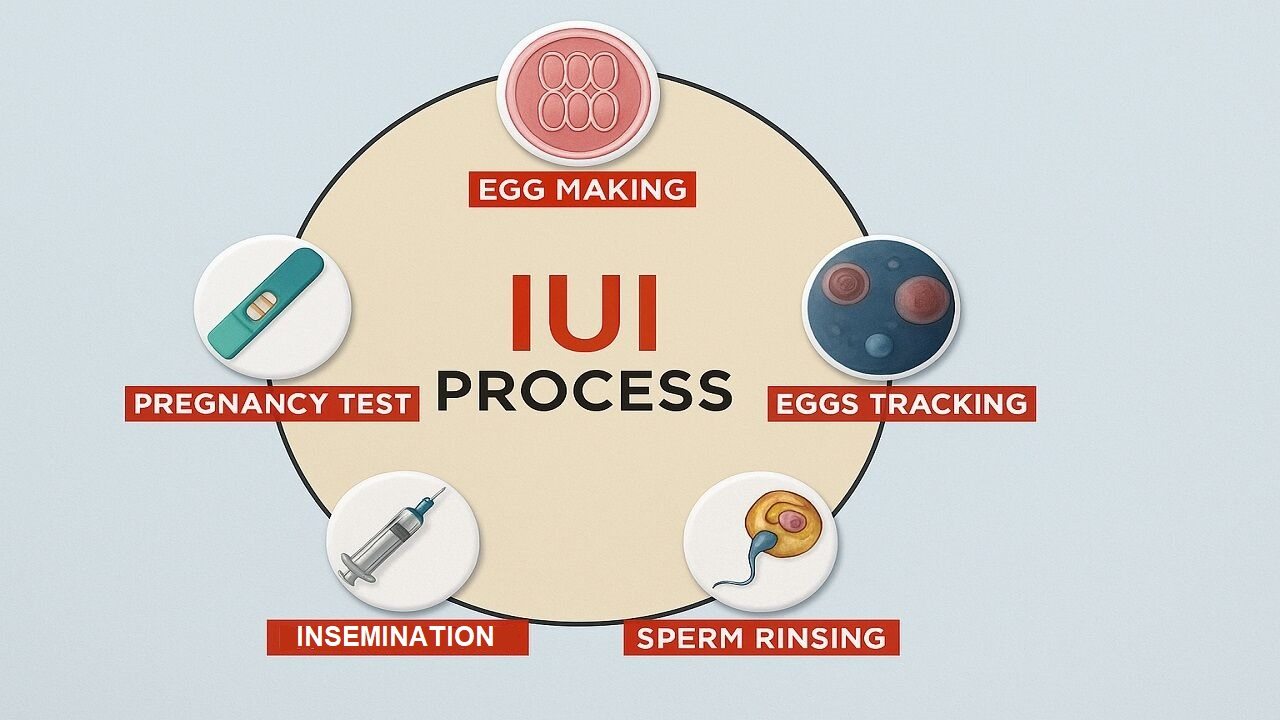
The process of Sperm Processing in Intrauterine Insemination (IUI) outlines the necessary steps, including collection, washing, and selection, to improve the quality of the sperm. Proper Sperm Processing in Intrauterine Insemination (IUI) increases the chances of successful fertilization and pregnancy, making it a vital part of the intrauterine insemination procedure.
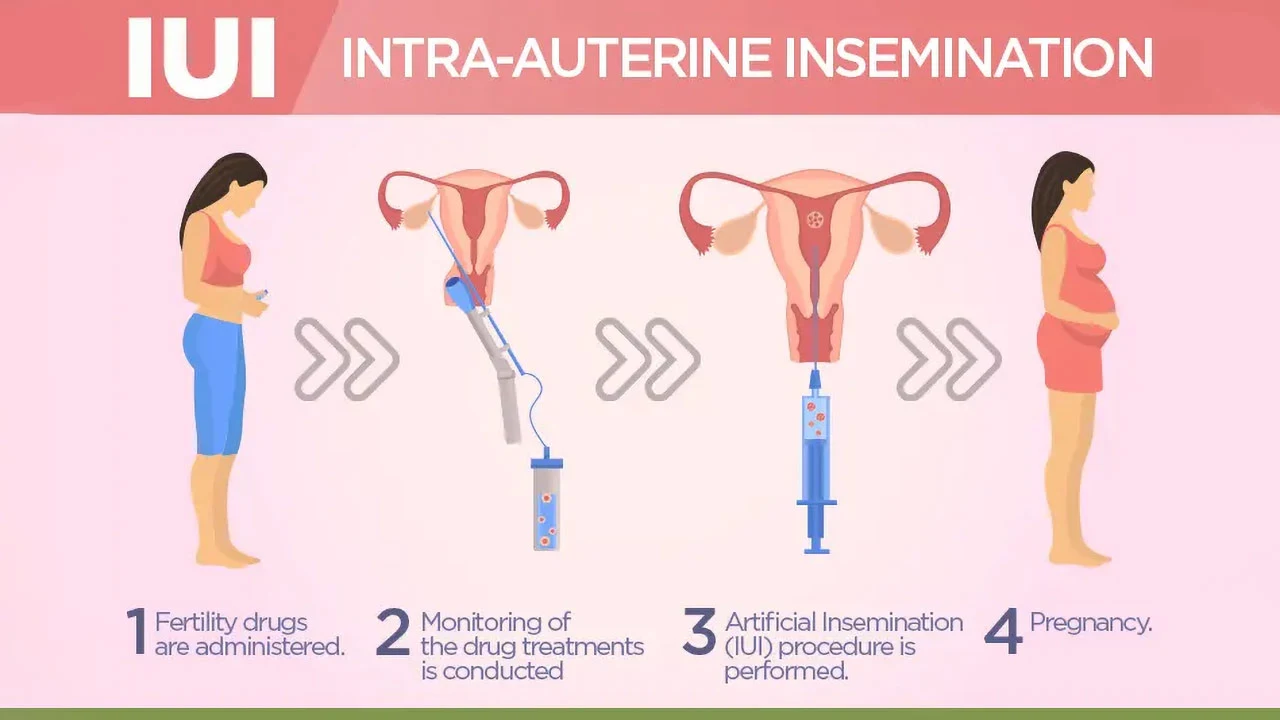
Intrauterine insemination (IUI) is a minimally invasive fertility treatment that involves placing prepared sperm directly into the uterus during ovulation. How the IUI procedure works, who may benefit, expected success rates, and what to anticipate throughout the treatment journey.

The contributions of pioneers in reproductive medicine revolutionized IUI. From artificial insemination to ovulation induction, these pioneers in reproductive medicine played a crucial role in advancing fertility treatments. Their innovations made IUI a widely used and effective solution for infertility.