Home
 ArticlesArticles
Labman and TMRW partner for CryoRobot to revolutionize IVF labs with secure, automated cryogenic storage and RFID-enabled sample tracking. The partnership brings safety and efficiency gains, setting a new standard for fertility clinics worldwide.



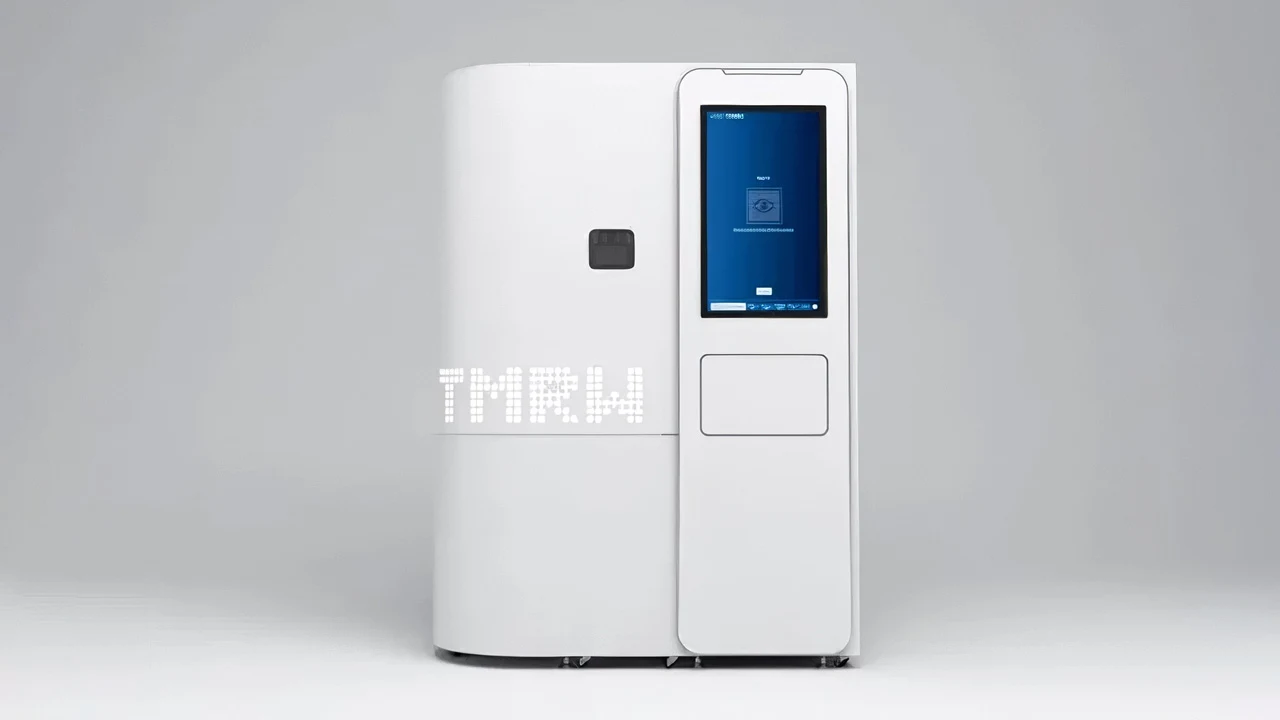
TMRW Life Sciences and Labman have developed a next-generation IVF specimen storage and retrieval system that integrates biometric scanning, a custom cryogenic tank, and end-to-end digital tracking to improve safety, efficiency, and scalability in embryology labs. The CE‑marked CryoRobot Select aligns with FDA requirements, multiple ISO standards, and GDPR, and is now embedded in TMRW’s product pipeline for global deployment.
Conventional IVF workflows are vulnerable to mishandling, inefficient tracking, and suboptimal storage conditions that compound risk as frozen inventories grow, prompting an automation-first redesign of cryostorage management. The CryoRobot Select was engineered to directly address these gaps by reducing manual touchpoints, standardizing conditions, and creating a verifiable digital chain of custody at the sample level.
The platform pairs purpose-built hardware, a tailored cryogenic storage tank, and a robotic picker with software-enabled specimen identification using RFID tags unique to each patient sample. Embryologists gain global, real-time visibility and auditability over eggs and embryos, supported by biometric access control and continuous system checks to maintain optimal temperature and handling conditions.
In testing and verification, the technology demonstrated safer, more controlled handling environments for eggs and embryos stored within the TMRW ecosystem, providing added assurance to clinics and patients. Reported operational benefits include substantial reductions in storage and retrieval cycle times, consistent with automation-driven efficiencies that minimize potential points of failure compared with manual systems.
The CryoRobot Select received the EU CE Mark following FDA clearance, meeting rigorous safety and performance standards under European Medical Device Regulations and aligning with multiple ISO frameworks. The system’s data practices are designed to comply with GDPR and to support EMR integration and audit-ready traceability across the IVF laboratory workflow.
TMRW’s device engineering leadership highlights that replacing the earlier-generation automation with CryoRobot Select enables expansion into more clinics and markets thanks to a smaller footprint, shorter cycle times, and reduced user handling. The collaboration emphasized a risk-based development process to protect both the patient and specimen at every step of storage and retrieval.
This collaboration shows how specialized automation engineering and fertility technology can be combined to harden critical lab processes while simplifying daily operations for embryologists. As demand for cryopreservation scales, clinics adopting automated storage with digital specimen management are positioned to reduce errors, improve throughput, and strengthen patient confidence in chain-of-custody and safety controls.
Labman and TMRW partner for CryoRobot to establish a new benchmark for IVF cryostorage: high-volume capacity, precise tracking, and robust compliance in a compact, deployable form factor for global labs. By elevating consistency and accountability in the most sensitive stages of IVF, Labman and TMRW partner for CryoRobot to align clinical operations with the scale and expectations of modern fertility care. Ultimately, Labman and TMRW partner for CryoRobot to make specimen management safer and more efficient while reinforcing trust through demonstrable, digital traceability.



Advanced female age causes fertility decline through reduced egg quantity, increased chromosomal abnormalities, and mitochondrial dysfunction. Understanding these biological mechanisms helps women make informed family planning decisions. Modern fertility treatments including IVF, preimplantation genetic testing, and egg freezing offer practical solutions to overcome age-related reproductive challenges when trying to conceive.
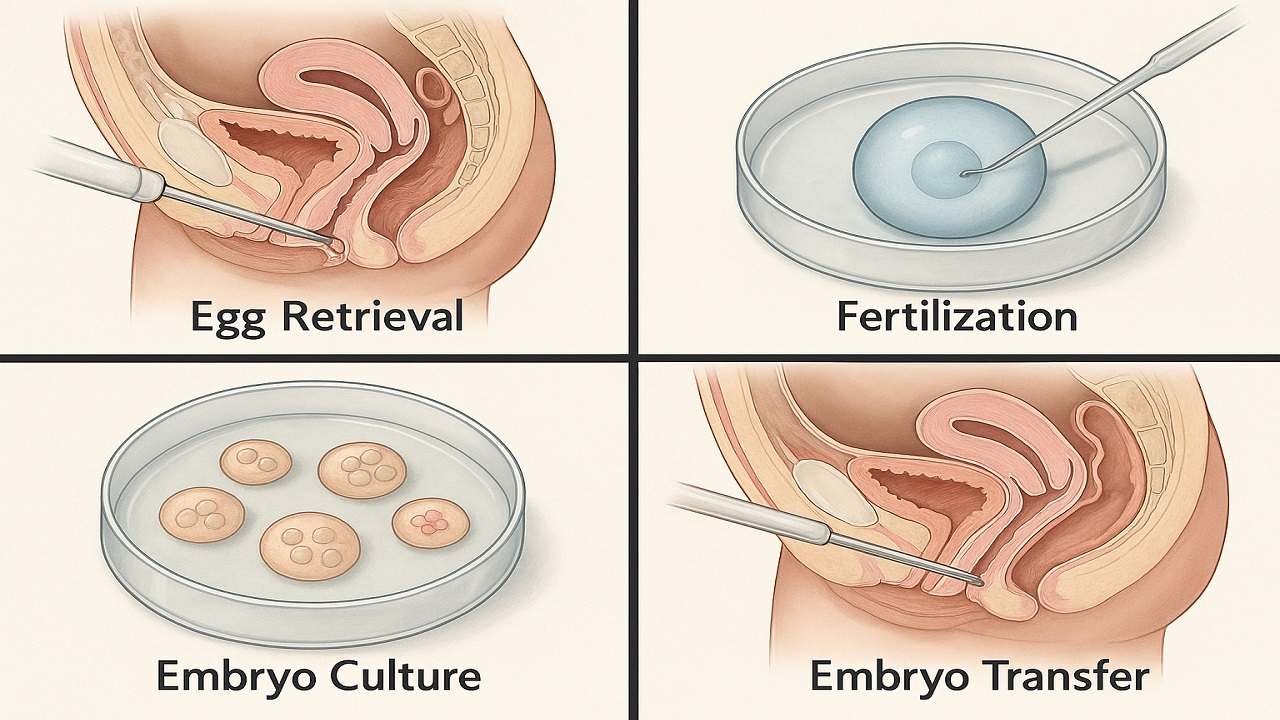
In Vitro Fertilization (IVF) process step by step, emphasising the importance of various stages such as ovarian stimulation, egg retrieval, fertilization, and embryo transfer in maximising the In Vitro Fertilization (IVF) Success Rate. It highlights how a thorough understanding of the procedure can prepare couples and individuals for their In Vitro Fertilization(IVF) journey, ultimately improving their chances of achieving a successful pregnancy.

Vitamin D Deficiency Affect IVF outcomes by influencing endometrial receptivity, embryo quality, and hormone balance. Clinical evidence, age-specific risks, and PCOS implications, while offering actionable strategies to optimize Vitamin D levels and improve IVF success rates and pregnancy outcomes in a structured, patient-focused approach.
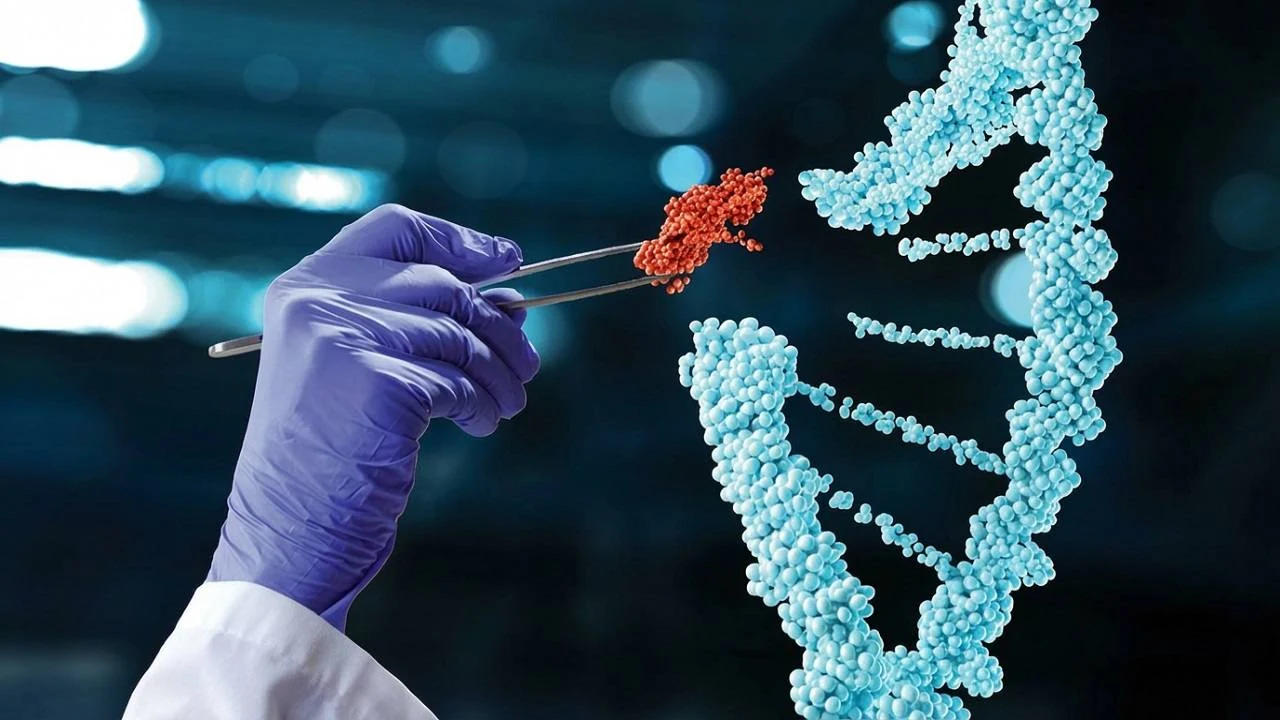
Preimplantation Genetic Testing (PGT) revolutionizes IVF by screening embryos for chromosomal abnormalities and genetic disorders before transfer. This advanced technology increases pregnancy success rates, reduces miscarriage risk, prevents inherited diseases, and shortens time to pregnancy while providing diagnostic clarity and reducing emotional stress for couples.

Clinical evidence increasingly demonstrates that emotional stress or grief reduces the chances of IVF success through sophisticated biochemical pathways that directly influence reproductive physiology. This relationship extends far beyond simple correlations, revealing profound mechanistic connections between psychological distress and the delicate orchestration of hormonal events essential for successful conception.
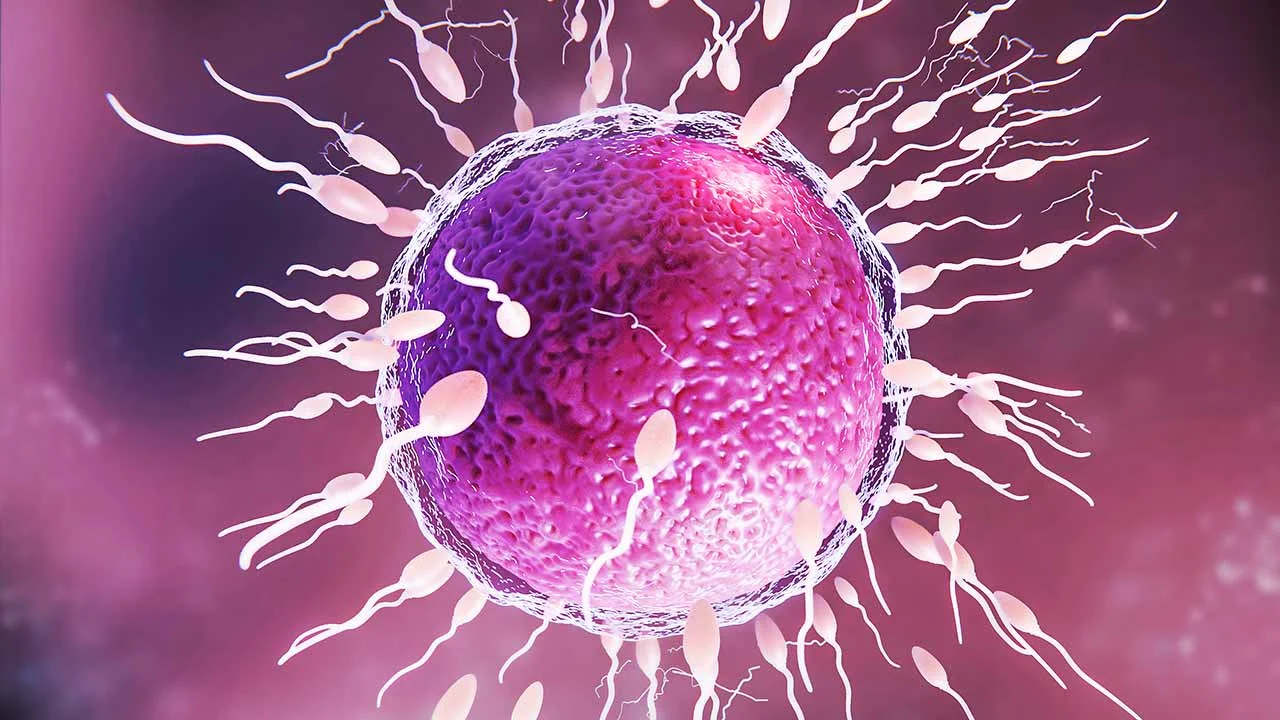
IVF in 2025 is shifting from hype to evidence-based innovation. As precision, automation, AI, and genetic advances reshape fertility care, patients must distinguish proven breakthroughs from outdated add-ons. This guide examines five groundbreaking IVF technologies in 2025 to understand which advances genuinely improve outcomes

Managing Recurrent Implantation Failure (RIF) outlines evidence-based diagnostics and treatment pathways to improve IVF success rates, emphasizing clarity, cautious use of add-ons, and realistic patient expectations.