Home
 ArticlesArticles
The In Vitro Fertilization (IVF) Success Rate in relation to age, gender, and health conditions, highlighting significant variations in success rates across different countries. It emphasizes that factors such as egg and sperm quality, along with access to advanced fertility treatments, play a crucial role in determining the In Vitro Fertilization (IVF) Success Rate, which remains promising, especially in countries with robust medical infrastructure and technology.




In vitro fertilization (IVF) is a significant advancement for those struggling with infertility. Couples who are unable to conceive naturally may choose to pursue IVF as a potential solution. While the overall success rates of IVF can differ greatly from case to case, there are some common factors that can impact the success, the most notable being age, gender, underlying health conditions, and the country in which the treatment is carried out.There are myriad biological and environmental factors involved in the success of IVF. In this post, we will look at how success rates vary based on age, gender, and health conditions, and also touch upon additional fertility treatment costs that often influence access and outcomes. We’ll further provide a country-by-country breakdown (excluding India) as a lens for observing global IVF success trends.
The quantity and quality of a woman’s eggs decrease with age, leading to lower success rates. That is why age is commonly cited as the most important factor for the success of IVF. Understanding this, it also helps to look at the timeline of an IVF cycle, a structured process spanning several weeks. Each stage plays a critical role in determining outcomes and, ultimately, success rates.

Although male fertility is less affected by age than women, male age does have an effect on IVF, especially when it comes to sperm quality.
Although the hardest part of IVF often falls on the female partner, male infertility can also significantly impact the success of the procedure. Spermatogenesis & Embryogenesis. Sperm quality and quantity directly affect fertilization and embryo development.
Abnormal sperm can lower your chances of IVF. Men experiencing male infertility, including those with low sperm count, poor sperm motility, or abnormal sperm morphology, may have lower success rates with IVF. If a male partner is the issue, doctors may use a technique called Intracytoplasmic Sperm Injection (ICSI), in which a single sperm is injected into an egg to increase the fertilization rate. ICSI has come a long way, however male infertility issues still account for lower success rates in IVF when compared to female infertility cases.
Individuals with specific health conditions are more likely to effectively utilize the advantages of IVF throughout their treatment cycle. The health conditions of both female and male partners are essential for the success of the IVF process.
Success rates for IVF also vary greatly depending on the country in which the procedure is performed. The variations can be attributed to differences in the quality of healthcare delivery, access to advanced healthcare technology, and the ART regulatory environment.

IVF success rates in the U.S. depend on age and overall health, but data suggests women under 35 have success rates of around 40-50% per cycle. For women over 40, the rates can be as low as 10–15%. Many cases have better success rates, thanks to egg donation and advanced genetic screening. The U.S. also has top-rated fertility clinics and access to cutting-edge technologies that significantly boost success rates.
The U.K. has a robust IVF system, fertility clinics are regulated by the government. In the UK, the success rate for women aged under 35 with IVF treatment per cycle is about 35-40%. But success rates drop off with age, women over 40 have closer to a 10-15% success rate. The guidelines from The National Institute for Health and Care Excellence (NICE) help regulate IVF protocols to ensure that reproductive medicine is standardized and high quality.
Australia has the well-deserved reputation of having some of the highest IVF success rates in the world. About 40% of women under 35, and 10-15% of women over 40, are successful. The IVF clinics in Australia have utilized advanced medical techniques and provided high-quality services. The country also has stringent regulations and a highly competitive environment for fertility services.
Germany has some of the best IVF clinics and is a leader in reproductive healthcare. The success rate is approximately 35–40% for women under 35, while it is around 10-15% for women over 40. Germany’s medical regulations and investment in infertility research have led it to become the leader in the ART field in Europe.
Internationally, IVF is one of the most common treatments sought in Spain. Success rates for women under 35 are around 45-50%, among the highest in Europe. Women over 40 have only a 10-15% chance of success. Spain's fertility clinics are highly regarded, making the country a popular destination for patients seeking affordable and high-quality fertility treatment.
Canada’s rates of success with IVF are comparable to those in the U.S. and Europe. Approximately 40% of women under the age of 35 are successful, but the success rates drop to 10–15% for women Canada’s healthcare system provides robust support for fertility treatments; however, access to assisted reproductive technology (ART) varies by region.
In France, the IVF success rate is about 30–40% for women under 35. Success rates for women over 40 are even lower, often dropping to around 10-15%. That said, France has also federally regulated ART services, which continuously monitor care and success rates, contributing to its high marks.
IVF success rates are determined by a number of factors, including but not limited to age, gender, health conditions and the country in which treatment is carried out. IVF holds promise for many people and couples, but success rates depend on biological factors, including egg and sperm quality, as well as access to advanced fertility treatments and the quality of care offered by fertility clinics. Countries with mature IVF infrastructure and highly developed technology, like the U.S., the U.K., Spain and Australia, generally report higher success rates, especially for younger patients. As medical technology and our understanding of infertility continue to advance, IVF success rates are anticipated to rise, providing greater hope for couples grappling with reproductive hurdles globally.



Womb transplantation is giving women with absolute uterine factor infertility the chance to carry and deliver their own child. This article explains how the process works from donor to delivery, who may be suitable, the risks involved and what recent births from living and deceased donors mean for patients.

Advanced female age causes fertility decline through reduced egg quantity, increased chromosomal abnormalities, and mitochondrial dysfunction. Understanding these biological mechanisms helps women make informed family planning decisions. Modern fertility treatments including IVF, preimplantation genetic testing, and egg freezing offer practical solutions to overcome age-related reproductive challenges when trying to conceive.
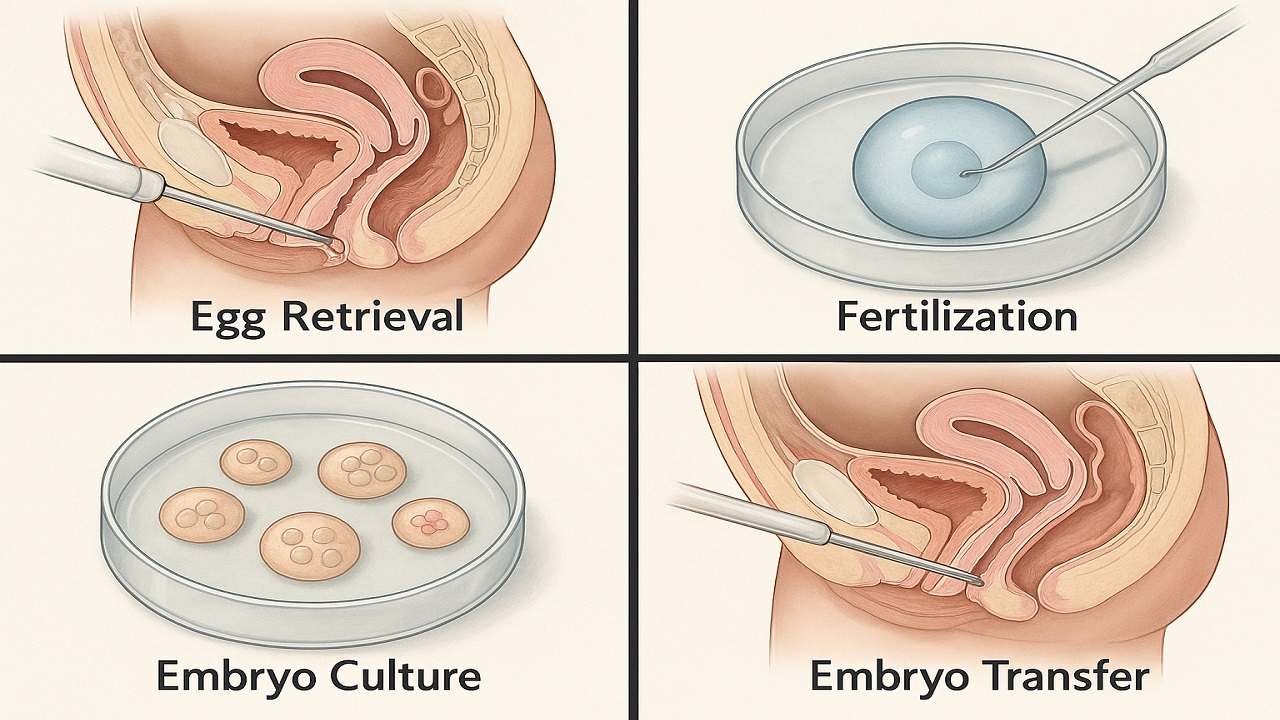
In Vitro Fertilization (IVF) process step by step, emphasising the importance of various stages such as ovarian stimulation, egg retrieval, fertilization, and embryo transfer in maximising the In Vitro Fertilization (IVF) Success Rate. It highlights how a thorough understanding of the procedure can prepare couples and individuals for their In Vitro Fertilization(IVF) journey, ultimately improving their chances of achieving a successful pregnancy.

Vitamin D Deficiency Affect IVF outcomes by influencing endometrial receptivity, embryo quality, and hormone balance. Clinical evidence, age-specific risks, and PCOS implications, while offering actionable strategies to optimize Vitamin D levels and improve IVF success rates and pregnancy outcomes in a structured, patient-focused approach.

Preimplantation Genetic Testing (PGT) revolutionizes IVF by screening embryos for chromosomal abnormalities and genetic disorders before transfer. This advanced technology increases pregnancy success rates, reduces miscarriage risk, prevents inherited diseases, and shortens time to pregnancy while providing diagnostic clarity and reducing emotional stress for couples.

Clinical evidence increasingly demonstrates that emotional stress or grief reduces the chances of IVF success through sophisticated biochemical pathways that directly influence reproductive physiology. This relationship extends far beyond simple correlations, revealing profound mechanistic connections between psychological distress and the delicate orchestration of hormonal events essential for successful conception.
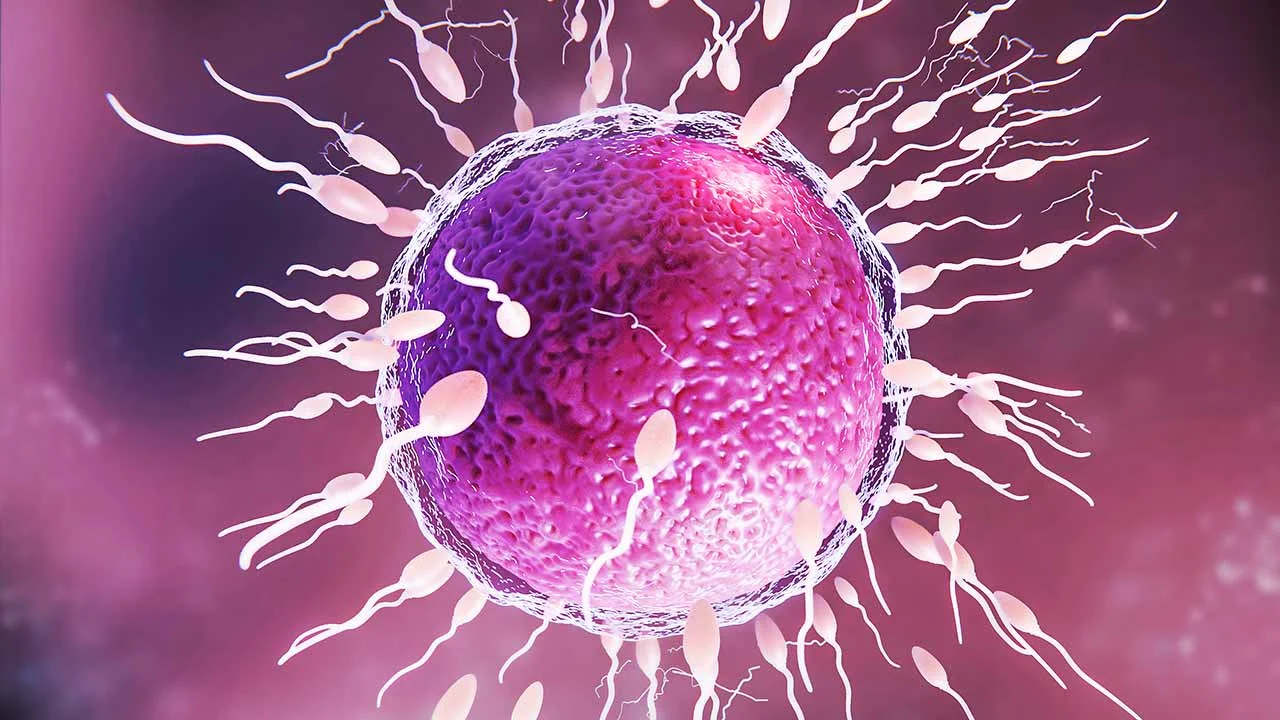
IVF in 2025 is shifting from hype to evidence-based innovation. As precision, automation, AI, and genetic advances reshape fertility care, patients must distinguish proven breakthroughs from outdated add-ons. This guide examines five groundbreaking IVF technologies in 2025 to understand which advances genuinely improve outcomes