Home
 ArticlesArticles
IVF specialists worldwide are cautioning expecting mothers against high AQI exposure, citing strong evidence linking poor air quality with premature births and low birth weights, and urging preventive healthcare and policy intervention.




Air quality isn’t just an environmental issue anymore, it’s becoming a reproductive health crisis. In recent years, IVF specialists have warned expecting mothers that exposure to high AQI (Air Quality Index) levels could significantly increase the likelihood of premature birth and other pregnancy complications. What was once considered a concern for respiratory health has now emerged as a direct threat to the well-being of mothers and their unborn children across the globe.
As urbanization deepens and industrial pollution worsens, more couples seeking fertility treatments are finding themselves battling invisible pollutants that may undermine even the most advanced medical interventions. From Delhi to Los Angeles, Beijing to London, the narrative remains consistent, when the air becomes toxic, pregnancy outcomes are at risk.
Medical research has long indicated that airborne particulate matter (PM2.5 and PM10) can penetrate deep into the lungs and bloodstream, triggering systemic inflammation. However, emerging data now shows that these pollutants can cross the placental barrier, directly affecting fetal development.
According to studies published in The Lancet Planetary Health and Environmental Health Perspectives, women exposed to high levels of air pollution during pregnancy are at a markedly higher risk of:
IVF specialists have taken particular note of this trend, emphasizing that expecting mothers undergoing fertility treatments are often under heightened medical observation, allowing clinicians to detect even subtle deviations in fetal growth. “We are seeing a worrying correlation between poor air quality and preterm deliveries among our patients,” notes one fertility expert from a leading clinic in Singapore.
This underscores a grim reality: even as reproductive technology advances, environmental degradation threatens to undo much of that progress.
Women undergoing in-vitro fertilization are already navigating a delicate physiological balance. Hormonal stimulation, egg retrieval, and embryo transfer all these steps require a stable environment for successful implantation and development.
Exposure to high AQI levels can disrupt this balance in multiple ways:
Several fertility clinics in major metropolitan cities have begun to adjust patient care protocols based on air quality trends. Some recommend scheduling embryo transfers during periods of lower pollution or utilizing advanced air filtration systems within fertility centers.
The World Health Organization (WHO) estimates that nearly 90% of the world’s population breathes air exceeding safe pollution levels. In countries like India and China, where both IVF and birth rates are high, the combination is particularly concerning.
Recent global studies have shown:
As IVF specialists warn expecting mothers across continents, this issue transcends borders and income levels. Whether it’s smog from industrial emissions or vehicular exhaust, the consequences remain alarmingly similar.
While the data is compelling, understanding the biological mechanism is key to prevention. Experts suggest that air pollution triggers oxidative stress, which inflames the uterine lining and disrupts placental development.
IVF specialists emphasize that this combination of inflammation, hormonal disruption, and impaired placental function creates the “perfect storm” for premature birth.
Given the escalating global air crisis, many fertility experts are advocating a new dimension of prenatal care, environmental health management. For women undergoing IVF or natural conception, proactive steps can make a measurable difference.
IVF specialists recommend the following preventive measures:

These interventions may seem basic, but collectively, they form a crucial line of defense against pollution-induced pregnancy risks.
Some IVF clinics are already innovating to safeguard maternal health. In cities like New Delhi and Beijing, fertility centers have begun investing in indoor air sterilization systems, using negative ion generators and activated carbon filters to maintain clean environments.
Others are exploring cryopreservation strategies, encouraging couples to freeze embryos and delay transfer until air quality improves seasonally. Telemedicine consultations and AI-driven air quality tracking tools are also being integrated into fertility management programs.
The implications extend far beyond fertility clinics. The IVF specialist’s warning to expecting mothers about high AQI exposure is, in truth, a wake-up call to policymakers and urban planners. Air pollution isn’t just shaving years off adult life expectancy, it’s shaping the very beginning of human life.
Governments that invest billions in neonatal care and maternal health must now look upstream, tackling the root cause of poor outcomes. Integrating environmental data into national health registries, funding clean energy transitions, and mandating air quality alerts for pregnant women are among the urgent measures experts recommend.
Public health agencies in Japan, Sweden, and Australia are already incorporating AQI monitoring into prenatal programs. Others are expected to follow as the scientific evidence becomes impossible to ignore.
The message from the medical community is clear, Exposure to high AQI increases the chances of premature birth around the world, posing a silent but profound threat to maternal and infant health. For IVF specialists, this warning carries additional urgency, given the fragile nature of assisted conception and early-stage pregnancies.
Clean air is no longer a luxury, it’s a prerequisite for healthy beginnings. As fertility rates decline globally and reproductive technologies advance, protecting environmental health becomes inseparable from protecting future generations.
Until nations make clean air a universal right, IVF specialists will continue to remind expecting mothers that safeguarding their baby’s first breath begins with the air they breathe today.



Advanced female age causes fertility decline through reduced egg quantity, increased chromosomal abnormalities, and mitochondrial dysfunction. Understanding these biological mechanisms helps women make informed family planning decisions. Modern fertility treatments including IVF, preimplantation genetic testing, and egg freezing offer practical solutions to overcome age-related reproductive challenges when trying to conceive.
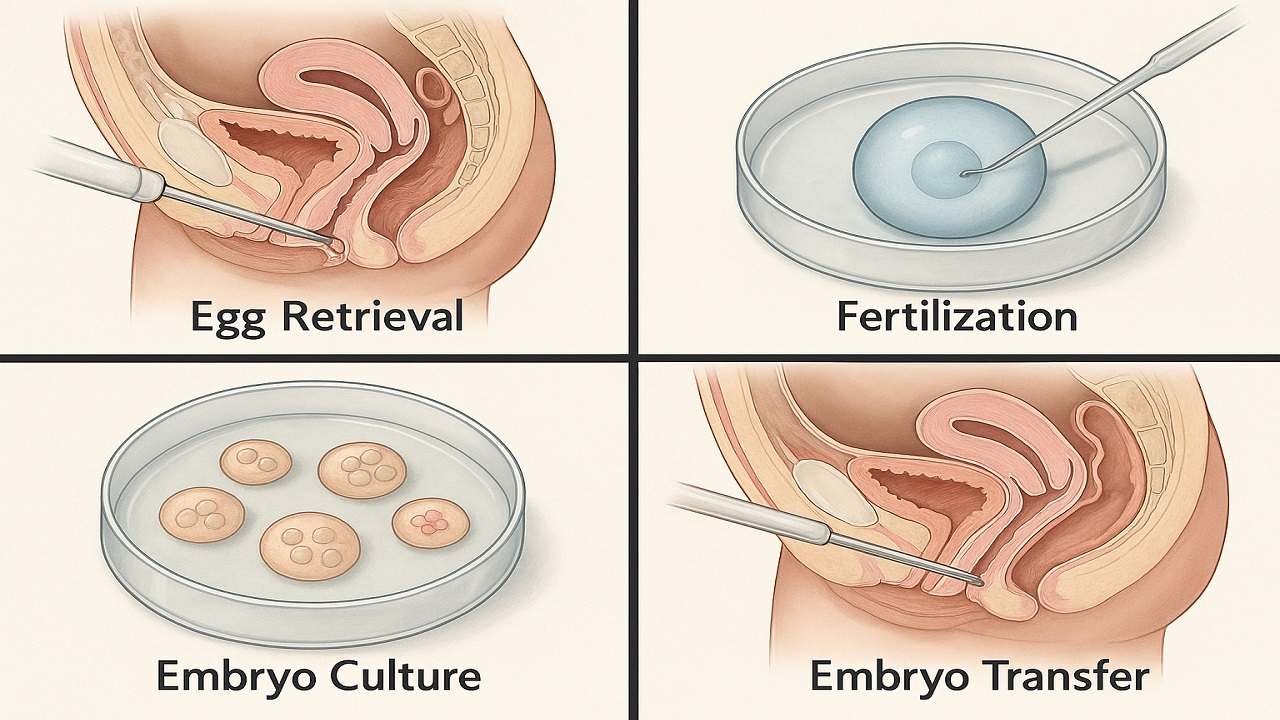
In Vitro Fertilization (IVF) process step by step, emphasising the importance of various stages such as ovarian stimulation, egg retrieval, fertilization, and embryo transfer in maximising the In Vitro Fertilization (IVF) Success Rate. It highlights how a thorough understanding of the procedure can prepare couples and individuals for their In Vitro Fertilization(IVF) journey, ultimately improving their chances of achieving a successful pregnancy.

Vitamin D Deficiency Affect IVF outcomes by influencing endometrial receptivity, embryo quality, and hormone balance. Clinical evidence, age-specific risks, and PCOS implications, while offering actionable strategies to optimize Vitamin D levels and improve IVF success rates and pregnancy outcomes in a structured, patient-focused approach.
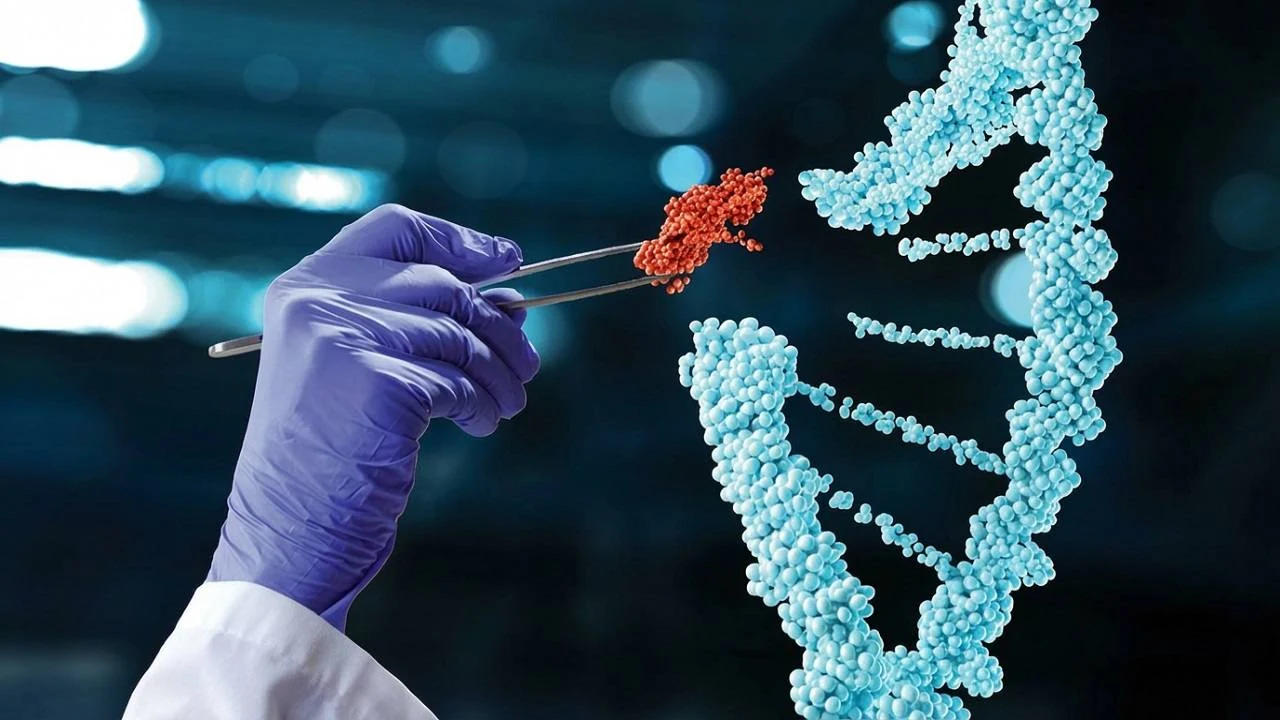
Preimplantation Genetic Testing (PGT) revolutionizes IVF by screening embryos for chromosomal abnormalities and genetic disorders before transfer. This advanced technology increases pregnancy success rates, reduces miscarriage risk, prevents inherited diseases, and shortens time to pregnancy while providing diagnostic clarity and reducing emotional stress for couples.

Clinical evidence increasingly demonstrates that emotional stress or grief reduces the chances of IVF success through sophisticated biochemical pathways that directly influence reproductive physiology. This relationship extends far beyond simple correlations, revealing profound mechanistic connections between psychological distress and the delicate orchestration of hormonal events essential for successful conception.
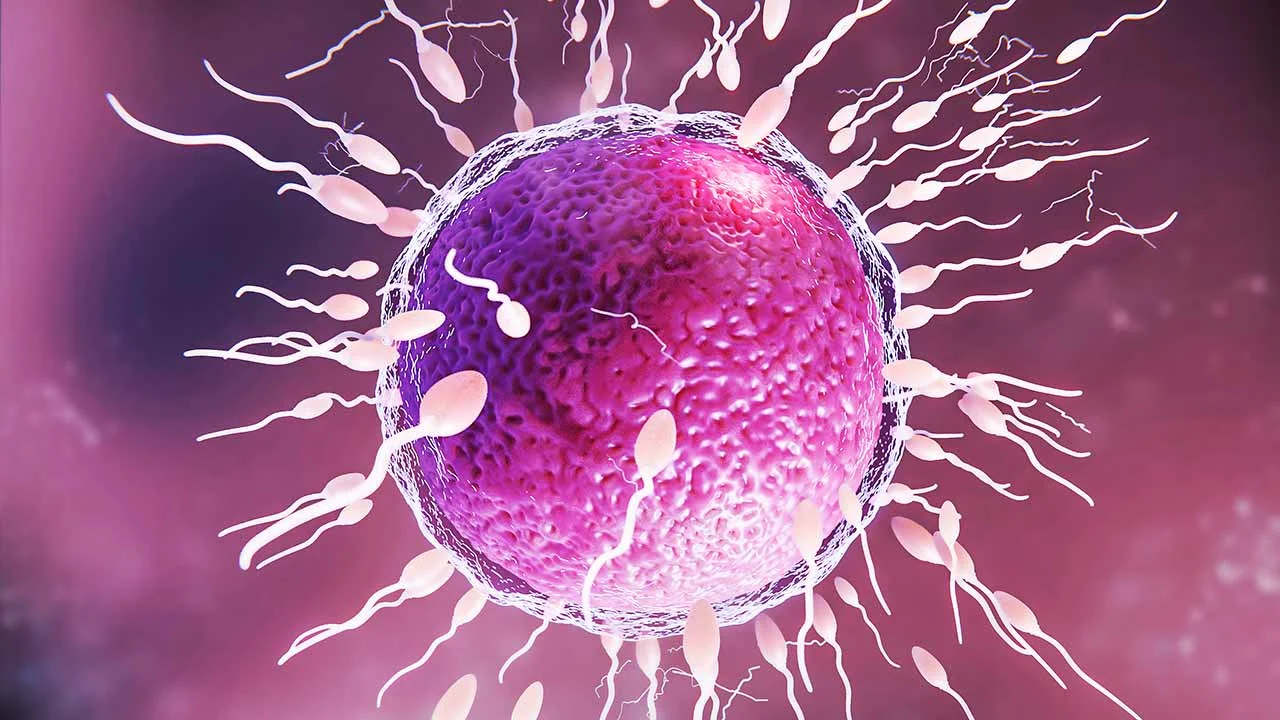
IVF in 2025 is shifting from hype to evidence-based innovation. As precision, automation, AI, and genetic advances reshape fertility care, patients must distinguish proven breakthroughs from outdated add-ons. This guide examines five groundbreaking IVF technologies in 2025 to understand which advances genuinely improve outcomes

Managing Recurrent Implantation Failure (RIF) outlines evidence-based diagnostics and treatment pathways to improve IVF success rates, emphasizing clarity, cautious use of add-ons, and realistic patient expectations.