Home
 ArticlesArticles
Preimplantation Genetic Testing (PGT) revolutionizes IVF by screening embryos for chromosomal abnormalities and genetic disorders before transfer. This advanced technology increases pregnancy success rates, reduces miscarriage risk, prevents inherited diseases, and shortens time to pregnancy while providing diagnostic clarity and reducing emotional stress for couples.



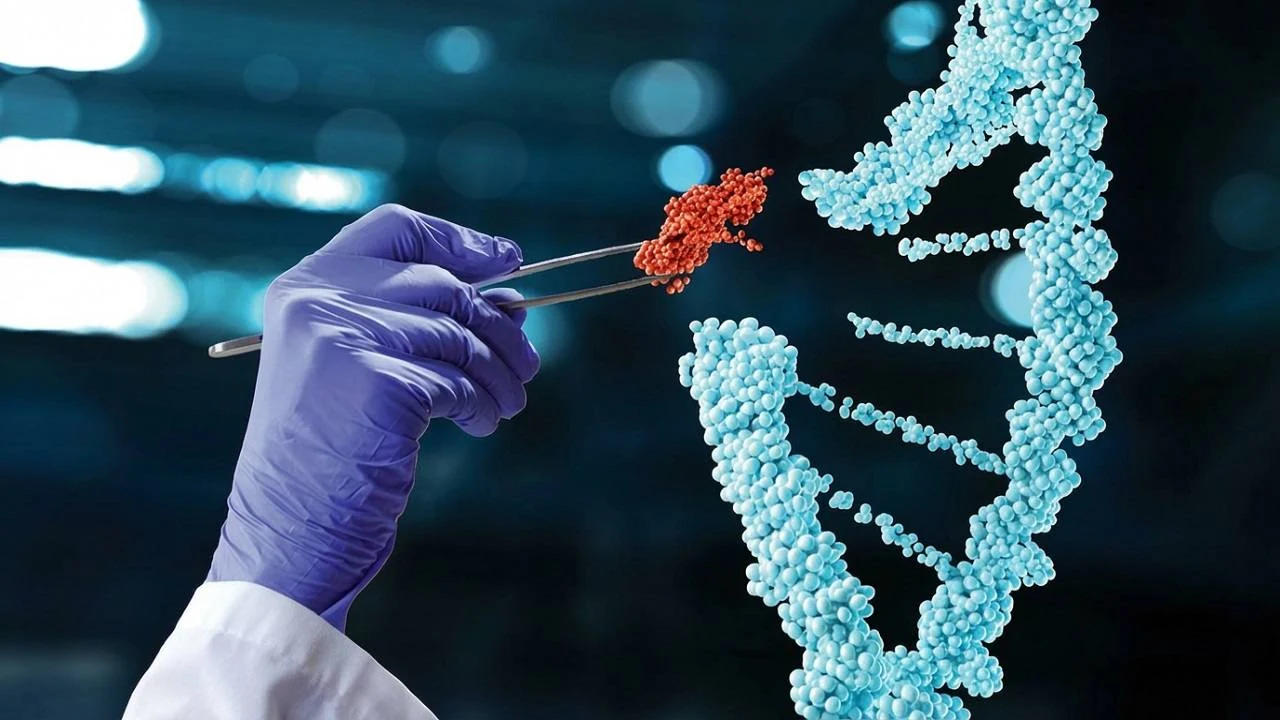
IVF Plus (IVF+) represents a sophisticated evolution in assisted reproductive technology, elevating the standard in vitro fertilization (IVF) protocol by integrating preimplantation genetic testing (PGT) for superior clinical precision. Unlike traditional IVF, which relies heavily on morphological assessment, selecting embryos based solely on their physical appearance and growth patterns, IVF Plus employs advanced genomic analysis to evaluate biological viability at the chromosomal level.
This distinction is critical, as even embryos that appear visually perfect under a microscope may carry invisible genetic anomalies that natural biological barriers would prevent from implanting. By proactively screening for these chromosomal irregularities before transfer, IVF Plus effectively bypasses the primary cause of cycle failure, ensuring that only embryos with the highest potential for development are selected. The result is a more targeted treatment pathway designed to maximize pregnancy success rates, significantly reduce the risk of miscarriage, and provide prospective parents with greater confidence in achieving a healthy live birth.

The fundamental distinction between these two approaches lies in the methodology used to select the optimal embryo for transfer:
By prioritizing genetic health, IVF Plus offers significant advantages over traditional methods. The following table outlines the key benefits, including the enhanced clinical outcomes and additional safety factors introduced by genetic screening.
While any patient can opt for these advanced screenings, IVF Plus is particularly indicated for:
Yes, for many patients. While standard IVF typically sees success rates of roughly 45% to 50% per transfer, patients who utilize advanced genetic screening (IVF Plus) often achieve a higher success ratio of 65% to 70% per transfer. This improvement occurs because the protocol ensures that only embryos with the correct number of chromosomes are selected. These genetically balanced embryos are significantly more likely to implant successfully and develop into a healthy pregnancy.
Yes. The biopsy is performed on the outer layer of the embryo (the trophectoderm), which later forms the placenta. The inner cell mass that develops into the baby remains untouched. While any biopsy carries a small risk of damage (rare in skilled hands), the procedure is highly accurate, with a 95% to 99% precision rate.
The biopsy is usually performed on day 5 or 6 of embryo development, and lab results typically take about one week. Because of this timeline, embryos are frozen (vitrified) while waiting for results, and the transfer occurs in a later cycle.
This protocol is highly recommended for:
IVF Plus can screen for more than 10,000 monogenic disorders caused by single gene mutations. Frequently screened life-threatening conditions include:
Yes. IVF Plus protocols using PGT-M (for monogenic or single-gene disorders) can specifically screen embryos for hereditary cancer predisposition syndromes. The most common applications include:

Technically, yes. Because the genetic screening used in IVF Plus analyzes the chromosomal makeup of each embryo, it inherently identifies the sex chromosomes (XX or XY). However, whether you are actually permitted to select an embryo based on its gender depends entirely on the legal and ethical regulations in your location. In many regions, gender selection is restricted solely to medical reasons (to prevent passing on sex-linked genetic disorders), while other jurisdictions may allow it for "family balancing" or prohibit it for non-medical purposes altogether.
Currently, the standard medical practice for IVF Plus is selection, not correction. This means embryos carrying a mutation are identified and usually discarded or not transferred, while only healthy, unaffected embryos are selected for implantation.
However, experimental technologies are emerging:
Research indicates that the reproductive health of children born through IVF is generally comparable to those conceived naturally, and many have successfully gone on to conceive their own children without assistance. However, if the parents' infertility was caused by a specific genetic condition (such as Y-chromosome microdeletions in men), there is a possibility this trait could be passed down to their offspring. In these specific cases, genetic counseling and testing (like PGT) can help assess and manage potential risks.
According to FertilityIn's cost analysis and research, in the United States, the cost of genetic screening (PGT-A) is an additional expense on top of the standard IVF cycle fees.
Note: Costs are approximate and can vary significantly by clinic, region, and country due to local regulations, currency rates, and specific treatment needs. Always confirm detailed pricing directly with your fertility provider.
IVF Plus represents a significant leap forward in reproductive medicine, moving beyond the "wait and see" approach of traditional IVF to a model based on precision and genetic insight. By integrating advanced Preimplantation Genetic Testing (PGT), this protocol empowers patients and clinicians to make informed decisions before a pregnancy even begins.
For individuals facing the heartbreak of recurrent loss, advanced age, or hereditary conditions, IVF Plus offers more than just a medical procedure it offers a clearer path to parenthood. While it involves additional costs and steps, the potential for higher success rates, reduced miscarriage risks, and the prevention of severe genetic diseases makes it a transformative option for many families. Ultimately, IVF Plus shifts the focus from simply achieving a pregnancy to ensuring the healthiest possible start for the next generation.



The Department of Health – Abu Dhabi has launched the Abu Dhabi Programme for the Future of Reproductive Health, with a 2030 roadmap that includes a target to boost IVF success to 80%, up from a current rate of 59%. The programme integrates genomics, AI, precision medicine, and the world's first Global Reproductive Health Advisory Council.
Womb transplantation is giving women with absolute uterine factor infertility the chance to carry and deliver their own child. This article explains how the process works from donor to delivery, who may be suitable, the risks involved and what recent births from living and deceased donors mean for patients.

Advanced female age causes fertility decline through reduced egg quantity, increased chromosomal abnormalities, and mitochondrial dysfunction. Understanding these biological mechanisms helps women make informed family planning decisions. Modern fertility treatments including IVF, preimplantation genetic testing, and egg freezing offer practical solutions to overcome age-related reproductive challenges when trying to conceive.
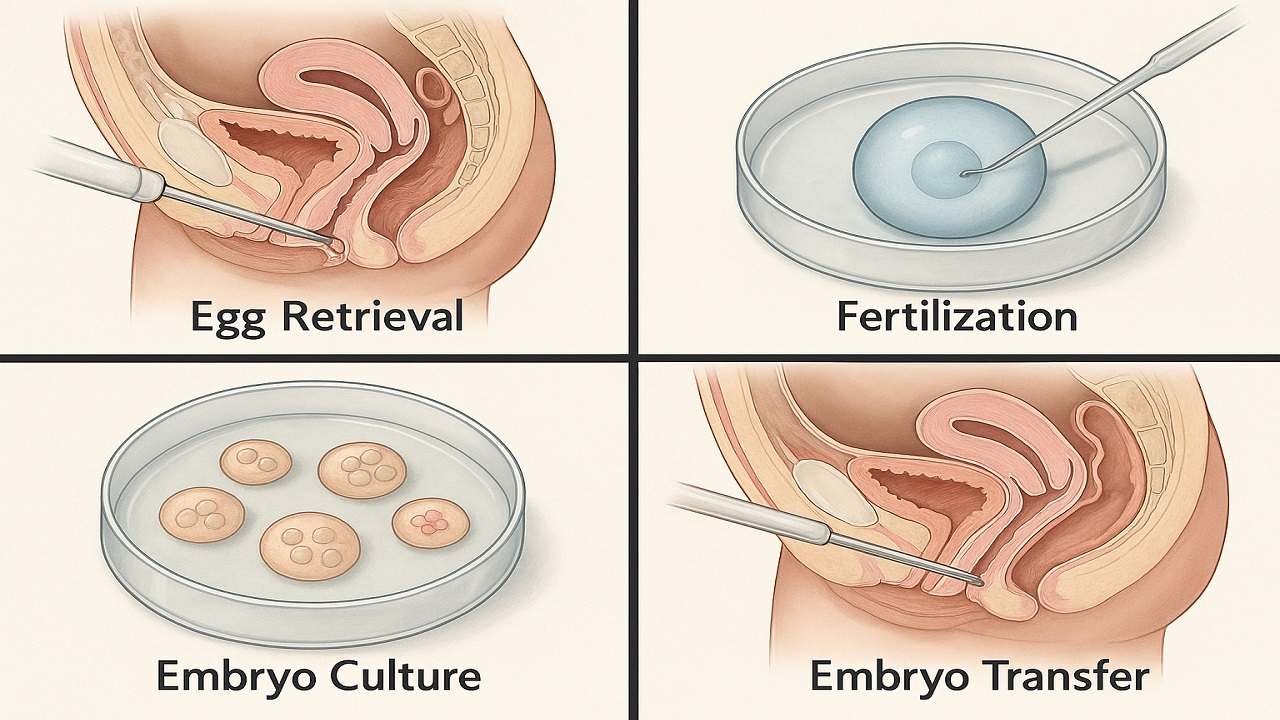
In Vitro Fertilization (IVF) process step by step, emphasising the importance of various stages such as ovarian stimulation, egg retrieval, fertilization, and embryo transfer in maximising the In Vitro Fertilization (IVF) Success Rate. It highlights how a thorough understanding of the procedure can prepare couples and individuals for their In Vitro Fertilization(IVF) journey, ultimately improving their chances of achieving a successful pregnancy.

Vitamin D Deficiency Affect IVF outcomes by influencing endometrial receptivity, embryo quality, and hormone balance. Clinical evidence, age-specific risks, and PCOS implications, while offering actionable strategies to optimize Vitamin D levels and improve IVF success rates and pregnancy outcomes in a structured, patient-focused approach.

Clinical evidence increasingly demonstrates that emotional stress or grief reduces the chances of IVF success through sophisticated biochemical pathways that directly influence reproductive physiology. This relationship extends far beyond simple correlations, revealing profound mechanistic connections between psychological distress and the delicate orchestration of hormonal events essential for successful conception.