Home
 ArticlesArticles
Turkey has become a leading destination for IVF, offering high-quality fertility care at 50–80% lower costs than Western countries. With advanced clinics, multilingual teams, and globally accredited facilities, it attracts patients from Europe, the Middle East, and Africa seeking affordable, ethical, and reliable fertility solutions.




IVF in Turkey is a strategic mix of affordability, clinical quality, and geographic accessibility that has turned it into a high-volume IVF destination, drawing patients from Europe, the Middle East, North Africa, and Central Asia, despite strict prohibitions on third‑party reproduction and surrogacy under national law.
Turkey delivers IVF at a fraction of Western prices, typically USD 2,000–5,000 per cycle before medications and add‑ons, while maintaining modern infrastructure, multilingual teams, and JCI‑accredited facilities that cater to international patients seeking predictable quality and shorter wait times. This cost-quality equation is amplified by convenient flight networks, streamlined visas for many nationalities, and clinic concierge services that package testing, transfers, and accommodation for cross‑border patients.
Analysts identify fertility tourism as a rapidly expanding segment globally, with Turkey cited as a leading country share holder due to competitive pricing, clinic density in Istanbul/Ankara/Izmir, and an ecosystem optimized for international care delivery. Domestic IVF demand is also rising on the back of broader ART utilization trends in Europe, positioning Turkey to benefit from both outbound medical tourism from high-cost markets and inbound regional demand from MENA and CIS countries.
Turkey’s legal framework is among Europe’s most restrictive for third‑party ART: egg, sperm, and embryo donation are banned; surrogacy is prohibited; and eligibility is limited to married heterosexual couples using their own gametes, with sex selection allowed only for medical indications via PGT/PGD. Since 2010, Turkish citizens are also barred from traveling abroad for donor gametes, underscoring the policy emphasis on own‑gamete IVF and narrowing options for older patients or those requiring donor treatments. Clinics are licensed and inspected by the Ministry of Health, and leading centers publicize international accreditations to signal adherence to global standards and patient safety protocols.
Most international patients are attracted by transparent base pricing in the USD 2,500–5,000 band for an own‑gamete IVF cycle, with ICSI commonly included; medications, PGT‑A/M, cryopreservation, and FET cycles are typically itemized as add‑ons, and can lift total spend materially depending on clinical complexity. Typical ancillary ranges include USD 800–1,200 for stimulation drugs, USD 300–800 for ICSI if not bundled, USD 1,000–3,000 for genetic testing, and USD 500–1,000 for embryo freezing—still markedly below U.S./U.K. totals on a like‑for‑like basis. Some hospital groups and brokered networks offer all‑inclusive packages with airport pickup, translators, and accommodation, simplifying logistics for short treatment windows.
Turkey is often the strongest fit for younger to mid‑30s and early‑40s patients using their own gametes, including couples seeking ICSI for male factors, couples pursuing PGT for medical indications, and those prioritizing affordability plus reliable lab capacity over boutique donor choices that are legally unavailable in the country. Patients from the Gulf, Levant, North Africa, and Eastern Europe benefit from flight proximity, cultural familiarity, and language support, while Europeans facing long waits or higher prices at home use Turkey to accelerate timelines and reduce the total cost of care.

With fertility tourism forecast to grow at a rapid clip globally through 2030, IVF in Turkey is a blend of cost competitiveness, capacity, and international service orientation positions it to retain a leadership role among cross‑border IVF destinations, especially for own‑gamete treatments. Growth will likely concentrate in metro hubs with established lab infrastructure and multilingual patient services, while the legal ban on donation and surrogacy will continue to shape the case mix and demographic profile of incoming patients. For many couples, that trade‑off remains compelling: high‑quality embryology, predictable prices, and streamlined travel, just without third‑party options that require treatment in more permissive jurisdictions.



Immunotherapy in restoring human fertility is emerging as a promising approach for addressing immune-related reproductive disorders. Recent clinical advances highlight its potential to improve implantation, pregnancy outcomes, and reproductive health, offering renewed hope for patients facing infertility linked to immune system dysfunction.

The smart fertility tracker market has transformed male fertility diagnostics, but how reliable are these devices? This report examines what at-home sperm tests actually measure, where they fall short compared to clinical analysis, and how men and couples can use them appropriately within a broader reproductive care pathway.
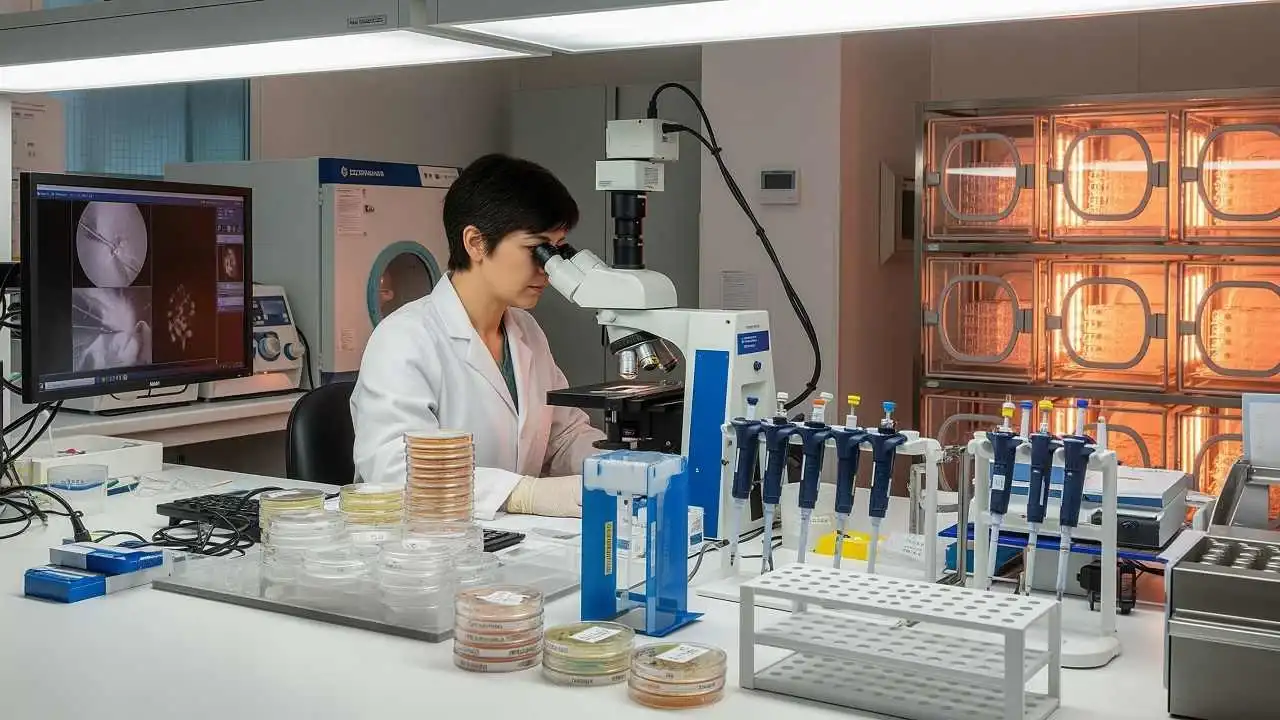
The distinct assisted reproductive technologies of Intrauterine Insemination (IUI), In Vitro Fertilization (IVF), and Intracytoplasmic Sperm Injection (ICSI). It outlines how each procedure works, the medical indications for their use, and their respective success rates. The importance of choosing the right treatment based on factors such as patient age, infertility diagnosis, and personal circumstances.

Assisted Reproductive Technology (ART), a groundbreaking medical field that provides solutions for individuals and couples facing fertility challenges. It defines ART, explains its core techniques such as In Vitro Fertilization (IVF) and Intracytoplasmic Sperm Injection (ICSI), and discusses clinical applications and success rates.

Common questions about pregnancy with polycystic ovary syndrome (PCOS) through IVF and IUI. It discusses PCOS-related infertility, success rates, treatment options, and the importance of personalised protocols. Emphasising holistic care and emotional support, it offers hope and insights for women navigating the challenges of PCOS.

The potential of stem cells to improve ovarian reserve and egg quality, focusing on their application in women with diminished fertility. It discusses how mesenchymal stem cells and other stem cell therapies can rejuvenate ovarian function by enhancing the ovarian environment, promoting tissue repair, and stimulating follicle growth. While the therapy shows promise, the article emphasizes the need for more extensive studies to understand its efficacy and safety.
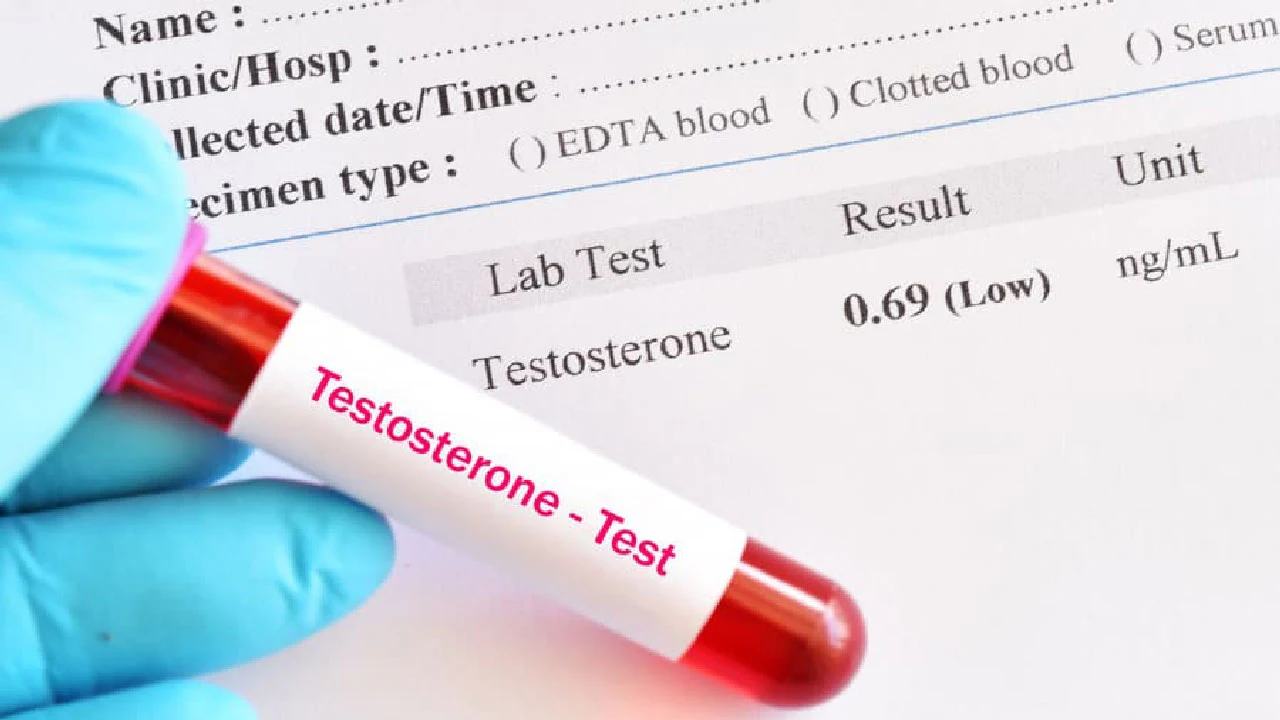
Clinical pearls for treating infertility and low testosterone in men, emphasizing reproductive goal assessment, empiric medical therapies, and comprehensive multidisciplinary management strategies.