Home
 ArticlesArticles
IUI with sperm washing is a fertility treatment where semen is carefully processed to isolate healthy, motile sperm before being placed directly into the uterus. This method improves fertilization chances by bypassing natural barriers and reducing harmful elements in semen. It is especially beneficial for couples facing mild male infertility, cervical issues, or unexplained infertility.



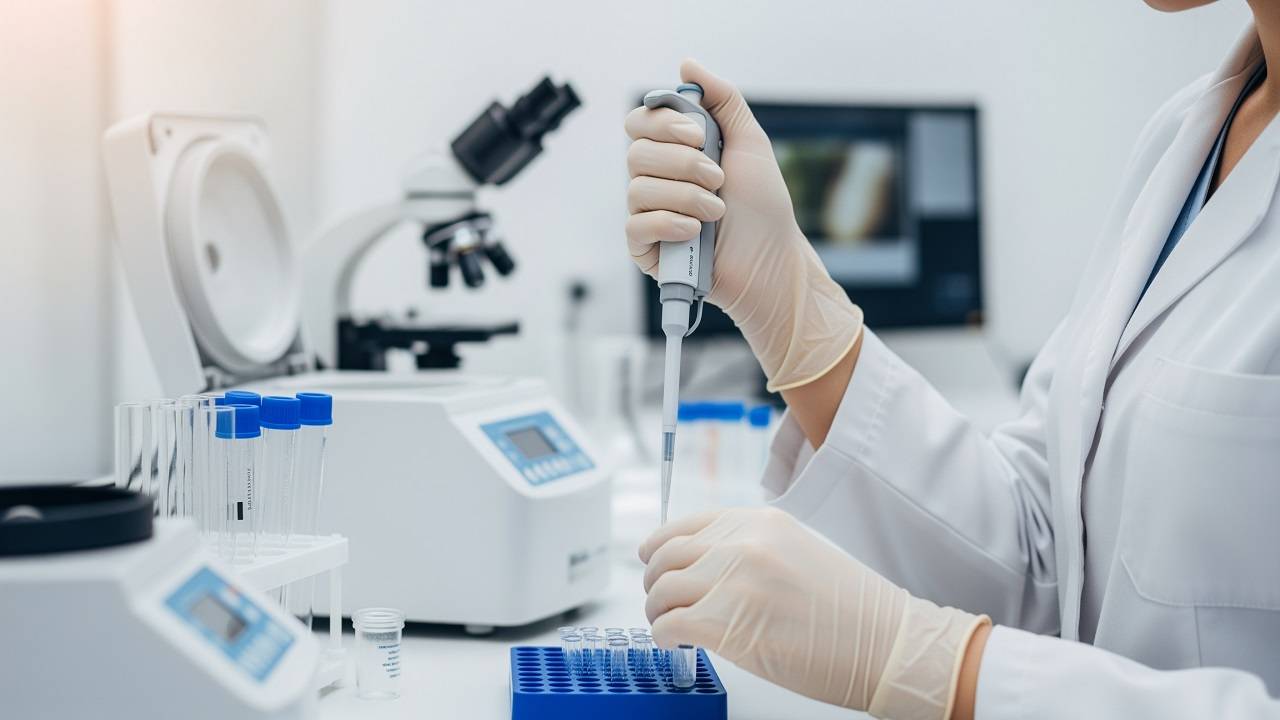
Intrauterine insemination with sperm washing represents one of the most widely utilized fertility treatments, offering a less invasive and more affordable alternative to complex assisted reproductive procedures. This carefully orchestrated treatment combines advanced sperm preparation techniques with the precise timing of insemination to maximize fertilization potential while overcoming various fertility barriers. The procedure has helped millions of couples worldwide achieve pregnancy, serving as an important stepping stone in the fertility treatment continuum.
Intrauterine insemination involves the direct placement of processed sperm into the uterine cavity during the woman's fertile period, bypassing natural barriers that might impede conception. This procedure concentrates healthy, motile sperm closer to the fallopian tubes where fertilization typically occurs, significantly increasing the number of sperm available to reach and fertilize the waiting egg.
The timing of IUI requires precise coordination with ovulation to ensure optimal fertilization conditions. Natural ovulation monitoring or controlled ovarian stimulation can be combined with IUI to enhance success rates by increasing the number of available eggs and optimizing timing. This careful orchestration of timing and sperm placement maximizes the chances of successful fertilization while maintaining the natural conception process within the female reproductive tract.
IUI serves as an intermediate treatment option between natural conception attempts and more complex procedures such as in vitro fertilization. The relatively simple nature of the procedure makes it accessible to a broad range of couples while providing meaningful improvements in pregnancy rates compared to timed intercourse alone.
IUI Sperm washing represents a sophisticated laboratory process that separates healthy, motile sperm from the rest of the ejaculatory fluid, creating a concentrated preparation of the highest quality sperm for insemination. Raw semen contains numerous components beyond sperm, including dead or immotile sperm, white blood cells, bacteria, proteins, and prostaglandins that can interfere with fertilization or cause adverse reactions when introduced directly into the uterus.
The washing process employs specialized techniques, including density gradient centrifugation and swim-up methods, to isolate the most viable sperm based on their ability to swim through various media. These techniques exploit the natural characteristics of healthy sperm, which possess superior motility and the ability to navigate through viscous environments that slower or damaged sperm cannot penetrate.
Modern sperm processing laboratories utilize advanced equipment and standardized protocols to ensure consistent, high-quality sperm preparation. The entire washing process typically requires 1-2 hours, during which sperm are carefully separated, concentrated, and suspended in special culture media that nourishes and preserves them until the insemination procedure.
The washing process removes seminal plasma, which contains substances that can impair sperm function or cause uterine contractions when introduced directly into the uterine cavity. Prostaglandins present in seminal fluid can cause severe cramping and discomfort if not removed, while other components may actually inhibit sperm capacitation and fertilization ability.
The removal of certain proteins and the exposure to specialized media trigger biochemical changes in sperm membranes that prepare them for successful egg penetration and fertilization.
The concentration effect achieved through washing significantly increases the number of motile sperm per unit volume, allowing the introduction of millions of highly active sperm directly into the uterus. This concentration effect can increase the effective sperm count by 10-50 times compared to what would naturally reach the fallopian tubes through cervical mucus navigation.
Mild male factor infertility represents one of the most common indications for IUI with sperm washing, addressing conditions such as slightly reduced sperm concentration, decreased motility, or minor morphological abnormalities. The IUI sperm washing process can overcome these mild deficiencies by concentrating healthy sperm and removing poor-quality specimens that might interfere with fertilization.
Cervical factor infertility, caused by inadequate cervical mucus production or a hostile cervical environment, benefits significantly from IUI treatment. The procedure bypasses the cervical canal entirely, eliminating mucus-related barriers while delivering sperm directly to the optimal location for fertilization. Women who produce thick or acidic cervical mucus that impedes sperm transport often achieve pregnancy through IUI when other approaches fail.
Unexplained infertility affects approximately 10-15% of couples undergoing fertility evaluation, representing cases where comprehensive testing reveals no identifiable cause for fertility challenges. IUI offers these couples a reasonable treatment option that may overcome subtle fertility barriers not detected through standard diagnostic procedures while providing improved pregnancy rates compared to expectant management.
Natural cycle IUI coordinates insemination with spontaneous ovulation, utilizing ovulation prediction kits or ultrasound monitoring to identify the optimal timing for sperm placement. This approach maintains the woman's natural hormonal environment while providing enhanced sperm delivery, making it suitable for women with regular ovulatory cycles.
Controlled ovarian stimulation combined with IUI significantly improves success rates by increasing the number of mature eggs available for fertilization. Fertility medications such as clomiphene citrate or injectable gonadotropins stimulate multiple follicle development, potentially doubling or tripling pregnancy rates compared to natural cycle treatments.
The timing of insemination requires careful coordination with ovulation trigger medications when stimulation protocols are employed. Human chorionic gonadotropin (hCG) or other ovulation-inducing medications provide precise control over ovulation timing, allowing optimal scheduling of the insemination procedure to coincide with egg release.

A comprehensive fertility evaluation precedes IUI treatment to ensure appropriate patient selection and optimize treatment protocols. Both partners undergo thorough assessment, including semen analysis, ovarian reserve testing, tubal patency evaluation, and hormonal assessments that guide treatment planning and predict success potential.
The male partner provides a semen sample through masturbation into a sterile collection container, typically after 2-5 days of abstinence to optimize sperm parameters. Alternative collection methods may be employed for men who cannot produce samples through masturbation, including special collection condoms or electroejaculation in cases of spinal cord injury or other medical conditions.
Timing coordination begins several days before the anticipated insemination, with ovulation monitoring through ultrasound examinations and hormone measurements. This monitoring ensures optimal timing while allowing adjustment of protocols based on individual response patterns and follicle development.
Sperm processing begins immediately after semen collection, with initial assessment of volume, concentration, motility, and morphology to establish baseline parameters and guide processing protocols. Different washing techniques may be employed based on semen characteristics, with density gradient methods preferred for normal samples and swim-up techniques utilized for specimens with lower concentrations.
The washing process involves layering semen over density gradient media and centrifuging to separate sperm based on their specific gravity and motility characteristics. Healthy, motile sperm migrate through the gradient layers, while dead sperm, white blood cells, and debris are removed, resulting in a highly purified sperm suspension.
Final sperm preparation involves resuspension in specialized media that provides optimal conditions for sperm. The processed sample undergoes final assessment to confirm adequate sperm concentration and motility before use in the insemination procedure, with typical preparations containing 10-20 million motile sperm in a small volume.
The insemination procedure itself resembles a routine pelvic examination and typically requires no anesthesia or sedation for most patients. The woman lies in a comfortable position while a speculum is inserted to visualize the cervix, similar to procedures performed during regular gynecological examinations.
A thin, flexible catheter is carefully threaded through the cervical canal into the uterine cavity under sterile conditions. The processed sperm sample is slowly injected through the catheter, placing millions of healthy sperm directly into the uterus near the fallopian tube openings where fertilization typically occurs.
The entire insemination process typically takes only a few minutes, with most women experiencing minimal discomfort. Some patients may experience mild cramping during or after the procedure, but serious complications are extremely rare. Women typically rest for a brief period following insemination before resuming normal activities.
IUI success rates vary significantly based on patient characteristics, underlying fertility diagnoses, and treatment protocols employed. Overall pregnancy rates range from 7-25% per cycle, with cumulative success rates reaching 40-50% after three to six treatment attempts in appropriate candidates.
Age represents the most significant factor affecting IUI success, with women under 35 experiencing the highest pregnancy rates, while achievement declines progressively with advancing age.
The The use of fertility medications to stimulate the development of multiple eggs significantly improves success rates compared to natural cycle intrauterine insemination (IUI). Stimulated cycles may achieve pregnancy rates 2-3 times higher than unstimulated cycles, though this improvement comes with increased medication costs and monitoring requirements.
Male factor severity significantly impacts IUI success potential, with mild abnormalities responding well to treatment while severe deficiencies may require more advanced interventions. Men with sperm concentrations above 10 million per milliliter and motility exceeding 30% typically achieve good results with IUI, while more severe parameters may benefit from IVF with ICSI.
Tubal patency represents a crucial factor for IUI success, as the procedure requires functional fallopian tubes to allow sperm-egg interaction and embryo transport. Women with bilateral tubal blockage cannot benefit from IUI and require IVF treatment, while partial tubal damage may still allow successful treatment depending on the severity and location of obstruction.
Ovarian reserve and response to stimulation medications influence both the number of eggs available for fertilization and the overall pregnancy potential. Women with good ovarian reserve typically respond well to controlled ovarian stimulation, producing multiple mature eggs that increase fertilization opportunities and pregnancy rates.
IUI offers a significantly less invasive treatment option compared to IVF and other complex assisted reproductive procedures, requiring no surgical interventions or general anesthesia. The simplicity of the procedure reduces physical discomfort, recovery time, and associated medical risks while maintaining effectiveness for appropriate candidates.
The outpatient nature of IUI treatment allows women to return to normal activities immediately after the procedure, minimizing disruption to work and daily routines. This convenience factor makes IUI attractive to couples who prefer less intensive treatment approaches or who have scheduling constraints that might complicate more complex procedures.
Multiple treatment cycles can be performed with minimal cumulative physical impact, allowing couples to attempt several cycles without the recovery periods required between IVF treatments. This flexibility enables optimization of treatment timing and provides multiple opportunities for pregnancy achievement.
IUI represents one of the most cost-effective fertility treatments available, with per-cycle costs typically 5-10 times lower than IVF procedures. This affordability makes fertility treatment accessible to couples with limited financial resources or inadequate insurance coverage for more expensive alternatives.
The lower cost per cycle allows couples to attempt multiple treatment cycles within reasonable budgets, potentially achieving cumulative pregnancy rates that approach those of single IVF cycles at significantly reduced expense. Many couples find that three to six IUI cycles cost less than single IVF attempts while providing meaningful pregnancy opportunities.
Insurance coverage for IUI is often more comprehensive than for IVF, with many plans providing coverage for multiple cycles or requiring IUI attempts before authorizing more expensive treatments. This coverage pattern makes IUI accessible to couples who might otherwise be unable to afford fertility treatment.
Careful monitoring throughout IUI cycles ensures optimal timing and identifies potential complications before they affect treatment outcomes. Regular ultrasound examinations track follicle development and endometrial thickness, while hormone measurements confirm appropriate ovarian response and predict ovulation timing.
Post-insemination monitoring includes pregnancy testing approximately two weeks after treatment, with earlier testing potentially providing false results due to trigger medication effects. Positive pregnancy tests are followed by additional monitoring to confirm pregnancy viability and detect multiple pregnancies.
Comprehensive patient education ensures that couples understand the IUI process, success rates, and realistic expectations for treatment outcomes. This education helps couples make informed decisions about treatment options while preparing them for the emotional aspects of fertility treatment.
Counseling addresses the timing of treatment progression, helping couples understand when to consider advancing to more complex treatments such as IVF. Clear guidelines about the number of cycles to attempt and criteria for treatment modification prevent prolonged, ineffective treatment while optimizing time and resource utilization.
Support services help couples navigate the emotional challenges of fertility treatment, providing resources for stress management, relationship support, and coping strategies for treatment disappointments. Many programs offer support groups and counseling services that enhance the overall treatment experience.
IUI sperm washing continues to serve as a valuable and effective fertility treatment option for carefully selected couples. The combination of advanced sperm preparation techniques with precise timing optimization provides meaningful improvements in pregnancy rates while maintaining accessibility and affordability. As technology continues advancing, IUI procedures are likely to become even more effective, ensuring this important treatment option remains relevant for couples seeking fertility assistance with minimal intervention and optimal outcomes.


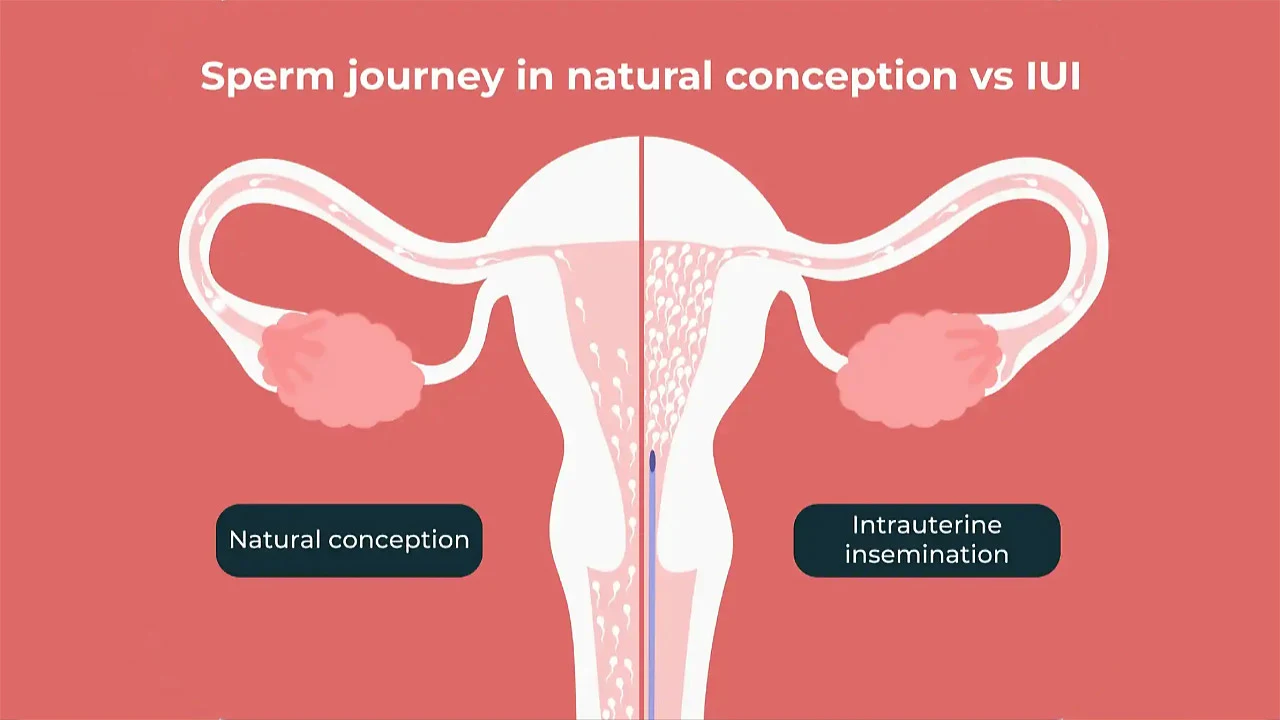
Natural cycle IUI, a fertility treatment that works with your body's natural ovulation without medications. This comprehensive guide explains the procedure, ideal candidates, step-by-step process, success rates, and benefits. Learn if this gentle approach to conception is right for your fertility journey and family-building goals.
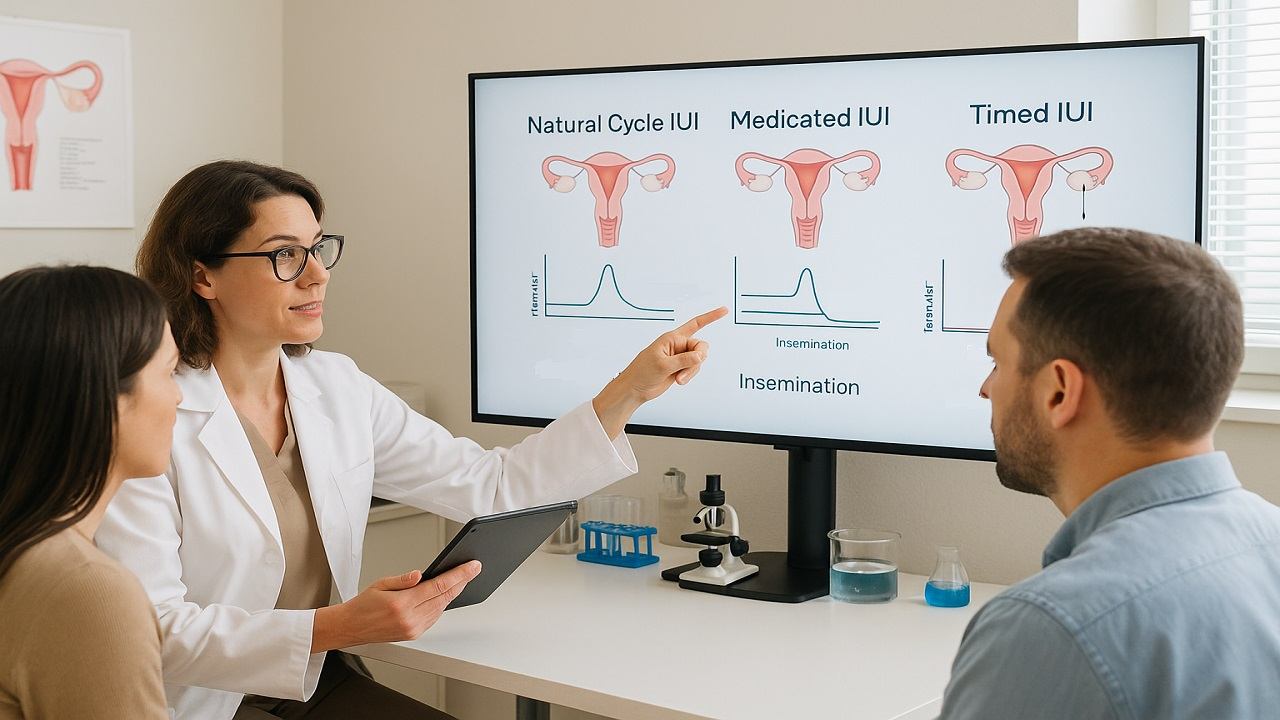
The various types of Intrauterine Insemination (IUI), including Natural, Medicated, and Timed IUI, detailing how each method works and their respective benefits. Understanding these types of IUI helps individuals and couples choose the right fertility treatment based on their specific needs and circumstances.
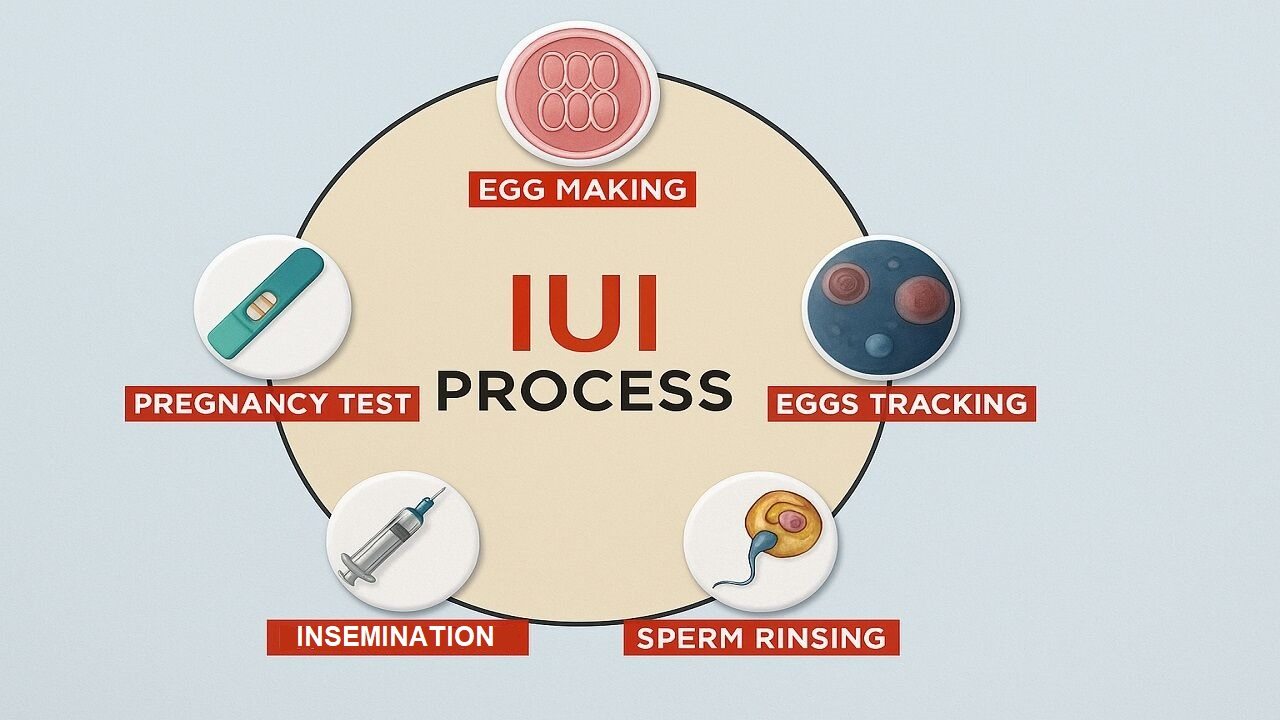
The process of Sperm Processing in Intrauterine Insemination (IUI) outlines the necessary steps, including collection, washing, and selection, to improve the quality of the sperm. Proper Sperm Processing in Intrauterine Insemination (IUI) increases the chances of successful fertilization and pregnancy, making it a vital part of the intrauterine insemination procedure.
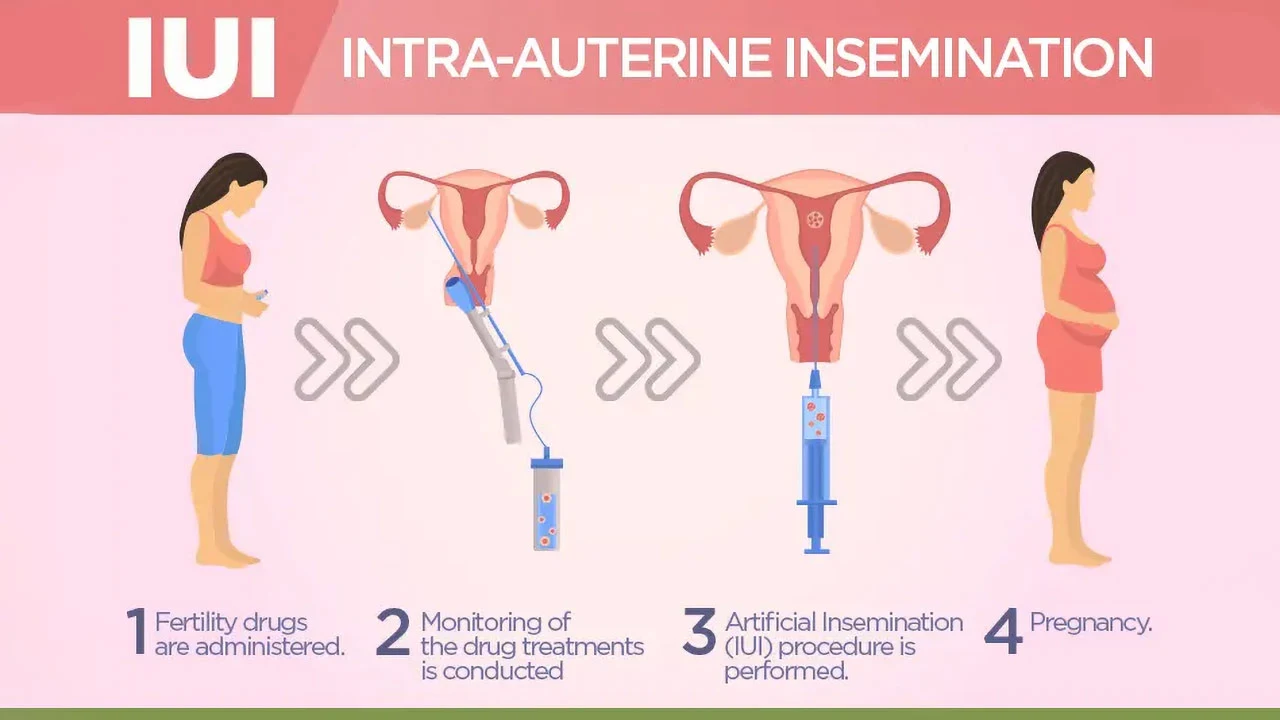
Intrauterine insemination (IUI) is a minimally invasive fertility treatment that involves placing prepared sperm directly into the uterus during ovulation. How the IUI procedure works, who may benefit, expected success rates, and what to anticipate throughout the treatment journey.

The contributions of pioneers in reproductive medicine revolutionized IUI. From artificial insemination to ovulation induction, these pioneers in reproductive medicine played a crucial role in advancing fertility treatments. Their innovations made IUI a widely used and effective solution for infertility.

The complexities surrounding the use of donor gametes, including legal considerations, anonymity, and ethical dilemmas. It highlights how the use of donor gametes raises important questions about parenthood, child rights, and family dynamics in assisted reproduction.