Home
 ArticlesArticles
The emotional depth, trust, and relationship dynamics that define the surrogacy journey. From choosing a surrogate to post-birth transitions, it reveals how human connection and empathy transform a clinical process into a profound path to parenthood.




For many intended parents (IPs), the initial phase of a surrogacy journey is a deep dive into logistics. It involves a thorough education in medical procedures, legal contracts, and financial planning. While this framework is essential, the ultimate success and fulfillment of the experience are often defined by the less tangible elements: the emotional dynamics, the interpersonal relationships, and the profound personal growth that occurs along the way.
Understanding this human architecture is what elevates the surrogacy process from a clinical pathway to a deeply meaningful, collaborative journey to building a family.
The path to surrogacy is frequently preceded by a history of infertility, loss, or medical challenges, creating a complex emotional foundation. The journey itself is characterized by a potent mix of high-stakes hope and significant anxiety.
Intended parents often find themselves navigating:
The selection of a surrogate is far more than a logistical match, it is the formation of a pivotal partnership. Beyond the requisite medical and psychological clearances, the most successful alliances are built on a foundation of shared values and compatible philosophies.
Critical alignment points to establish from the outset include:
The unique relationship between IPs and their surrogate thrives on a carefully maintained balance of open communication and clear boundaries. It is a professional collaboration wrapped in a deeply personal endeavor.
A healthy dynamic is typically fostered by:
For intended parents, the process of bonding with their child begins long before delivery. While physically removed from the pregnancy, IPs can engage in several practices to build a strong, early connection.
The birth of the child marks a joyous climax and a significant transition for everyone. A well-crafted birth plan, developed collaboratively with the surrogate, is crucial for ensuring a smooth and respectful experience in the delivery room.
Equally important is navigating the postpartum period, or "fourth trimester." This is a time of immense change as the IPs immerse themselves in newborn care while the surrogate begins her physical and emotional recovery. The nature of the relationship often evolves during this time, and maintaining open, respectful communication is key to a positive transition for all.
Ultimately, the surrogacy journey is a testament to intention, resilience, and the power of human collaboration. By thoughtfully navigating its intricate emotional and interpersonal dimensions, intended parents can ensure the path to building their family is as rewarding as the destination itself



Understanding surrogacy unveils the medical, legal, and emotional aspects of this life-changing process. From IVF procedures and surrogate selection to ethical considerations and future innovations, this comprehensive guide helps intended parents navigate surrogacy with clarity, compassion, and confidence.

Clinics emphasize psychological screening before surrogacy to evaluate mental health history, resilience, and social support, strengthening ethical practice and safeguarding outcomes for surrogates, intended parents, and babies.

Genetics and epigenetics shape surrogacy pregnancies. Genetic material stays unchanged, yet epigenetic influences from the surrogate's health, stress, and environment affect fetal development and gene expression.

Comprehensive genetic and health testing before surrogacy ensures optimal pregnancy outcomes for all parties involved through ASRM-guided screening protocols and preimplantation genetic testing.

Preimplantation genetic testing in surrogacy IVF dramatically improves embryo selection and gestational carrier safety. Learn how PGT-A reduces miscarriage rates, enhances implantation success, and enables single-embryo transfer for optimal outcomes in surrogacy cycles.
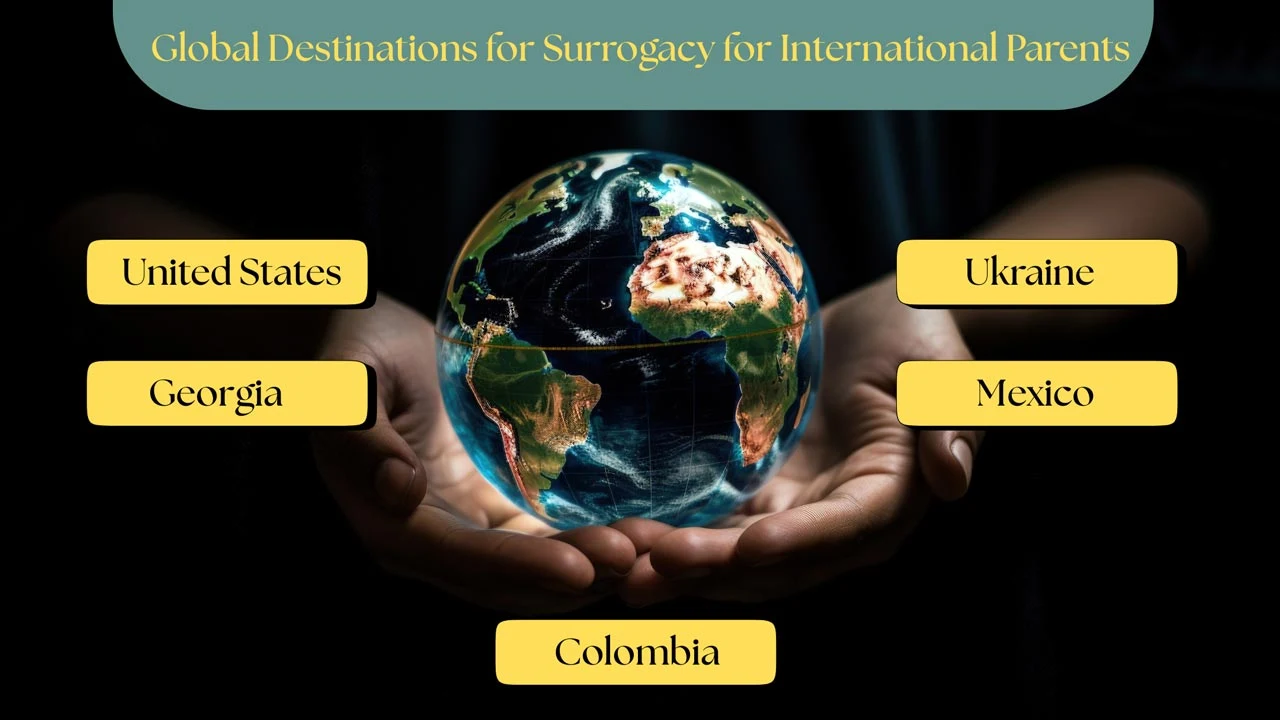
Across the world, only a few nations offer clear, secure, and legally protected pathways for international surrogacy. This guide breaks down why the U.S., Georgia, Ukraine, Mexico, and Colombia remain the most trusted destinations for foreign couples seeking safe, structured, and ethical surrogacy options.

How artificial intelligence is transforming surrogacy matching, connecting intended parents with compatible surrogates faster and more effectively through advanced algorithms and human expertise.