Home
 ArticlesArticles
Sperm cryopreservation in 2025 is shifting from basic freezing to highly advanced preservation. New methods like vitrification, safer cryoprotectants, antioxidants, and personalized multiomics greatly enhance DNA quality and function after thawing These innovations offer men stronger, more reliable fertility preservation options for future family planning.



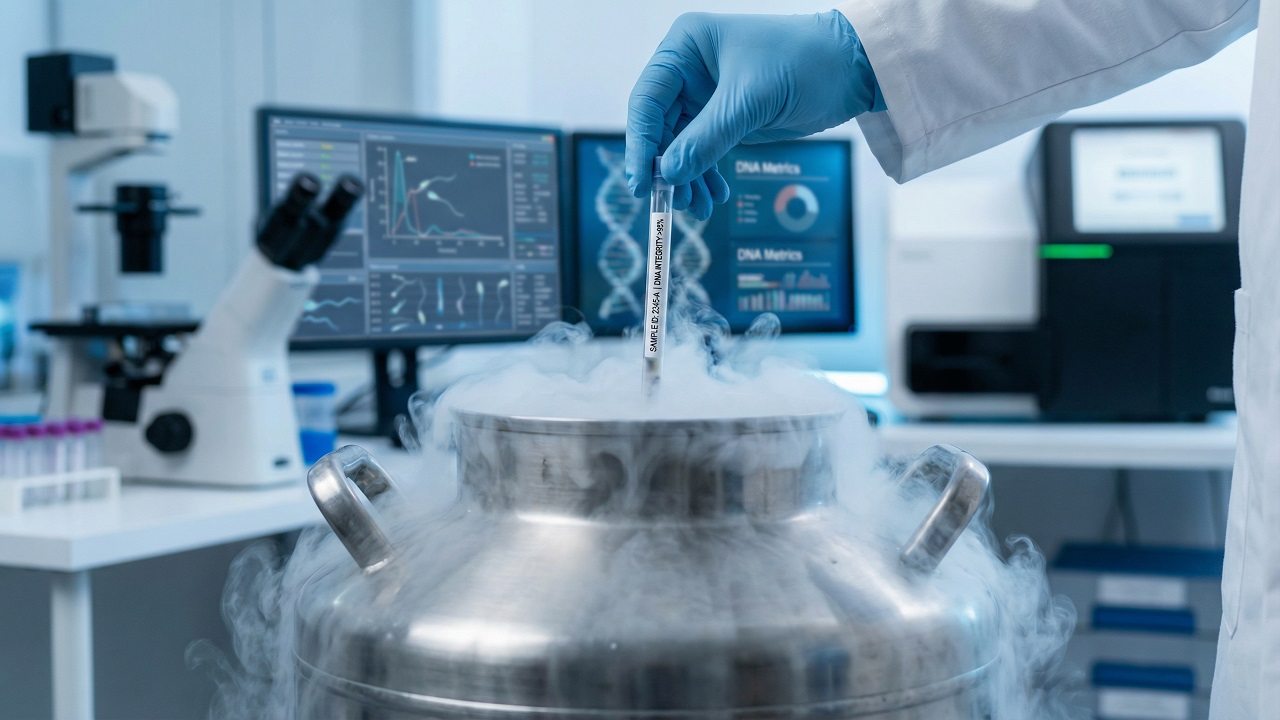
For decades, sperm cryopreservation has been the gold standard for male fertility preservation. From men facing cancer treatments to those choosing to delay parenthood, the promise has always been the same: pause time, protect potential. But let’s be honest, traditional freezing has never been gentle. Cryopreservation is not merely about cold; it is a cellular shock event. Ice crystals form like microscopic blades, tearing through membranes, while chemical protectants often harm the very cells they aim to preserve.
As we move through 2025, the narrative has matured. The goal is no longer simple survival after thawing. The goal is performance, genetic integrity, functional competence, and real reproductive outcomes. This article explores the innovative sperm cryopreservation strategies in 2025 that are rewriting the rules, prioritizing DNA health and long-term viability over outdated metrics like motility alone.
Historically, sperm cryopreservation relied on slow-freezing protocols combined with permeating cryoprotectants such as Dimethyl Sulfoxide (DMSO). While DMSO reduces ice crystal formation, its drawbacks are well documented. It is cytotoxic, capable of disrupting cell membranes, altering gene expression, and inducing cell cycle arrest.
Beyond chemical toxicity, freezing itself triggers oxidative stress. Reactive Oxygen Species (ROS) generated during cooling and thawing attack sperm DNA, increasing fragmentation rates. This creates a dangerous illusion of success: sperm may appear motile after thawing, yet carry compromised genetic material. Such damage is strongly linked to failed fertilization, poor embryo development, and early pregnancy loss.
Traditional cryopreservation often produces sperm that can swim, but cannot deliver intact genetic instructions. Modern protocols aim higher.

The image above illustrates this critical difference. Traditional methods often leave DNA fragmented (left), leading to "silent" fertility failure. Modern 2025 protocols (right) prioritize the structural integrity of the genetic code, ensuring that the sperm is not just motile but genetically competent.
The most transformative shift in sperm preservation is the move from slow freezing to vitrification. Instead of gradual cooling, vitrification uses ultra-rapid freezing that solidifies the sample into a glass-like state almost instantly. Ice crystals never form because they don’t get the chance.
This change alone has dramatically improved outcomes. Where conventional freezing typically achieves post-thaw viability rates of 40–60%, vitrification routinely exceeds 80–85%. More importantly, vitrification preserves critical structures such as the acrosome and mitochondrial apparatus, both essential for fertilization and sustained motility. Speed, it turns out, is protection.

Another quiet revolution is unfolding in cryoprotectant chemistry. Researchers are steadily moving away from toxic synthetic agents toward biologically compatible alternatives.
Amino acids like L-proline and L-carnitine help keep cell membranes stable and support the function of mitochondria, providing protection Deep eutectic solvents (DES) represent an emerging class of cryoprotectants that are less volatile, more biocompatible, and gentler during osmotic transitions. Meanwhile, non-permeating sugar polymers like trehalose form an external protective matrix, reducing dehydration and mechanical stress during freezing. The direction is clear, fewer harsh chemicals, more physiological harmony.
Oxidative stress remains one of the most damaging side effects of cryopreservation, and modern protocols now address it directly. Antioxidant-enriched freezing media have become standard in advanced labs.
Compounds such as Vitamins C and E, along with enzymatic antioxidants like Superoxide Dismutase, actively neutralize free radicals during both freezing and thawing. The result is a measurable reduction in DNA fragmentation and improved post-thaw functional integrity. Protecting sperm today means defending its DNA at every step.
Perhaps the most forward-looking advancement is the integration of multiomics into cryopreservation planning. By analyzing proteomic and metabolomic signatures before freezing, clinicians can predict how an individual’s sperm will respond to cryostress.
Biomarkers such as COL11A1 expression help identify samples that are more vulnerable to DNA damage. This enables personalized protocols adjusting cooling rates, antioxidant concentrations, and cryoprotectant selection to match the biological profile of each patient. One-size-fits-all preservation is giving way to precision fertility care.
The purpose of innovative sperm cryopreservation strategies in 2025 is straightforward: ensure that sperm frozen today can create a healthy child years, or decades, from now. By using safer biological methods instead of harmful chemicals, preventing ice from forming with vitrification, and prioritizing DNA health, sperm banking is changing from a backup option into a trustworthy way to ensure future reproduction.
For men facing medical treatments or planning ahead, fertility preservation is no longer a gamble. It is a science-backed decision, deliberate, durable, and designed for life beyond the thaw.


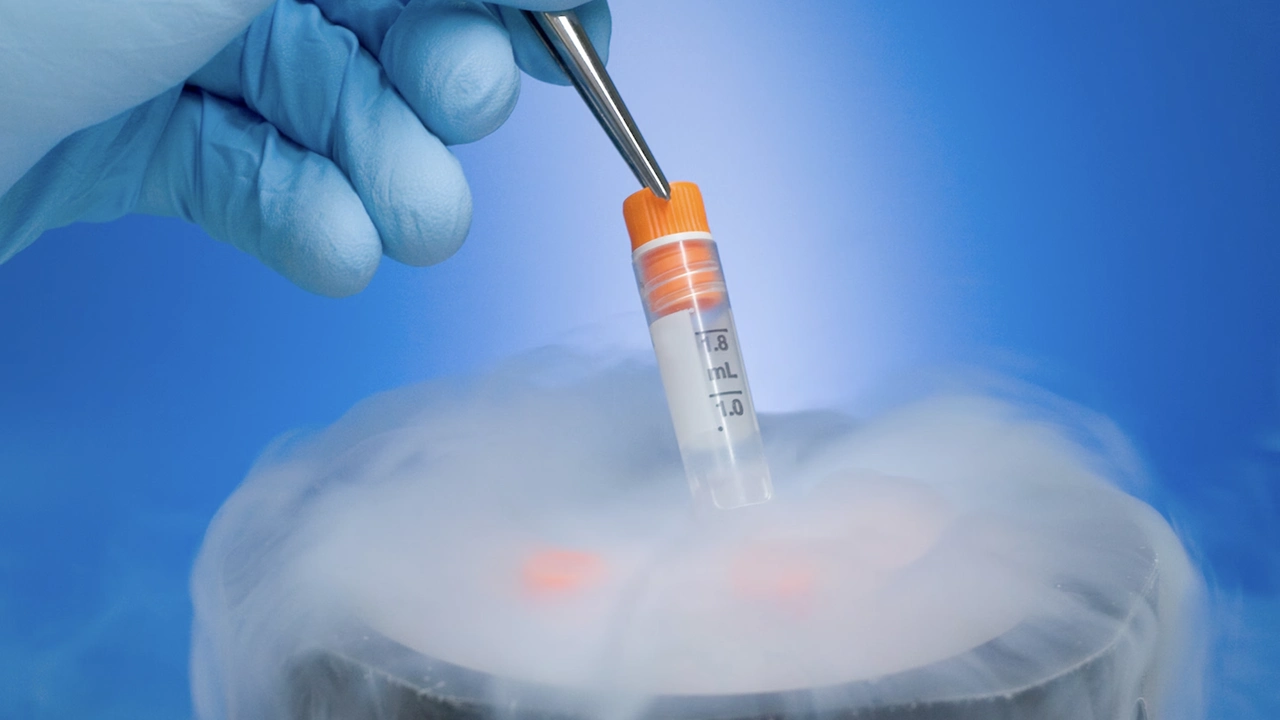
Frozen Egg Thawing survival rates average 80–90% with modern vitrification. Age at freezing is the biggest success factor, younger eggs fertilize better and develop stronger embryos. Banking 10–20 mature eggs improves live birth odds. ICSI remains the gold standard, with blastocyst transfer offering the highest implantation rates.
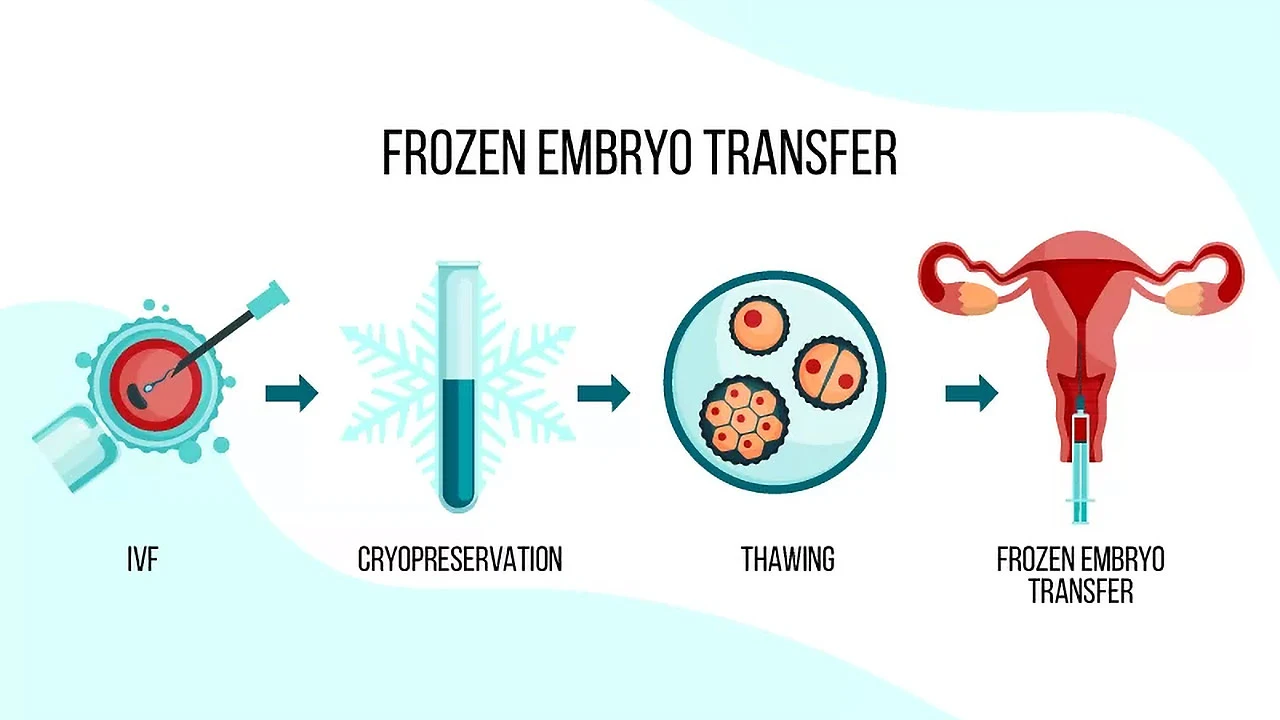
Frozen embryo transfer (FET) is a fertility procedure where previously created and frozen embryos are thawed and placed into the uterus. This comprehensive guide explains the FET process, success rates, benefits, and why it's become a preferred option for many people navigating infertility treatment and building their families.
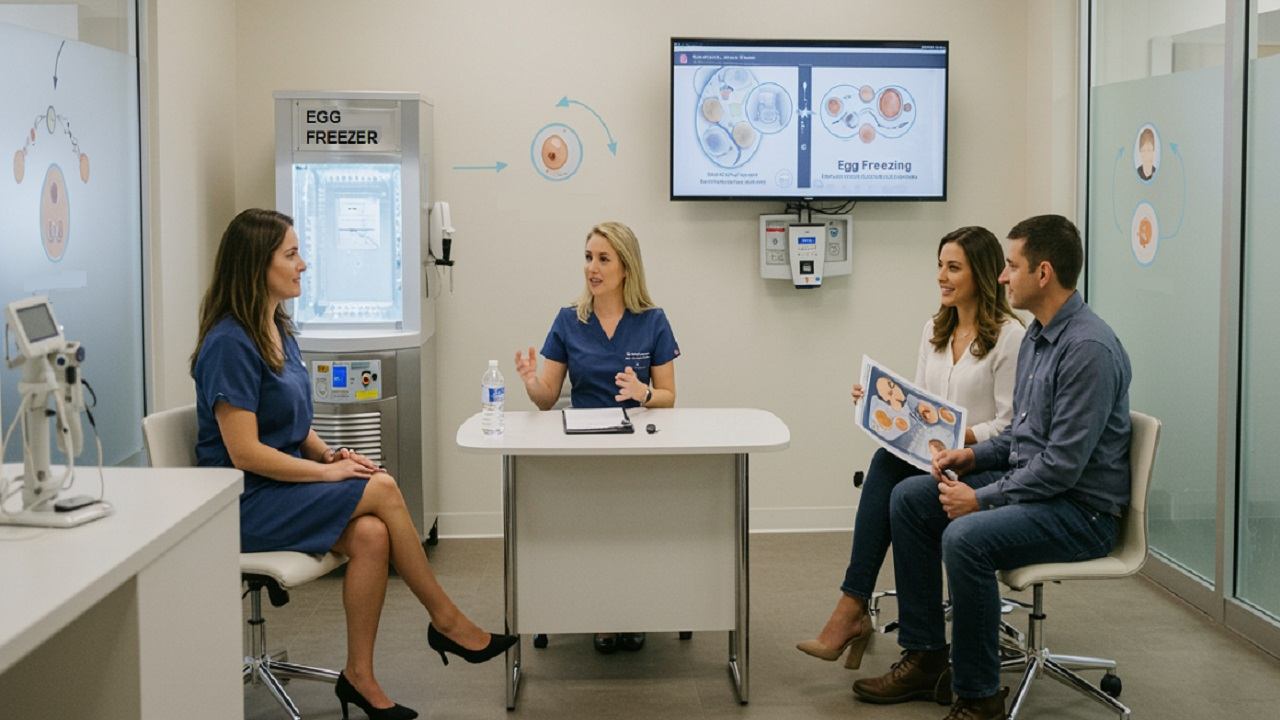
The vital role of fertility preservation and egg donation in helping women overcome reproductive challenges, allowing them to control their family planning. It highlights how these advancements in reproductive medicine enable women to preserve their fertility and access healthier eggs for future pregnancies.
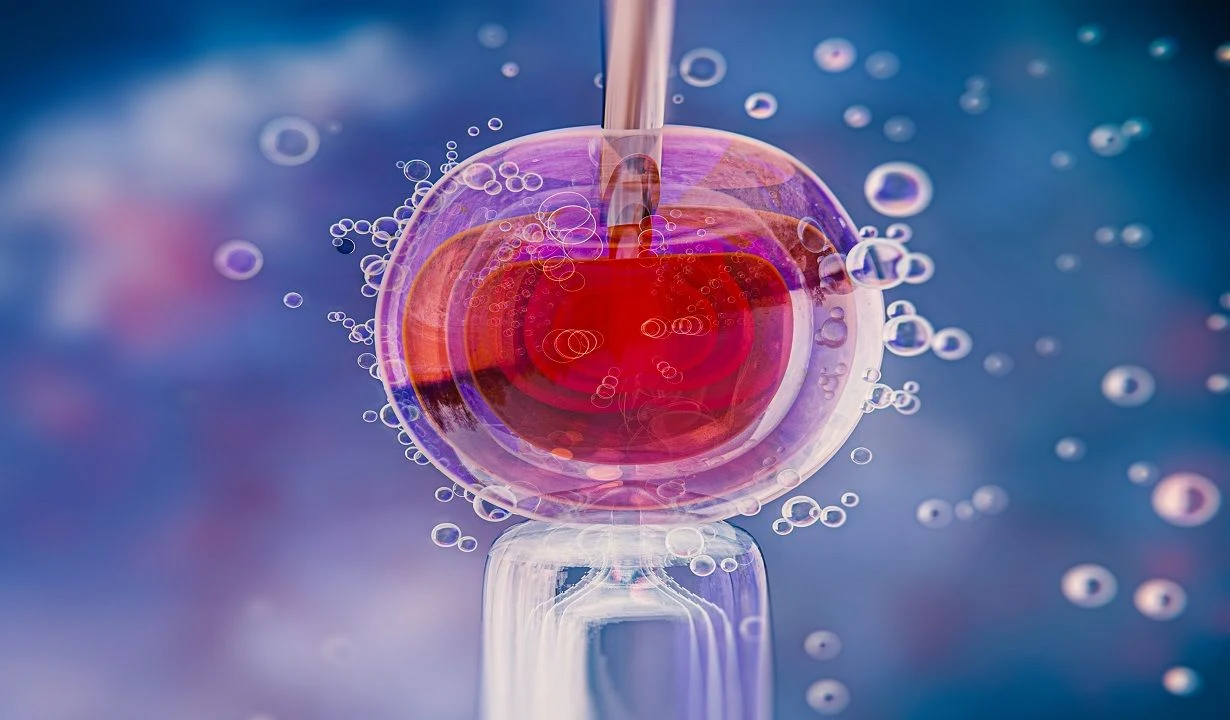
Egg freezing does not reduce natural fertility or ovarian reserve. This comprehensive guide examines how oocyte cryopreservation works, success rates by age, potential risks including OHSS, costs, and psychological benefits. Facts about preserving reproductive options while maintaining natural conception ability for career-focused and medically indicated fertility preservation.

The best age to freeze sperm and eggs depends on biology, fertility health, and personal choice. Experts recommend egg freezing before 35 and sperm freezing before 40 for stronger outcomes. Advances in technology and lifestyle factors also shape fertility preservation decisions.
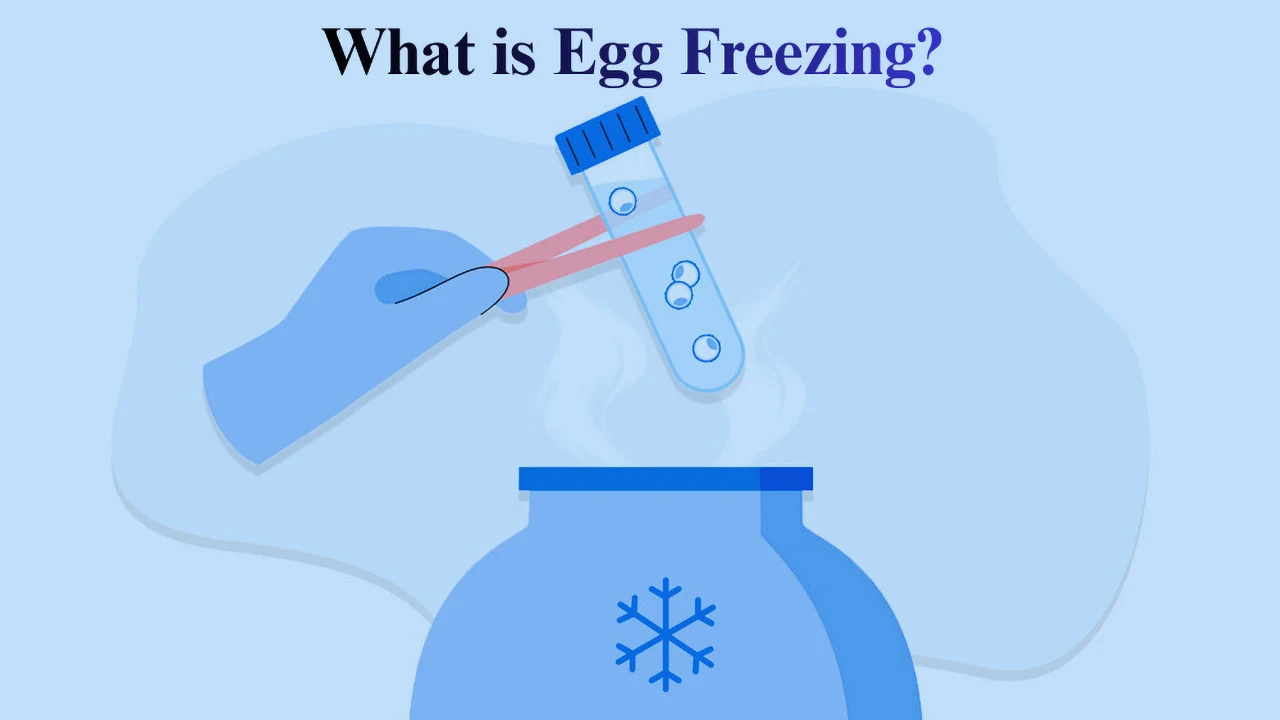
Egg freezing allows women to preserve their fertility by extracting, freezing, and storing eggs for future use. Whether postponing parenthood for career, personal reasons, or medical treatments, this comprehensive guide explains the process, costs, success rates, and who should consider this increasingly popular fertility preservation option.
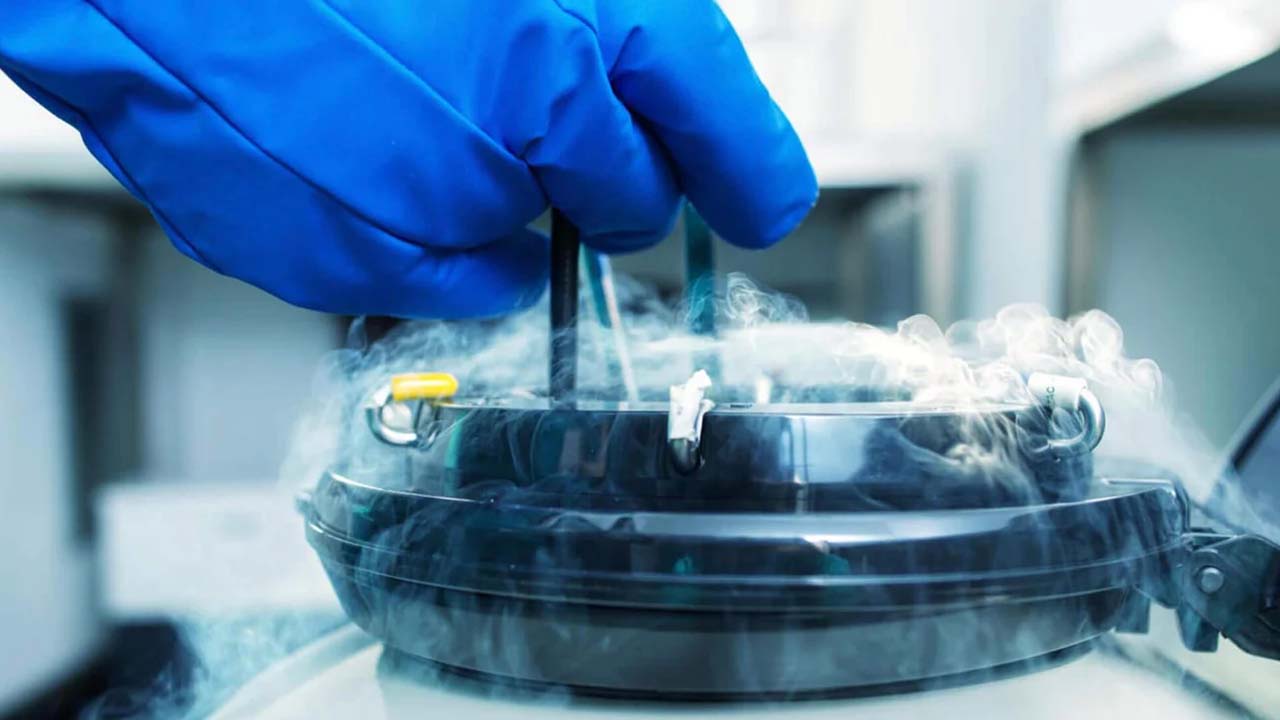
Vitrification vs slow freezing is reshaping ovarian tissue cryopreservation strategies. While slow freezing offers a proven track record, vitrification shows stronger DNA protection and stromal preservation. As fertility preservation advances, clinicians weigh tradition against innovation to improve outcomes for cancer survivors seeking future motherhood.