Home
 ArticlesArticles
Immunotherapy in restoring human fertility is emerging as a promising approach for addressing immune-related reproductive disorders. Recent clinical advances highlight its potential to improve implantation, pregnancy outcomes, and reproductive health, offering renewed hope for patients facing infertility linked to immune system dysfunction.



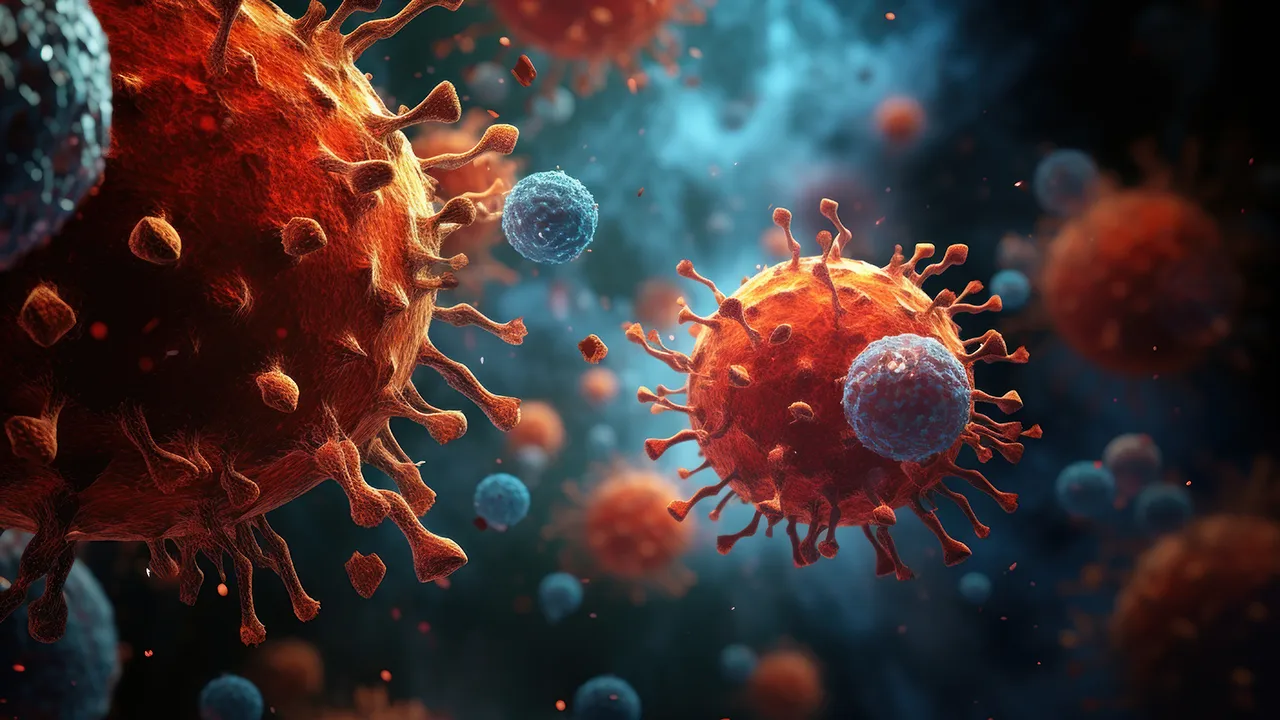
Every pregnancy depends on something remarkable, your immune system choosing not to attack. When a fertilised egg implants in the uterus, it carries genetic material from the father, material that your immune system would normally treat as foreign and destroy. The fact that pregnancies happen at all is because your body runs a sophisticated internal peace process. Specialised immune cells stand down. Protective signals are released. The embryo is allowed to survive and grow.
This balance is delicate. And when it breaks down, the result is infertility, not because of a structural problem or a hormone deficiency, but because the immune system is doing its job too well.
Immune-driven infertility shows up in several recognisable patterns:
If any of these sound familiar, immune evaluation may reveal an answer that standard fertility testing has missed.
Premature Ovarian Insufficiency (POI) – early menopause – affects around 1 in 100 women under 40. Doctors have long believed that once the ovaries stop responding, they are essentially empty. Egg donation, patients were told, was the only option.
Recent research, including studies from the Karolinska Institutet in Sweden, has challenged this completely.
Using advanced biopsy techniques, researchers found that many women diagnosed with POI still have dormant egg follicles inside their ovaries. The follicles haven't disappeared. They're being blocked by the immune system, specifically by immune cells that are attacking the ovarian tissue itself, preventing normal hormone signals from reaching the eggs.
Rituximab is a drug originally designed to treat certain blood cancers and autoimmune diseases. It works by wiping out a specific group of immune cells, the ones producing the antibodies that attack ovarian tissue.
Once those attacking cells are cleared, the ovaries can begin responding to the body's natural hormonal signals again. In select patients from pilot studies, follicles became visible on ultrasound where none had been seen before. Some went on to produce eggs. A small but significant number achieved pregnancy using their own eggs, something previously considered impossible.
Important context: These are early-stage findings. Rituximab for POI is not a standard treatment yet, and it only benefits women whose early menopause has an autoimmune cause. But it represents a genuine scientific turning point.
The uterus is home to a large population of immune cells. In a healthy pregnancy, these cells support the embryo, promoting blood vessel growth and protecting the early placenta. In some women, however, these same cells become overactive and begin attacking the implanting embryo instead.
Two main patterns drive this:
Both treatments work by calming the overactive immune cells in the uterus.
IVIG (Intravenous Immunoglobulin) is a solution made from donated human antibodies, given through a drip. It essentially floods the immune system with "calming" signals, reducing the attack on the embryo. Intralipid, a fat-based fluid also given by drip, achieves a similar result at much lower cost. Both are used before and during early pregnancy in women with elevated immune activity.
A small daily dose of prednisolone, a widely used anti-inflammatory drug, reduces local inflammation in the uterine lining. Many fertility clinics already use this routinely around embryo transfer. For women with confirmed immune overactivity, it is one of the simplest and most accessible interventions available.
This treatment exposes the mother's immune system to a small amount of the father's white blood cells before conception. The idea is to help her immune system recognise and accept paternal genetic material, rather than treating the embryo as a threat. It remains controversial in some countries but is offered at specialist centres across Europe and Asia, with encouraging results in carefully selected patients.
TNF-alpha is one of the key inflammatory proteins that can make the uterus hostile to an embryo. Drugs that block TNF-alpha, including Adalimumab, a self-injected medication, are used in specialist clinics for women with repeatedly failed IVF and confirmed high levels of this protein. Results in highly selected patients have been remarkable, though this remains an advanced and off-label intervention.
Most large medical bodies have not yet recommended these treatments as standard care. The reason is not that the treatments don't work, it's that most studies have been too small or too varied to produce the rock-solid proof that clinical guidelines require. Larger, more rigorous trials are underway. In the meantime, responsible clinics use these treatments only where objective testing confirms an immune problem.
Modern cancer immunotherapies, drugs known as checkpoint inhibitors, have saved countless lives by unleashing the immune system against tumours. But these same drugs can inadvertently trigger the immune system to attack the ovaries or testes, reducing or eliminating fertility.
This damage can be silent and delayed, appearing months after treatment ends.
Any patient about to begin cancer immunotherapy should ask their oncologist for an urgent referral to a fertility specialist before treatment starts.
Do not wait to see how treatment affects fertility. By that point, options may be significantly reduced.
You may benefit from a reproductive immune evaluation if you identify with three or more of the following:
The key tests a specialist will request include:
Suppressing the immune system is never without risk. Side effects vary by treatment but can include increased susceptibility to infection, a small risk of elevated blood sugar with steroids, and – for biologic drugs like Adalimumab, restrictions on certain vaccinations for newborns.
These risks are manageable when treatment is led by a specialist who tests first and treats second. No patient should be given immune treatment "just in case". The testing must come first.
The future of immunotherapy in restoring human fertility looks genuinely transformative:
Immunotherapy in restoring human fertility is not a last resort, it is an increasingly precise science that is giving answers to people who have long been told there are none.
If repeated loss or repeated failure has been your story, your immune system may be part of the chapter that hasn't yet been read. The right specialist, the right tests, and the right treatment could change everything.
This article is intended for educational purposes only and does not constitute medical advice. The immunological treatments described include off-label and experimental interventions. Always consult a qualified reproductive endocrinologist or reproductive immunologist before pursuing any investigation or treatment pathway described here.


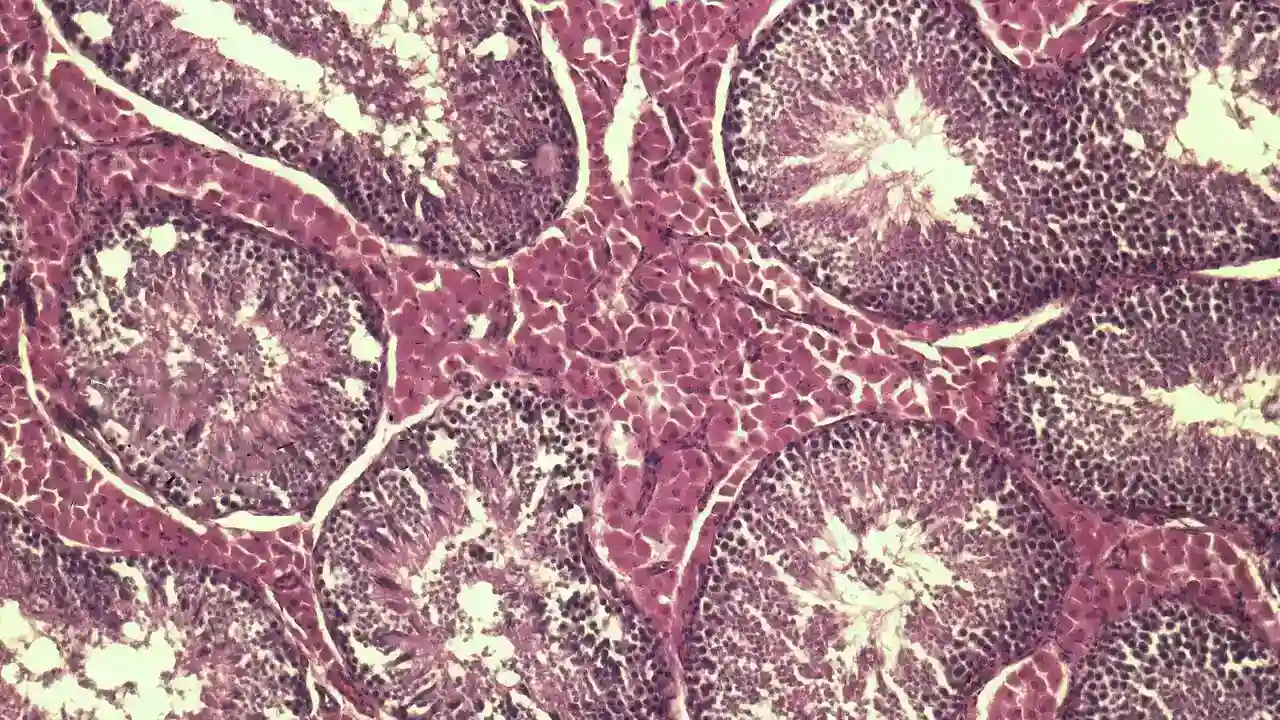
Boys treated for cancer before puberty cannot bank sperm, but freezing testicular tissue containing spermatogonial stem cells may one day restore their fertility. This article explains how the first transplants in adult survivors work, what the early research shows, the risks involved and why families should know about this option.
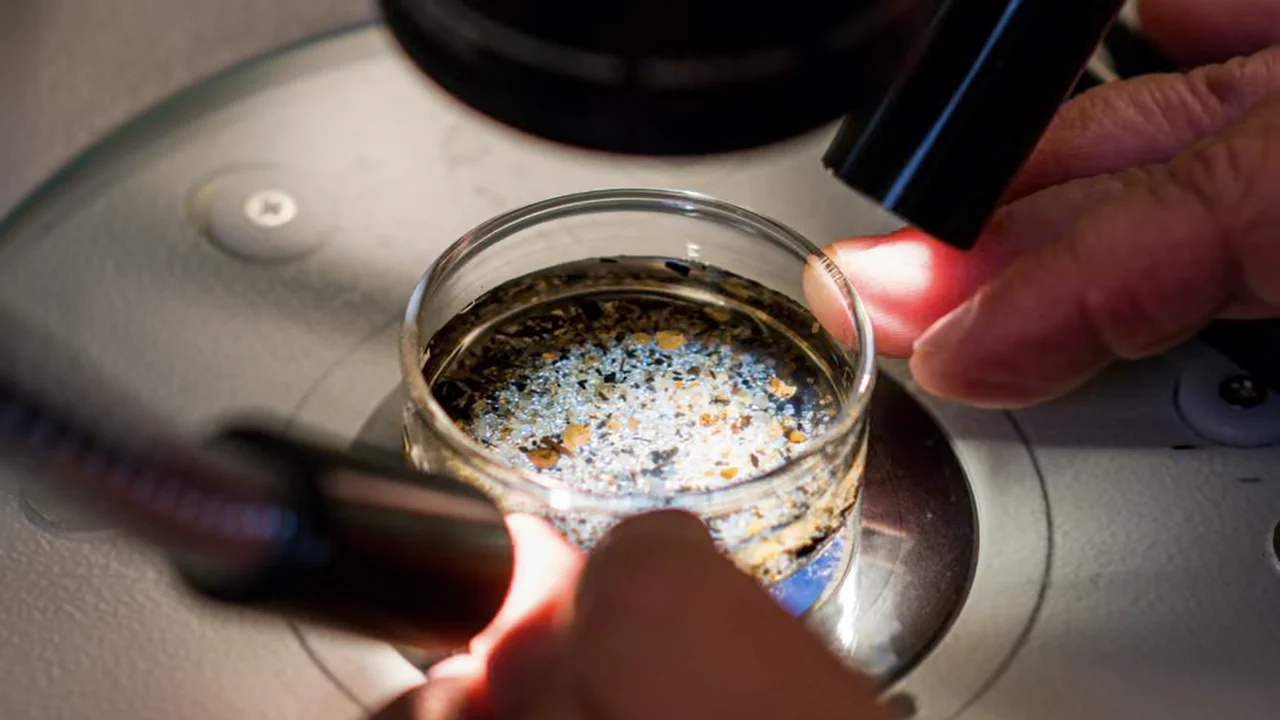
Microplastics have now been found in human follicular fluid and seminal fluid. This article explores the fast-growing body of research on microplastics and fertility, what scientists know and do not yet know about their effects on eggs and sperm, and practical, evidence-based ways that couples can reduce their everyday exposure.

Fertility conversations often focus on women, yet new research on sperm epigenetics shows a father's environment matters too. This article explains how air pollution may alter chemical marks on sperm DNA, why those changes could matter for fertility and pregnancy, and the practical steps men can reasonably consider before conception.
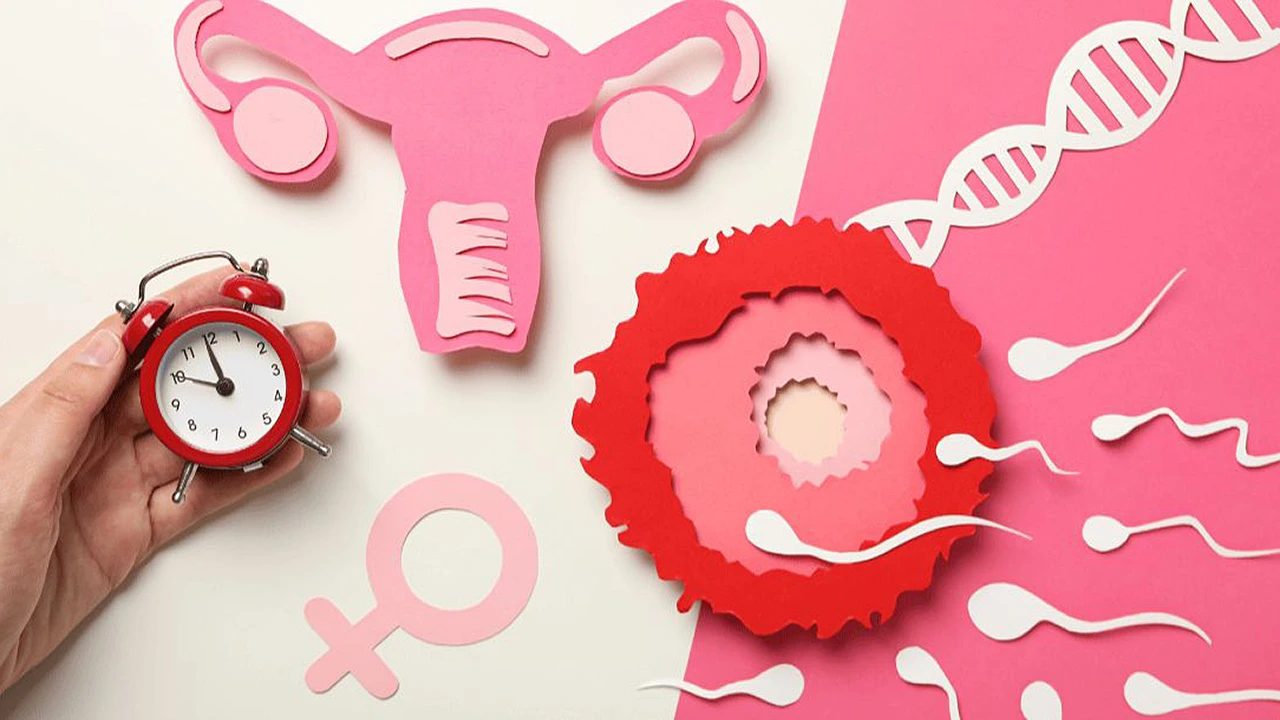
Donor eggs have long been seen as a way to reset the reproductive clock, but new research suggests uterine ageing also plays a role. This article explains what the latest evidence shows, how the ageing uterus may affect implantation and pregnancy, and how women in their late forties can prepare.
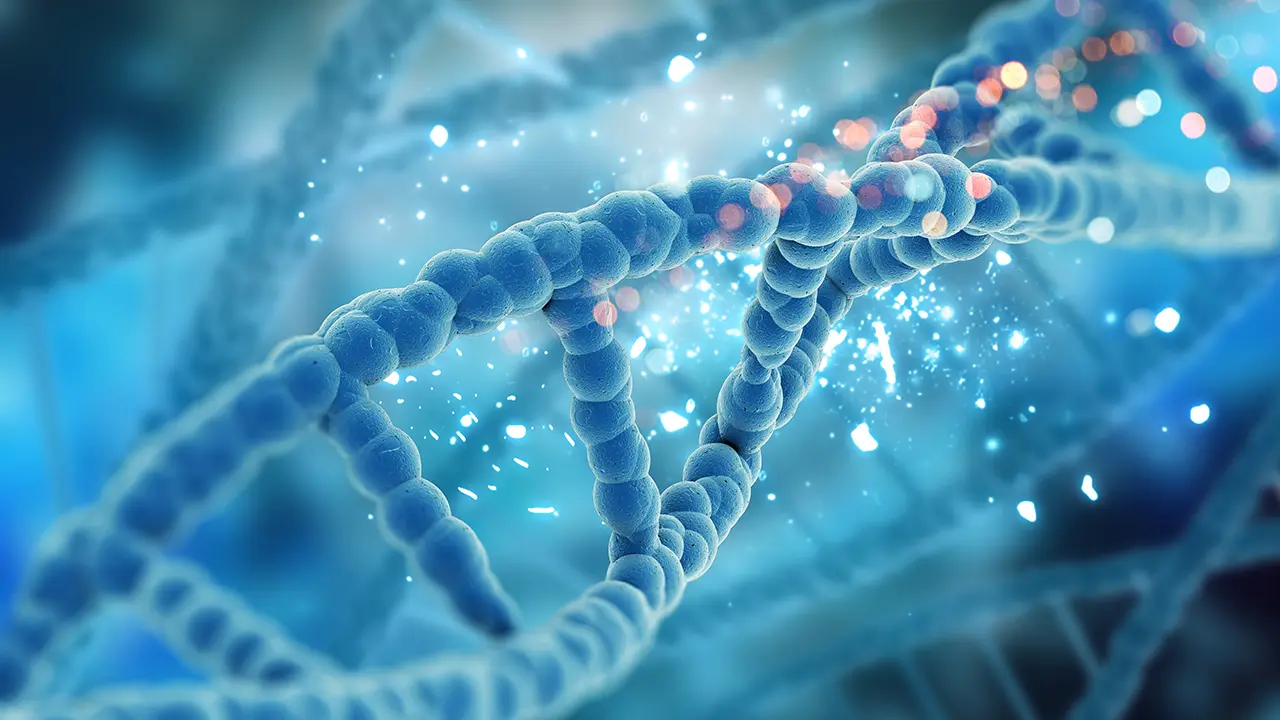
In vitro gametogenesis, the science of creating eggs and sperm from ordinary body cells, has moved from mouse studies towards human research. This article explains how the approaches work, what recent milestones really show, the obstacles that remain and why clinical use is still likely to be several years away.
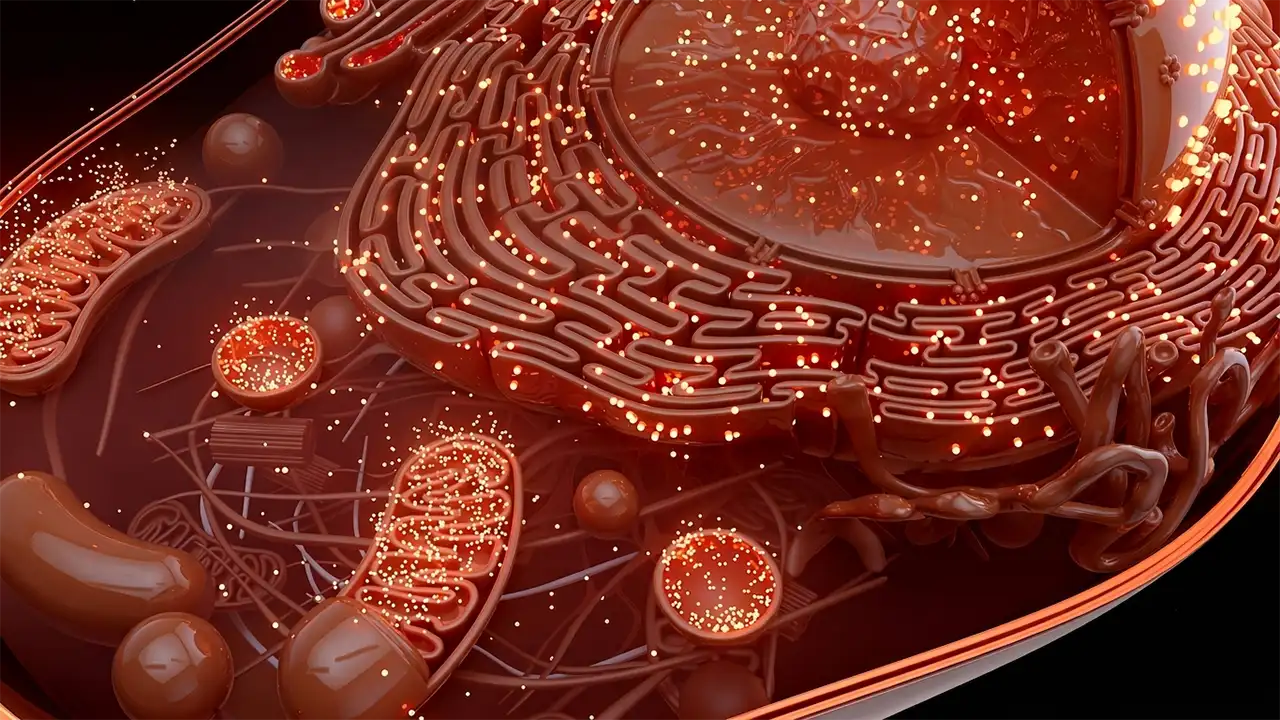
Mitochondrial donation, often called three-parent IVF, has now produced the first detailed clinical results, with healthy children born to mothers at high risk of passing on mitochondrial disease. This article explains how the technique works, who it is for, what the evidence shows and which scientific questions remain open
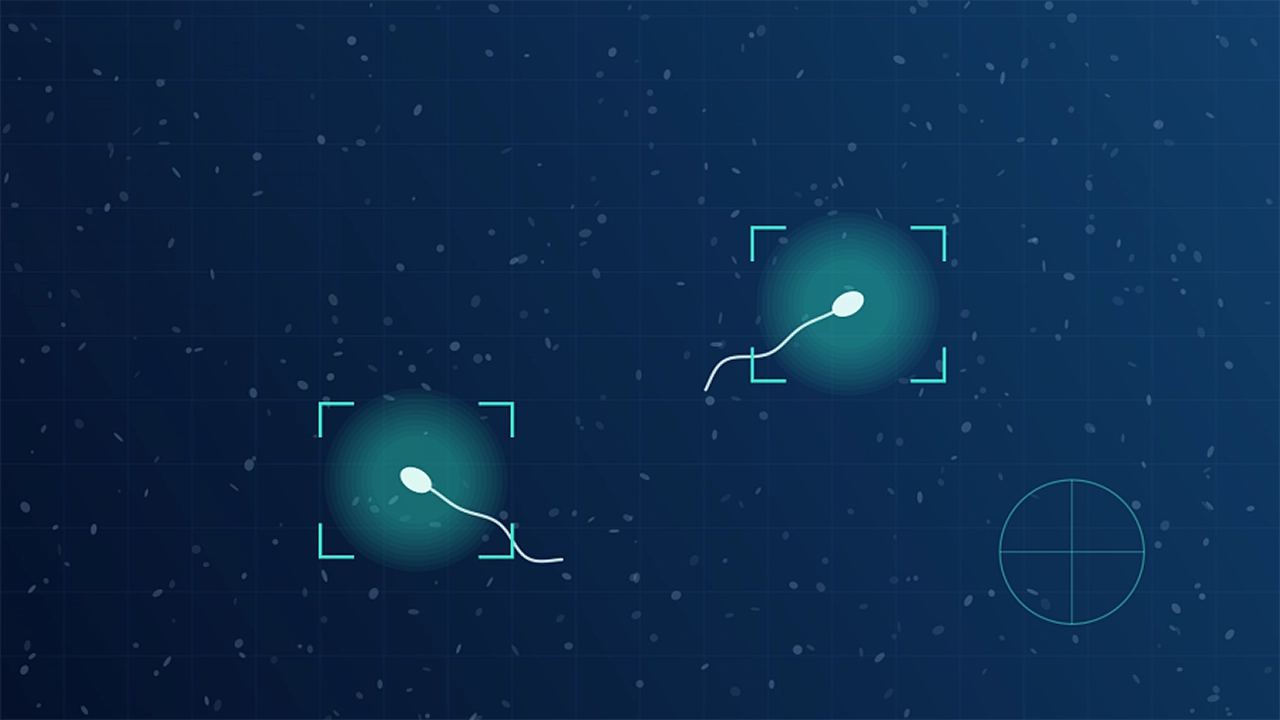
A new AI sperm recovery technique is changing the outlook for men with azoospermia. This article explains how the STAR method scans semen samples for rare hidden sperm, what its first reported pregnancy means, who may benefit, and the key questions couples should raise with their own fertility specialist.