Home
 ArticlesArticles
Vitamin D Deficiency Affect IVF outcomes by influencing endometrial receptivity, embryo quality, and hormone balance. Clinical evidence, age-specific risks, and PCOS implications, while offering actionable strategies to optimize Vitamin D levels and improve IVF success rates and pregnancy outcomes in a structured, patient-focused approach.



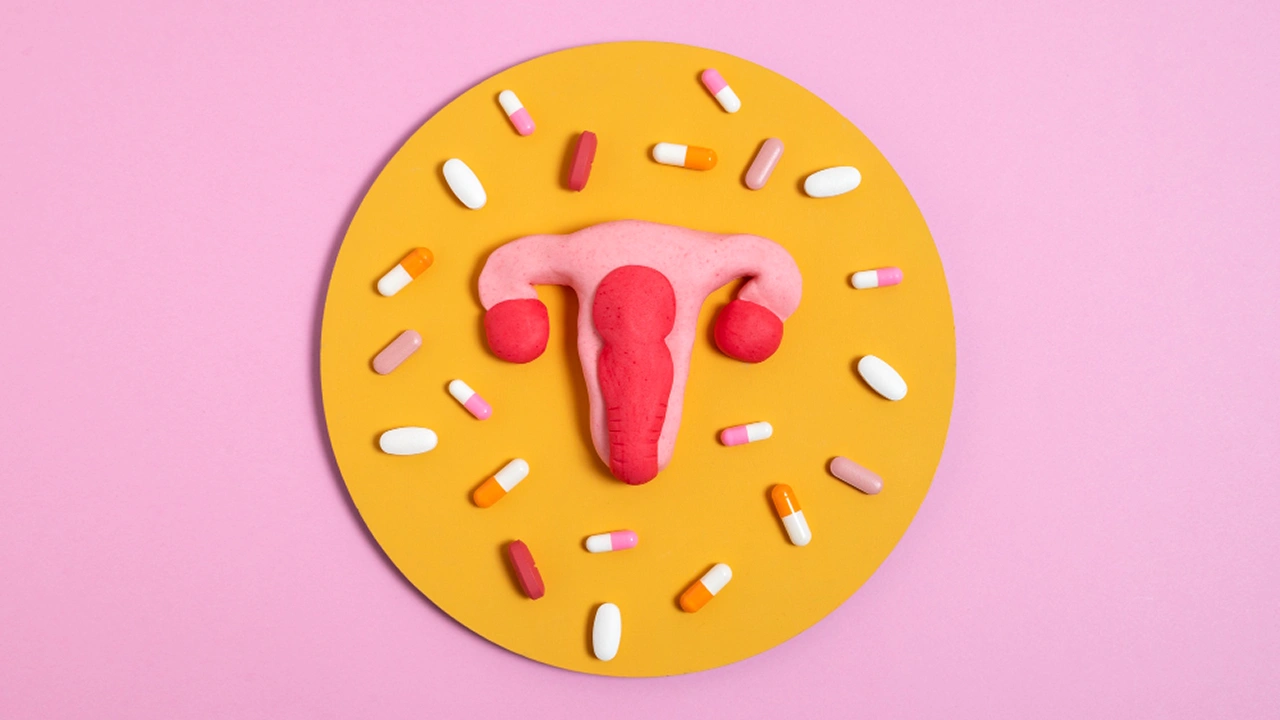
In vitro fertilization (IVF) is a deeply personal and often challenging journey for many couples seeking to grow their families. Among the countless factors evaluated before beginning an IVF cycle, one simple blood test is gaining more attention in reproductive medicine: Vitamin D.
Research consistently demonstrates that Vitamin D deficiency affect IVF success rates by influencing the body's reproductive environment. Whether you are preparing for your first cycle or trying again, understanding how this essential nutrient impacts your fertility is critical.
Below is a detailed guide designed for patients looking to maximize their chances of a successful pregnancy, complete with recommendations and scientific insights.
Vitamin D is a fat-soluble vitamin that acts much like a hormone in the body. It is vital for calcium absorption, immune function, and cell differentiation. However, in reproductive health, the uterus, placenta, and ovaries all contain specific receptors for Vitamin D. This means that your reproductive system actively relies on adequate levels of this nutrient to function optimally.
When a woman does not have enough of this vital nutrient, her reproductive environment is compromised. Large-scale clinical studies and meta-analyses suggest that women with sufficient levels of Vitamin D are significantly more likely to achieve a clinical pregnancy following IVF compared to those with insufficient or deficient levels. In fact, some research has indicated that adequate Vitamin D levels might even double the chances of conceiving during an IVF cycle when compared to women suffering from severe deficiency.
Understanding the specific mechanisms can help you see why your doctor might insist on a supplement before starting your cycle. Here is a breakdown of how Vitamin D deficiency affect IVF outcomes:

Not every patient experiences the consequences of a deficiency in the exact same way. Recent clinical trials have revealed a fascinating, yet critical, distinction regarding age.
Women aged 35 and older face significantly higher stakes. In this demographic, embryos are inherently more vulnerable due to age-related factors. As a result, they are highly sensitive to biological deficits in the uterus. Studies show that for women of advanced maternal age, Vitamin D deficiency affect IVF clinical pregnancy rates dramatically. The combination of vulnerable embryos and a non-receptive, Vitamin D-deficient uterine lining results in significantly poorer implantation and pregnancy outcomes.
Interestingly, while younger women with a deficiency also experience decreased endometrial receptivity, their clinical pregnancy outcomes do not plummet as drastically. Embryos created by younger women tend to be more resilient and possess a higher baseline quality, which often allows them to compensate for a less-than-ideal uterine environment. However, maintaining adequate Vitamin D is still highly recommended to ensure the healthiest possible pregnancy.
Women diagnosed with Polycystic Ovary Syndrome (PCOS) should also pay close attention to their levels. Vitamin D deficiency is highly common in women with PCOS, and the severity of the deficiency often correlates with the severity of PCOS symptoms. Research specifically shows that deficiency leads to lower clinical pregnancy rates in PCOS patients undergoing IVF and embryo transfers.
The good news is that if your doctor discovers a deficiency, it is one of the easiest and most cost-effective fertility issues to fix.

Preparing for IVF requires optimizing every possible factor within your control. Because we now know how significantly Vitamin D deficiency affect IVF success rates, especially for women over 35 and those with PCOS, checking your levels should be a standard part of your fertility journey. By ensuring your body has the right hormonal and nutritional environment, you are giving your future embryo the absolute best chance to implant, grow, and result in a healthy, successful pregnancy.


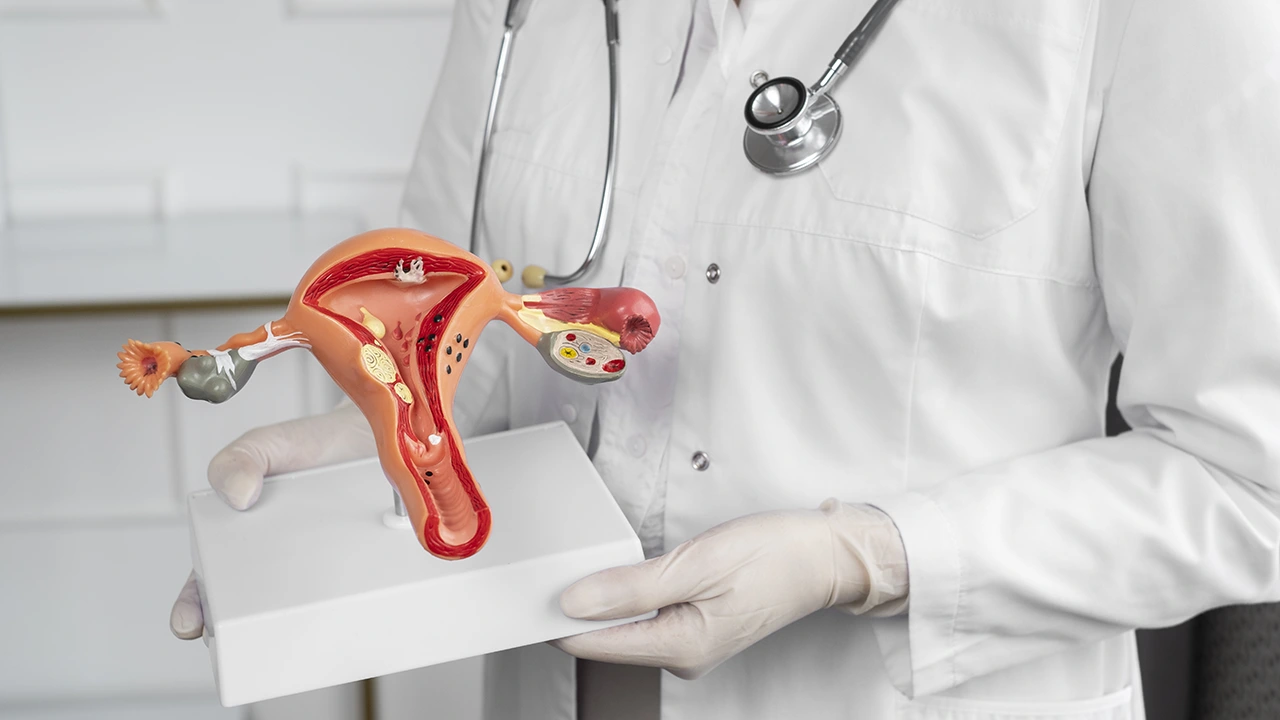
Womb transplantation is giving women with absolute uterine factor infertility the chance to carry and deliver their own child. This article explains how the process works from donor to delivery, who may be suitable, the risks involved and what recent births from living and deceased donors mean for patients.

Advanced female age causes fertility decline through reduced egg quantity, increased chromosomal abnormalities, and mitochondrial dysfunction. Understanding these biological mechanisms helps women make informed family planning decisions. Modern fertility treatments including IVF, preimplantation genetic testing, and egg freezing offer practical solutions to overcome age-related reproductive challenges when trying to conceive.
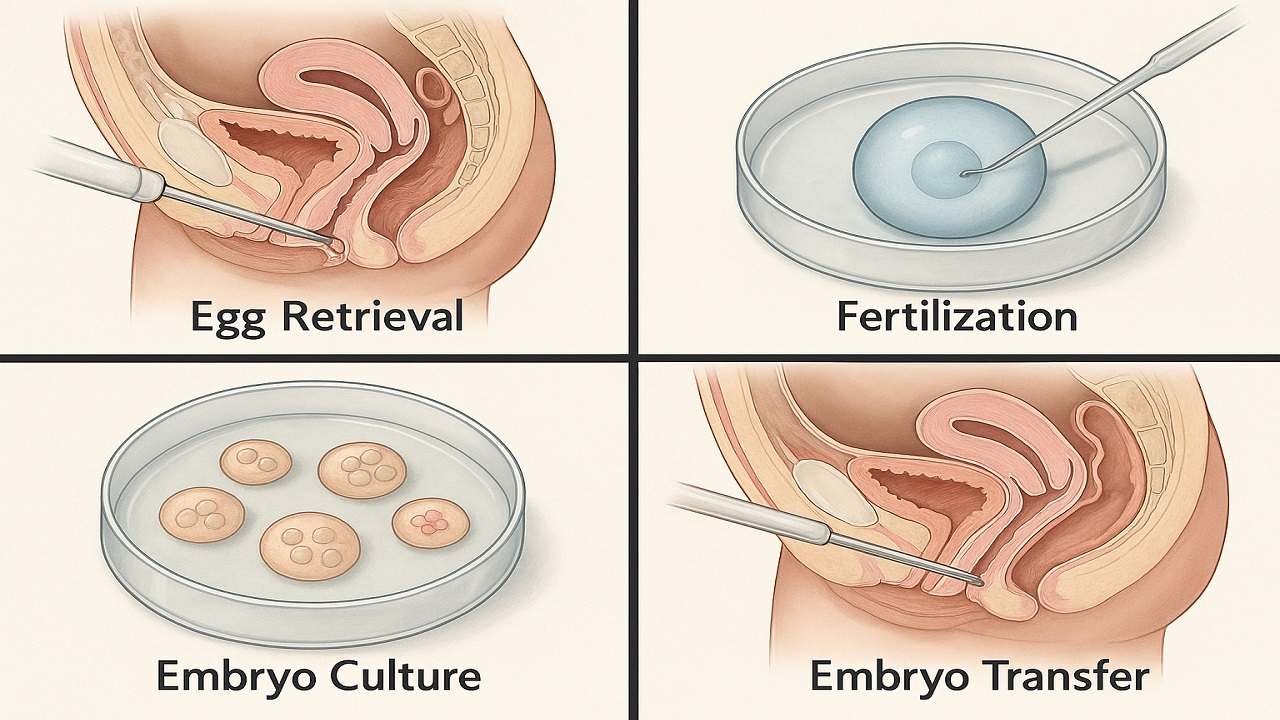
In Vitro Fertilization (IVF) process step by step, emphasising the importance of various stages such as ovarian stimulation, egg retrieval, fertilization, and embryo transfer in maximising the In Vitro Fertilization (IVF) Success Rate. It highlights how a thorough understanding of the procedure can prepare couples and individuals for their In Vitro Fertilization(IVF) journey, ultimately improving their chances of achieving a successful pregnancy.
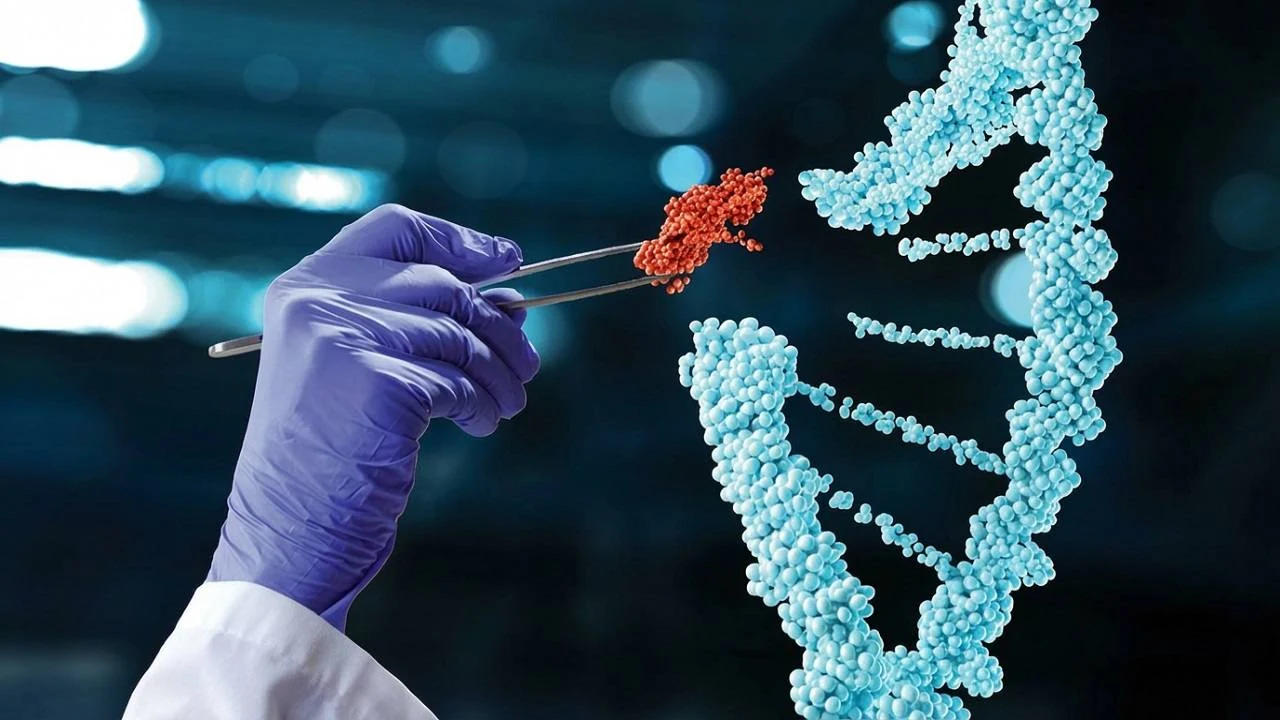
Preimplantation Genetic Testing (PGT) revolutionizes IVF by screening embryos for chromosomal abnormalities and genetic disorders before transfer. This advanced technology increases pregnancy success rates, reduces miscarriage risk, prevents inherited diseases, and shortens time to pregnancy while providing diagnostic clarity and reducing emotional stress for couples.

Clinical evidence increasingly demonstrates that emotional stress or grief reduces the chances of IVF success through sophisticated biochemical pathways that directly influence reproductive physiology. This relationship extends far beyond simple correlations, revealing profound mechanistic connections between psychological distress and the delicate orchestration of hormonal events essential for successful conception.
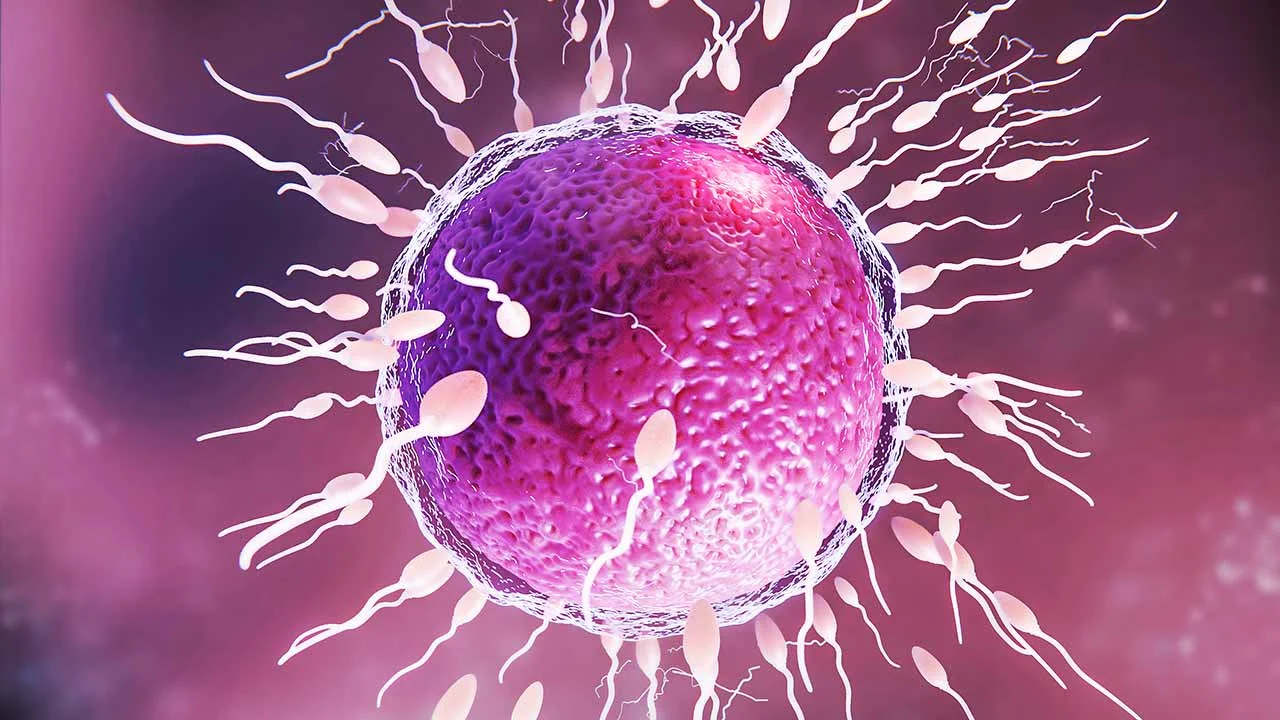
IVF in 2025 is shifting from hype to evidence-based innovation. As precision, automation, AI, and genetic advances reshape fertility care, patients must distinguish proven breakthroughs from outdated add-ons. This guide examines five groundbreaking IVF technologies in 2025 to understand which advances genuinely improve outcomes