Home
 ArticlesArticles
Assess quality when seeking low-cost fertility treatments abroad, emphasizing the importance of clinic accreditation and medical expertise. It emphasises the value of transparency in pricing and services, encouraging patients to research low-cost fertility treatments thoroughly to avoid hidden fees. Patient reviews and communication with healthcare providers are crucial factors in ensuring a positive experience and successful outcomes in fertility tourism.




Over the last few years, more individuals, especially couples, have opted for fertility tourism, coming up with affordable lines for treatment in countries where IVF, egg/sperm donation, and other fertility treatments are much more reasonable than in their own country. By opting for cheaper treatments abroad without sacrificing the quality of care, couples can make fertility procedures more affordable, accessible, successful, and safe. Steps you need to take to ensure your treatment is up to international standards, including choosing the right clinic and knowing the risks and the credentials of your healthcare provider.

If you're considering a fertility clinic abroad, be sure to see whether it has been accredited by recognised international organisations. Accreditations verify that the clinic follows the established standards and best practices in healthcare. Here are some examples of global accreditation organizations:
Accreditations have been delivered after an independent review of the clinics to make sure they meet quality criteria. Make sure to verify that the clinic you’re considering has these certifications, and don’t hesitate to ask for proof.
One of the most important factors affecting the success of fertility treatments is the experience and qualifications of the medical staff. If you do choose low-cost fertility treatment in a foreign country, the experience of the fertility specialists working with you is crucial. Here’s how to judge their qualifications:
If the clinic lacks clarity or provides no information about the doctors' experience or success rates, it could raise concerns.
Try to find a broker with the same pricing and services as others, at least for the first transaction.
Cost savings are high on the list of reasons people choose to have treatments abroad. But you will need to make sure that the clinic offers clear pricing upfront and does not add any hidden fees or surprise costs. Low prices are great, but additional fees can ramp up quickly.
Extremely low prices should be avoided as they could indicate cost-cutting or subpar care. Make sure to clarify the details upfront.
Despite being afraid of choosing a clinic outside of the US, the patient feedback is one of the most important aspects of how to evaluate a clinic abroad. While reviews should not be the sole factor in decision-making, they can provide valuable insights into the patient experience, treatment success, and clinic reputation.
It’s also advisable to ask the clinic for quality references from previous patients that have undergone similar procedures so you can get an honest opinion on the experience overall.
Communication is key during fertility treatments, and patients need to be able to ask questions, grasp what their treatment plans involve, and keep in touch with their medical team at each stage of the journey. If you seek treatment abroad, see to it that there will not be any language barrier preventing you from communicating clearly with the doctors and staff.
If you're in a place where English isn't the primary language, hire a translator or download translation apps to help with the language barrier. Some clinics will even provide virtual consultation before your trip.
Most of the quality treatment centers are known to invest in the latest types of reproductive equipment and state-of-the-art facilities meant to facilitate successful treatments. For concerns regarding a medical clinic abroad, consider the following:
Finally, understanding the law and ethics surrounding assisted reproduction in the country where you seek fertility treatment abroad is also very critical. Some nations set relatively few restrictions on egg and sperm donation, surrogacy, and embryo handling. Ensure that the clinic adheres to ethical standards and that you comprehend the legal implications of your treatment.
Seeking low-cost fertility treatments overseas can be a great way to make reproductive care more affordable, but it’s worth doing your due diligence to help ensure you get a high-quality treatment. This approach can be achieved by researching clinic accreditations, evaluating the experience of doctors, searching for transparent pricing, checking patient reviews, and considering ethical and legal aspects. Again, keep in mind that the intention is not to cut corners but rather to do thorough research and find a clinic that has a good reputation, provides excellent service, and ensures a high success rate per procedure.



Womb transplantation is giving women with absolute uterine factor infertility the chance to carry and deliver their own child. This article explains how the process works from donor to delivery, who may be suitable, the risks involved and what recent births from living and deceased donors mean for patients.

Advanced female age causes fertility decline through reduced egg quantity, increased chromosomal abnormalities, and mitochondrial dysfunction. Understanding these biological mechanisms helps women make informed family planning decisions. Modern fertility treatments including IVF, preimplantation genetic testing, and egg freezing offer practical solutions to overcome age-related reproductive challenges when trying to conceive.
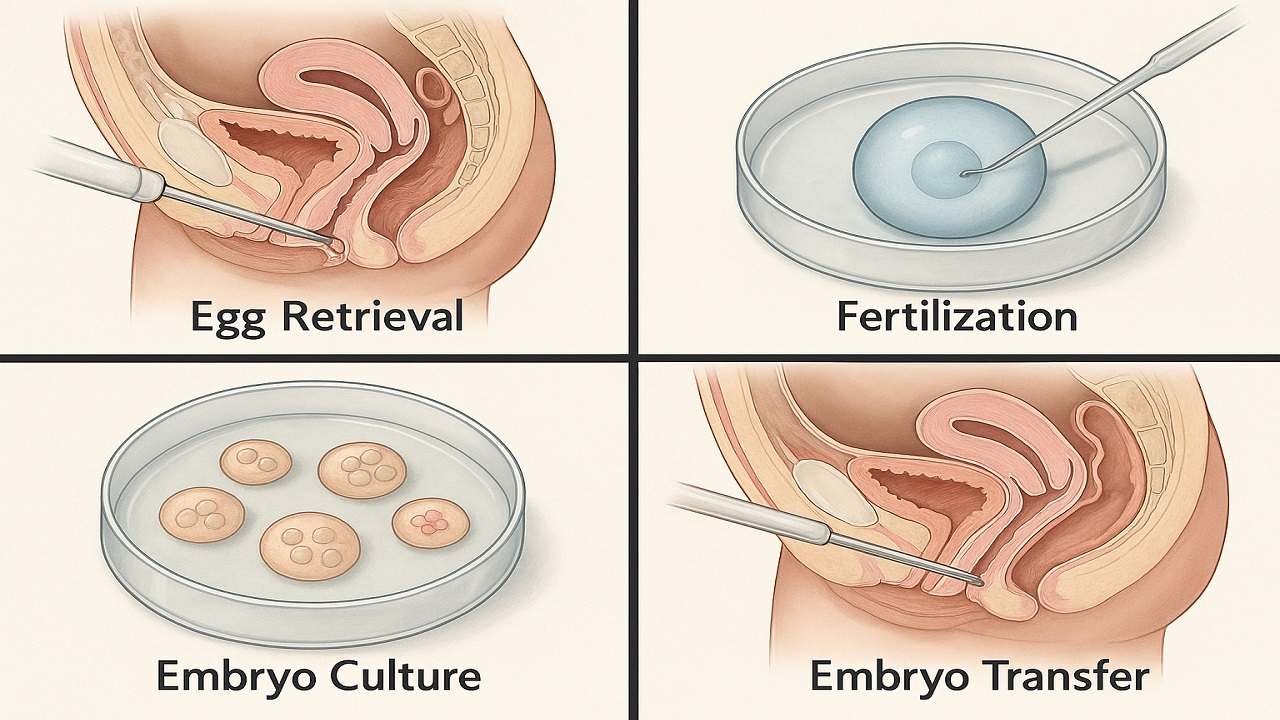
In Vitro Fertilization (IVF) process step by step, emphasising the importance of various stages such as ovarian stimulation, egg retrieval, fertilization, and embryo transfer in maximising the In Vitro Fertilization (IVF) Success Rate. It highlights how a thorough understanding of the procedure can prepare couples and individuals for their In Vitro Fertilization(IVF) journey, ultimately improving their chances of achieving a successful pregnancy.

Vitamin D Deficiency Affect IVF outcomes by influencing endometrial receptivity, embryo quality, and hormone balance. Clinical evidence, age-specific risks, and PCOS implications, while offering actionable strategies to optimize Vitamin D levels and improve IVF success rates and pregnancy outcomes in a structured, patient-focused approach.

Preimplantation Genetic Testing (PGT) revolutionizes IVF by screening embryos for chromosomal abnormalities and genetic disorders before transfer. This advanced technology increases pregnancy success rates, reduces miscarriage risk, prevents inherited diseases, and shortens time to pregnancy while providing diagnostic clarity and reducing emotional stress for couples.

Clinical evidence increasingly demonstrates that emotional stress or grief reduces the chances of IVF success through sophisticated biochemical pathways that directly influence reproductive physiology. This relationship extends far beyond simple correlations, revealing profound mechanistic connections between psychological distress and the delicate orchestration of hormonal events essential for successful conception.

IVF in 2025 is shifting from hype to evidence-based innovation. As precision, automation, AI, and genetic advances reshape fertility care, patients must distinguish proven breakthroughs from outdated add-ons. This guide examines five groundbreaking IVF technologies in 2025 to understand which advances genuinely improve outcomes