Home
 ArticlesArticles
Sexually transmitted diseases silently threaten fertility in both men and women through mechanisms like pelvic inflammatory disease, tubal scarring, and sperm damage. Most infections remain asymptomatic, causing irreversible reproductive harm before detection. Understanding these pathways and prioritizing early screening are essential for preserving future fertility and family-building possibilities.




The impact of sexually transmitted diseases on reproductive health represents one of the most significant yet preventable threats to fertility in both males and females today. While many couples understand the emotional and financial challenges of infertility, few recognize that untreated infections acquired through sexual contact can silently compromise reproductive function without any warning signs. This comprehensive exploration examines the biological mechanisms through which these infections damage fertility, why early detection is critical, and how understanding these pathways can guide prevention strategies.

One of the most challenging aspects of STD-related infertility is the silent nature of many infections. Approximately 70 to 85 percent of women with chlamydia experience absolutely no symptoms, making early detection nearly impossible without proactive screening. In men, roughly 50 percent of chlamydia infections remain asymptomatic. This absence of warning signs means individuals unknowingly harbor bacteria in their reproductive tract for months or even years, allowing progressive damage to accumulate.
The deceptive aspect of asymptomatic infection is particularly troubling because damage occurs gradually and continuously during the infection period. Many women only discover they have been infected when they encounter difficulty conceiving or experience complications related to tubal scarring. By this point, irreversible structural damage has often already occurred.
Research indicates that chlamydia infections can persist untreated for an average of 2.84 years in men and varying periods in women, with some infections clearing slowly over extended timeframes. During this extended period of silence, the bacteria ascend through the reproductive tract, causing inflammation and tissue destruction that accumulates steadily.

Pelvic inflammatory disease
The primary mechanism through which STDs damage female fertility begins with bacteria at the cervix ascending upward into the upper reproductive tract. Chlamydia trachomatis and Neisseria gonorrhoeae are responsible for approximately 75 to 90 percent of pelvic inflammatory disease cases globally. Once these organisms reach the fallopian tubes, uterus, and surrounding pelvic structures, they trigger a cascade of inflammatory responses.
The body's immune system attempts to fight the infection, but in doing so, creates significant collateral damage to the delicate reproductive structures. This inflammatory process sets the stage for the development of pelvic inflammatory disease, a condition that affects the upper female reproductive tract, including the uterus, fallopian tubes, and ovaries.
When untreated chlamydia progresses to pelvic inflammatory disease, approximately 10 to 15 percent of infected women develop this serious complication. The consequences are profound. The inflammatory process triggers the formation of scar tissue within the fallopian tubes. Unlike normal tissue, scar tissue is rigid and inelastic, creating mechanical blockages that prevent the natural passage of eggs downward toward the uterus.
More significantly, the infection damages and destroys the ciliated epithelial cells that line the inner surface of the fallopian tubes. These microscopic hair-like structures normally beat in synchronized waves, propelling the egg through the tube toward the uterus. When infection destroys these cells, the tube loses its ability to transport the egg effectively. The combination of scarring and ciliary damage creates an environment where successful natural conception becomes extremely difficult or impossible.
The statistics are sobering: approximately 50 percent of women with tubal factor infertility show evidence of previous chlamydia infection. After three episodes of pelvic inflammatory disease, more than 50 percent of women experience tubal dysfunction. The infertility risk escalates with both the severity of the initial infection and the number of recurrent episodes.
One of the most dangerous complications arising from STD-related tubal damage is ectopic pregnancy. When scar tissue partially blocks the fallopian tube rather than completely occluding it, the fertilized egg can become implanted in the tube itself rather than reaching the uterus. An ectopic pregnancy cannot develop normally and represents a life-threatening emergency requiring immediate medical intervention.
The risk of ectopic pregnancy following pelvic inflammatory disease is approximately 7 times higher than in women without prior infection. Studies demonstrate that about 9 percent of women with a history of PID who become pregnant experience an ectopic pregnancy, compared to 1.4 percent in the general population. The tragedy deepens because even when an ectopic pregnancy is treated, only about 50 percent of affected women successfully achieve future pregnancies, and approximately 20 percent experience recurrent ectopic pregnancy.
Beyond infertility and ectopic pregnancy, untreated STDs lead to chronic pelvic pain in approximately 40 percent of women following PID. The scarring and adhesions that form during the inflammatory process create physical restrictions and contractility issues that cause persistent discomfort during intercourse and throughout the menstrual cycle. This chronic pain can persist for months or years, significantly affecting quality of life and sexual function.
Additionally, infection can lead to the formation of tubo-ovarian abscesses localized collections of pus within the reproductive organs that further compromise ovarian function and may require surgical intervention.

The male reproductive system's vulnerability to STD-related damage centers on several interconnected mechanisms. When chlamydia or gonorrhea infections occur in men, they typically manifest as urethritis or epididymitis inflammation of the urethra or epididymis, the coiled tube that stores and matures sperm.
During infection, the inflammatory response generates excessive reactive oxygen species, commonly called free radicals. These highly unstable molecules attack sperm membranes through a process called lipid peroxidation, damaging the protective outer layer of sperm cells. The inflammatory cascade also recruits white blood cells to the reproductive tract, a condition called leukocytospermia. While white cells attempt to neutralize pathogens, they simultaneously produce additional free radicals that damage surrounding sperm.
The combined effect of this inflammatory environment is multifaceted damage to sperm function. Sperm motility the ability to move forward through the female reproductive tract becomes significantly reduced. Sperm concentration decreases as the inflammatory process impairs spermatogenesis, the process of sperm production within the testicles. Additionally, the percentage of morphologically normal sperm decreases, meaning increasing proportions of malformed sperm incapable of successful fertilization.
Perhaps the most serious consequence of STD-related male infertility involves damage to sperm DNA itself. Oxidative stress from infection induces single-strand and double-strand breaks in the DNA contained within sperm cells. Unlike somatic cells, which possess multiple DNA repair mechanisms, sperm have only one active DNA repair enzyme, making them exceptionally vulnerable to accumulating genetic damage.
When sperm DNA becomes fragmented, the ability to fertilize an egg becomes severely compromised. Even if fertilization occurs, fragmented DNA can result in chromosomal abnormalities and increased miscarriage risk. Research shows that bacterial infections significantly increase sperm DNA fragmentation compared to non-infected samples, with the extent of fragmentation directly correlating with the presence of white blood cells in semen.
In more severe cases, untreated gonorrhea or chlamydia causes scarring within the reproductive tract structures themselves. This scarring can create strictures narrowed passages within the epididymis, vas deferens, or urethra. In extreme cases, this obstruction becomes complete, preventing sperm from being ejaculated at all. This condition, called obstructive azoospermia, results in the complete absence of sperm in the ejaculate despite normal sperm production within the testicles.

Frontiers | Inflammation of the male reproductive system
The timing of antibiotic intervention profoundly influences fertility outcomes. First-line antibiotics such as azithromycin for chlamydia and ceftriaxone for gonorrhea are highly effective at eliminating the bacterial infection when administered early. However, antibiotics cannot reverse structural damage that has already occurred.
The distinction is crucial: antibiotics stop progression and prevent further damage, but they cannot restore scarred fallopian tubes to normal function or reverse destroyed ciliary cells. Therefore, the window for preventing permanent damage is limited once scar tissue forms and ciliary cells are destroyed, antibiotics cannot undo these changes.
This reality underscores why early detection through screening prevents catastrophic fertility consequences. A woman treated for chlamydia within weeks of infection may preserve completely normal fertility. The same woman, if the infection goes undetected for months, may face permanent fertility compromise despite eventually receiving effective antibiotic treatment.
Regular sexual health screening, particularly for asymptomatic infections, becomes the most effective fertility preservation strategy. Screening is especially important during preconception counseling when couples are actively planning pregnancy. Test-of-cure protocols following treatment retesting at appropriate intervals ensure successful treatment and reduce reinfection risk.
Partner notification and simultaneous treatment are equally critical. When only one partner receives treatment while the other remains infected, reinfection occurs immediately upon resuming sexual activity. This perpetuates the cycle of infection and ongoing reproductive damage.
Beyond the classic chlamydia and gonorrhea, other organisms increasingly recognized as threats to fertility include Mycoplasma genitalium, a pathogen that causes similar pelvic inflammatory disease complications in women and urethral inflammation in men, with potential for permanent reproductive tract damage if untreated.
Viral infections including human papillomavirus, herpes simplex virus, and others contribute through different mechanisms. HPV increases cervical dysplasia risk, and treatment complications can alter cervical mucus production, disrupting the environment necessary for sperm transport. Viral infections generally pose less direct threat to fertility compared to bacterial STDs, but they merit consideration as part of comprehensive reproductive health.
Understanding how STDs affect fertility transforms the conversation from abstract health warnings to concrete personal relevance. The infection acquired today may directly determine whether conceiving naturally will be possible tomorrow. For individuals and couples prioritizing future fertility, the evidence is unambiguous: preventing STD acquisition through consistent protection, maintaining regular sexual health screening, and ensuring prompt treatment of any detected infection represent the most powerful strategies for preserving reproductive potential.
The silent nature of these infections makes individual initiative essential. Without symptoms to trigger concern, only proactive screening reveals infection before permanent damage occurs. This knowledge becomes the foundation for informed decision-making that protects not only personal health but future family-building possibilities.


Immunotherapy in restoring human fertility is emerging as a promising approach for addressing immune-related reproductive disorders. Recent clinical advances highlight its potential to improve implantation, pregnancy outcomes, and reproductive health, offering renewed hope for patients facing infertility linked to immune system dysfunction.

The smart fertility tracker market has transformed male fertility diagnostics, but how reliable are these devices? This report examines what at-home sperm tests actually measure, where they fall short compared to clinical analysis, and how men and couples can use them appropriately within a broader reproductive care pathway.
The distinct assisted reproductive technologies of Intrauterine Insemination (IUI), In Vitro Fertilization (IVF), and Intracytoplasmic Sperm Injection (ICSI). It outlines how each procedure works, the medical indications for their use, and their respective success rates. The importance of choosing the right treatment based on factors such as patient age, infertility diagnosis, and personal circumstances.

Assisted Reproductive Technology (ART), a groundbreaking medical field that provides solutions for individuals and couples facing fertility challenges. It defines ART, explains its core techniques such as In Vitro Fertilization (IVF) and Intracytoplasmic Sperm Injection (ICSI), and discusses clinical applications and success rates.

Common questions about pregnancy with polycystic ovary syndrome (PCOS) through IVF and IUI. It discusses PCOS-related infertility, success rates, treatment options, and the importance of personalised protocols. Emphasising holistic care and emotional support, it offers hope and insights for women navigating the challenges of PCOS.
The potential of stem cells to improve ovarian reserve and egg quality, focusing on their application in women with diminished fertility. It discusses how mesenchymal stem cells and other stem cell therapies can rejuvenate ovarian function by enhancing the ovarian environment, promoting tissue repair, and stimulating follicle growth. While the therapy shows promise, the article emphasizes the need for more extensive studies to understand its efficacy and safety.
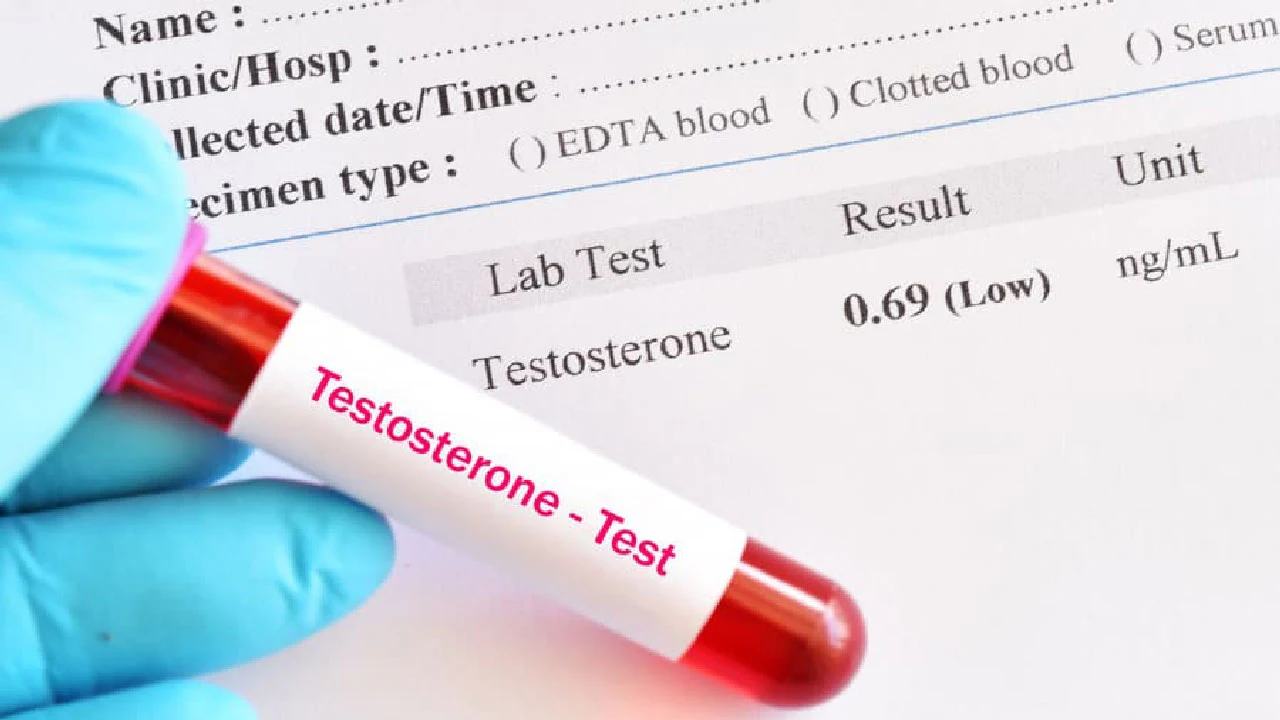
Clinical pearls for treating infertility and low testosterone in men, emphasizing reproductive goal assessment, empiric medical therapies, and comprehensive multidisciplinary management strategies.

