Home
 ArticlesArticles
The process of Sperm Processing in Intrauterine Insemination (IUI) outlines the necessary steps, including collection, washing, and selection, to improve the quality of the sperm. Proper Sperm Processing in Intrauterine Insemination (IUI) increases the chances of successful fertilization and pregnancy, making it a vital part of the intrauterine insemination procedure.



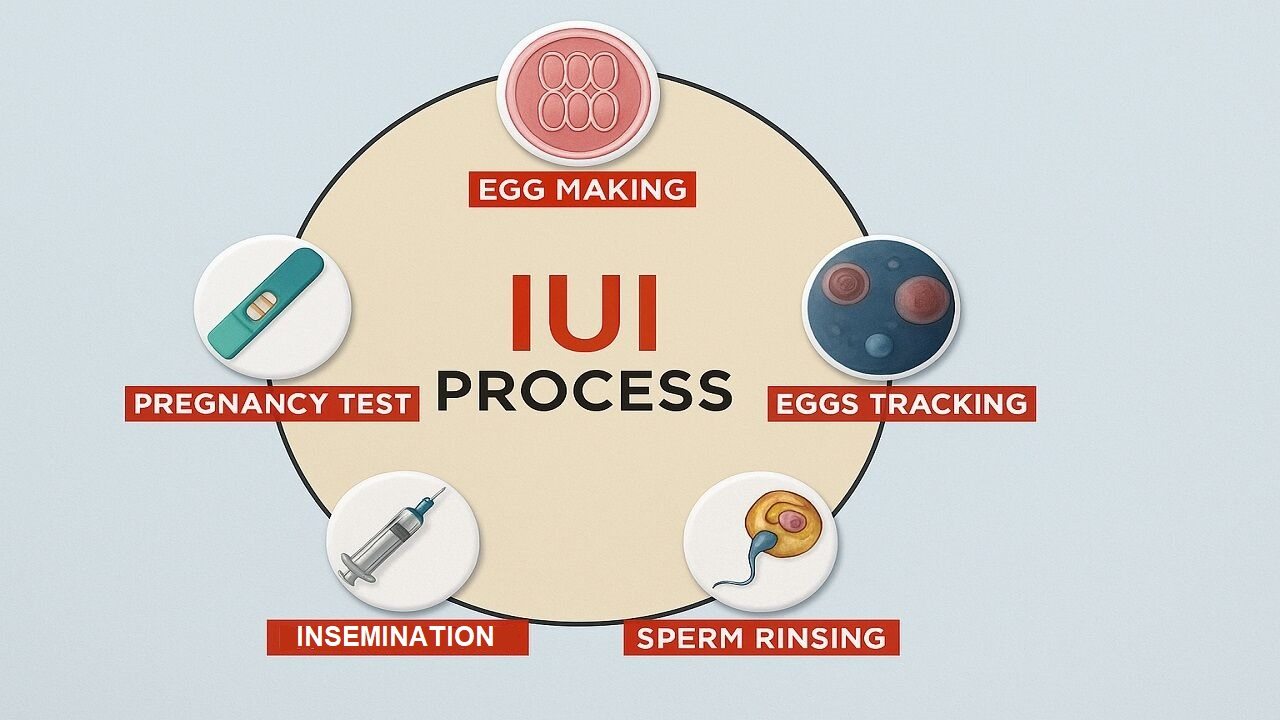
Intrauterine Insemination (IUI) is a low-invasive and common fertility treatment. Infertility testing and treatments, to do a successful sperm wash, a key part of IUI, you must follow a few steps. When sperm is properly processed, the sperm sample is enhanced, and the most optimal motile sperm is inseminated. This article will outline the steps taken in processing sperm for IUI, as well as the role each step plays in the overall success of the procedure.
Why is Sperm Processing in IUI Important? Sperm processing in IUI is an essential step. The aim is to choose sperm with the strongest probability of swimming up to fertilise the egg. Sperm processing enhances sperm motility, removes dead or abnormal sperm, and washes out any chemicals or bacteria that can catabolize on fertilization or infect.
That involves separating the sperm from the seminal fluid and picking out the healthiest, most active sperm for insemination. Here is a summary of the sperm processing steps required for IUI.

The sperm sample is assessed to check for quality before it is processed. Semen analysis is done to assess various aspects, such as:
In cases of severe male infertility, sperm washing or assisted reproductive techniques such as ICSI are required, even if the semen analysis indicates that the sperm quality is very low.
Sperm is washed, followed by natural selection, before being concentrated in a small volume to increase insemination success. The sperm sample is then "washed," which means they select only the most motile, highest-quality sperm for the IUI.
These techniques help ensure only the most motile sperm are selected for the insemination process, enhancing fertilization potential.
A last check is made to confirm the sperm are primed for insemination. This may include testing sperm motility, concentration, and morphology. Once the sperm has been processed, only it can be inseminated into the uterus.
The IUI procedure takes only a few minutes and usually does not require anaesthesia, but a woman may experience mild cramping afterwards.
Sperm processing is a crucial initial step in IUI, serving several essential purposes that enhance the likelihood of pregnancy:
This increases the chances of successful fertilization and embryo development, thereby improving fertilization potential. Swim-up and density gradient abilities are used to select the healthiest sperm for improved fertilization potential.
Sperm processing is especially important when it comes to male infertility. For cases of male infertility involving low sperm count or poor motility, techniques such as ICSI may be used to inject sperm directly into the egg, avoiding sperm motility issues.
Intrauterine insemination (IUI) is one of the most common and least invasive procedures used to treat infertility, and sperm processing is an integral step in the process that helps improve the chances of a successful pregnancy. Sperm is ‘washed,’ concentrated, and selected, ensuring, as far as is possible, that the most viable sperm is prepared for insemination and that the damaging chemicals, the antisperm antibodies, the dead sperm, and other noxious agents, like prostaglandins, that accompany semen in the insemination process are eliminated.
This process increases sperm quality and motility, thus enhancing the chances of fertilization and embryo implantation, which are crucial for the success of couples undergoing IUI treatment. Medical guidance and monitoring are essential for the success of the treatment, like any other fertility treatment.


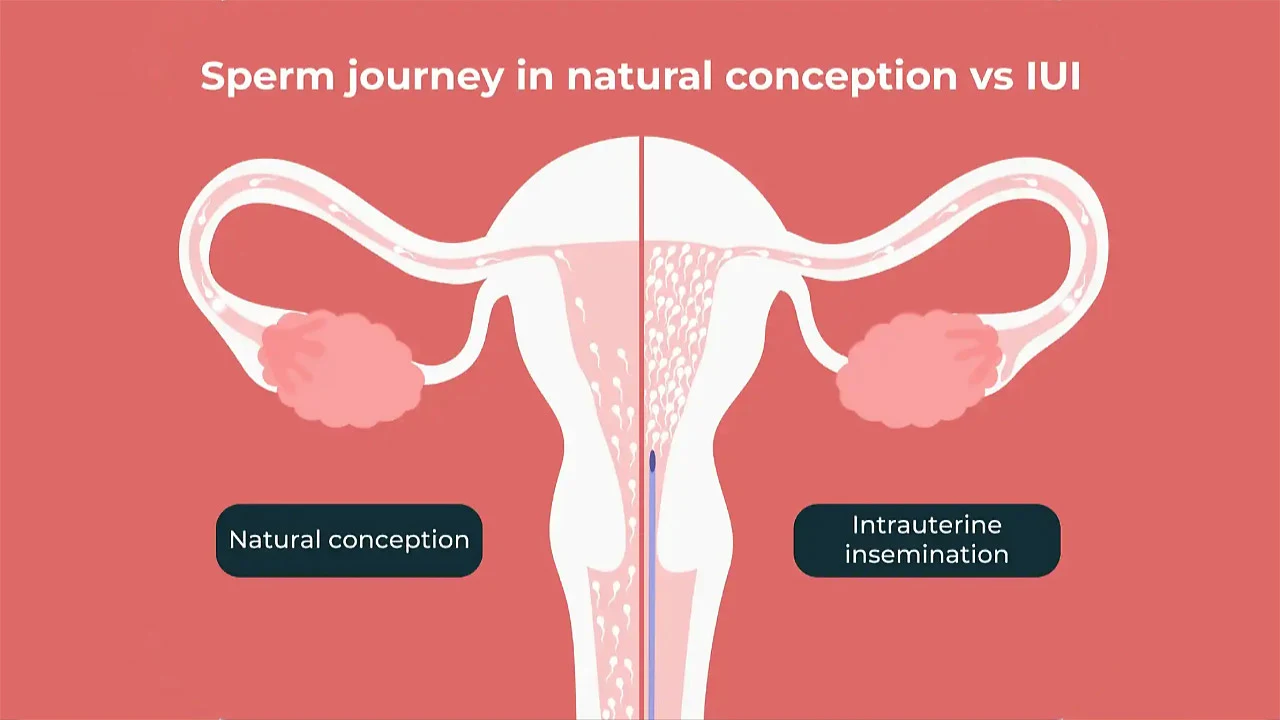
Natural cycle IUI, a fertility treatment that works with your body's natural ovulation without medications. This comprehensive guide explains the procedure, ideal candidates, step-by-step process, success rates, and benefits. Learn if this gentle approach to conception is right for your fertility journey and family-building goals.
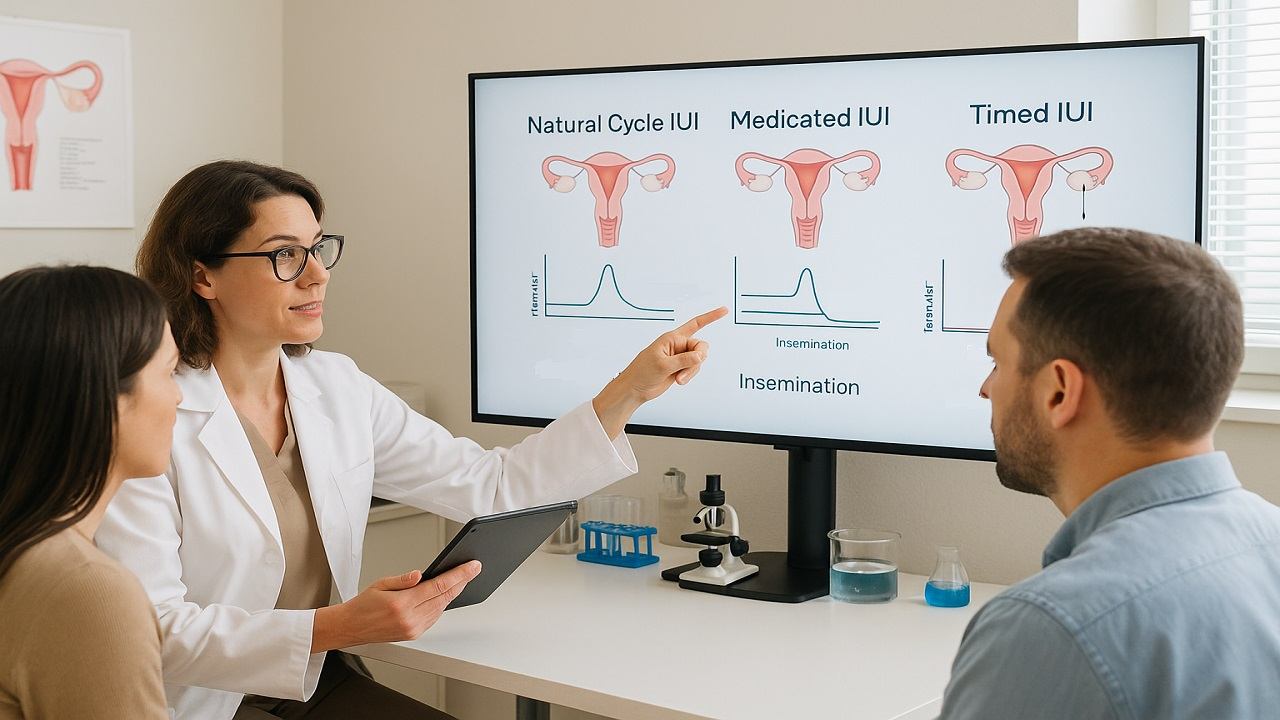
The various types of Intrauterine Insemination (IUI), including Natural, Medicated, and Timed IUI, detailing how each method works and their respective benefits. Understanding these types of IUI helps individuals and couples choose the right fertility treatment based on their specific needs and circumstances.
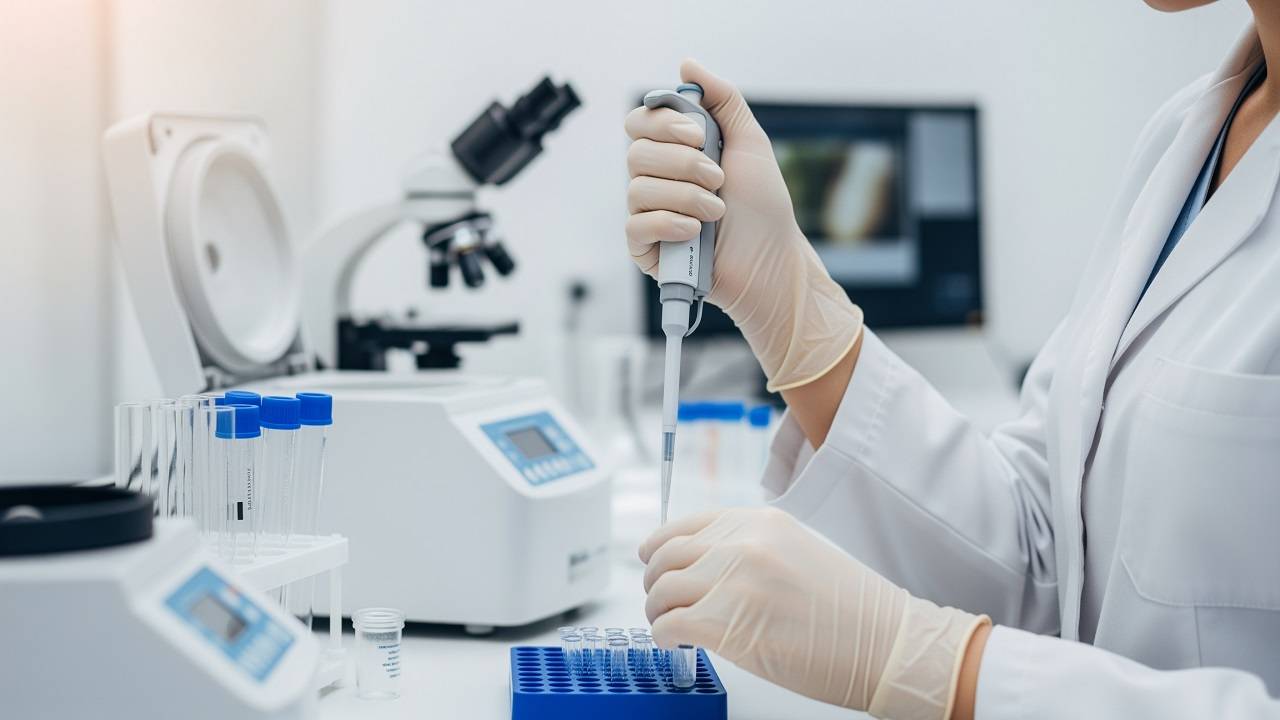
IUI with sperm washing is a fertility treatment where semen is carefully processed to isolate healthy, motile sperm before being placed directly into the uterus. This method improves fertilization chances by bypassing natural barriers and reducing harmful elements in semen. It is especially beneficial for couples facing mild male infertility, cervical issues, or unexplained infertility.
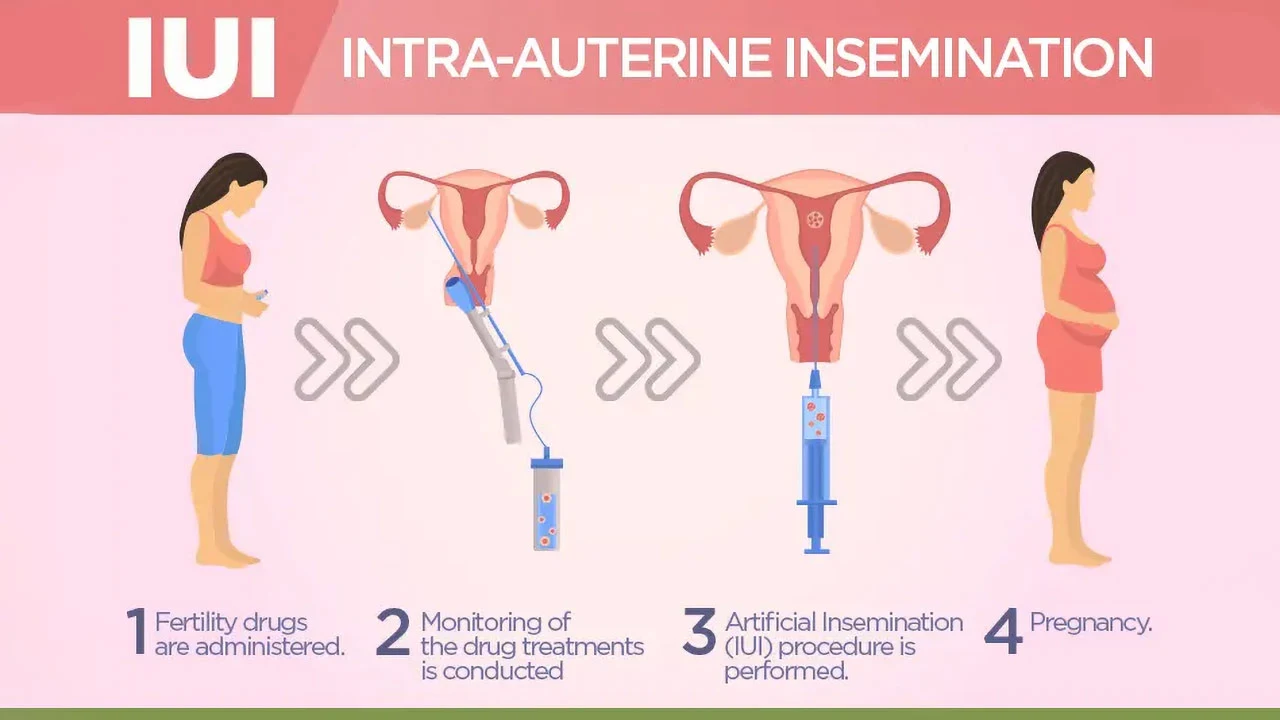
Intrauterine insemination (IUI) is a minimally invasive fertility treatment that involves placing prepared sperm directly into the uterus during ovulation. How the IUI procedure works, who may benefit, expected success rates, and what to anticipate throughout the treatment journey.

The contributions of pioneers in reproductive medicine revolutionized IUI. From artificial insemination to ovulation induction, these pioneers in reproductive medicine played a crucial role in advancing fertility treatments. Their innovations made IUI a widely used and effective solution for infertility.

The complexities surrounding the use of donor gametes, including legal considerations, anonymity, and ethical dilemmas. It highlights how the use of donor gametes raises important questions about parenthood, child rights, and family dynamics in assisted reproduction.