Home
 ArticlesArticles
In Vitro Fertilization (IVF) success rates differ from clinic to clinic and country to country, highlighting factors such as technology, patient demographics, and healthcare regulations. It emphasises that understanding these differences can help hopeful parents make informed decisions regarding their fertility journey.




In vitro fertilization (IVF) has emerged as an indispensable alternative for a significant number of people and couples seeking to conceive. Although IVF success rates may vary, understanding that these differences are affected by many factors, such as clinic experience, medical technology, local medical practices, and national regulations, is important. Global advancements have led to improved IVF results, providing hopeful parents with a chance for success.
One of the biggest factors when it comes to IVF success rates has to do with your fertility clinic. The different reasons for the difference in success rates in clinics are:
1. Clinical Expertise and Staff Experience
A skilled IVF team and updated technology are essential for success in a fertility journey. Clinics also have teams of specialists with years of practice and expertise, resulting in higher success rates. Personalised care, where doctors customize IVF treatments to meet individual needs, increases the odds of getting pregnant.
2. Advanced Medical Technology
Clinics that use the most up-to-date fertility technology and equipment tend to achieve better success rates. Advanced technology, such as high-quality embryo culture systems, specific genetic analyses, and embryo freezing techniques, enables improved embryo selection and increased chances of implantation. Each clinic is equipped with state-of-the-art laboratories that monitor embryos during the crucial phases of their development, ensuring they have the right environment to grow at various stages.
3. Treatment Protocols
Clinics might use different treatment protocols, and the appropriate protocol differs based on the clinical need. Some clinics develop protocols for tailored hormonal stimulation, some for optimising the egg retrieval, and some for the embryo transfer. Clinics that focus on particular procedures, such as egg freezing or genetic screening, can offer specialised services that may improve your chances of success.
4. Supportive Services
Psychological support and patient care play a crucial role in achieving IVF success. The clinics that provide complete services, including counselling, stress reduction programs, and holistic support, also make patients feel confident and less anxious, which indirectly may improve the IVF outcome.
Although the technology and practices of IVF are relatively consistent internationally, countries may have different IVF success rates due to discrepancies in healthcare systems, regulations, and demographics of patients. Here is a breakdown of how rates of success may vary by area:
1. European Countries
Europe has some of the highest IVF success rates in the world. Europe. Denmark, Sweden, and the Czech Republic have some of the best fertility treatments available, with state-of-the-art clinics. Well-established healthcare systems mean care is consistent; many clinics offer high-end services at competitive prices. The Czech Republic, for instance, is a great place for medical tourism with high success rates at many clinics.
As seen in the United Kingdom and Spain, success rates are impressive as IVF technology reaches around the world to meet the demand (combined with serious patient care protocols). In addition, most European countries guarantee a comprehensive egg donation regulation that considerably increases the final success of IVF.
2. United States
The United States has some of the world’s top fertility centers, some of which have the highest reported success rates. In the U.S., the best clinics are using the most cutting-edge technology available to freeze embryos, screen them for genetics, and preserve fertility. This approach has led to success rates for IVF much higher than those in other countries. Access to tailored treatment plans and new research gives patients in the U.S. an outstanding opportunity for positive results… The U.S. has a widely diverse population, which allows clinics to address various fertility issues more effectively, resulting in improved care and higher success rates for the broader population.
3. Asia
Japan, South Korea, and Singapore, for example, have quickly developed their technology and treatment options for IVF. Research and innovations are the key focus for clinics in these countries, which leads to success rates. In fact, Singapore has some of the highest IVF success rates in Asia because of its regulations and healthcare system. The integration of Western medicine and traditional practices in Asian fertility treatments contributes to the creation of comprehensive treatment plans.
India: A Popular Choice for IVF Tourism. It has several clinics with excellent success rates, particularly for those who are seeking an affordable procedure without losing the quality. IVF in India has gained traction due to India's expertise in the field of IVF.
4. Australia and New Zealand
Australia and New Zealand are known for excellent fertility care. These nations boast of rigorous regulations and advanced IVF technology to ensure great success rates consistently. Australian clinics also provide cutting-edge services such as genetic testing and embryo freezing, which improve chances. These countries have strong patient support systems and a more holistic approach to IVF, both in terms of physical processes and emotional well-being, leading to successful outcomes.
5. Middle East
Israel and the United Arab Emirates (UAE), for example, have become leaders in IVF treatment in the Middle East. Israel, especially, is an expert in fertility research and development, so couples can receive cutting-edge procedures that lead to high success rates. Like the UK, the UAE has also progressed a lot in IVF treatment, with top-notch clinics offering great procedures and patient care.

There are various reasons why success rates may differ:
Other factors also play a role, as success rates differ depending on the clinic and country. The worldwide landscape for IVF is always shifting, and there are many countries and clinics at the forefront of providing cutting-edge treatments and exceptional patient care. Today, patients can choose from a variety of high-quality options, such as personalized care at a U.S. clinic or cutting-edge technologies in Europe or Asia.
Selecting clinics that fit their requirements, as well as familiarising themselves with the advantages of treating in certain countries, are all factors that can greatly improve an individual's and couples' chances of having a positive IVF experience. Now more than ever, with the right support, expertise, and care, that dream of parenthood is attainable.



Womb transplantation is giving women with absolute uterine factor infertility the chance to carry and deliver their own child. This article explains how the process works from donor to delivery, who may be suitable, the risks involved and what recent births from living and deceased donors mean for patients.

Advanced female age causes fertility decline through reduced egg quantity, increased chromosomal abnormalities, and mitochondrial dysfunction. Understanding these biological mechanisms helps women make informed family planning decisions. Modern fertility treatments including IVF, preimplantation genetic testing, and egg freezing offer practical solutions to overcome age-related reproductive challenges when trying to conceive.
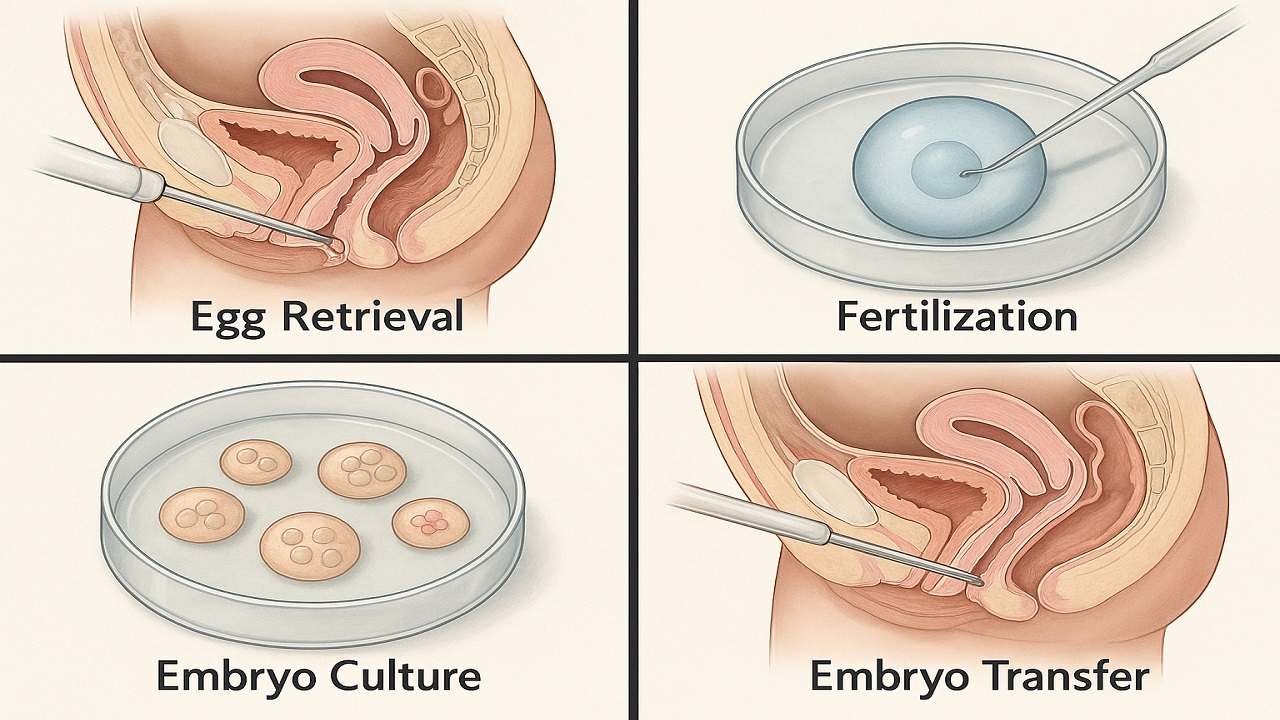
In Vitro Fertilization (IVF) process step by step, emphasising the importance of various stages such as ovarian stimulation, egg retrieval, fertilization, and embryo transfer in maximising the In Vitro Fertilization (IVF) Success Rate. It highlights how a thorough understanding of the procedure can prepare couples and individuals for their In Vitro Fertilization(IVF) journey, ultimately improving their chances of achieving a successful pregnancy.

Vitamin D Deficiency Affect IVF outcomes by influencing endometrial receptivity, embryo quality, and hormone balance. Clinical evidence, age-specific risks, and PCOS implications, while offering actionable strategies to optimize Vitamin D levels and improve IVF success rates and pregnancy outcomes in a structured, patient-focused approach.

Preimplantation Genetic Testing (PGT) revolutionizes IVF by screening embryos for chromosomal abnormalities and genetic disorders before transfer. This advanced technology increases pregnancy success rates, reduces miscarriage risk, prevents inherited diseases, and shortens time to pregnancy while providing diagnostic clarity and reducing emotional stress for couples.

Clinical evidence increasingly demonstrates that emotional stress or grief reduces the chances of IVF success through sophisticated biochemical pathways that directly influence reproductive physiology. This relationship extends far beyond simple correlations, revealing profound mechanistic connections between psychological distress and the delicate orchestration of hormonal events essential for successful conception.
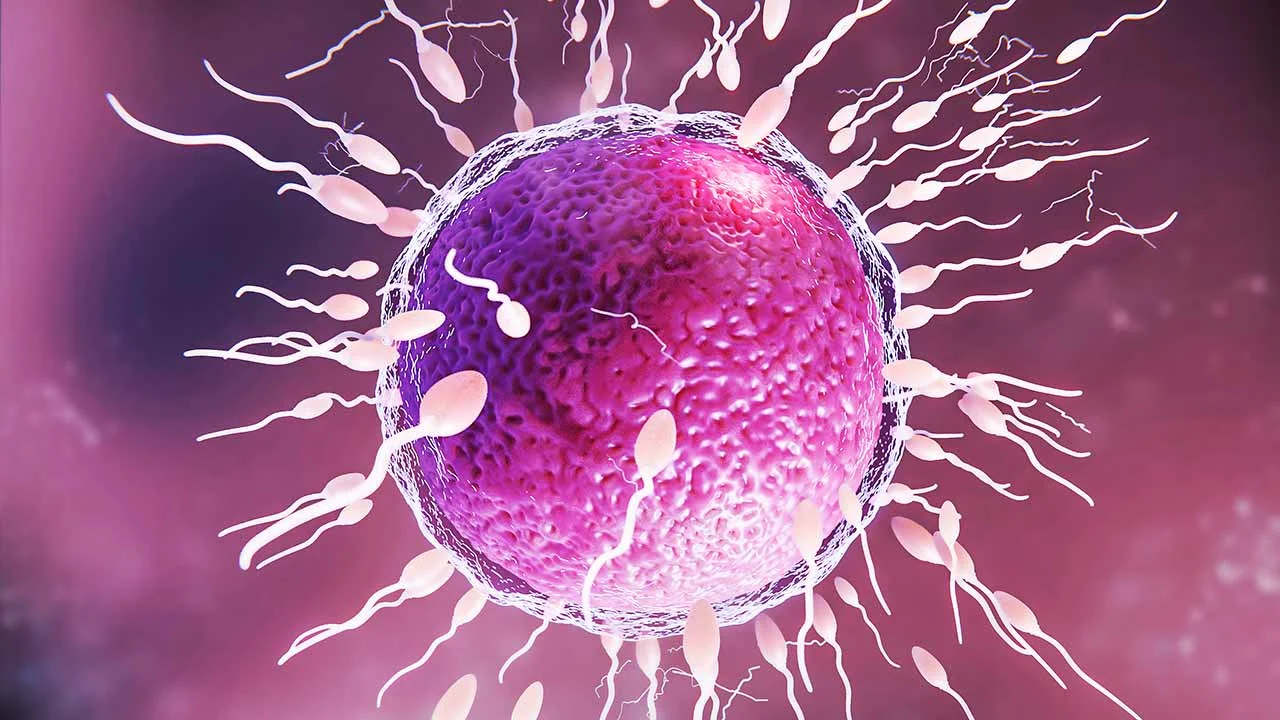
IVF in 2025 is shifting from hype to evidence-based innovation. As precision, automation, AI, and genetic advances reshape fertility care, patients must distinguish proven breakthroughs from outdated add-ons. This guide examines five groundbreaking IVF technologies in 2025 to understand which advances genuinely improve outcomes