Home
 ArticlesArticles
IVF DNA testing for disease risk uses polygenic embryo screening to predict the genetic likelihood of diabetes, heart disease, cancer, and more. This revolutionary technology works by detecting various diseases, which can significantly impact your family planning journey.



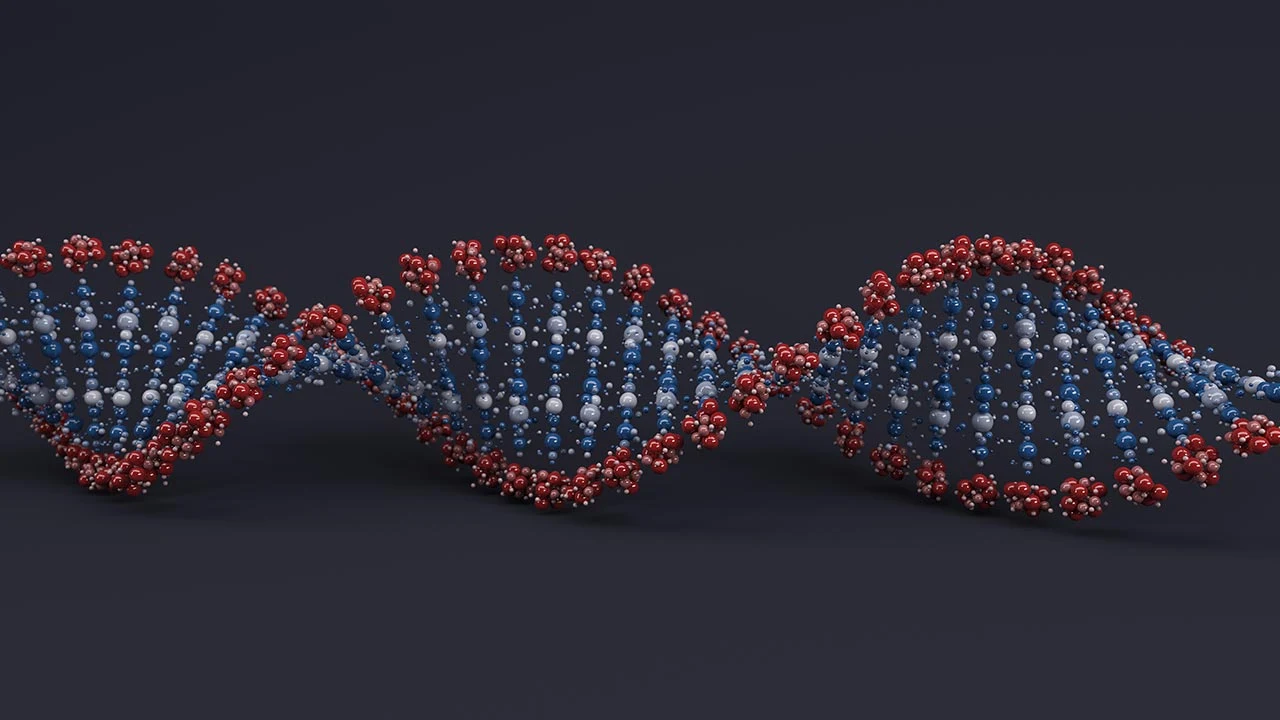
DNA functions as the biological blueprint of the human body. Certain diseases arise from a single genetic mutation, these are known as monogenic disorders, such as cystic fibrosis or sickle cell anemia. While impactful, such conditions are relatively rare. In contrast, most common health conditions, including diabetes, cardiovascular disease, depression, and many cancers, are polygenic in nature. They develop through the combined influence of numerous genetic variations, alongside lifestyle and environmental factors.
This is where polygenic embryo screening, also referred to as PGT-P (preimplantation genetic testing for polygenic conditions), becomes relevant. This advanced IVF-based approach analyzes embryos to calculate a polygenic risk score, a statistical assessment of the likelihood that an individual may develop specific complex diseases over their lifetime. Rather than offering certainty, PGT-P provides data-driven risk stratification, enabling more informed decision-making at the earliest stage of human development.
IVF DNA testing has moved far beyond checking embryos for missing or extra chromosomes or a few single-gene disorders. Modern preimplantation genetic testing now includes polygenic risk scores, which assess hundreds of genetic markers together to estimate the likelihood of developing complex conditions such as diabetes, heart disease, or certain cancers. By analyzing the full genetic profile of embryos created through IVF before implantation, this approach provides a broader, data-driven view of potential health risks. The testing is done while embryos are still in the laboratory, allowing prospective parents to make informed reproductive decisions early in the process, without the ethical and emotional challenges associated with later-stage interventions.

The process integrates seamlessly into existing IVF procedures. Here's the step-by-step journey:

Current IVF DNA testing for disease risk can assess embryos for numerous conditions, including:

Recent research involving 1.5 million individuals has shown that polygenic risk scores can explain up to 23% of the variation in type 2 diabetes risk, and over 75% of the genetic component for conditions like Alzheimer's disease and prostate cancer.
Studies suggest that couples with five chromosomally normal (euploid) embryos could achieve a 27-67% relative risk reduction for various diseases by selecting embryos with lower polygenic risk scores. To put this in perspective: if your family has a strong history of heart disease, choosing an embryo with a lower genetic risk for coronary artery disease could significantly reduce your child's lifetime risk of developing that condition.
However, and this is crucial, these are risk predictions, not certainties. An embryo with a higher risk score might never develop the disease, while one with a lower score could still be affected. Genetics loads the gun, but lifestyle, environment, and chance pull the trigger.
This is where IVF DNA testing for disease risk becomes both powerful and complex. The technology can identify increased risk for conditions across a spectrum:
The key understanding: polygenic risk scores don't determine destiny. They provide information that, combined with medical care and lifestyle choices, can help optimize health outcomes.
The field of IVF DNA testing for disease risk is evolving rapidly:
As a fertility journalist with two decades of experience, I've learned that every advancement comes with caveats. Here's what you need to know:
If you're considering IVF DNA testing for disease risk, here's how to approach the decision:
The integration of IVF DNA testing for disease risk into reproductive medicine represents a paradigm shift in how we think about family planning. For the first time in human history, prospective parents can glimpse their future child's genetic health landscape before pregnancy even begins.
Three-quarters of Americans support using this technology for disease risk assessment, according to recent surveys. Yet nearly all express concerns about potential negative outcomes, a healthy tension that reflects the technology's profound implications.
As this field matures, we'll likely see improved accuracy, expanded disease panels, better integration into clinical practice, and hopefully, clearer regulatory frameworks. The goal isn't to create "perfect" babies, an impossible and ethically troubling concept, but to give families information that helps them make choices aligned with their values while maximizing their future child's health potential.
For couples navigating infertility, IVF DNA testing for disease risk adds another layer of complexity to an already challenging journey. But for many, it also offers something precious: the opportunity to give their long-awaited child the best possible genetic start in life.
Note: The field of polygenic embryo screening is rapidly evolving. According to FertilityIn.com always consult with qualified fertility specialists and genetic counselors to understand how these technologies might apply to your specific situation. The information in this article is for educational purposes and should not replace professional medical advice.



Advanced female age causes fertility decline through reduced egg quantity, increased chromosomal abnormalities, and mitochondrial dysfunction. Understanding these biological mechanisms helps women make informed family planning decisions. Modern fertility treatments including IVF, preimplantation genetic testing, and egg freezing offer practical solutions to overcome age-related reproductive challenges when trying to conceive.
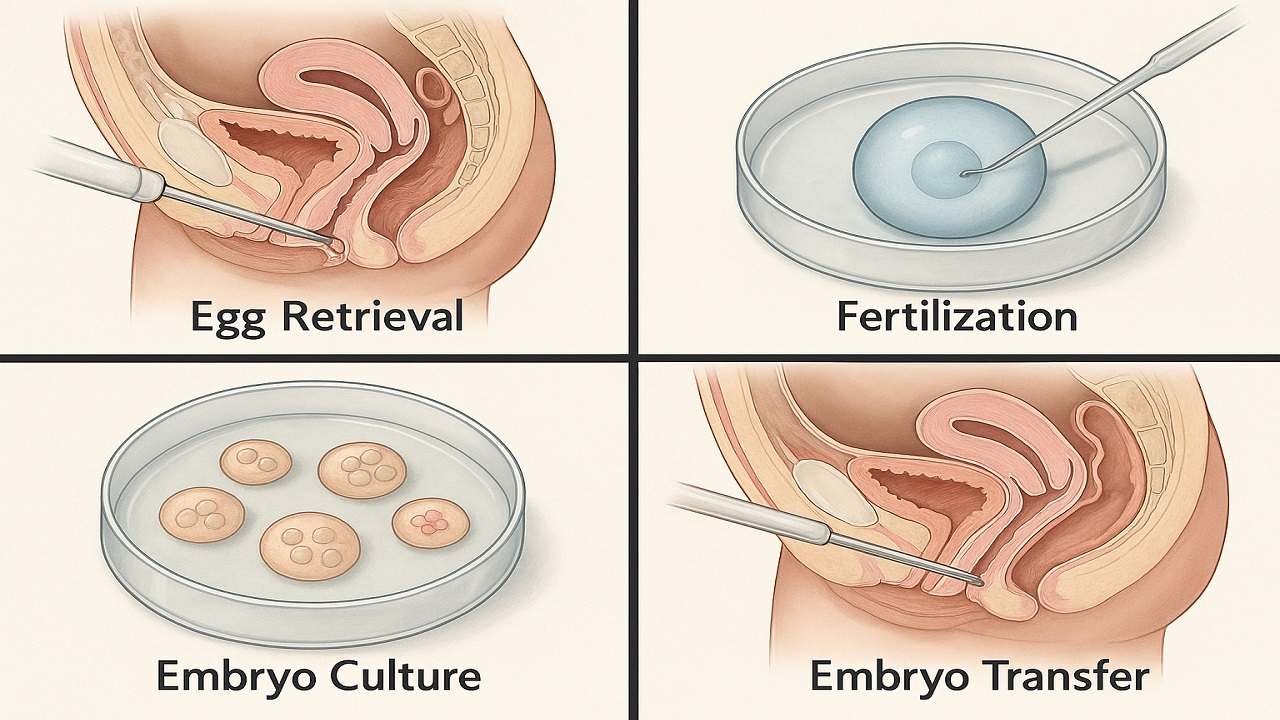
In Vitro Fertilization (IVF) process step by step, emphasising the importance of various stages such as ovarian stimulation, egg retrieval, fertilization, and embryo transfer in maximising the In Vitro Fertilization (IVF) Success Rate. It highlights how a thorough understanding of the procedure can prepare couples and individuals for their In Vitro Fertilization(IVF) journey, ultimately improving their chances of achieving a successful pregnancy.

Vitamin D Deficiency Affect IVF outcomes by influencing endometrial receptivity, embryo quality, and hormone balance. Clinical evidence, age-specific risks, and PCOS implications, while offering actionable strategies to optimize Vitamin D levels and improve IVF success rates and pregnancy outcomes in a structured, patient-focused approach.
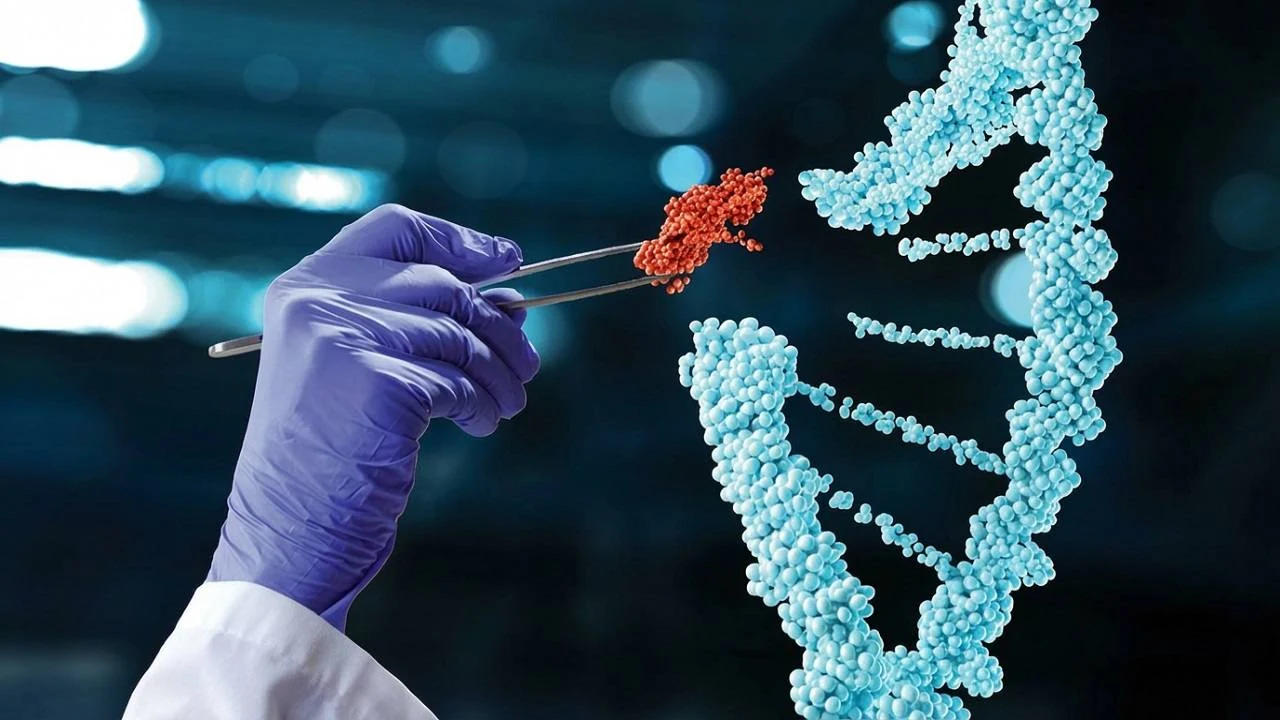
Preimplantation Genetic Testing (PGT) revolutionizes IVF by screening embryos for chromosomal abnormalities and genetic disorders before transfer. This advanced technology increases pregnancy success rates, reduces miscarriage risk, prevents inherited diseases, and shortens time to pregnancy while providing diagnostic clarity and reducing emotional stress for couples.

Clinical evidence increasingly demonstrates that emotional stress or grief reduces the chances of IVF success through sophisticated biochemical pathways that directly influence reproductive physiology. This relationship extends far beyond simple correlations, revealing profound mechanistic connections between psychological distress and the delicate orchestration of hormonal events essential for successful conception.
IVF in 2025 is shifting from hype to evidence-based innovation. As precision, automation, AI, and genetic advances reshape fertility care, patients must distinguish proven breakthroughs from outdated add-ons. This guide examines five groundbreaking IVF technologies in 2025 to understand which advances genuinely improve outcomes

Managing Recurrent Implantation Failure (RIF) outlines evidence-based diagnostics and treatment pathways to improve IVF success rates, emphasizing clarity, cautious use of add-ons, and realistic patient expectations.