Home
 ArticlesArticles
The innovative solution of Intracytoplasmic Sperm Injection (ICSI), designed to tackle male infertility challenges such as low sperm count and poor motility. ICSI creates new opportunities for couples who are eager to start a family by directly injecting a single sperm into an egg. Discover how this groundbreaking technique is transforming the landscape of reproductive medicine and offering hope to those facing infertility.



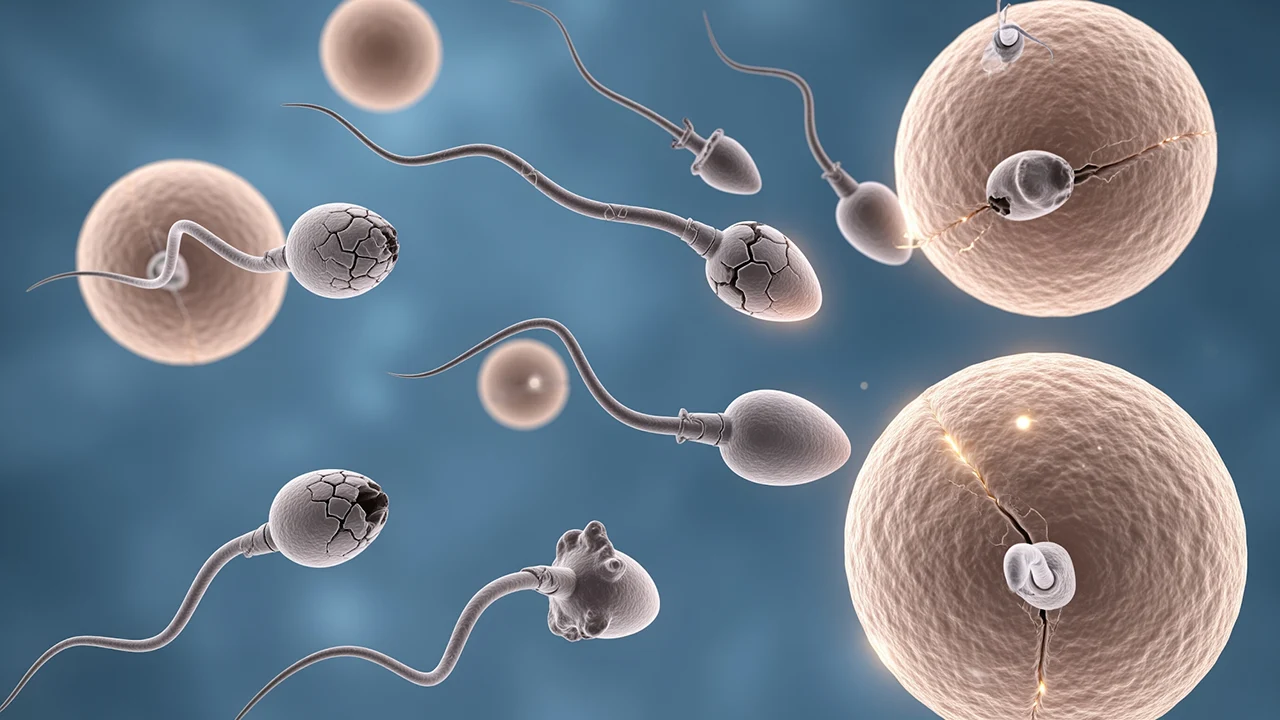
Infertility can be caused by a number of factors, including male infertility challenges, which is one of the most common causes of a couple being unable to conceive. But for aspiring parents, infertility is a painful ordeal and one that is often fraught with stigma. Infertility can be caused by a number of factors, including male infertility, which is one of the most common causes of a couple being unable to conceive. This can be a low sperm count, poor sperm motility, or abnormal sperm morphology. Fortunately, new reproductive technologies offered hope to many couples grappling with these challenges. A breakthrough and highly efficient method for treating male infertility is known as Intracytoplasmic Sperm Injection (ICSI).

ICSI - Intra-cytoplasmic sperm injection, a type of in vitro fertilization (IVF) procedure where a single sperm cell is injected directly into the egg. This technique was invented to overcome drastic male infertility conditions, such as an extremely low sperm count, reduced sperm motility, or situations where sperm quality is poor. ICSI is a customised approach for men who might not otherwise be able to conceive a child through traditional means.
ICSI has been a breakthrough in addressing male infertility challenges, including issues like low sperm count, poor motility, and abnormal sperm morphology.
The most common problem in male infertility is having a smaller number of sperm, called Oligozoospermia. In some cases, the sperm count is so low that natural conception is virtually impossible. This barrier is effectively passed by ICSI, by allowing a single sperm (even one from a tiny sample) to fertilize an egg. Regardless of whether the sperm count is very low or almost absent, ICSI can still provide hope, using only the best quality sperm available.
Sperm motility is vital for fertilization, as sperm need to swim through the female reproductive tract to reach the egg. In situations of impaired sperm motility, spontaneous conception may not happen. ICSI bypasses this problem, using a process that allows the sperm to be injected directly into the egg for fertilization, regardless of motility. This greatly improves the chances for fertilization to occur, even if the sperm are unable to swim properly.
Sperm morphology is describing the size and shape of sperm cells. Morphological defects in sperm can prevent the sperm from fertilizing the egg. ICSI helps by choosing the most capable sperm, irrespective of its form or size, and injecting it directly into the egg. This allows for the strongest sperm to reach the egg, improving the chances of a healthy pregnancy.
Male infertility may, in some cases, be related to genetic problems, including chromosomal abnormalities or other hereditary conditions. Although these problems can compromise sperm activity or development, ICSI can be performed with available sperm, which is carefully screened to ensure that only the healthiest sperm is selected for fertilization. This process overcomes genetic difficulties and provides a pathway for men with genetic conditions to become fathers.
In some cases, like azoospermia (the absence of sperm in the semen), sperm can still be extracted directly from the testicles using procedures like testicular sperm extraction (TESA) or microdissection testicular sperm extraction (microdissection TESE). Such methods enable sperm collection even with significant sperm production troubles. If ICSI can be done after sperm collection, men with viable sperm in their testes but no sperm in their ejaculate have hope.
ICSI provides a solution to male infertility challenges, enabling men facing severe sperm issues to have children. The ICSI procedure starts with the basic IVF procedure. The woman is subject to ovarian stimulation to generate multiple eggs, which are subsequently extracted from her ovaries. The male partner provides a sample of sperm. A lab is used to inspect the sperm for the healthiest, most viable sperm.
The sperm is then injected directly into the egg using a fine needle. The embryos are cultured, and their growth is monitored after fertilization. A few days later, the best embryo is typically transferred into the woman’s uterus. Your pregnancy is closely monitored with blood tests and ultrasounds to help ensure success.
This has transformed male infertility treatment, as ICSI has success rates that are effective even in cases where no other reproductive cure is available. The ability to inject sperm directly into the egg bypasses many of the hurdles men with infertility encounter. For many men who thought they would never become fathers, ICSI has paved the way, gifting families all over the world the joy of watching their sons and daughters grow.
Investigations indicate that ICSI has helped men with severe male infertility achieve successful pregnancies, and the children produced, in general, develop normally. The technique has been successfully employed for decades, resulting in millions of births.
This method of assisted reproduction has proven to be a superlative solution to many complications of male infertility. ICSI has helped thousands of couples overcome low sperm count, poor sperm motility, and abnormal morphology. It’s a groundbreaking method that can actually involve men who otherwise struggle with dire infertility issues in the conception of their child and offers them both hope and the ability to start or grow their families. I guess there we go again. ICSI success is also continually improving, ICSI probably sounds like one of the best marvels of modern reproductive medicine.


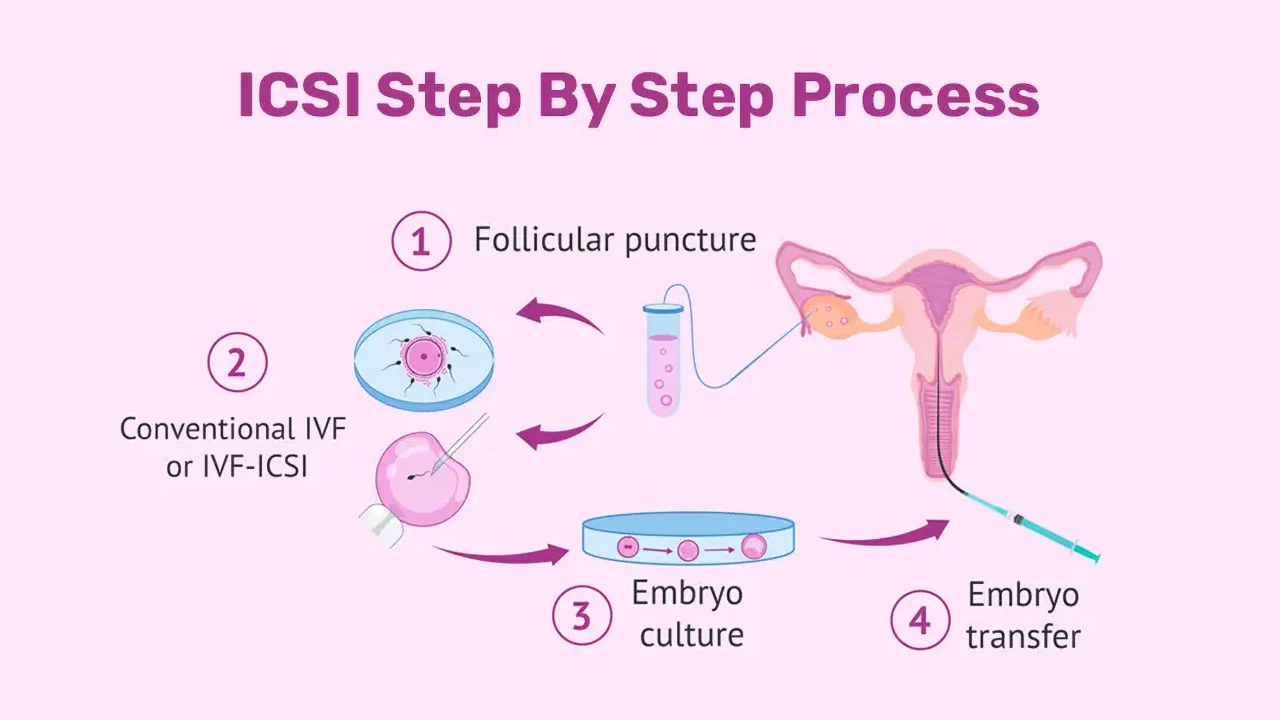
ICSI (Intracytoplasmic Sperm Injection) is an advanced fertility treatment where a single sperm is injected directly into an egg. This procedure helps couples overcome male infertility challenges like low sperm count or poor motility, offering hope for biological parenthood when conventional IVF methods aren't successful.
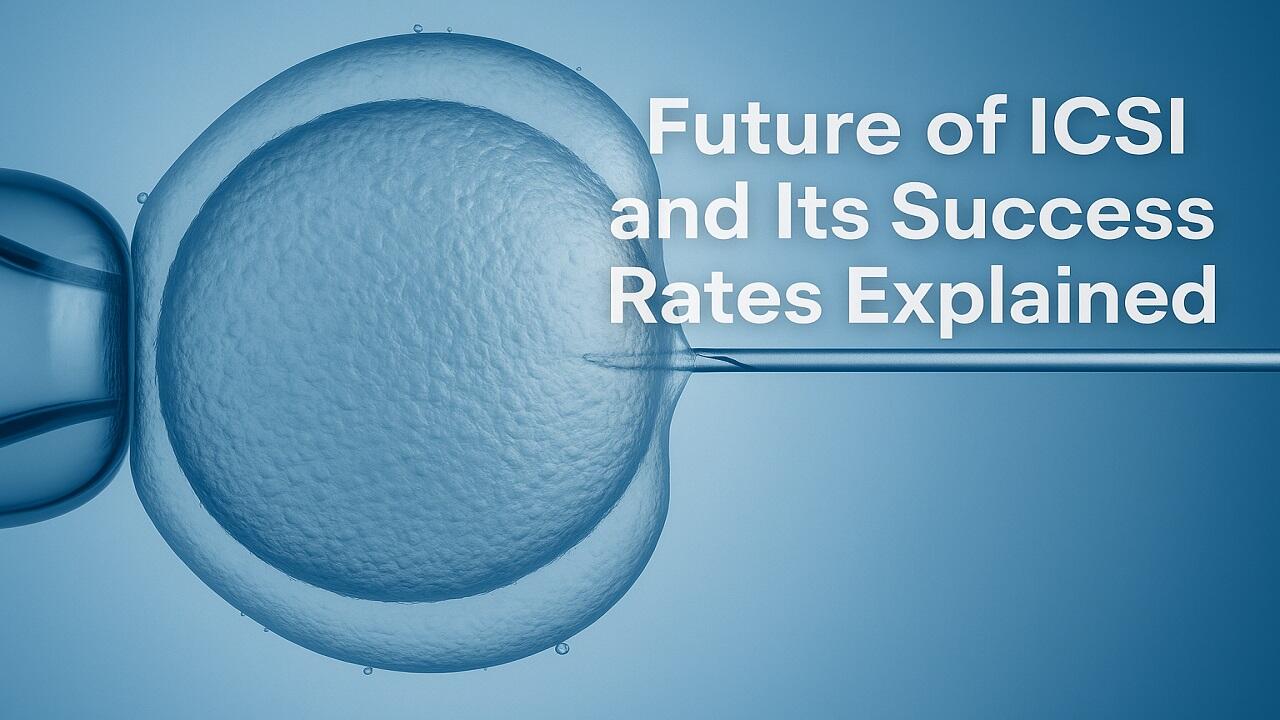
The article discusses "The Future of ICSI", emphasizing advancements like new sperm selection technologies, genetic screening, and stem cell research, all improving success rates and treatment effectiveness. These innovations are making Intracytoplasmic Sperm Injection (ICSI) a more promising solution for couples facing male infertility.

Intracytoplasmic Sperm Injection (ICSI) has transformed Male Infertility Treatment, enabling men with severe fertility issues to conceive biological children. By allowing even the weakest sperm to fertilize an egg, ICSI has significantly improved success rates in Male Infertility Treatment and provided new hope for couples facing infertility challenges.
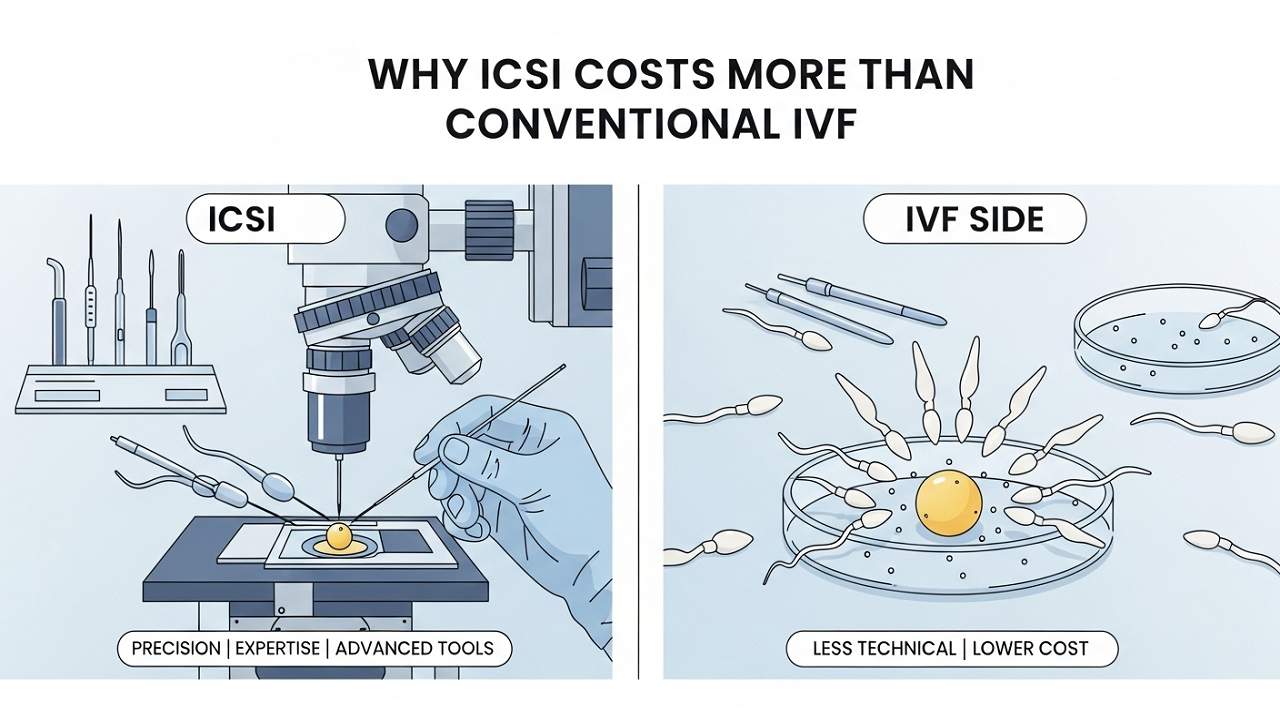
The Intracytoplasmic Sperm Injection (ICSI) procedure, where a single sperm cell is injected directly into an egg, a specialized form of In Vitro Fertilization (IVF), is typically more costly due to its complexity, requiring skilled embryologists and specialized equipment. It is particularly beneficial for couples facing male infertility issues, as it increases the chances of fertilization and successful pregnancies.

Mental health during fertility treatments is vital to cope with stress, anxiety, and emotional ups and downs. By focusing on self-care, resilience, and fostering hope, individuals can navigate challenges and maintain their mental health during fertility treatments while building a positive outlook for their fertility journey.

The history and inception of Intracytoplasmic Sperm Injection (ICSI) began with early advancements in micromanipulation, leading to its first successful use in the 1990s to treat male infertility. The history and inception of ICSI revolutionized assisted reproduction, offering hope to couples by enabling fertilization even in cases of severe sperm-related challenges.