Home
 ArticlesArticles
Donor genetic screening is moving well beyond basic tests. This article explains how expanded carrier screening and donor-recipient matching work, what recent high-profile cases in Europe have revealed about the limits of screening, and the questions intended parents should ask before choosing donor eggs or sperm for their treatment.



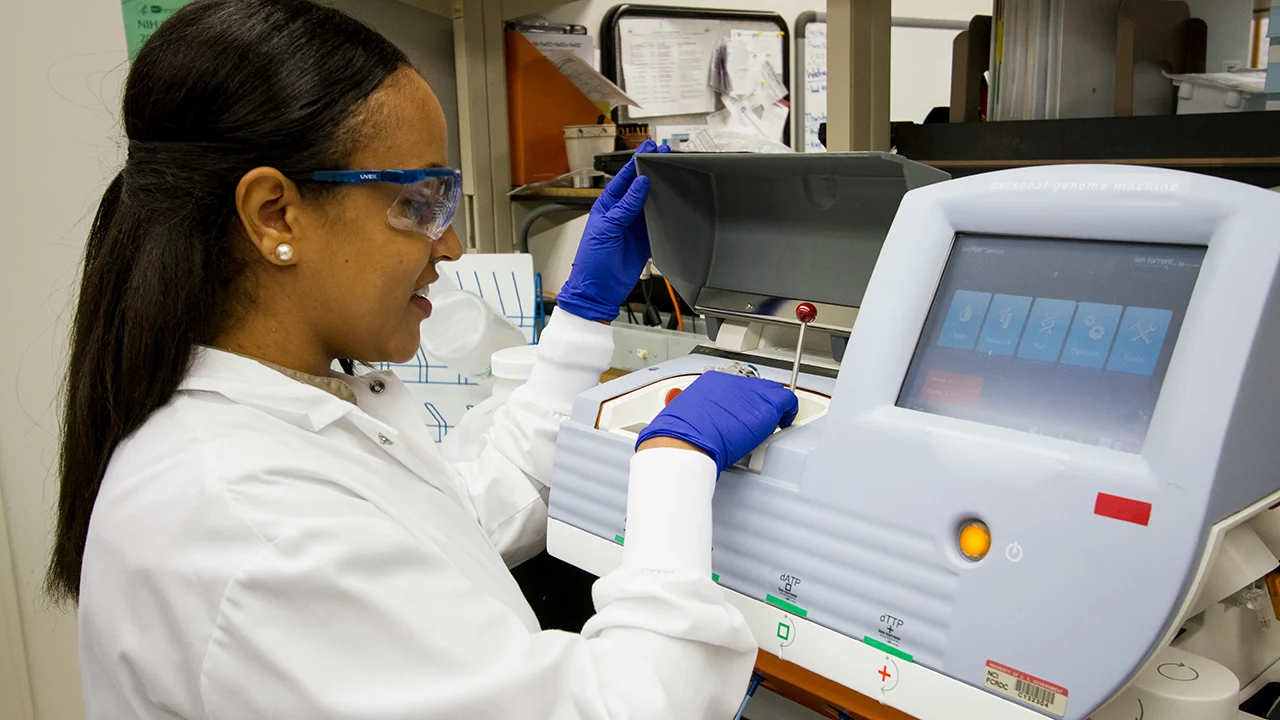
When people choose donor eggs or sperm, they naturally want reassurance that the donor is healthy. For many years, that reassurance rested on a fairly limited set of checks: a medical and family history questionnaire, tests for infectious diseases, a chromosome analysis and screening for a small number of common inherited conditions.
Donor genetic screening is now changing rapidly. Advances in DNA sequencing have made it possible to test donors for hundreds of inherited conditions at once and to match donors with recipients so that both are not carriers of the same disorder. At the same time, recent cases in Europe have shown that even thorough screening has limits. For intended parents, understanding what modern screening can and cannot do is an important part of making informed decisions.
Standard donor assessment has always aimed to minimise the risk of passing on infections and serious inherited conditions. Donors complete detailed questionnaires about their own health and the health of their families, and those with significant family histories of certain conditions may be excluded. Infectious disease testing is required in most regulated settings.
Genetic testing has usually included a karyotype, which checks the number and structure of chromosomes, together with screening for a few relatively common recessive conditions. Which conditions are included often depends on the donor's ancestry and on national guidelines, with cystic fibrosis and inherited blood disorders such as thalassaemia and sickle cell disease among the most frequently tested.
Expanded carrier screening uses modern sequencing to test for variants in hundreds of genes linked to recessive and X-linked conditions. Most of these conditions are individually rare, but together they account for a meaningful share of serious childhood-onset genetic disease.
A carrier has one altered copy of a gene and one working copy. Carriers are almost always healthy themselves, and carrying a few such variants is extremely common in the general population. The risk arises when both genetic parents carry a variant in the same gene, because each child then has a one-in-four chance of inheriting both altered copies and being affected. For X-linked conditions, an egg donor who carries a variant can pass it on to male offspring even if the sperm provider carries nothing at all.
In the United States, professional guidance increasingly favours broader carrier panels covering conditions that are relatively common in the population, and fertility society guidance on gamete donation incorporates genetic risk assessment alongside infection testing and psychological counselling.
The real power of expanded carrier screening in donation lies in matching. If the intended parent who will provide the other half of the embryo's DNA is also screened, clinics can select a donor who is not a carrier for the same conditions. This greatly reduces, though does not eliminate, the chance of a child being affected by one of the tested disorders.
Professional societies in Spain, one of Europe's leading centres for egg donation, have recommended a two-level approach: basic mandatory genetic screening for all donors, and extended genetic screening used for donor-recipient matching. The aim is to reduce the risk of offspring being affected by serious hereditary diseases included in the screening.
In the United Kingdom, updated guidelines on the procurement and use of sperm, egg and embryo donors were published in 2025, replacing the previous 2019 guidance. They place strong emphasis on accurate information, informed consent and risk assessment for donors and recipients, and they address the role of extended carrier screening.
Two recent European cases have shown why donor genetic screening is under such scrutiny. In the first, a Danish sperm donor who had passed standard screening was later found to carry a variant in the TP53 gene, which is associated with a high lifetime risk of cancer. The variant had arisen newly in part of the donor's sperm-producing cells, a phenomenon known as mosaicism, which meant it could not be detected by screening his blood. His sperm was used to conceive at least 197 children across Europe before it was blocked.
In a second case reported in 2026, sperm from another Danish donor carrying a likely disease-causing variant in the COL3A1 gene, linked to vascular Ehlers-Danlos syndrome, was used to conceive 53 children in Belgium alone, well beyond the country's legal limit on families per donor.
These cases illustrate two separate lessons. First, no screening test can detect every possible genetic risk. Second, when a problem is discovered, the number of families affected depends heavily on how many times a single donor's gametes have been used.
Even the most comprehensive donor genetic screening cannot guarantee a child free of genetic disease. Some conditions arise from new mutations that are not present in either genetic parent. Others are caused by variants that current panels do not include or that are too poorly understood to interpret. Mosaic variants, like the one in the TP53 case, may be present in sperm or eggs but not in the blood sample that is tested.
There are also ethical limits. Ethicists have cautioned against an ever-expanding list of tests that could exclude large numbers of healthy donors or create false expectations of a risk-free outcome. Screening for adult-onset conditions, or for traits rather than serious diseases, raises further questions. The goal of screening is to reduce the risk of serious disease meaningfully, not to promise perfection.
Because screening can never be complete, limits on the number of families created from a single donor act as an important safety net. If an unexpected genetic risk emerges, a lower limit means fewer families are affected and tracing is more manageable.
Following the recent cases, the European Society of Human Reproduction and Embryology has called for an initial Europe-wide cap on the number of families per donor, with the aim of tightening it further over time. Calls for international donor registries are also growing so that families can be traced and informed quickly if a problem is identified.
Intended parents using donor eggs or sperm may find it helpful to ask what genetic tests the donor has had, including whether expanded carrier screening was performed and how many conditions it covered. It is worth asking whether the intended parent who will contribute genetically should also be screened so that matching can take place and how the clinic handles a donor who is found to be a carrier.
Other useful questions include what limit the bank or clinic applies to the number of families per donor, whether that limit is national or international, and how families would be informed if new genetic information about the donor came to light. A consultation with a genetic counsellor can help interpret results and put any residual risk into perspective.

Donor genetic screening is becoming more sophisticated, more personalised and more closely tied to recipient matching. That is good news for families. At the same time, recent cases have shown that screening works best as part of a wider system that includes sensible family limits, good record-keeping and clear communication when problems arise.
For intended parents, the message is reassuring but realistic: modern screening can substantially reduce the risk of serious inherited disease, but no test can remove every risk. Asking the right questions and choosing services that are transparent about their practices is the best way to build a family with confidence.
Disclaimer: FertilityIn shares this information based on published research and material from reliable, recognised sources. The content is intended for general awareness only and should not be taken as medical advice. Anyone with questions about their fertility, or who needs medical attention, should consult their own doctor or a qualified fertility specialist.
Reference Sources



A routine X-ray test of the fallopian tubes may do more than diagnose a problem. This article explains oil-based tubal flushing during hysterosalpingography, what major clinical trials have found about its effect on natural conception, who may benefit, the possible risks and the questions couples should ask their own fertility specialist.
Consumer DNA testing and new open-identity laws are bringing the era of donor anonymity to a close. This article explains why anonymity can no longer be guaranteed, how laws are changing, and what this shift means for donors, intended parents and the growing number of donor-conceived people around the world
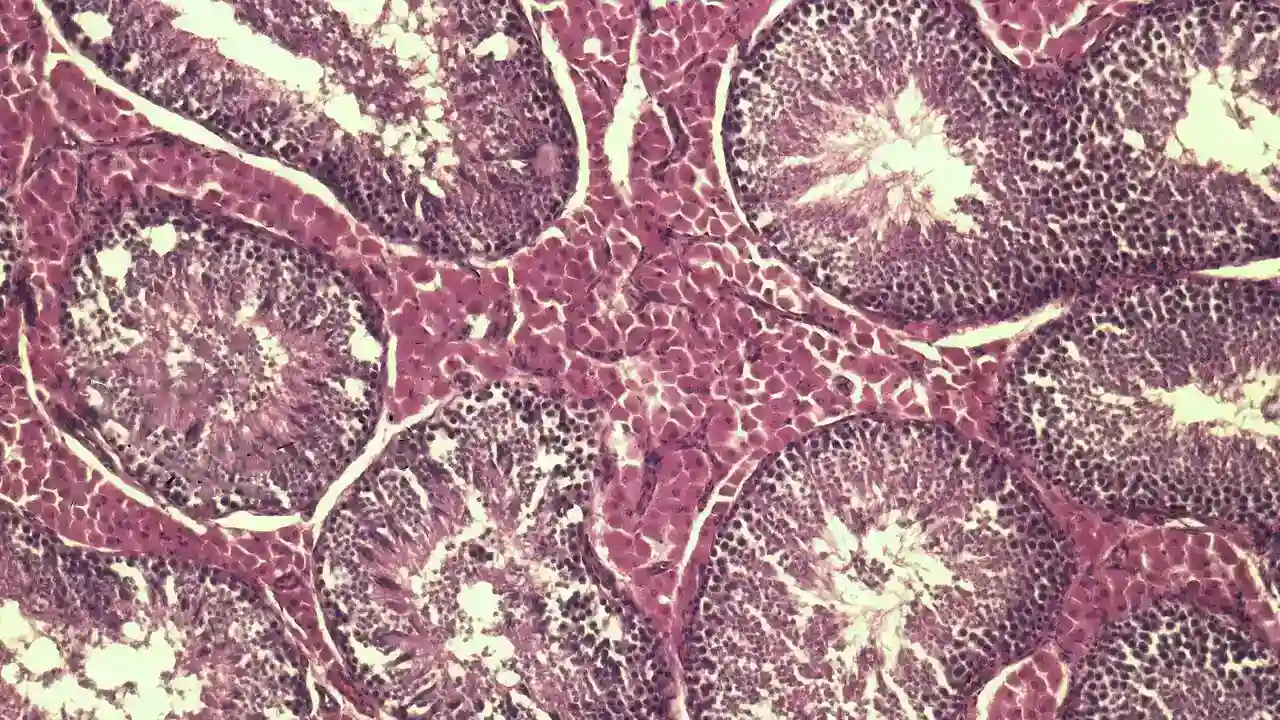
Boys treated for cancer before puberty cannot bank sperm, but freezing testicular tissue containing spermatogonial stem cells may one day restore their fertility. This article explains how the first transplants in adult survivors work, what the early research shows, the risks involved and why families should know about this option.
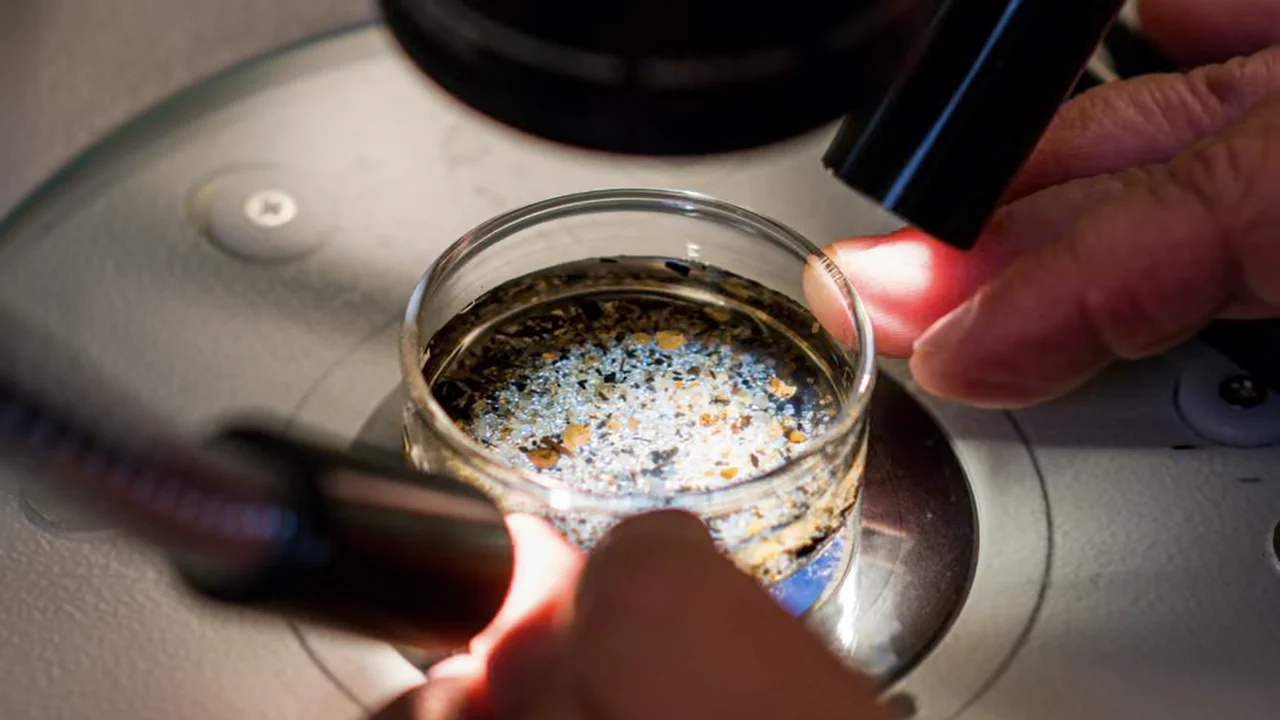
Microplastics have now been found in human follicular fluid and seminal fluid. This article explores the fast-growing body of research on microplastics and fertility, what scientists know and do not yet know about their effects on eggs and sperm, and practical, evidence-based ways that couples can reduce their everyday exposure.

Fertility conversations often focus on women, yet new research on sperm epigenetics shows a father's environment matters too. This article explains how air pollution may alter chemical marks on sperm DNA, why those changes could matter for fertility and pregnancy, and the practical steps men can reasonably consider before conception.

Donor eggs have long been seen as a way to reset the reproductive clock, but new research suggests uterine ageing also plays a role. This article explains what the latest evidence shows, how the ageing uterus may affect implantation and pregnancy, and how women in their late forties can prepare.