Home
 ArticlesArticles
The importance of genetic screening in In Vitro Fertilization (IVF) and its role in enhancing embryo selection to boost safety and success rates in assisted reproductive technology is noteworthy. It highlights various types of genetic screening methods, such as PGT-A and PGD, and their impact on reducing miscarriage risks and ensuring healthier pregnancies through genetic screening in IVF.




Assisted reproduction In vitro fertilization ART: In vitro fertilisation (IVF) is one of the most utilized treatments among assisted reproductive technology (ART) for infertility. IVF is the process of fertilizing eggs outside of the body and placing viable embryos into the uterus (where pregnancy can occur). With the advent of IVF, infertility has come a long way and helped millions of individuals and couples to fulfill their dreams of parenthood, however, one of the most challenging aspects has always remained ensuring the safety and well-being of both the mother and the developing embryo. As IVF technologies have advanced, genetic screening in IVF has become a revolutionary tool, dramatically enhancing the safety and success rates of the procedure. Genetic screening has played a significant role in the advancement of IVF since its inception.
Genetic screening is performed to check embryos for genetic conditions prior to implantation in the uterus. It helps detect chromosomal abnormalities, genetic mutations, and other potential health risks that may affect the embryo’s development or cause pregnancy complications. Embryo selection before implantation means that doctors can choose the embryos most likely to lead to a healthy pregnancy, improving the chances of a successful outcome.
Genetic screening has recently emerged as a technology in IVF, and its role has become essential for making the process safer. In this context, the introduction of screening approaches, such as Preimplantation Genetic Testing for Aneuploidy (PGT-A), Preimplantation Genetic Diagnosis (PGD), and Preimplantation Genetic Testing (PGT), has enhanced success rates in IVF and decreased the risk of pregnancies conceived through assisted reproductive technologies.
PGT-A allows doctors to choose the healthiest embryos for implantation by only identifying those that have the correct number of chromosomes. This effectively protects against miscarriage and increases the odds of a successful pregnancy. The technology is especially helpful for women of advanced maternal age, who are at a greater risk for chromosomal abnormalities in their eggs.
For families that are carriers of genetic diseases, PGD offers a way out, enabling them not to pass the disease to their offspring. PGD, or preimplantation genetic diagnosis, can prevent the genetic mutation responsible for the condition from being passed down by screening embryos, allowing for the installation of an embryo not suffering from the genetic mutation, which decreases the chances of the child getting serious health problems.
Genetic screening has been an essential part of in vitro fertilization (IVF), leading to major advancements in the safety and success of the procedure. Here are some ways that genetic screening has improved the safety of IVF:

The most common risk of IVF is miscarriage, often due to chromosomal abnormalities in the embryo. As many as half the embryos with too many or too few chromosomes do not implant or are rejected after they do. Genotyping technologies such as PGT-A (preimplantation genetic testing for aneuploidy) enable screening for chromosomal abnormalities before implantation, providing a much lower risk for miscarriage. Choosing chromosomally normal embryos can help doctors maximise the odds of a successful, healthy pregnancy.
The chance of implantation is higher when embryos are genetically tested for chromosomal health. The transfer of genetically normal embryos into the uterus dramatically increases the chances of pregnancy. Genetic screening has been especially advantageous in attaining better IVF outcomes for women of advanced maternal age, whose eggs are more prone to chromosomal abnormalities.
Women are at an increased risk of having embryos with chromosomal abnormalities over the age of 35. Older women produce poorer-quality eggs and face a higher risk for diseases such as Down syndrome and miscarriage. Older women who undergo IVF experience improved outcomes when genetic screening is performed using PGTA, as it enables fertility specialists to identify and select only the embryos with the highest probability of a successful pregnancy.
PGD and PGT-M assist couples who have a family history of specific genetic diseases or who are carriers of genetic conditions to choose only embryos that do not have the disease. This lowers the risk of conception with a serious genetic disorder and gives reassurance to parents who wish to avoid passing on hereditary conditions. In some cases, this can determine whether a child has a genetic condition or is healthy.
Genetic screening in IVF helps doctors develop more personalised treatment plans for patients undergoing the procedure. Identifying the genes held within the embryos helps fertility doctors adjust the treatments to create the greatest success of carrying a pregnancy. For instance, if certain genetic mutations are discovered in a couple, their fertility specialist might recommend more targeted IVF procedures or guidance to ensure the best possible situation is established.
While genetic screening has significantly increased the safety of IVF, it also raises ethical and legal questions. Genetic testing, particularly for non-medical reasons, like sex selection or trait selection, has sparked discussion of designer babies and the prospect of human genetics becoming a business. The potential for genetic engineering technologies to negatively affect people is that they become tools for social pressure to "conform" rather than embrace genetic diversity.
Some critics also point out that the invasive nature of the genetic screening process, a biopsy of the embryo, might even pose risks to the embryo itself. Although a biopsy is less risky than it used to be, there remains a slight chance of harm when performing these procedures.
Then there’s the challenge of embryo selection, deciding which embryos are “worthy” of being implanted based on their genetic characteristics, which raises moral dilemmas. As the technology progresses, ethical debates about the limits of genetic testing and selection will remain.
With the ever-advancing technologies of genetic screening in IVF, the process is likely to become much more sophisticated, leading to a rise in IVF procedures. Next-generation technologies will enable the screening to be completed faster and with higher accuracy than before, making screening even safer. Next-generation sequencing (NGS) and other advanced techniques can also be used for more comprehensive genetic screening, identifying a wider array of potential genetic disorders before implantation and various other procedures.
Furthermore, with the development of gene-editing technologies such as CRISPR, we may one day have the ability to edit out genetic defects in embryos, thus eliminating hereditary diseases at their source. But it also opens up a big ethical debate that's going to need to be answered.
Genetic screening in IVF has been one of the more impactful developments in assisted reproductive technology, increasing the safety models, success rates, and outcomes of IVF. Genetic screening, which enables the detection of chromosomal abnormalities and specific genetic diseases, helps fertility specialists choose the healthiest embryos with less risk of miscarriage, increased implantation rate, and healthier genetically normal children for couples. Though this technology has certainly improved the outcomes of IVF, it also brings up crucial ethical dilemmas that will require navigation as genetic screening continues to develop.


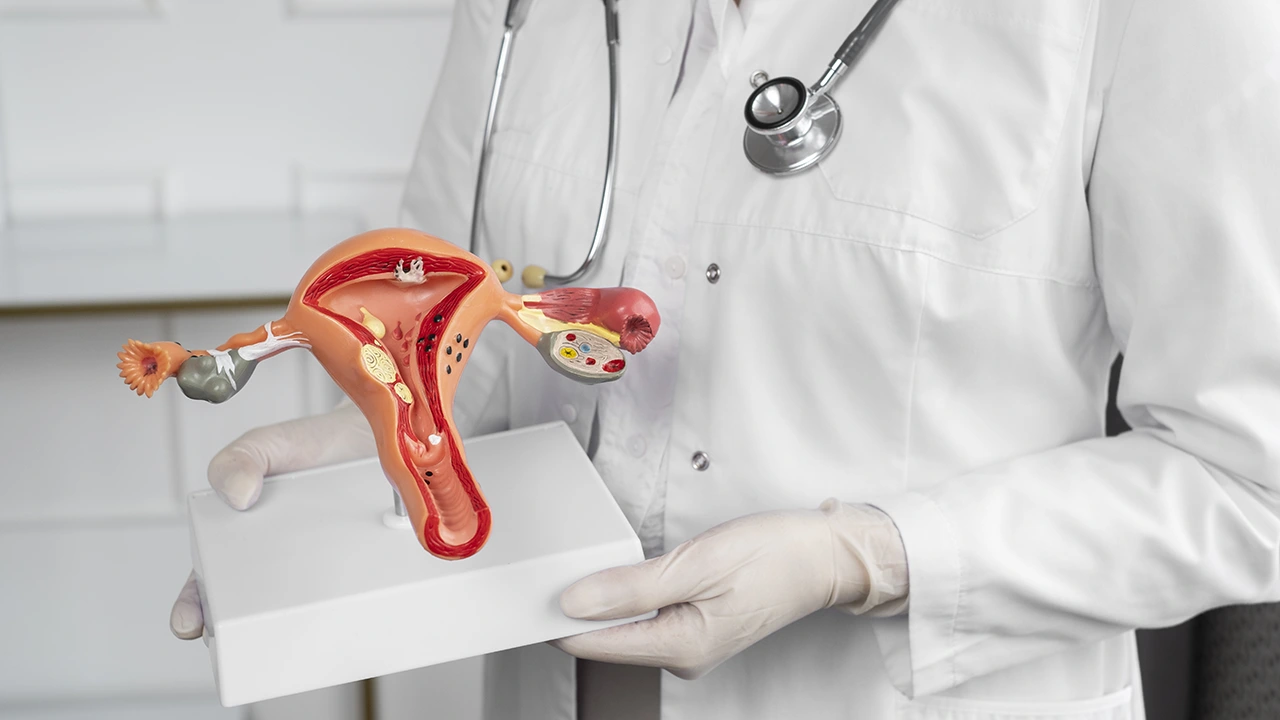
Womb transplantation is giving women with absolute uterine factor infertility the chance to carry and deliver their own child. This article explains how the process works from donor to delivery, who may be suitable, the risks involved and what recent births from living and deceased donors mean for patients.

Advanced female age causes fertility decline through reduced egg quantity, increased chromosomal abnormalities, and mitochondrial dysfunction. Understanding these biological mechanisms helps women make informed family planning decisions. Modern fertility treatments including IVF, preimplantation genetic testing, and egg freezing offer practical solutions to overcome age-related reproductive challenges when trying to conceive.
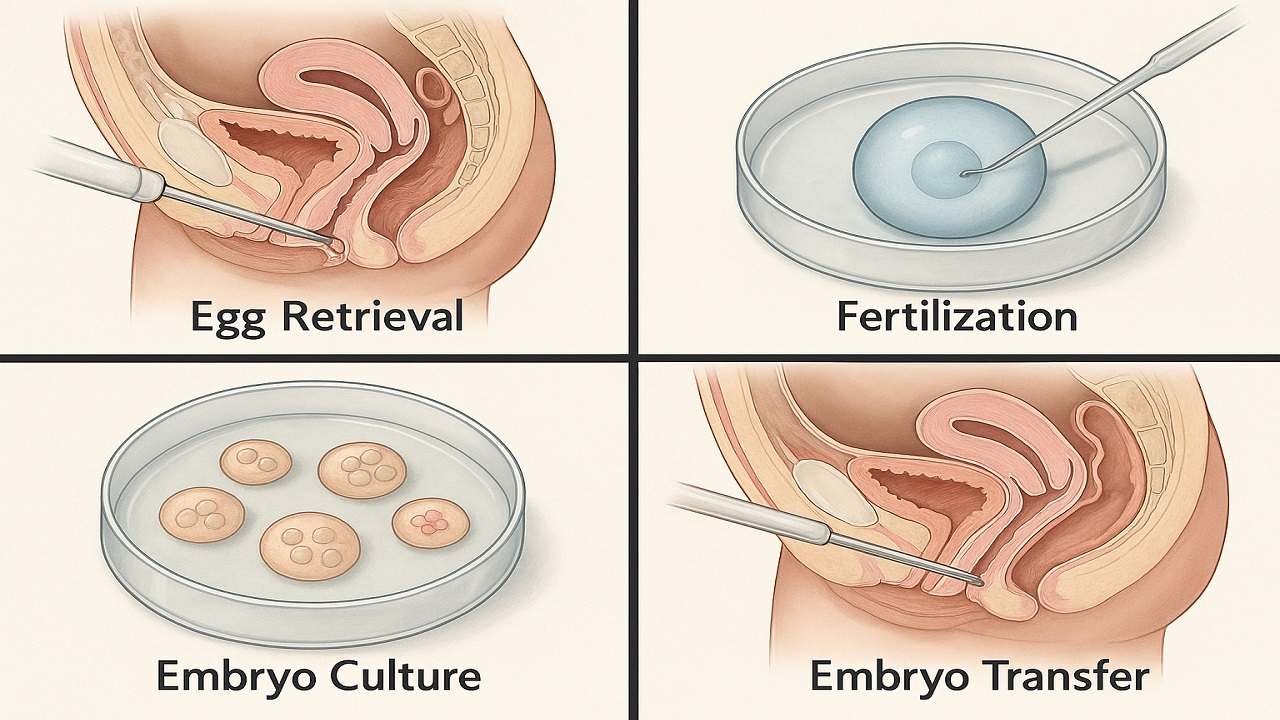
In Vitro Fertilization (IVF) process step by step, emphasising the importance of various stages such as ovarian stimulation, egg retrieval, fertilization, and embryo transfer in maximising the In Vitro Fertilization (IVF) Success Rate. It highlights how a thorough understanding of the procedure can prepare couples and individuals for their In Vitro Fertilization(IVF) journey, ultimately improving their chances of achieving a successful pregnancy.

Vitamin D Deficiency Affect IVF outcomes by influencing endometrial receptivity, embryo quality, and hormone balance. Clinical evidence, age-specific risks, and PCOS implications, while offering actionable strategies to optimize Vitamin D levels and improve IVF success rates and pregnancy outcomes in a structured, patient-focused approach.
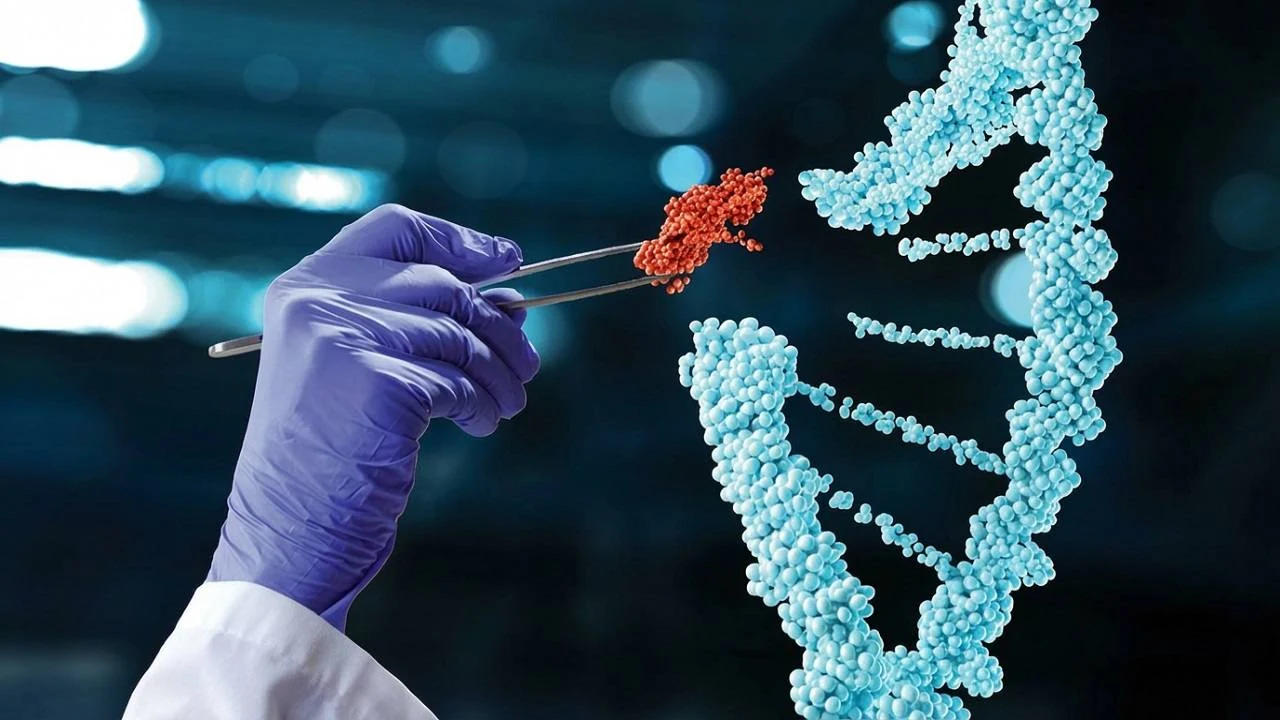
Preimplantation Genetic Testing (PGT) revolutionizes IVF by screening embryos for chromosomal abnormalities and genetic disorders before transfer. This advanced technology increases pregnancy success rates, reduces miscarriage risk, prevents inherited diseases, and shortens time to pregnancy while providing diagnostic clarity and reducing emotional stress for couples.

Clinical evidence increasingly demonstrates that emotional stress or grief reduces the chances of IVF success through sophisticated biochemical pathways that directly influence reproductive physiology. This relationship extends far beyond simple correlations, revealing profound mechanistic connections between psychological distress and the delicate orchestration of hormonal events essential for successful conception.
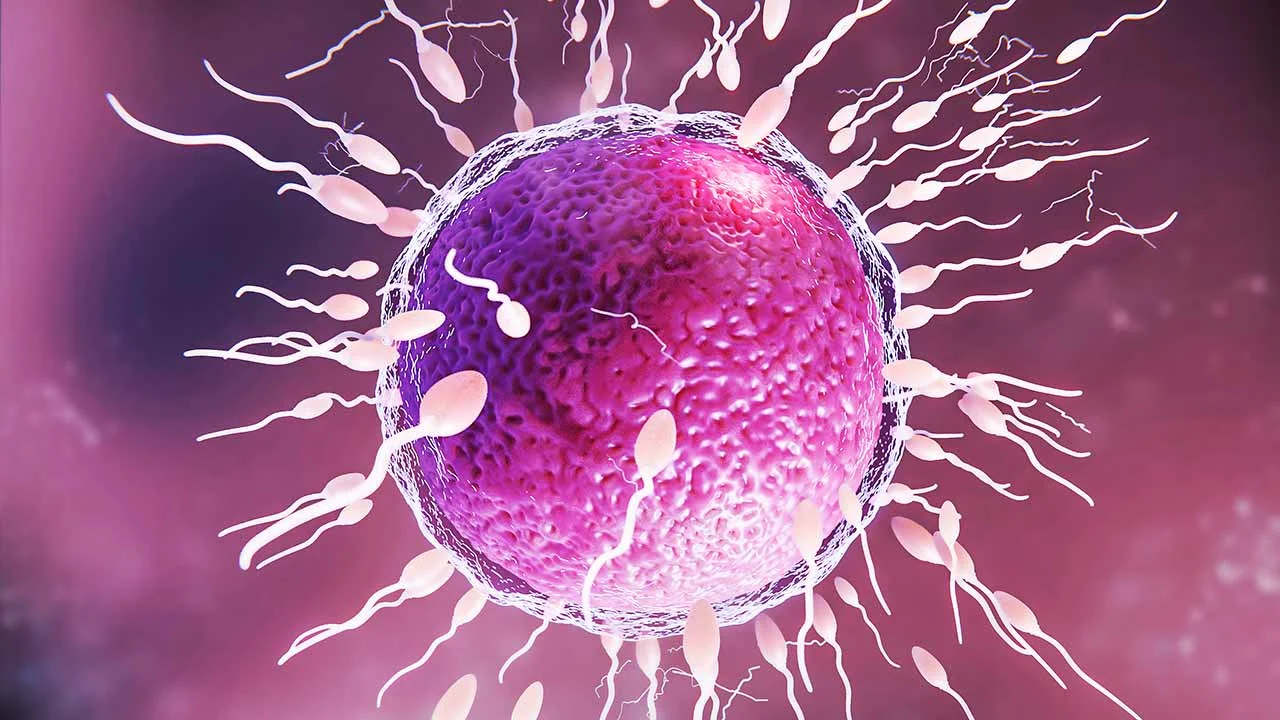
IVF in 2025 is shifting from hype to evidence-based innovation. As precision, automation, AI, and genetic advances reshape fertility care, patients must distinguish proven breakthroughs from outdated add-ons. This guide examines five groundbreaking IVF technologies in 2025 to understand which advances genuinely improve outcomes