Home
 ArticlesArticles
The critical role of female immunity in IVF outcomes emphasises the balance between immune protection and embryo tolerance. It discusses how factors like obesity and psychosocial stress impact immunological function during IVF, and highlights emerging interventions that focus on optimising immune health for better reproductive success.



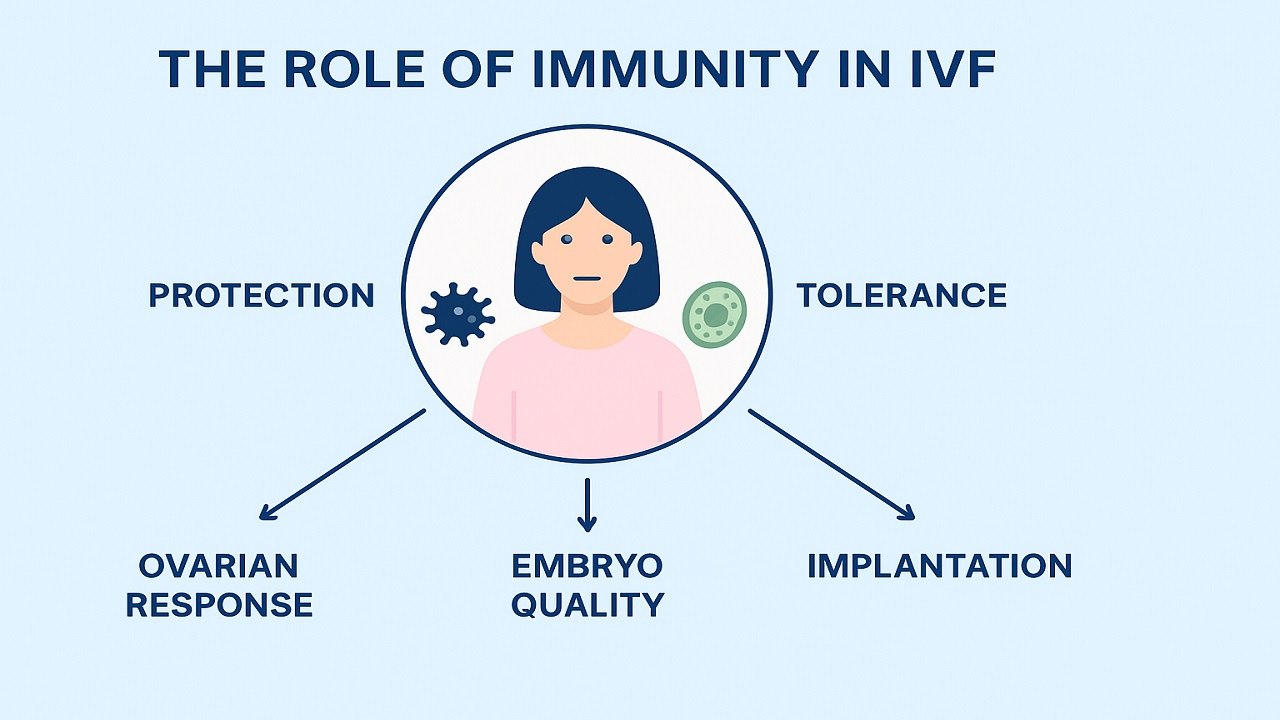
In-vitro fertilization (IVF) has become a cornerstone of modern reproductive medicine, offering hope to women and couples navigating infertility. While much of the discourse traditionally focuses on ovarian stimulation protocols, embryo transfer success rates, or the role of lifestyle factors like obesity and stress, an equally critical yet often underestimated component lies in the female immune system. Far from being a passive background mechanism, immunity plays a dynamic role in determining whether conception occurs, whether an embryo implants, and ultimately whether pregnancy can be sustained.
Understanding how female immunity in IVF treatments requires exploring the intricate balance between protection and tolerance. A woman’s immune system must defend her body against infection and disease while simultaneously learning to tolerate the “foreign” genetic material of an embryo. This delicate negotiation shapes IVF outcomes in ways both visible and invisible, bridging traditional clinical insights with cutting-edge immunological research.
The female immune system is built to adapt during reproduction. Ordinarily, the immune response attacks and eliminates anything identified as “non-self”. Nevertheless, pregnancy requires the opposite: an orchestrated tolerance to an embryo, which carries paternal antigens unfamiliar to the mother’s immune cells.
During natural conception, this immunological adjustment begins at implantation, with specialised cells such as uterine natural killer (uNK) cells, T-regulatory cells, and cytokines playing critical roles. In IVF, where implantation is externally guided and embryos are often closely monitored, these immune pathways are no less crucial. If the immune system fails to make room for tolerance, embryos may fail to implant, miscarriages may occur, or pregnancy complications such as preeclampsia may arise.
Thus, a woman’s immune health is inextricably tied to her IVF treatment outcomes, underscoring why fertility specialists increasingly examine immune markers alongside hormones and ovarian reserves.
One of the clearest ways immunity intersects with IVF lies in the rising challenge of obesity. Excess body weight is not only a metabolic concern but also an immunological one. Fat tissue produces inflammatory cytokines such as TNF-α and interleukin-6, which create a state of chronic, low-grade inflammation.

For women undergoing IVF, this inflammation disrupts several stages:
Studies consistently show that obese women experience lower IVF success rates, higher risks of miscarriage, and greater pregnancy complications. These outcomes highlight that female immunity in IVF is not just a background factor but an active mediator of reproductive potential.
The implantation stage is perhaps the most immunologically complex phase of IVF. Successful embryo attachment depends on maternal immune tolerance, guided largely by uterine natural killer cells and regulatory T cells.
In women with immune dysregulation, these processes falter. Overactive uNK cells may attack the embryo as though it were a pathogen, while insufficient T-regulatory cells may fail to enforce tolerance. Clinically, this manifests as recurrent implantation failure (RIF), a frustrating outcome for many undergoing repeated IVF cycles.
Emerging research explores immune-modulating interventions, from corticosteroid therapy to intravenous immunoglobulin (IVIG) and even novel biologics. These approaches aim to recalibrate the immune system to enhance embryo acceptance without compromising the mother’s ability to defend against infections. While still debated in clinical practice, such innovations reflect a growing acknowledgement of the immune system’s centrality in IVF.
The immune system is not influenced solely by biology it is also deeply intertwined with psychosocial factors. Stress, anxiety, and depression, often heightened during fertility treatment, can weaken immune resilience. Stress hormones like cortisol dampen immune tolerance while amplifying inflammatory pathways, thereby compounding the risks already associated with obesity or metabolic challenges.
Women undergoing IVF often find themselves caught in this feedback loop: emotional strain worsens immune imbalance, which in turn undermines reproductive success, fuelling more stress. Addressing this psychosocial dimension through counselling, mindfulness, or stress-reduction therapies is therefore not ancillary but integral to supporting the immune system during IVF.
Advances in reproductive immunology are reshaping IVF treatment strategies. Personalised medicine now allows fertility clinics to profile immune markers and tailor interventions more precisely. For example:
Moreover, regenerative medicine, such as stem cell therapy and microbiome modulation, offers promising new ways to enhance immune tolerance and endometrial receptivity. These emerging interventions not only reinforce the importance of immunity in IVF but also suggest that future reproductive care may be as much about balancing immune health as stimulating ovaries or transferring embryos.
The conversation around IVF is evolving. No longer confined to hormone injections, egg retrievals, and lab-based embryo transfers, success now hinges equally on the invisible negotiations of the immune system. The role of female immunity in IVF treatments is not merely a matter of scientific curiosity but a decisive factor in whether hope transforms into reality.
Obesity-driven inflammation, psychosocial stress, immune tolerance at implantation, and emerging therapeutic interventions all demonstrate that fertility medicine cannot afford to ignore immunology. As research deepens, reproductive care will increasingly integrate immune support into IVF protocols, making space not just for embryos to grow but for women’s bodies to fully welcome them.
In the end, immunity and reproduction are not adversaries, they are partners in one of life’s most delicate and extraordinary endeavours.



Advanced female age causes fertility decline through reduced egg quantity, increased chromosomal abnormalities, and mitochondrial dysfunction. Understanding these biological mechanisms helps women make informed family planning decisions. Modern fertility treatments including IVF, preimplantation genetic testing, and egg freezing offer practical solutions to overcome age-related reproductive challenges when trying to conceive.
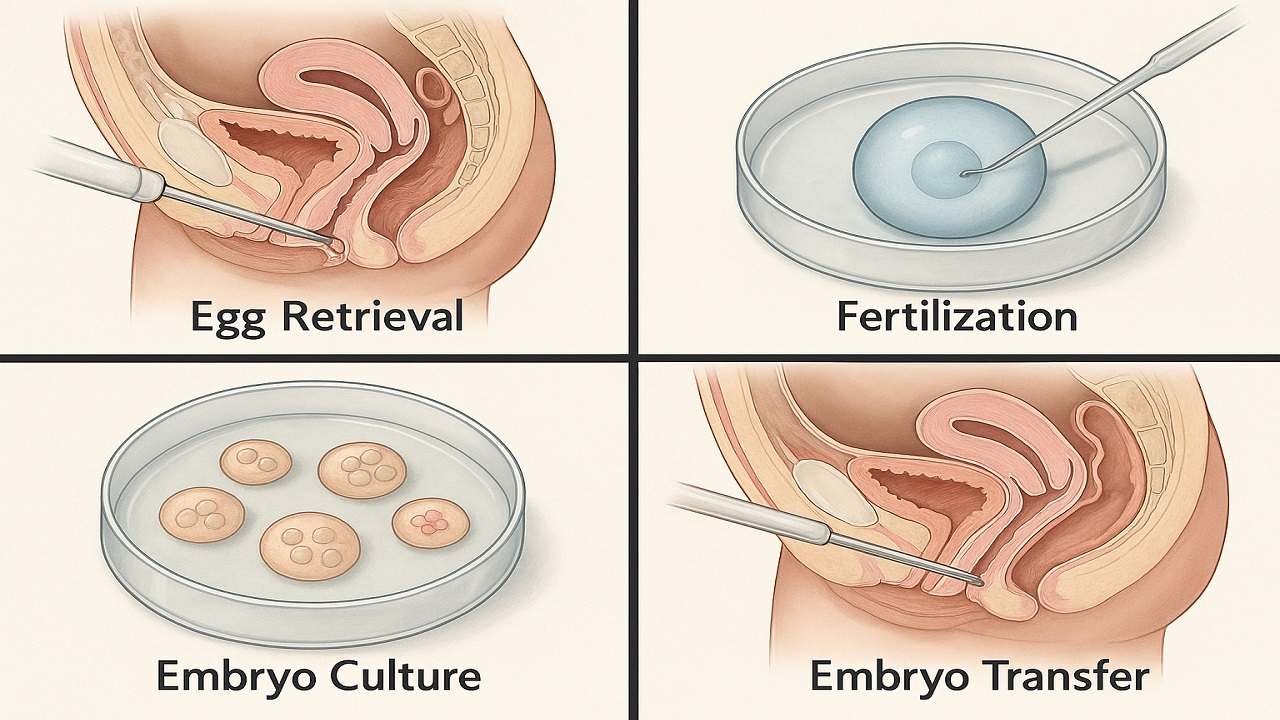
In Vitro Fertilization (IVF) process step by step, emphasising the importance of various stages such as ovarian stimulation, egg retrieval, fertilization, and embryo transfer in maximising the In Vitro Fertilization (IVF) Success Rate. It highlights how a thorough understanding of the procedure can prepare couples and individuals for their In Vitro Fertilization(IVF) journey, ultimately improving their chances of achieving a successful pregnancy.
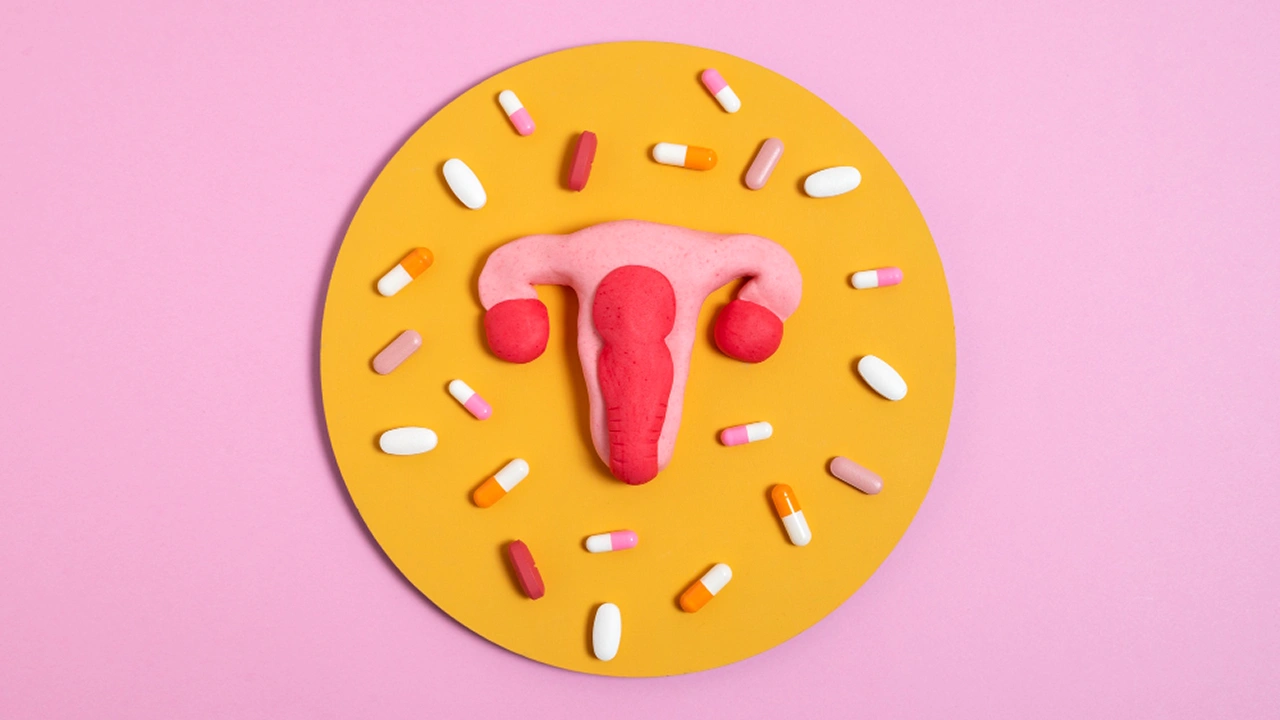
Vitamin D Deficiency Affect IVF outcomes by influencing endometrial receptivity, embryo quality, and hormone balance. Clinical evidence, age-specific risks, and PCOS implications, while offering actionable strategies to optimize Vitamin D levels and improve IVF success rates and pregnancy outcomes in a structured, patient-focused approach.
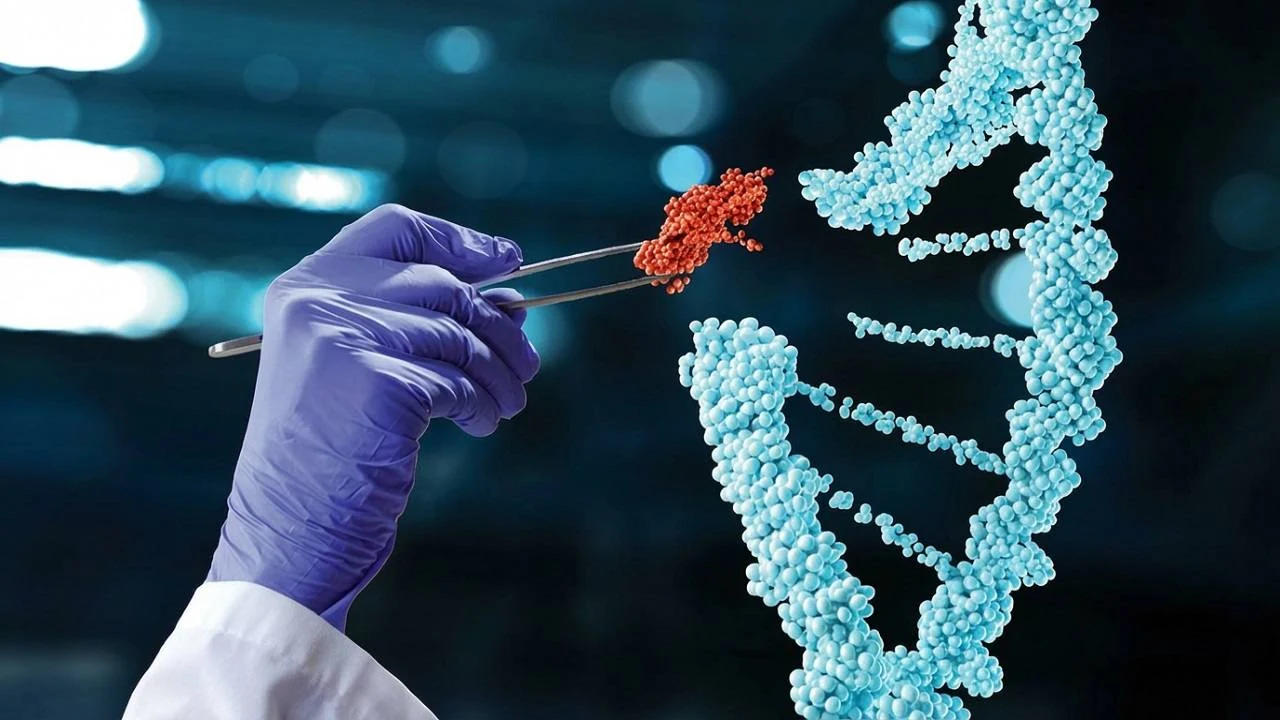
Preimplantation Genetic Testing (PGT) revolutionizes IVF by screening embryos for chromosomal abnormalities and genetic disorders before transfer. This advanced technology increases pregnancy success rates, reduces miscarriage risk, prevents inherited diseases, and shortens time to pregnancy while providing diagnostic clarity and reducing emotional stress for couples.

Clinical evidence increasingly demonstrates that emotional stress or grief reduces the chances of IVF success through sophisticated biochemical pathways that directly influence reproductive physiology. This relationship extends far beyond simple correlations, revealing profound mechanistic connections between psychological distress and the delicate orchestration of hormonal events essential for successful conception.
IVF in 2025 is shifting from hype to evidence-based innovation. As precision, automation, AI, and genetic advances reshape fertility care, patients must distinguish proven breakthroughs from outdated add-ons. This guide examines five groundbreaking IVF technologies in 2025 to understand which advances genuinely improve outcomes

Managing Recurrent Implantation Failure (RIF) outlines evidence-based diagnostics and treatment pathways to improve IVF success rates, emphasizing clarity, cautious use of add-ons, and realistic patient expectations.