Home
 ArticlesArticles
How Urinary Tract Infection affect fertility in men and women. Whether urinary tract infections cause infertility, how untreated UTIs lead to complications like pelvic inflammatory disease, and what steps you can take to protect your reproductive health while trying to conceive naturally.



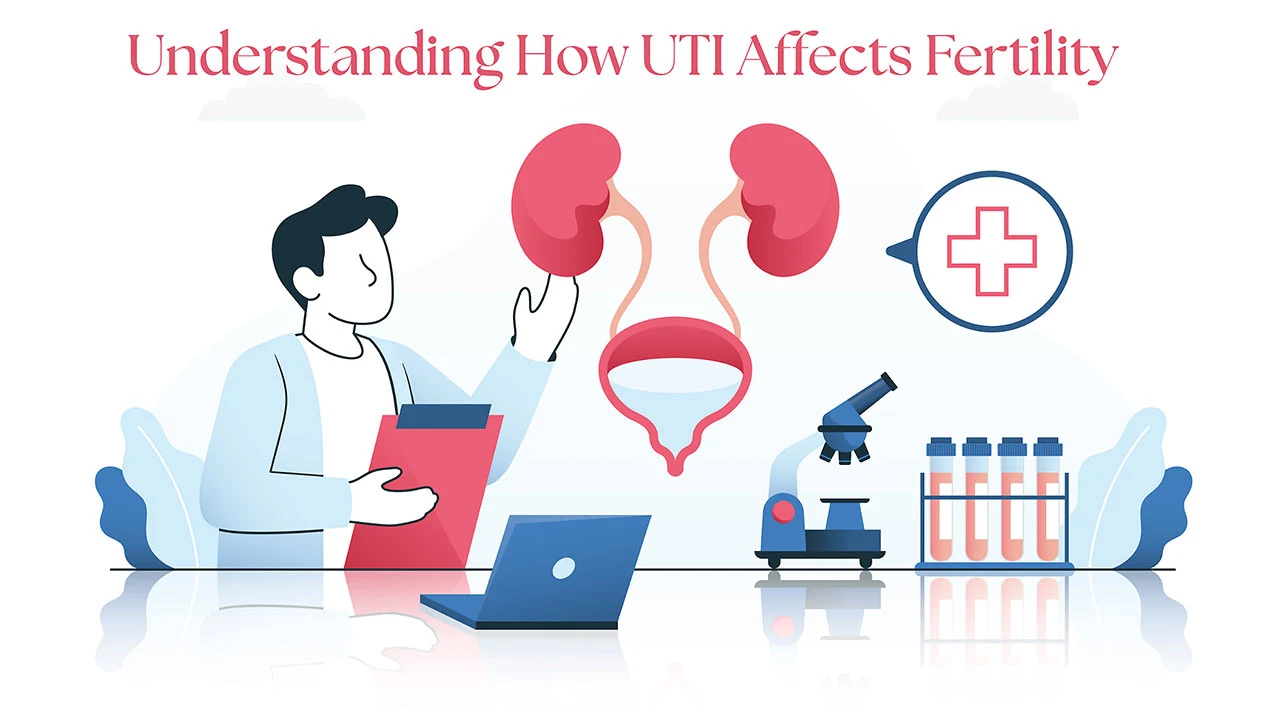
No, a simple UTI that stays in the bladder or urethra does not cause infertility. Most uncomplicated UTIs are treatable with antibiotics and clear up without affecting your ability to conceive. However, if a UTI goes untreated and spreads to the upper reproductive organs or causes complications like pelvic inflammatory disease, it can potentially impact fertility in both women and men.
Pelvic inflammatory disease is a serious infection that occurs when bacteria from a UTI or other sources spread to the reproductive organs like the fallopian tubes and uterus. If a UTI progresses to PID without treatment, scarring of the fallopian tubes can occur, making it harder for an egg to travel to the uterus or for sperm to reach the egg. Recurrent PID episodes significantly increase the risk of infertility.

Recurrent UTIs (three or more in 12 months) increase the risk of complications. If these infections spread to the upper reproductive tract, they can cause pelvic inflammatory disease, which damages the fallopian tubes and reduces fertility. Additionally, recurring infections may disrupt your menstrual cycle temporarily or create inflammation that interferes with conception. Early treatment of each UTI is important to prevent this progression.
While an active UTI doesn't directly prevent pregnancy, it can indirectly make conception less likely. UTI symptoms like pain and urgency during urination may reduce your desire for sexual intercourse during your fertile window, making it harder to get pregnant naturally. Additionally, untreated UTIs that spread upward can create inflammation in the reproductive tract that may interfere with implantation if conception occurs.
UTIs in men can reduce sperm quality, count, and movement (motility) through inflammation and bacterial damage to the reproductive organs. If a UTI spreads to the prostate, testicles, or epididymis (the tube that stores sperm), it can directly harm sperm production. Some bacterial infections can also cause blockages in the ejaculatory ducts, preventing sperm from being released during ejaculation.

In most cases, yes. Sperm production typically recovers within 3 to 6 months after a UTI is treated with antibiotics. However, if the infection causes severe damage or scarring to the reproductive ducts, or if it becomes a chronic condition, some men may experience longer-lasting effects on sperm quality. Prompt treatment of the UTI gives the best chance for full recovery.
Yes, most antibiotics used to treat UTIs are safe and don't prevent pregnancy. In fact, treating a UTI before conception is recommended because untreated infections can interfere with fertility. However, discuss your specific antibiotic with your doctor if you're actively trying to conceive, as some antibiotics require brief waiting periods after completing treatment before attempting pregnancy.
Yes, certain antibiotics used to treat UTIs during pregnancy are safe for both you and your developing baby. Pregnant women should never leave a UTI untreated, as untreated infections can lead to serious complications like premature birth and low birth weight. Your doctor will prescribe antibiotics that are known to be safe during pregnancy.
Asymptomatic bacteriuria is the presence of bacteria in your urine without causing UTI symptoms. In non-pregnant women and men, it typically doesn't need treatment and doesn't affect fertility. However, if you're pregnant or planning to become pregnant, your doctor may recommend screening and treating this condition, as it can increase the risk of kidney infection and pregnancy complications if left untreated.
Drink plenty of water throughout the day to flush out bacteria; urinate before and after sexual intercourse; practice good genital hygiene by wiping from front to back, avoid spermicides and douches that can disrupt your natural bacterial balance, wear breathable, cotton underwear, and don't hold urine for long periods. These simple habits reduce your UTI risk while maintaining a healthy environment for conception.
Yes, if your partner has UTI symptoms like pain during urination or urgency, they should be tested and treated. Men don't typically get UTIs from women, but untreated UTIs in male partners can affect their sperm quality and reduce your chances of conceiving. If you both are trying to conceive, it's best to ensure both partners are free from active infections.

Contact your healthcare provider as soon as you notice UTI symptoms like burning during urination, frequent urge to urinate, cloudy or foul-smelling urine, or blood in your urine. Early treatment prevents the infection from spreading to your reproductive organs or kidneys. If symptoms don't improve within a few days of starting treatment, or if you develop fever, back pain, or feel unusually unwell, seek immediate medical attention.
If a past UTI led to pelvic inflammatory disease or kidney damage, scarring can occur that affects future fertility. Scarring in the fallopian tubes can block the egg's passage, and kidney damage can affect overall health. However, not all UTIs cause scarring most uncomplicated UTIs treated promptly leave no lasting damage. If you have a history of severe or recurrent UTIs, discuss your fertility concerns with your doctor.
Yes, completing the full antibiotic course is crucial. Stopping antibiotics early can allow the infection to return stronger and potentially spread to your reproductive organs, which poses greater risks to fertility. After finishing your antibiotic course, most doctors recommend waiting 7 to 10 days before attempting to conceive to ensure the infection is fully cleared and medication is eliminated from your body.
A kidney infection (pyelonephritis) is serious and can have lasting effects on fertility if left untreated. Severe kidney infections can cause scarring and reduce kidney function, which affects your overall health and hormonal balance. Additionally, a kidney infection during pregnancy can cause premature birth or other serious complications. This is why treating any UTI promptly is important early treatment prevents the infection from reaching your kidneys and protects your fertility and health.


Immunotherapy in restoring human fertility is emerging as a promising approach for addressing immune-related reproductive disorders. Recent clinical advances highlight its potential to improve implantation, pregnancy outcomes, and reproductive health, offering renewed hope for patients facing infertility linked to immune system dysfunction.
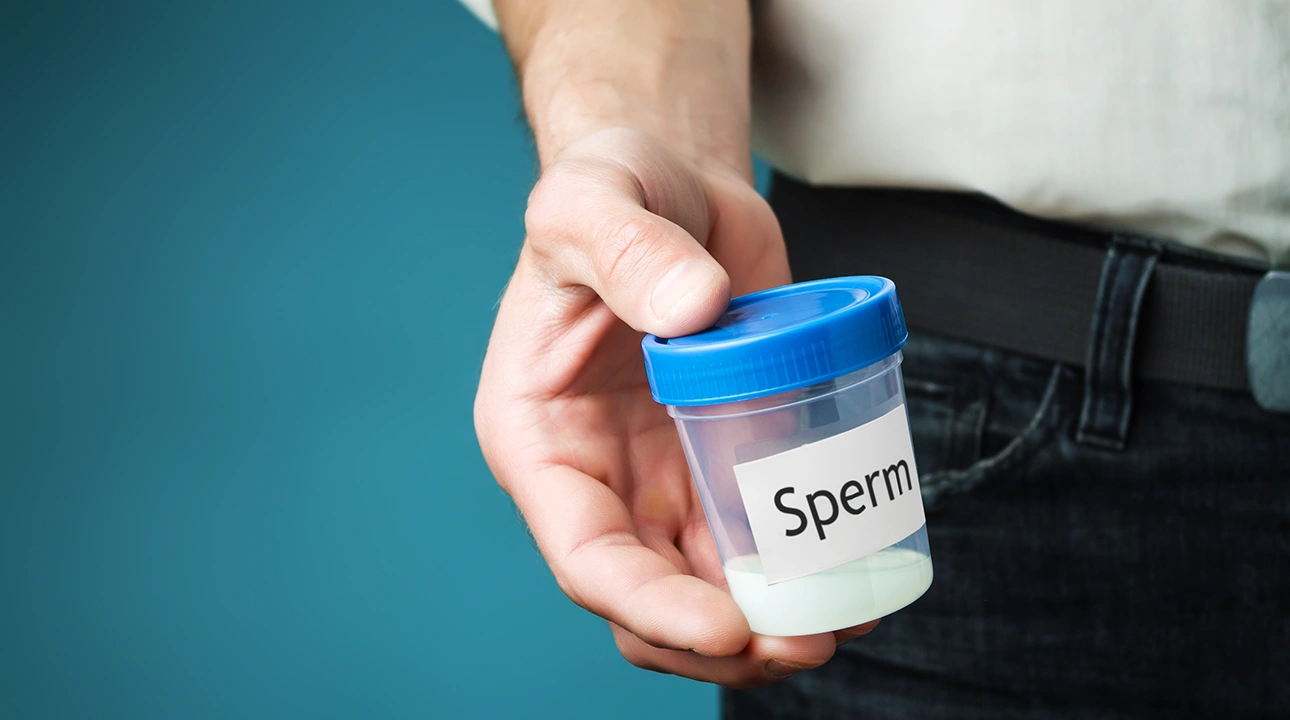
The smart fertility tracker market has transformed male fertility diagnostics, but how reliable are these devices? This report examines what at-home sperm tests actually measure, where they fall short compared to clinical analysis, and how men and couples can use them appropriately within a broader reproductive care pathway.
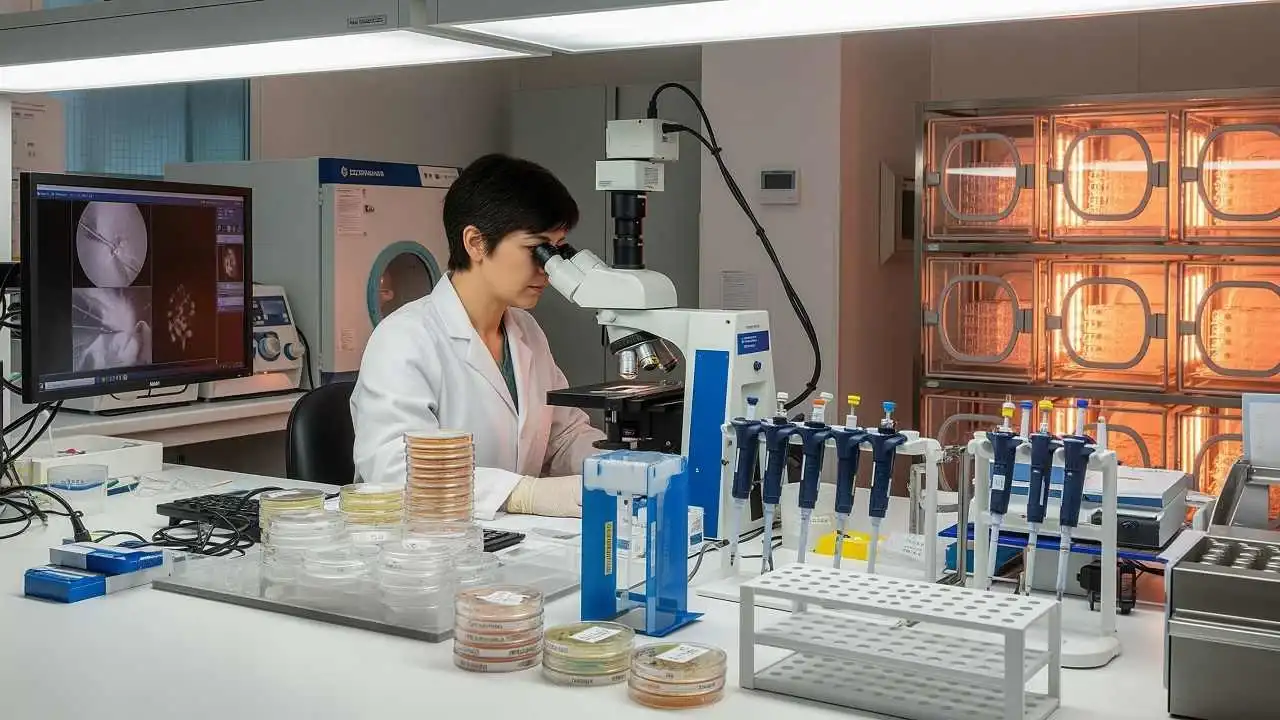
The distinct assisted reproductive technologies of Intrauterine Insemination (IUI), In Vitro Fertilization (IVF), and Intracytoplasmic Sperm Injection (ICSI). It outlines how each procedure works, the medical indications for their use, and their respective success rates. The importance of choosing the right treatment based on factors such as patient age, infertility diagnosis, and personal circumstances.

Assisted Reproductive Technology (ART), a groundbreaking medical field that provides solutions for individuals and couples facing fertility challenges. It defines ART, explains its core techniques such as In Vitro Fertilization (IVF) and Intracytoplasmic Sperm Injection (ICSI), and discusses clinical applications and success rates.

Common questions about pregnancy with polycystic ovary syndrome (PCOS) through IVF and IUI. It discusses PCOS-related infertility, success rates, treatment options, and the importance of personalised protocols. Emphasising holistic care and emotional support, it offers hope and insights for women navigating the challenges of PCOS.
The potential of stem cells to improve ovarian reserve and egg quality, focusing on their application in women with diminished fertility. It discusses how mesenchymal stem cells and other stem cell therapies can rejuvenate ovarian function by enhancing the ovarian environment, promoting tissue repair, and stimulating follicle growth. While the therapy shows promise, the article emphasizes the need for more extensive studies to understand its efficacy and safety.
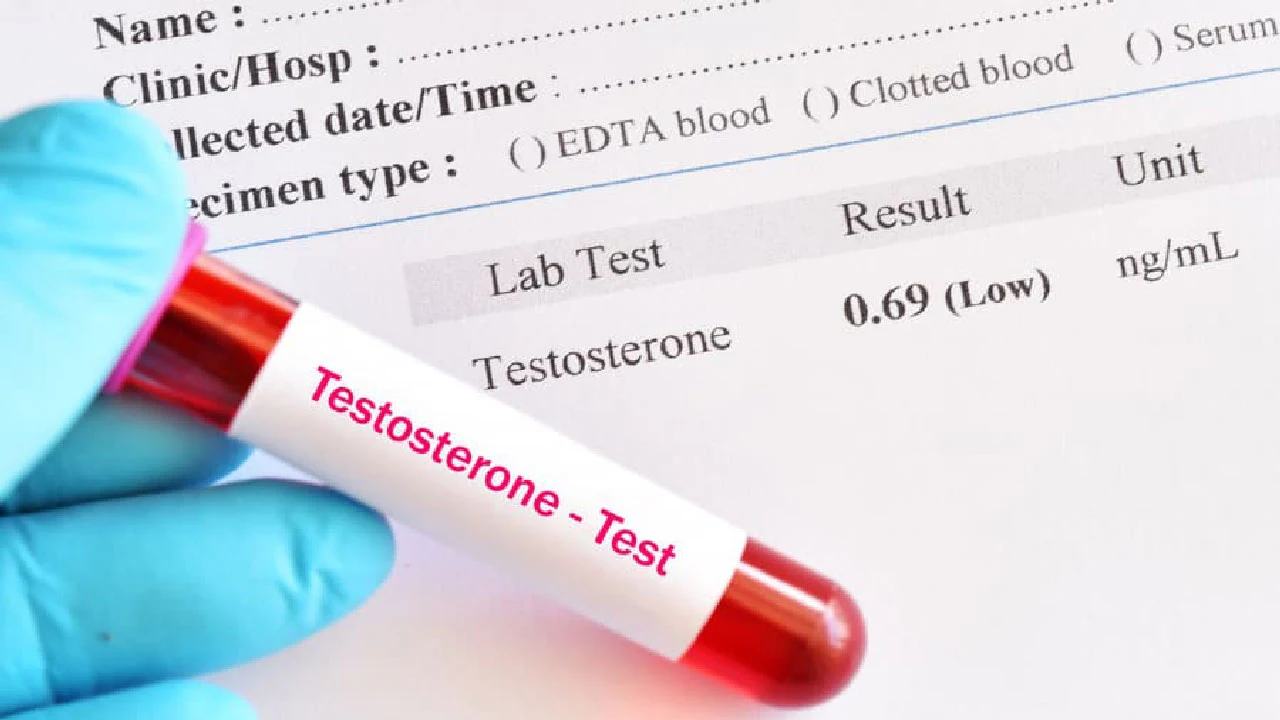
Clinical pearls for treating infertility and low testosterone in men, emphasizing reproductive goal assessment, empiric medical therapies, and comprehensive multidisciplinary management strategies.