Home
 ArticlesArticles
Smoking affect IVF treatment, highlighting its impact on ovarian function, embryo quality, endometrial receptivity, and pregnancy outcomes. It also discusses clinical evidence and lifestyle interventions to improve IVF success rates. The piece blends traditional clinical knowledge with emerging research, offering a comprehensive guide for couples undergoing IVF.




In the intricate realm of assisted reproduction, where every detail matters, lifestyle choices can significantly influence outcomes. Among these, smoking stands out as a particularly detrimental habit, casting a long shadow over the journey to parenthood. While its adverse effects on general health are well-documented, the specific impact of smoking on in vitro fertilization (IVF) is profound and multifaceted.
The process of IVF is a delicate orchestration of science and biology, aiming to create life in a controlled environment. However, this process is not immune to external influences. Smoking introduces a host of harmful substances into the body, including nicotine, carbon monoxide, and various toxins, all of which can interfere with the body's reproductive functions. These substances can impair ovarian reserve, disrupt hormonal balance, and compromise embryo quality, thereby reducing the chances of a successful pregnancy.
Understanding how smoking affect IVF treatment is crucial for individuals seeking to conceive. By delving into the biological mechanisms at play, we can better appreciate the importance of lifestyle modifications in enhancing fertility outcomes.
IVF is a multifaceted process that begins with ovarian stimulation to produce multiple eggs, which are then retrieved, fertilized in the laboratory, and cultured into embryos before being transferred into the uterus. Success hinges on several factors:
Each of these stages is susceptible to external influences, with smoking being a significant contributor.

Cigarette smoke contains numerous toxins that can adversely affect the ovaries. Nicotine, one of the primary components, has been shown to interfere with estrogen production, a hormone vital for folliculogenesis, the maturation of eggs within the ovaries. This disruption can lead to a diminished ovarian reserve, meaning fewer viable eggs are available for fertilisation during IVF cycles.
Moreover, smoking can accelerate the onset of menopause, often by several years, thereby shortening the reproductive window and potentially leading to earlier ovarian insufficiency. This affects natural fertility and complicates assisted reproductive efforts like IVF.
The journey from fertilisation to embryogenesis is intricate and finely tuned. Smoking introduces oxidative stress into the system, leading to DNA fragmentation and cellular damage. This oxidative environment can compromise the integrity of embryos, resulting in lower quality and reduced implantation potential. Studies show that smokers hinder the progression of embryos to higher developmental stages, even though they may not significantly affect fertilisation rates.
A healthy endometrium is vital for embryo implantation. Smoking adversely affects endometrial blood flow, reducing oxygen and nutrient delivery to the uterine lining. This compromised environment diminishes the endometrium's receptivity, making it less conducive to successful implantation. Consequently, even high-quality embryos may fail to implant in smokers, leading to lower pregnancy rates.
The risks extend beyond conception. Pregnancies achieved through IVF in smokers are more prone to complications such as ectopic pregnancies, placental abruption, and preterm births. Additionally, the likelihood of miscarriage is elevated, with studies suggesting a 30% increased risk in smokers compared to non-smokers.
The journey through IVF is emotionally taxing, and smoking can exacerbate stress and anxiety levels. The act of smoking itself may serve as a coping mechanism, but it also perpetuates a cycle of dependency and health risks. Addressing smoking habits becomes an integral part of holistic fertility care by emphasising the importance of lifestyle modifications in conjunction with medical treatments.
The body is resilient. Quitting smoking, even in the midst of an IVF cycle, can yield immediate benefits. Within weeks of cessation, improvements in blood flow and hormonal balance can enhance ovarian response and endometrial receptivity. Couples are strongly encouraged to cease smoking at least three months before initiating IVF treatments to optimise outcomes.
The path to parenthood through IVF is fraught with challenges, and while some factors are beyond control, smoking is not one of them. Its impact on fertility is profound and multifaceted, affecting every stage of the IVF process. However, the power to change lies within each individual. By choosing to quit smoking, couples not only improve their chances of IVF success but also invest in their long-term health and well-being.
In the realm of assisted reproduction, where science offers hope, lifestyle choices can tip the balance. Smoking's detrimental effects on IVF outcomes are clear, but so is the potential for positive change. It is a reminder that while the journey may be complex, the choices we make can pave the way to success.



Advanced female age causes fertility decline through reduced egg quantity, increased chromosomal abnormalities, and mitochondrial dysfunction. Understanding these biological mechanisms helps women make informed family planning decisions. Modern fertility treatments including IVF, preimplantation genetic testing, and egg freezing offer practical solutions to overcome age-related reproductive challenges when trying to conceive.
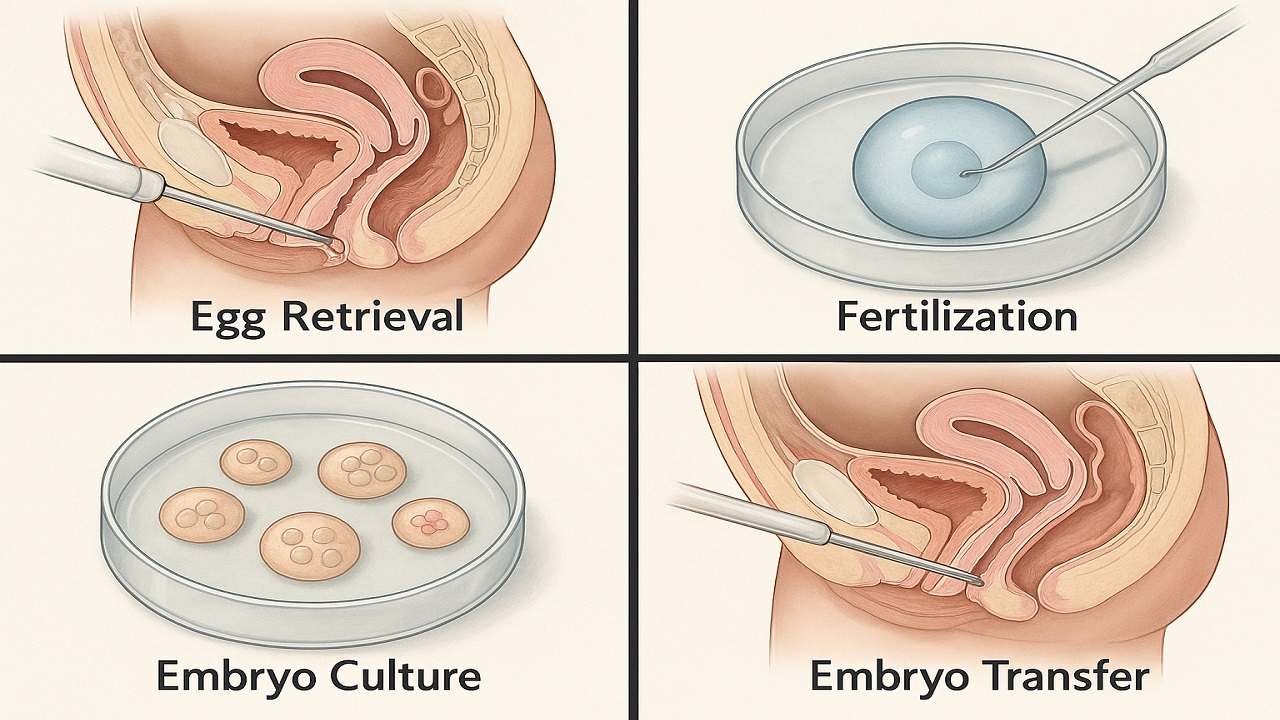
In Vitro Fertilization (IVF) process step by step, emphasising the importance of various stages such as ovarian stimulation, egg retrieval, fertilization, and embryo transfer in maximising the In Vitro Fertilization (IVF) Success Rate. It highlights how a thorough understanding of the procedure can prepare couples and individuals for their In Vitro Fertilization(IVF) journey, ultimately improving their chances of achieving a successful pregnancy.
Vitamin D Deficiency Affect IVF outcomes by influencing endometrial receptivity, embryo quality, and hormone balance. Clinical evidence, age-specific risks, and PCOS implications, while offering actionable strategies to optimize Vitamin D levels and improve IVF success rates and pregnancy outcomes in a structured, patient-focused approach.
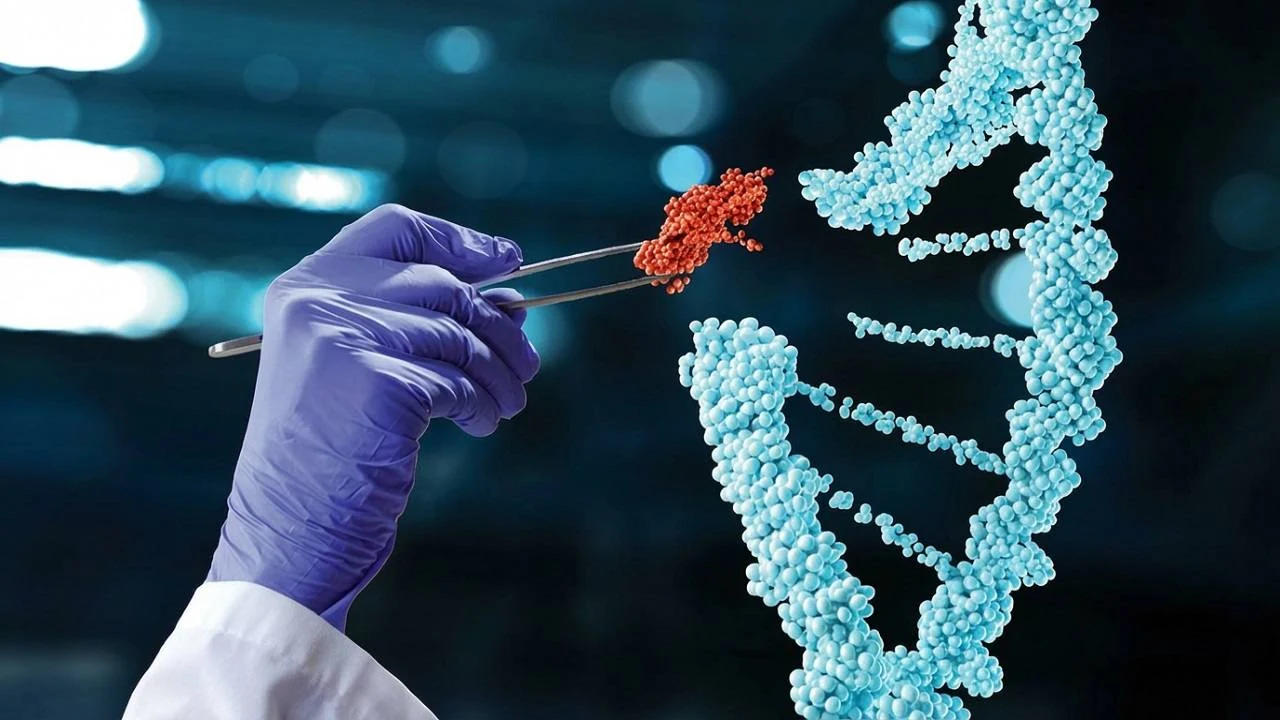
Preimplantation Genetic Testing (PGT) revolutionizes IVF by screening embryos for chromosomal abnormalities and genetic disorders before transfer. This advanced technology increases pregnancy success rates, reduces miscarriage risk, prevents inherited diseases, and shortens time to pregnancy while providing diagnostic clarity and reducing emotional stress for couples.

Clinical evidence increasingly demonstrates that emotional stress or grief reduces the chances of IVF success through sophisticated biochemical pathways that directly influence reproductive physiology. This relationship extends far beyond simple correlations, revealing profound mechanistic connections between psychological distress and the delicate orchestration of hormonal events essential for successful conception.
IVF in 2025 is shifting from hype to evidence-based innovation. As precision, automation, AI, and genetic advances reshape fertility care, patients must distinguish proven breakthroughs from outdated add-ons. This guide examines five groundbreaking IVF technologies in 2025 to understand which advances genuinely improve outcomes

Managing Recurrent Implantation Failure (RIF) outlines evidence-based diagnostics and treatment pathways to improve IVF success rates, emphasizing clarity, cautious use of add-ons, and realistic patient expectations.